
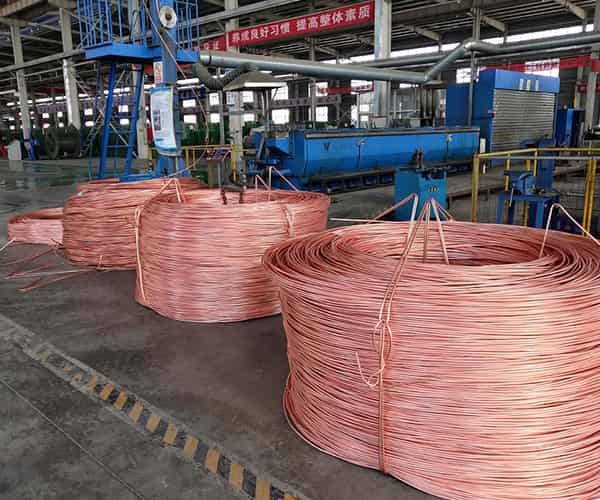
Choosing a reliable cable manufacturer is an important decision for power transmission, distribution, renewable energy, industrial, construction, and infrastructure projects. The right manufacturer can provide suitable cable designs, stable product quality, reliable delivery, complete technical documentation, and effective project support.
However, selecting a cable manufacturer based only on price can create problems later. Differences in raw materials, manufacturing equipment, testing capabilities, technical standards, production capacity, and quality control can have a direct impact on cable performance and project costs.
So, how to choose a reliable cable manufacturer?
A practical evaluation should consider several factors, including manufacturing experience, product range, production capacity, international standards, testing capabilities, quality management, customization, project experience, delivery capability, and technical support.
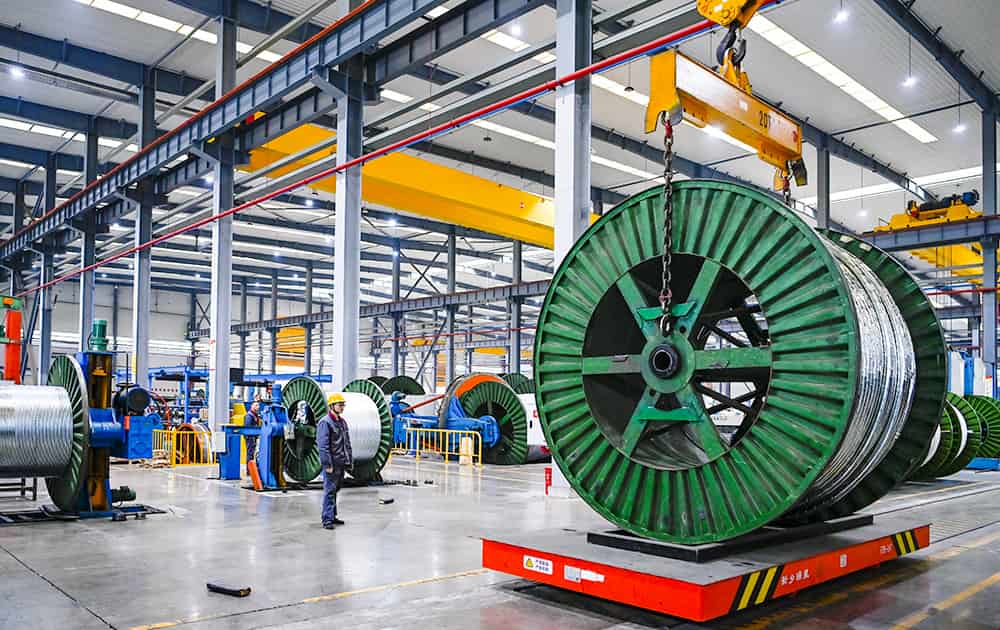
1. Check the Manufacturer’s Actual Production Capability
The first step is to determine whether the company is a real cable manufacturer or primarily a trading company.
A professional cable manufacturer should have appropriate production facilities and equipment for the products it supplies. Depending on the cable type, this may include wire drawing machines, conductor stranding machines, extrusion lines, shielding equipment, armoring machines, cable testing systems, rewinding equipment, and packaging facilities.
The production process should cover the major stages from conductor manufacturing to insulation, sheathing, testing, and final packaging.
For buyers, it is useful to ask the manufacturer for information about:
Production facilities
Main manufacturing processes
Cable production lines
Annual or monthly production capacity
Main product categories
Testing laboratories
Quality inspection procedures
A manufacturer with appropriate production capabilities is generally better positioned to control product consistency and respond to customized requirements.
2. Evaluate the Manufacturer’s Product Range
Different projects require different cable constructions. A reliable cable manufacturer should have sufficient technical capability to manufacture the products required for the intended application.
For example, a power transmission project may require overhead conductors, medium voltage cables, high voltage cables, cable joints, and terminations. A renewable energy project may require photovoltaic cables, medium voltage collection cables, and cables for substations.
When evaluating a supplier, check whether its product portfolio matches your project requirements.
Common cable categories include:
AAC and AAAC overhead conductors
ACSR conductors
HTLS conductors
Aerial bundled cables
Low voltage power cables
Medium voltage power cables
High voltage cables
Extra-high voltage cables
Concentric cables
Control cables
Photovoltaic cables
Submarine cables
OPGW
Cable joints and terminations
Other customized cables
A broad product range does not automatically mean that a manufacturer is better. More importantly, the supplier should have genuine manufacturing and technical experience in the specific cable category you need.
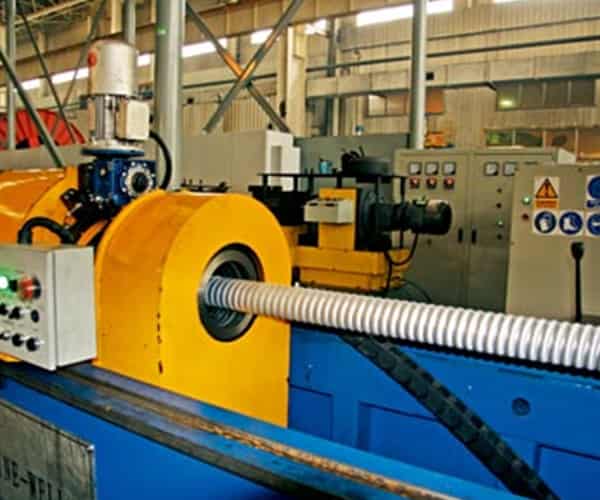
3. Check Applicable Cable Standards
Cable standards are one of the most important factors when selecting a manufacturer.
Different countries, utilities, EPC contractors, and projects may require different standards. Depending on the application, specifications may refer to IEC, ASTM, BS, DIN, VDE, NF, AS/NZS, SABS, JIS, KS, or other national and project-specific requirements.
For example, a customer may specify a particular IEC standard for a medium voltage cable while an overhead conductor project may refer to ASTM requirements.
Before placing an order, confirm:
Applicable product standard
Conductor requirements
Insulation requirements
Sheath requirements
Voltage rating
Electrical testing requirements
Mechanical testing requirements
Type and routine tests
Marking requirements
Packaging requirements
A professional cable manufacturer should be able to review the specification and clearly explain how its proposed cable construction meets the required standard.
4. Examine Quality Control and Testing Capabilities
A reliable cable manufacturer should have a systematic quality control process rather than relying only on visual inspection.
Cable quality control normally begins with incoming raw materials and continues through production and final testing.
Depending on the product, testing may include:
Conductor DC resistance
Tensile strength and elongation
Dimensional inspection
Insulation thickness
Sheath thickness
Voltage withstand testing
Partial discharge testing
Aging tests
Thermal performance tests
Flame-retardant tests
Mechanical tests
Electrical performance tests
For medium, high, and extra-high voltage cables, testing becomes particularly important because insulation defects or dimensional deviations can affect long-term operating reliability.
When evaluating a manufacturer, ask which tests can be performed in-house and which tests are completed by independent laboratories.
It is also useful to request sample test reports from previous projects. The report should clearly identify the product, specification, test method, test conditions, and results.
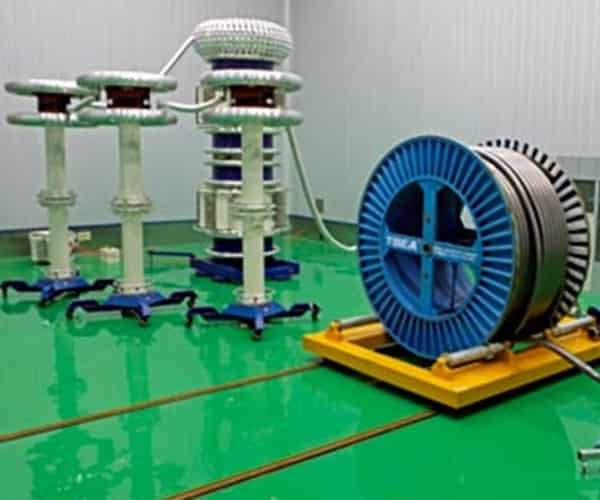
5. Review Raw Material and Component Control
Cable performance starts with raw materials.
Copper and aluminum conductors, insulation compounds, semiconductor materials, shielding materials, metallic sheaths, steel tapes, armor wires, and other components all influence the finished cable.
A reliable cable manufacturer should have procedures for inspecting and controlling incoming materials.
For example, conductor materials may need to be checked for:
Chemical composition
Electrical conductivity
Diameter
Tensile strength
Elongation
Surface quality
Polymer materials may require inspection of relevant physical and electrical properties before production.
For special cables, additional materials and components may need to be evaluated according to the project specification.
Therefore, buyers should not only ask about the finished cable. Understanding how the manufacturer manages raw materials can provide useful insight into the overall production system.
6. Look at Manufacturing Experience in Your Application
General cable manufacturing experience is useful, but experience with your specific application can be even more important.
For example, manufacturing a low voltage building cable and manufacturing a 230kV high voltage cable involve very different technical requirements.
Similarly, submarine cables require different considerations from underground power cables, while OPGW requires experience with both optical fibers and overhead conductor construction.
Before selecting a supplier, ask whether the manufacturer has supplied similar products for:
Power grid projects
Substations
Renewable energy projects
Industrial plants
Mining projects
Infrastructure projects
Marine applications
EPC projects
You can also request information about previous export markets and comparable cable specifications.
The objective is not simply to find a manufacturer with a long history, but to confirm that its experience is relevant to your project.
7. Verify Production Capacity and Delivery Capability
Price and technical specifications are not the only considerations. Delivery capability can also have a significant impact on a project schedule.
A cable manufacturer should be able to explain its production capacity and expected lead time based on the cable specification and order quantity.
When discussing delivery, consider:
Raw material availability
Production capacity
Manufacturing lead time
Testing schedule
Drum preparation
Packaging
Port delivery
Shipping arrangements
Large cable orders may require substantial quantities of copper, aluminum, insulation materials, and other components. High voltage and special cables may also require longer production and testing periods.
Therefore, it is better to confirm the complete delivery schedule before placing a purchase order.
8. Check Whether the Manufacturer Can Customize Cable Designs
Not every project can use a standard catalogue cable.
Engineering projects may specify special conductor sizes, insulation materials, sheath designs, armor structures, operating temperatures, installation conditions, or electrical parameters.
A capable cable manufacturer should be able to review these requirements and propose an appropriate construction.
Customization may involve:
Conductor material
Conductor size
Number of strands
Insulation material
Insulation thickness
Metallic screen
Sheath material
Armor structure
Cable diameter
Drum length
Marking
Packaging
For high voltage and special-purpose cables, technical communication before production is particularly important.
A manufacturer that can discuss these details clearly is generally easier to work with during engineering procurement.
9. Compare Technical Support, Not Just Cable Prices
When comparing several cable suppliers, buyers often focus on the price per meter.
However, the lowest quotation may not necessarily represent the lowest total project cost.
A cable supplier should provide sufficient technical information to allow the buyer to compare equivalent products.
Important quotation information may include:
Cable construction
Conductor material
Conductor cross-sectional area
Insulation material
Insulation thickness
Sheath material
Cable overall diameter
Cable weight
Electrical resistance
Rated voltage
Applicable standard
Testing requirements
Packing details
Delivery conditions
If two suppliers offer different cable constructions, comparing only the price per meter can produce a misleading result.
Technical support therefore becomes an important part of supplier evaluation.
10. Verify Export and International Project Experience
For international buyers, export experience can make communication and logistics much easier.
A manufacturer serving overseas customers should understand international shipping, cable drum requirements, export documentation, packaging, inspection procedures, and project documentation.
Useful questions include:
Which international markets does the manufacturer serve?
Has it supplied similar cables overseas?
Can it provide export packing?
Can it prepare technical documents in English?
Can it support third-party inspection?
Can it provide certificates and test reports?
Can it coordinate cable drum dimensions with shipping requirements?
International project experience does not replace technical qualifications, but it can reduce communication and logistics risks during procurement.
11. Evaluate Communication and Documentation
Cable projects often involve many technical details. Poor communication can create misunderstandings even when the manufacturer itself is technically capable.
A professional supplier should be able to provide clear documentation, including:
Technical datasheets
Product drawings
Cable construction diagrams
Test reports
Certificates
Packing lists
Commercial documents
Installation information when applicable
During the quotation stage, pay attention to how the supplier responds to technical questions.
For example, if you ask about conductor resistance, insulation thickness, short-circuit capacity, cable diameter, or testing requirements, the supplier should provide specific technical information rather than only general marketing statements.
Clear communication at the beginning can help prevent costly problems later.
12. Consider the Total Cost, Not Only the Initial Price
Cable procurement should be evaluated based on total project requirements rather than unit price alone.
The total cost can include:
Cable purchase price
Accessories
Transportation
Packaging
Inspection
Installation requirements
Maintenance
Replacement costs
Potential project delays
A cable with an appropriate technical design and stable quality may provide better overall project value than a cheaper product that does not fully match the specification.
For this reason, buyers should first confirm that quotations are technically comparable before comparing prices.
13. Ask the Right Questions Before Placing an Order
Before selecting a cable manufacturer, preparing a technical checklist can make supplier comparison much easier.
Consider asking:
About the company
Are you a manufacturer or trading company?
How long have you manufactured cables?
Which cable products do you produce in-house?
About production
What production equipment do you use?
What is your production capacity?
Can you manufacture customized cable designs?
About quality
Which standards do you follow?
What tests are performed before shipment?
Can you provide routine and type test reports?
Can third-party inspection be arranged?
About the project
Have you supplied similar cables before?
Can you provide technical support?
Can you supply matching cable accessories?
About delivery
What is the production lead time?
What drum lengths are available?
How will the cables be packed for export?
Can you support international shipping arrangements?
The answers to these questions can help buyers distinguish between suppliers with different levels of manufacturing and project capability.
Why Choosing the Right Cable Manufacturer Matters
Cables are critical components of electrical infrastructure. Once installed underground, inside buildings, along transmission lines, or beneath the sea, replacing them can be expensive and disruptive.
That is why supplier selection should consider the complete manufacturing and service chain.
A reliable cable manufacturer should combine:
Manufacturing capability + quality control + technical expertise + testing + relevant experience + delivery capability + customer support.
No single factor is enough on its own.
A manufacturer may have competitive prices but limited testing capability. Another supplier may have advanced equipment but little experience with your specific cable application. The most useful approach is therefore to evaluate the complete technical and commercial picture.
DOS Cable: Supporting Global Cable Procurement
DOS Cable is a professional cable manufacturer in China supplying power cables, overhead conductors, special cables, cable accessories, and related electrical products for international markets.
Our product range covers applications from low voltage to high and extra-high voltage systems, including AAC, AAAC, ACSR, HTLS conductors, ABC cables, low and medium voltage power cables, high voltage cables, submarine cables, OPGW, photovoltaic cables, control cables, concentric cables, cable joints, and terminations.
DOS Cable combines manufacturing capabilities with technical support and quality inspection to meet different project requirements. Products can be manufactured according to applicable international standards and customer specifications.
For customers evaluating a cable manufacturer, we believe that transparent technical communication is an important part of long-term cooperation. Before production, our team can review cable specifications, construction requirements, applicable standards, testing requirements, accessories, packaging, and delivery conditions.
Whether the requirement is for a standard power cable or a customized cable system, careful technical evaluation helps ensure that the selected product is suitable for its intended application.
Conclusion: How to Choose a Reliable Cable Manufacturer?
So, how to choose a reliable cable manufacturer?
Start by verifying whether the company has genuine manufacturing capability. Then evaluate its product range, applicable standards, quality control system, testing equipment, raw material management, production capacity, customization capability, relevant project experience, export experience, technical support, and delivery performance.
Most importantly, compare suppliers based on equivalent technical specifications rather than price alone.
For power transmission, renewable energy, industrial, infrastructure, and other electrical projects, selecting a capable cable manufacturer at the beginning can help reduce technical uncertainty and support smoother procurement and installation.
DOS Cable combines cable manufacturing, quality control, testing, and technical support to provide reliable power cable solutions for customers and projects worldwide.