
ما هي محطة GIS للكابلات 33 كيلو فولت 36 كيلو فولت?
أ 33محطة GIS لكابل كيلو فولت عبارة عن طرف كبل متوسط الجهد مصمم للتوصيل 33كابلات الكهرباء كيلو فولت XLPE ل المفاتيح الكهربائية المعزولة بالغاز (نظم المعلومات الجغرافية). يوفر العزل الكهربائي, التحكم في المجال الكهربائي, الدعم الميكانيكي, واتصال مغلق تمامًا بين الكابل ومعدات نظم المعلومات الجغرافية.
بصورة مماثلة, أ 36محطة GIS لكابل كيلو فولت تم تصميمه للأنظمة ذات جهد التشغيل الأقصى 36كيلو فولت, تلبية متطلبات الجهد المتوسط IEC مع ضمان نقل الطاقة بشكل آمن وموثوق.
بالمقارنة مع النهايات التقليدية المعزولة بالهواء, توفر محطات GIS أداء عزل فائق, أبعاد مدمجة, مقاومة بيئية ممتازة, والحد الأدنى من متطلبات الصيانة. يتم استخدامها على نطاق واسع في المحطات الفرعية الحضرية, مشاريع الطاقة المتجددة, المرافق الصناعية, عمليات التعدين, وأنظمة توزيع الطاقة المرافق.
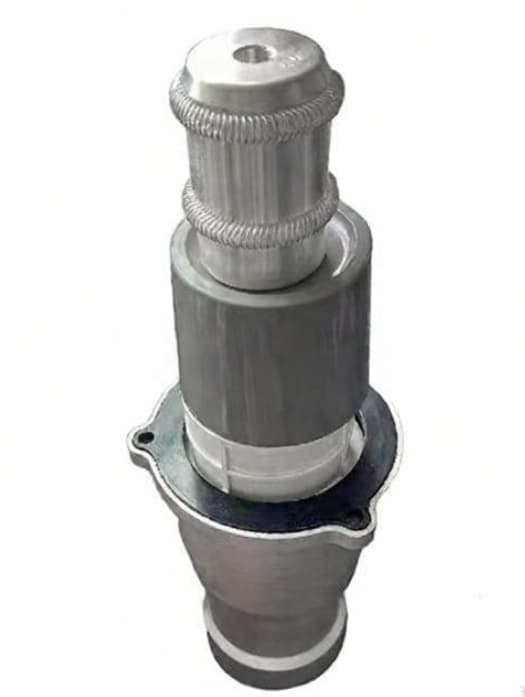
لماذا تختار محطة نظم المعلومات الجغرافية?
كما أصبحت المحطات الفرعية أكثر إحكاما, تعتمد المرافق بشكل متزايد على تكنولوجيا نظم المعلومات الجغرافية بسبب موثوقيتها العالية ومساحة التثبيت المنخفضة.
أ 33محطة GIS لكابل كيلو فولت يقدم العديد من المزايا:
- تركيب مدمج
- عزل كهربائي ممتاز
- مقاومة عالية للتلوث
- ختم مقاوم للرطوبة
- عمر خدمة طويل
- تكلفة صيانة منخفضة
- موثوقية تشغيلية عالية
- تطبيقات داخلية وخارجية آمنة
تنطبق هذه الفوائد أيضًا على 36محطة GIS لكابل كيلو فولت أنظمة.
إنشاء محطة GIS بكابل جهد 33 كيلو فولت
يتكون طرف كابل GIS من عدة مكونات مصممة بدقة تعمل معًا للتحكم في المجال الكهربائي وضمان التشغيل الآمن.
يشمل البناء النموذجي:
- مخروط الإجهاد
- جسم عازل من مطاط السيليكون
- طبقة موصلة
- موصل موصل من النحاس أو الألومنيوم
- عروة ضغط
- واجهة البرنامج المساعد لنظم المعلومات الجغرافية
- السكن المعدني
- حلقات الختم
- اتصال التأريض
- شفة التركيب
يتم تصنيع كل مكون بتفاوتات صارمة في الأبعاد لضمان الأداء الكهربائي طوال عمر المنتج.
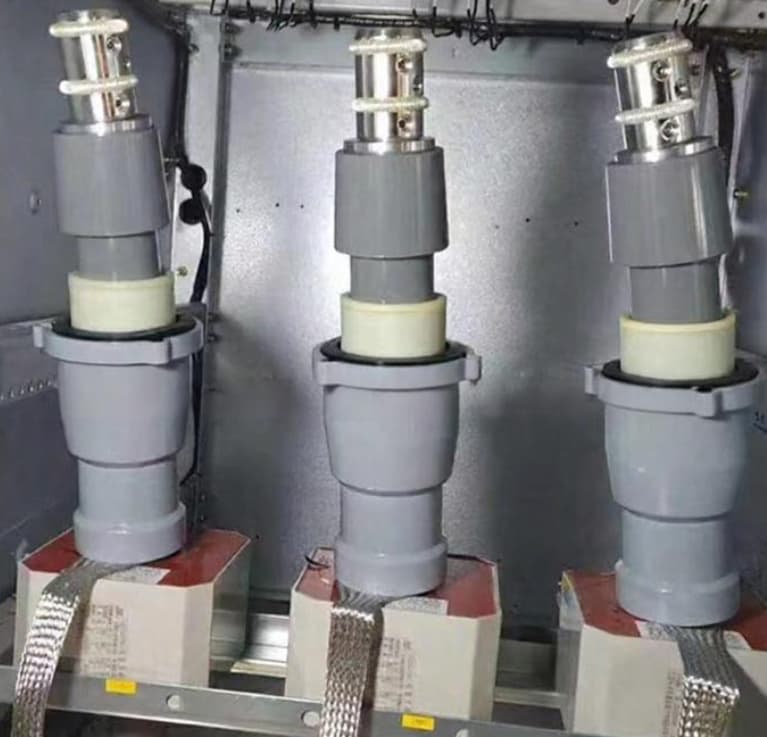
المكونات الرئيسية
مخروط الإجهاد السيليكون
مخروط الإجهاد هو قلب إنهاء نظم المعلومات الجغرافية. إنه يعيد توزيع المجال الكهربائي من عزل الكابل إلى جلبة GIS, منع الإجهاد الكهربائي الموضعي والتفريغ الجزئي.
جسم العزل
يوفر مطاط السيليكون عالي الجودة قوة عازلة متميزة, خصائص مسعور ممتازة, ومقاومة الأشعة فوق البنفسجية, الأوزون, والشيخوخة.
موصل
يقوم موصل الموصل بإنشاء اتصال كهربائي منخفض المقاومة بين موصل الكابل ومعدات GIS.
الإسكان المعدني
يحمي الغلاف العزل الداخلي من التلف الميكانيكي مع الحفاظ على التأريض المناسب.
نظام الختم
حلقات إغلاق متعددة تمنع الرطوبة, تراب, والملوثات من دخول حاوية نظم المعلومات الجغرافية.
مبدأ العمل
يقوم موصل الكابل بنقل الطاقة الكهربائية إلى نظام المعلومات الجغرافية من خلال موصل الموصل.
في أثناء:
- مخروط الإجهاد ينعم المجال الكهربائي,
- عزل السيليكون يعزل الجهد العالي,
- تتحكم الطبقة الموصلة في توزيع الجهد,
- يوفر العلبة المعدنية التدريع,
- نظام الختم يمنع دخول الرطوبة.
والنتيجة هي اتصال موثوق للغاية قادر على العمل بشكل مستمر لعقود من الزمن.
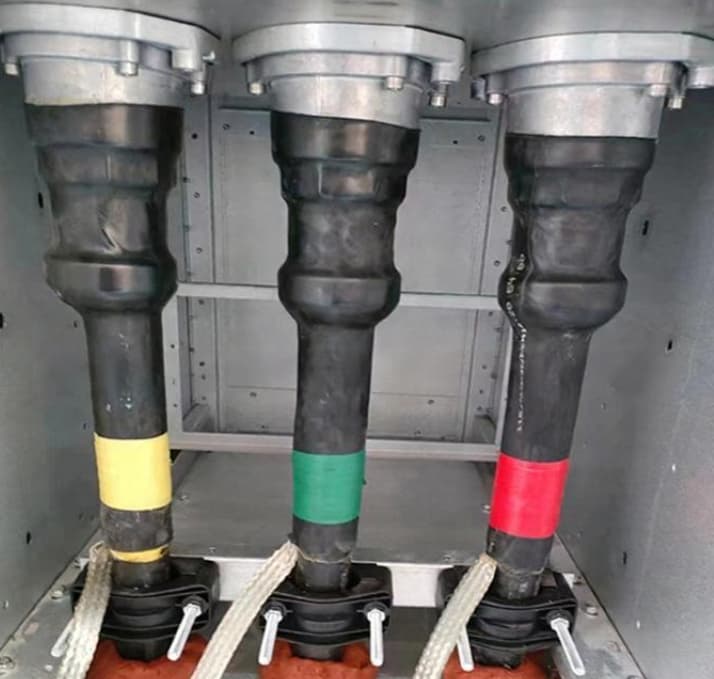
المواصفات الفنية النموذجية
تشمل القيم النموذجية:
| غرض | مواصفة |
|---|---|
| الجهد المقنن | 33كيلو فولت / 36كيلو فولت |
| الحد الأقصى لجهد النظام | 36كيلو فولت / 40.5كيلو فولت |
| تكرار | 50هرتز / 60هرتز |
| عازلة | مطاط السيليكون |
| نوع الكابل | XLPE |
| مادة الموصل | نحاس / الألومنيوم |
| حجم الموصل | 50-1000 ملم² |
| تثبيت | نظم المعلومات الجغرافية الداخلية |
| درجة الحرارة المحيطة | -40درجة مئوية إلى +55 درجة مئوية |
| حماية | IP67 (اعتمادا على التصميم) |
| خدمة الحياة | أكثر من 30 سنين |
التطبيقات
أ 33محطة GIS لكابل كيلو فولت يستخدم على نطاق واسع في:
- محطات فرعية المرافق
- مزارع الرياح
- محطات الطاقة الشمسية
- محطات الطاقة الكهرومائية
- النباتات الصناعية
- مرافق البتروكيماويات
- مراكز البيانات
- أنظمة الطاقة للسكك الحديدية
- توزيع كهرباء المترو
- عمليات التعدين
- المطارات
- مشاريع الشبكة الذكية
ال 36محطة GIS لكابل كيلو فولت يخدم نفس الصناعات التي تتطلب جهدًا أعلى قليلاً للنظام.
المزايا عبر إنهاءات كابل AIS
مقارنة مع المفاتيح الكهربائية المعزولة بالهواء (الجيش الإسلامي للإنقاذ), توفر نهايات كابلات GIS العديد من المزايا.
| محطة نظم المعلومات الجغرافية | إنهاء AIS |
|---|---|
| تصميم مدمج | مساحة تركيب أكبر |
| عزل أفضل | عزل الهواء المتأثر بالتلوث |
| ختم ممتاز | معرضة للبيئة |
| الحد الأدنى من الصيانة | صيانة أعلى |
| موثوقية عالية | أكثر حساسية للطقس |
| مناسبة لنظم المعلومات الجغرافية في الأماكن المغلقة | الاستخدام الخارجي بشكل رئيسي |
الأداء الكهربائي
تم تصميم نهايات كابلات GIS الحديثة لتحقيق خصائص كهربائية ممتازة, مشتمل:
- انخفاض مستوى التفريغ الجزئي
- توزيع المجال الكهربائي الموحد
- قوة عازلة عالية
- قدرة ممتازة على تحمل الاندفاع
- أداء حراري مستقر
- متفوقة مقاومة ماس كهربائى
- عمر عزل طويل
تضمن هذه الخصائص التشغيل المستقر في ظل الظروف الصعبة.
الأداء الميكانيكي
بالإضافة إلى الأداء الكهربائي, الموثوقية الميكانيكية لا تقل أهمية.
وتشمل الميزات الميكانيكية النموذجية:
- قوة الشد العالية
- مقاومة ممتازة للاهتزاز
- تركيب مرن
- أداء ختم قوي
- مقاومة التآكل
- مقاومة الزلازل
- استقرار الأبعاد على المدى الطويل
إجراءات التثبيت
التثبيت الصحيح ضروري لخدمة موثوقة.
تتضمن خطوات التثبيت النموذجية:
- تحضير نهاية الكابل.
- قم بإزالة الغلاف الخارجي.
- قم بتجريد العزل وفقًا لأبعاد الشركة المصنعة.
- قم بتثبيت موصل الموصل.
- جبل مخروط الإجهاد.
- تجميع الجسم العازل.
- قم بتوصيل النهاية بجلبة GIS.
- أحكم ربط جميع البراغي إلى عزم الدوران المحدد.
- قم بتوصيل نظام التأريض.
- إجراء الاختبار الكهربائي قبل التنشيط.
يجب أن يتم التثبيت دائمًا بواسطة فنيين مدربين باستخدام أدوات متخصصة.
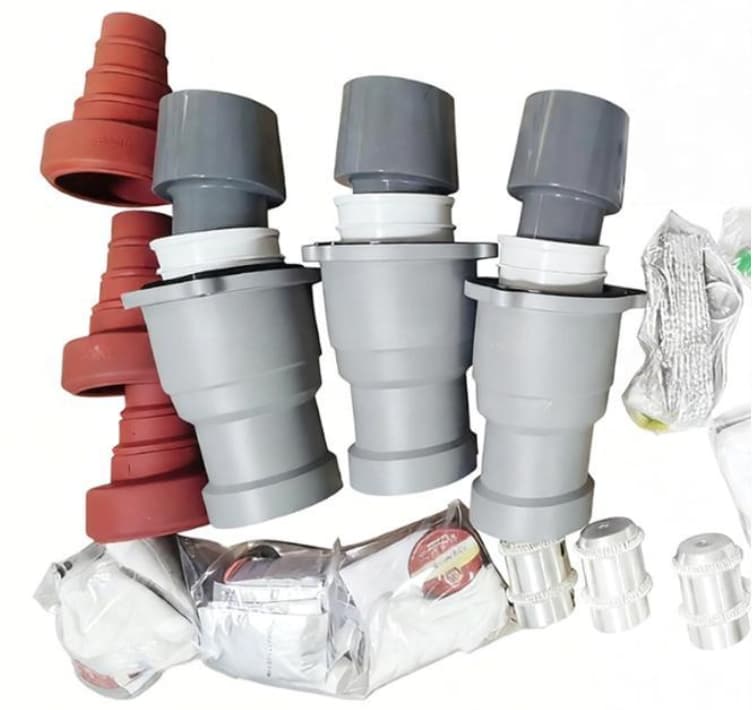
متطلبات الاختبار
قبل التكليف, كل 33محطة GIS لكابل كيلو فولت يجب أن تخضع لاختبارات شاملة.
تشمل الاختبارات النموذجية:
- التفتيش البصري
- فحص الأبعاد
- اختبار تحمل الجهد المتردد
- اختبار التفريغ الجزئي
- اختبار نبض البرق
- اختبار دورة التدفئة
- التحقق الميكانيكي
- اختبار ضيق
- اختبار مقاومة العزل
- قياس مقاومة الموصل
يضمن اختبار المصنع الروتيني أن كل إنهاء يلبي معايير الجودة المطلوبة.
المعايير المعمول بها
يتم تصنيع نهايات كابلات GIS عالية الجودة بشكل عام وفقًا للمعايير الدولية مثل:
- اللجنة الانتخابية المستقلة 60840
- اللجنة الانتخابية المستقلة 62271
- اللجنة الانتخابية المستقلة 60060
- اللجنة الانتخابية المستقلة 60270
- اللجنة الانتخابية المستقلة 60529
- اللجنة الانتخابية المستقلة 60228
- معايير معهد مهندسي الكهرباء والإلكترونيات (IEEE). (حيثما ينطبق ذلك)
ويضمن الامتثال لهذه المعايير سلامة المنتج وقابلية التشغيل البيني.
اختيار الطرف الصحيح لكابل GIS
عند اختيار أ 33محطة GIS لكابل كيلو فولت أو 36محطة GIS لكابل كيلو فولت, النظر في العوامل التالية:
- جهد النظام
- نوع عزل الكابل
- مادة موصلة
- المقطع العرضي للموصل
- الشركة المصنعة لمعدات نظم المعلومات الجغرافية
- أبعاد الواجهة
- بيئة التثبيت
- مستوى التلوث
- ارتفاع
- تصنيف ماس كهربائى
- درجة حرارة التشغيل
يضمن اختيار النموذج الصحيح الأداء الأمثل وعمر الخدمة الطويل.
توصيات الصيانة
على الرغم من أن إنهاء نظام المعلومات الجغرافية يتطلب القليل من الصيانة, تساعد عمليات التفتيش الدورية على تحقيق أقصى قدر من الموثوقية.
تشمل الصيانة الموصى بها:
- التفتيش البصري
- التحقق من الاتصال الأرضي
- فحص الختم
- تنظيف السطح
- مراقبة درجة الحرارة بالأشعة تحت الحمراء
- مراقبة التفريغ الجزئي
- فحص عزم الدوران
يمكن للصيانة الوقائية أن تقلل بشكل كبير من حالات انقطاع التيار الكهربائي غير المتوقعة.
الأسباب الشائعة للفشل
حالات الفشل غير شائعة ولكنها قد تنتج عن:
- التثبيت غير صحيح
- إعداد سيئ للكابل
- دخول الرطوبة
- الانحناء المفرط
- اتصالات موصل فضفاضة
- الضرر الميكانيكي
- تلوث
- عيوب التصنيع
- التحكم غير السليم في التوتر
إن اتباع تعليمات الشركة المصنعة يقلل بشكل كبير من هذه المخاطر.
لماذا يفضل مطاط السيليكون
تستخدم نهايات كابلات GIS الحديثة بشكل أساسي مطاط السيليكون لأنه يوفر:
- قوة عازلة عالية
- مرونة ممتازة
- متفوقة مسعور
- مقاومة للأشعة فوق البنفسجية
- مقاومة الأوزون
- مقاومة الشيخوخة
- نطاق درجة حرارة التشغيل واسعة
- أداء مستقر على المدى الطويل
تساهم هذه الخصائص في تجاوز عمر الخدمة 30 سنوات في ظل ظروف التشغيل العادية.
لماذا تختار دوسينس 33 كيلو فولت & 36محطات نظم المعلومات الجغرافية كابل كيلو فولت?
توفر DOSENSE نهايات كابلات GIS عالية الأداء مصممة لأنظمة الطاقة ذات الجهد المتوسط في جميع أنحاء العالم.
وتشمل المزايا لدينا:
- عزل سيليكون عالي الجودة
- التحكم الدقيق في المجال الكهربائي
- تصنيع متوافق مع IEC
- متوافق مع العلامات التجارية الكبرى لنظم المعلومات الجغرافية
- روتين المصنع واختبار النوع
- أداء الختم ممتاز
- تسليم سريع
- الدعم الهندسي الفني
- تصنيع المعدات الأصلية والحلول المخصصة
- تجربة مشروع عالمية موثوقة
سواء للمحطات الفرعية المرافق, مشاريع الطاقة المتجددة, أو المنشآت الصناعية, توفر نهايات كابل DOSENSE GIS أمانًا, مستقر, وأداء طويل الأمد.
الأسئلة المتداولة
ما هو الفرق بين محطة GIS بكابل 33 كيلو فولت و36 كيلو فولت?
تم تصميم محطة 33 كيلو فولت لأنظمة التوزيع 33 كيلو فولت, بينما يتم تصنيف محطة 36 كيلو فولت للأنظمة ذات جهد تشغيل أقصى يبلغ 36 كيلو فولت. بنائها مشابه, ولكن قد تختلف التقييمات الكهربائية ومتطلبات الواجهة.
هل يمكن تركيب محطات نظم المعلومات الجغرافية في الهواء الطلق?
وعادة ما تكون متصلة بمعدات نظم المعلومات الجغرافية الداخلية. يعتمد الاستخدام الخارجي على تصميم العلبة وحماية البيئة التي يوفرها التثبيت.
ما هي أنواع الكابلات المتوافقة?
معظم محطات GIS مناسبة لكابلات الطاقة ذات الموصلات النحاسية أو الألومنيوم المعزولة بـ XLPE.
ما هي مدة انتهاء كابل GIS؟?
مع التركيب والصيانة المناسبة, يمكن أن يعمل نظام GIS عالي الجودة بشكل موثوق لأكثر من 30 سنين.
ما أهمية اختبار التفريغ الجزئي؟?
يتحقق اختبار التفريغ الجزئي من سلامة العزل ويساعد في اكتشاف العيوب قبل وضع الجهاز في الخدمة, تحسين الموثوقية على المدى الطويل.
خاتمة
ال 33محطة GIS لكابل كيلو فولت و 36محطة GIS لكابل كيلو فولت تعتبر مكونات أساسية لتوصيل كابلات الطاقة ذات الجهد المتوسط بمجموعة المفاتيح الكهربائية المعزولة بالغاز بأمان وكفاءة. تصميمها المدمج, عزل السيليكون المتقدم, تحكم ممتاز في المجال الكهربائي, وعمر الخدمة الطويل يجعلها الحل المفضل للمحطات الفرعية الحديثة, منشآت الطاقة المتجددة, المرافق الصناعية, والبنية التحتية للشبكة الذكية. من خلال اختيار نهايات نظم المعلومات الجغرافية عالية الجودة المصنعة وفقًا للمعايير الدولية وضمان التثبيت والاختبار الصحيحين, يمكن للمرافق والمقاولين تحقيق موثوقة, صيانة منخفضة, وأنظمة نقل الطاقة طويلة الأمد.