
In offshore engineering, some components work quietly but carry enormous responsibility. The umbilical cable is one of them. It connects surface facilities to subsea equipment and keeps entire systems running smoothly beneath the ocean.
As offshore oil, غاز, and renewable energy projects move into deeper and more complex waters, operators rely heavily on dependable connections. لهذا السبب, ال umbilical cable has become a core part of modern subsea infrastructure.
لذا, what exactly is an umbilical cable, and why does it matter so much? Let’s take a closer look.
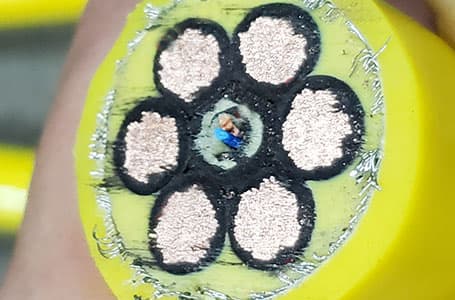
What Is an Umbilical Cable?
An umbilical cable is a multi-functional cable system that links offshore platforms or floating units to subsea equipment. It delivers power, transmits signals, carries hydraulic pressure, and injects chemicals—all through one integrated structure.
In simple terms, it acts like a lifeline. It allows engineers to control and monitor subsea systems from the surface without direct human intervention.
Unlike standard cables, an umbilical cable combines several elements into one compact design. نتيجة ل, operators reduce installation complexity and improve system efficiency at the same time.
Why Umbilical Cables Matter in Offshore Projects
Offshore operations face extreme conditions. Deep water, high pressure, and long distances make manual control impossible. لذلك, operators depend on remote systems.
Umbilical cables make this possible. They provide a continuous connection between topside facilities and subsea equipment. بدونهم, modern subsea production simply would not function.
علاوة على ذلك, these cables improve safety. Instead of sending personnel underwater, engineers can control valves, monitor performance, and adjust systems remotely.
فضلاً عن ذلك, umbilical cables support long-term operations. Many offshore fields run for decades, so reliable communication and control remain essential throughout the project lifecycle.
Main Components of an Umbilical Cable
An umbilical cable integrates several key components. Each one performs a specific function, and together they create a complete system.
Electrical Conductors
Electrical cores deliver power from the surface to subsea equipment. Manufacturers usually use copper because it offers excellent conductivity and stability.
في نفس الوقت, insulation materials such as XLPE or EPR protect the conductors. These materials ensure safe operation even under high voltage and harsh environmental conditions.
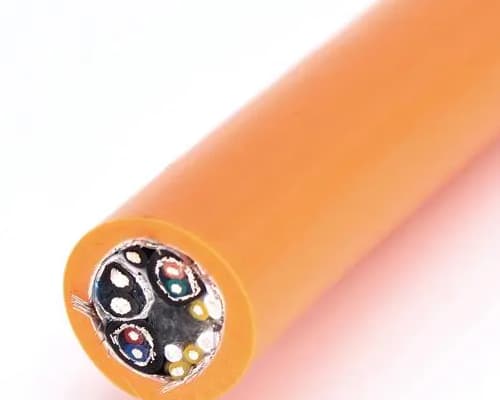
Optical Fibers
Optical fibers handle data transmission. They allow operators to monitor subsea systems in real time.
على سبيل المثال, sensors send information about temperature, ضغط, and flow conditions through fiber optics. نتيجة ل, operators can respond quickly to any changes.
To protect the fibers, manufacturers place them inside stainless steel tubes or reinforced buffers. This design prevents damage during installation and operation.
Hydraulic Tubes
Hydraulic tubes transmit fluid pressure. Engineers use this pressure to operate subsea valves and control systems.
عادة, these tubes use stainless steel or corrosion-resistant alloys. This choice ensures durability in seawater environments.
Chemical Injection Lines
Chemical lines deliver substances such as methanol or corrosion inhibitors. These chemicals prevent blockages and reduce equipment wear.
بالتالي, operators can maintain steady production and extend system lifespan.
أعضاء القوة
Umbilical cables must handle high mechanical loads, especially during installation. Strength members provide the necessary support.
Manufacturers often use steel wires or synthetic fibers like aramid. These materials improve tensile strength while maintaining flexibility.
الغلاف الخارجي
The outer sheath protects the entire structure. It resists seawater, abrasion, والأضرار الميكانيكية.
Common materials include polyethylene and polyurethane. These materials offer strong protection while keeping the cable lightweight.

Types of Umbilical Cables
Different offshore projects require different cable designs. لذلك, engineers classify umbilical cables into several types.
Static Umbilicals
Static umbilicals rest on the seabed and remain in a fixed position. Operators use them to connect subsea equipment to platforms or manifolds.
Because they do not move, designers focus on durability and long-term stability.
Dynamic Umbilicals
Dynamic umbilicals operate in environments where movement occurs. على سبيل المثال, floating production systems move with waves and currents.
نتيجة ل, these cables must handle constant motion. Engineers design them with high flexibility and fatigue resistance.
Steel Tube Umbilicals
Steel tube umbilicals include multiple metal tubes for hydraulic and chemical functions.
They perform well in deepwater applications because they offer strength, pressure resistance, and reliability.
Materials Used in Umbilical Cables
Material selection plays a major role in cable performance. Engineers choose materials based on environment, depth, and application.
على سبيل المثال:
- Copper provides efficient electrical conductivity
- Stainless steel resists corrosion in seawater
- XLPE and EPR ensure reliable insulation
- Polyethylene protects against external damage
- Aramid fibers improve tensile strength
By combining these materials, manufacturers create cables that perform well under extreme conditions.
Key Design Considerations
Designing an umbilical cable requires careful planning. Engineers must consider several important factors.
Water Depth
As water depth increases, pressure also rises. لذلك, cables must withstand higher mechanical and environmental stress.
Mechanical Stress
أثناء التثبيت, cables experience tension, bending, and twisting. لهذا السبب, engineers design structures that can handle these forces safely.
الظروف البيئية
Seawater, temperature changes, and marine activity all affect performance. بالتالي, protective layers and corrosion-resistant materials become essential.
Service Life
Most offshore projects require cables to last 20 سنوات أو أكثر. لذلك, long-term reliability remains a top priority.

Applications of Umbilical Cables
Umbilical cables support a wide range of offshore operations. They play a key role in:
- Offshore oil and gas production
- Subsea well control systems
- Floating production units (FPSO)
- Offshore wind energy projects
- Deep-sea exploration
In each case, the cable ensures smooth communication and control between surface and subsea systems.
Installation Process
Installing an umbilical cable requires precision and planning. Specialized vessels lay the cable along a predefined route.
في نفس الوقت, engineers control tension and positioning to prevent damage. After installation, teams test the system to confirm proper operation.
Because installation affects long-term performance, careful execution is essential.
Challenges in Umbilical Cable Systems
Despite their advantages, umbilical cables present several challenges.
أولاً, manufacturing costs remain high due to complex design and materials.
ثانية, installation requires specialized equipment and expertise.
فضلاً عن ذلك, maintenance can be difficult because of limited subsea access.
لكن, ongoing technological improvements continue to reduce these challenges.
Future Trends in Umbilical Cable Technology
The offshore industry continues to evolve, and umbilical cable technology is advancing alongside it.
على سبيل المثال, manufacturers now integrate more fiber optics to improve data transmission. في نفس الوقت, new materials reduce weight while maintaining strength.
علاوة على ذلك, digital monitoring systems help operators track cable performance in real time. نتيجة ل, companies can detect issues early and reduce downtime.
How to Choose the Right Umbilical Cable
Choosing the right umbilical cable depends on project requirements.
أولاً, define your operating environment, including water depth and temperature.
التالي, determine the required functions, such as power transmission or chemical injection.
ثم, evaluate material quality and design standards.
أخيراً, select a manufacturer with proven experience and strong technical support.
By following these steps, you can ensure reliable performance throughout the project lifecycle.
Final
Umbilical cables play a central role in modern offshore operations. They connect surface facilities with subsea equipment and enable safe, فعال, and long-term production.
As offshore projects become more complex, the importance of reliable cable systems continues to grow. لذلك, selecting the right design and manufacturer becomes a critical decision.
Recommended Manufacturer
If you are looking for a dependable partner, كابلان is a trusted subsea umbilical cable manufacturer in China.
DOS Cable focuses on delivering practical and reliable solutions for offshore projects. The company provides customized umbilical cable systems designed to meet specific technical requirements.
With solid manufacturing capabilities and international experience, DOS Cable supports clients across global markets. Whether for oil and gas or renewable energy projects, the company offers solutions that balance quality, أداء, والتكلفة.