
مقدمة
في عالم اليوم الرقمي, يرسل الأشخاص البيانات إلى جميع أنحاء العالم في ثوانٍ. رسائل البريد الإلكتروني, مكالمات الفيديو, المدفوعات عبر الإنترنت, والخدمات السحابية كلها تعتمد على تقنية رئيسية واحدة: ال كابل بحري. الكابل البحري هو كابل مادي يمتد على طول قاع المحيط ويربط البلدان والقارات.
على الرغم من أن الكثير من الناس يعتقدون أن الأقمار الصناعية تعمل على تشغيل الإنترنت, هذا ليس صحيحا. في الحقيقة, أكثر من 95% من حركة البيانات الدولية تنتقل عبر كابلات الاتصالات البحرية. نتيجة ل, تشكل الكابلات البحرية العمود الفقري الحقيقي للاتصالات العالمية.
سوف تتعلم ما هو الكابل البحري, كيف يعمل, ولماذا يهم. فضلاً عن ذلك, يشرح المقال أنواع الكابلات البحرية, بناء, تثبيت, المخاطر, التطبيقات, والاتجاهات المستقبلية بلغة بسيطة وواضحة.
ما هو الكابل البحري?
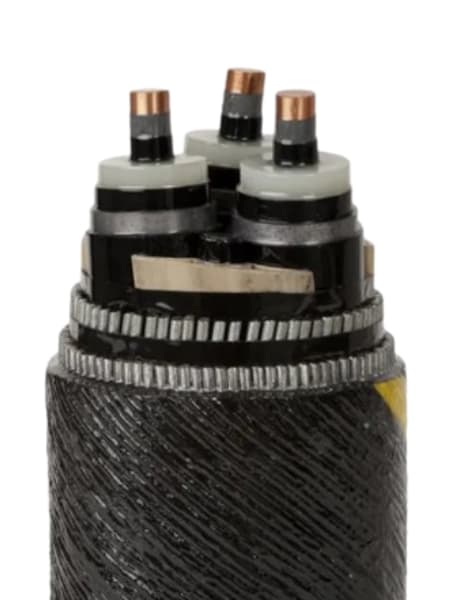
أ كابل بحري, ويسمى أيضا كابل تحت البحر أو كابل تحت سطح البحر, هو كابل يوضع في قاع البحر لنقل البيانات أو الكهرباء بين المواقع البرية. تحمل معظم الكابلات البحرية الحديثة إشارات الإنترنت والاتصالات باستخدام تقنية الألياف الضوئية.
يستخدم الأشخاص أيضًا المصطلحات التالية للكابلات البحرية:
- كابل الاتصالات البحرية
- كابل الألياف الضوئية تحت البحر
- كابل الاتصالات البحري
- كابل الألياف الضوئية البحري
- نظام الكابلات البحرية الدولية
رغم اختلاف الأسماء, يصفون عادة نفس النظام. تربط هذه الكابلات محطات الهبوط على الأرض وتسمح للبيانات بالتحرك بسرعة عبر المحيطات.
تاريخ قصير للكابلات البحرية
لفهم الكابلات البحرية اليوم, فهو يساعد على إلقاء نظرة على تاريخهم.
في 1851, قام المهندسون بوضع أول كابل تلغراف بحري ناجح عبر القناة الإنجليزية. بعد فترة وجيزة, حاولت الدول اتصالات أطول. في 1858, أول كابل عبر المحيط الأطلسي يربط أوروبا وأمريكا الشمالية. لكن, غالبًا ما كانت الكابلات المبكرة تفشل بسبب ضعف العزل وضعف قوة الإشارة.
لاحقاً, قام المهندسون بتحسين المواد وإضافة أجهزة إعادة الإرسال لتعزيز الإشارات. نتيجة ل, أصبحت الكابلات البحرية أكثر موثوقية.
في أواخر القرن العشرين, لقد غيرت تكنولوجيا الألياف الضوئية كل شيء. حلت كابلات الألياف الضوئية البحرية محل الكابلات النحاسية وزادت قدرتها آلاف المرات. اليوم, يمكن لكابل بحري واحد أن ينقل تيرابايت من البيانات في الثانية.
لماذا تعتبر الكابلات البحرية مهمة؟
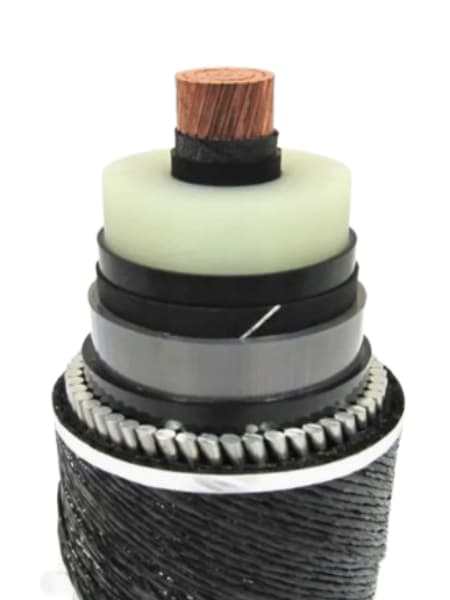
تلعب الكابلات البحرية دورًا حاسمًا في الحياة الحديثة. بدونهم, الاتصالات العالمية سوف تتباطأ أو تتوقف.
العمود الفقري للإنترنت العالمية
أولاً, تحمل الكابلات البحرية معظم حركة الإنترنت الدولية. بينما تساعد الأقمار الصناعية في المناطق النائية, ولا يمكنها مجاراة سرعة أو سعة كابلات الألياف الضوئية البحرية.
لأن الكابلات البحرية تستخدم الإشارات الضوئية, أنها توفر اتصالات سريعة ومستقرة. لذلك, يتمتع مستخدمو الإنترنت بزمن وصول منخفض وموثوقية عالية.
دعم الاقتصاد العالمي
فضلاً عن ذلك, تدعم الكابلات البحرية التجارة والتمويل الدوليين. البنوك, أسواق الأسهم, وتعتمد أنظمة الدفع على اتصالات البيانات السريعة. حتى التأخير البسيط يمكن أن يسبب خسائر مالية. نتيجة ل, تعتمد المؤسسات المالية بشكل كبير على شبكات الكابلات البحرية.
الحوسبة السحابية ومراكز البيانات
علاوة على ذلك, تعتمد الخدمات السحابية على الكابلات البحرية لربط مراكز البيانات في مختلف البلدان. بدون هذه الكابلات, لن تعمل الأنظمة الأساسية السحابية العالمية بشكل صحيح.
الأهمية الوطنية والاستراتيجية
أخيراً, تعتبر الحكومات أنظمة الكابلات البحرية بمثابة بنية تحتية حيوية. إنهم يحميونها وينظمونها لأن الأمن القومي والاستقرار الاقتصادي يعتمدان على الاتصال الموثوق.
أنواع الكابلات البحرية
تخدم الكابلات البحرية أغراضًا مختلفة. لذلك, يصنفها المهندسون إلى عدة أنواع.
كابلات الاتصالات البحرية
تنقل كابلات الاتصالات البحرية البيانات مثل حركة المرور على الإنترنت, المكالمات الصوتية, وإشارات الفيديو. اليوم, تستخدم جميع الأنظمة الجديدة تقريبًا تقنية الألياف الضوئية.
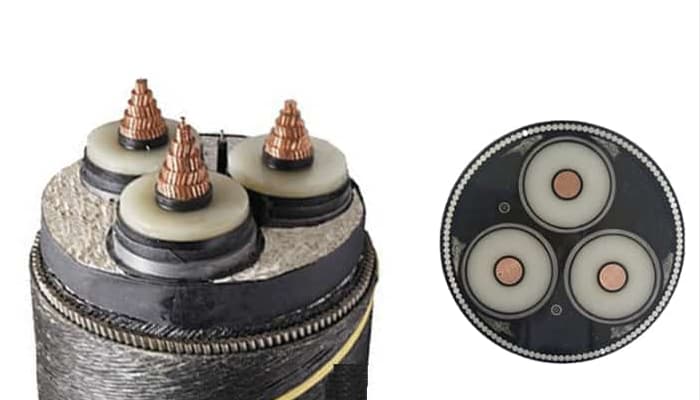
كابلات الطاقة البحرية
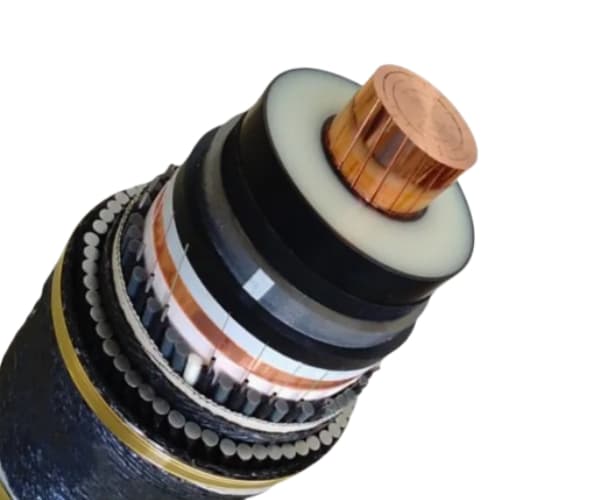
تحمل كابلات الطاقة البحرية الكهرباء عبر المياه. على سبيل المثال, فهي تربط الجزر بشبكات الطاقة في البر الرئيسي أو تربط مزارع الرياح البحرية بمحطات فرعية برية.
النحاس مقابل كابلات الألياف البصرية البحرية
في الماضي, تحمل الكابلات البحرية النحاسية إشارات كهربائية. لكن, كان لديهم قدرة منخفضة وفقدان إشارة عالية.
في المقابل, كابلات الألياف الضوئية البحرية نقل البيانات كالضوء. لذلك, أنها توفر عرض نطاق ترددي أعلى بكثير, مسافة أطول, وأداء أفضل. نتيجة ل, تهيمن أنظمة الألياف الضوئية على شبكات الكابلات البحرية الحديثة.
هيكل كابل الألياف البصرية المغمورة
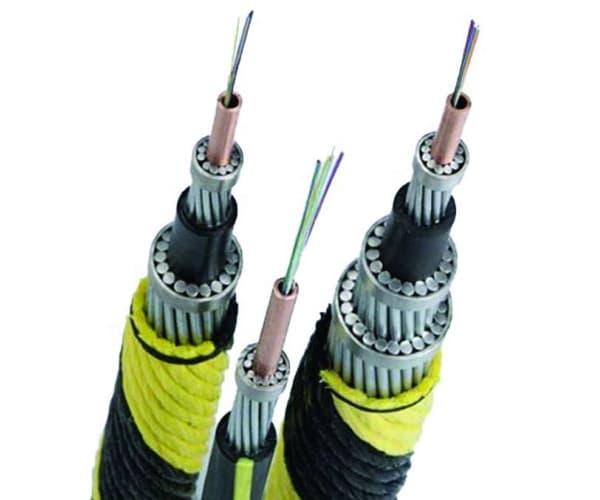
يحتوي كابل الألياف الضوئية البحري على طبقات متعددة. تخدم كل طبقة غرضًا محددًا وتحمي الكابل في ظروف المحيط القاسية.
الألياف الضوئية الأساسية
في وسط الكابل, تحمل الألياف الضوئية البيانات على شكل نبضات ضوئية. تستخدم هذه الألياف زجاجًا فائق النقاء لتقليل فقدان الإشارة.
أعضاء القوة
التالي, تحيط الأسلاك الفولاذية بنواة الألياف. توفر هذه الأسلاك القوة وتسمح للكابل بمقاومة التوتر أثناء التثبيت والتشغيل.
موصل الطاقة
فضلاً عن ذلك, يوفر موصل النحاس أو الألومنيوم الطاقة لأجهزة الراسبين على طول مسار الكابل.
طبقات العزل
طبقات العزل البلاستيكية تحمي الكابل من مياه البحر والأضرار الكهربائية. كما أنها تعمل على تحسين المتانة.
الدرع الخارجي
أخيراً, تشمل الكابلات الموجودة في المياه الضحلة دروعًا فولاذية. يحمي هذا الدرع الكابل من المراسي, شباك الصيد, وحركة قاع البحر.
كيف تعمل الكابلات البحرية
تستخدم كابلات الألياف الضوئية البحرية الضوء لنقل البيانات. تظل هذه العملية بسيطة ولكنها فعالة للغاية.
نقل البيانات
أولاً, تقوم أجهزة الإرسال بتحويل البيانات إلى إشارات ضوئية. تنتقل هذه الإشارات عبر الألياف الضوئية باستخدام الانعكاس داخل الزجاج.
تضخيم الإشارة
على مسافات طويلة, تضعف الإشارات الضوئية. لذلك, يقوم المهندسون بتثبيت أجهزة إعادة الإرسال الضوئية على طول الكابل. تقوم هذه المكررات بتضخيم الإشارة دون تحويلها مرة أخرى إلى كهرباء.
محطات الهبوط
على طرفي الكابل, تقوم محطات الهبوط بتوصيل الكابل البحري بالشبكات الأرضية. من هناك, تنتقل البيانات عبر شبكات الألياف الأرضية إلى المدن ومراكز البيانات.
عملية تركيب الكابلات البحرية
يتطلب تركيب كابل بحري تخطيطًا دقيقًا ومعدات متخصصة.
تخطيط الطريق والمسح
قبل التثبيت, تقوم فرق المسح برسم خريطة لقاع البحر. يحددون المخاطر مثل الجبال تحت الماء, خطوط الصدع, والأنشطة البشرية. نتيجة ل, يختار المهندسون الطريق الأكثر أمانًا والأكثر كفاءة.
تصنيع الكابلات
تقوم المصانع بتصنيع الكابلات البحرية على شكل مقاطع طويلة. ثم, تقوم أطقم العمل بلف الكابل داخل خزانات كبيرة على متن سفن مد الكابلات.
مد الكابلات في البحر
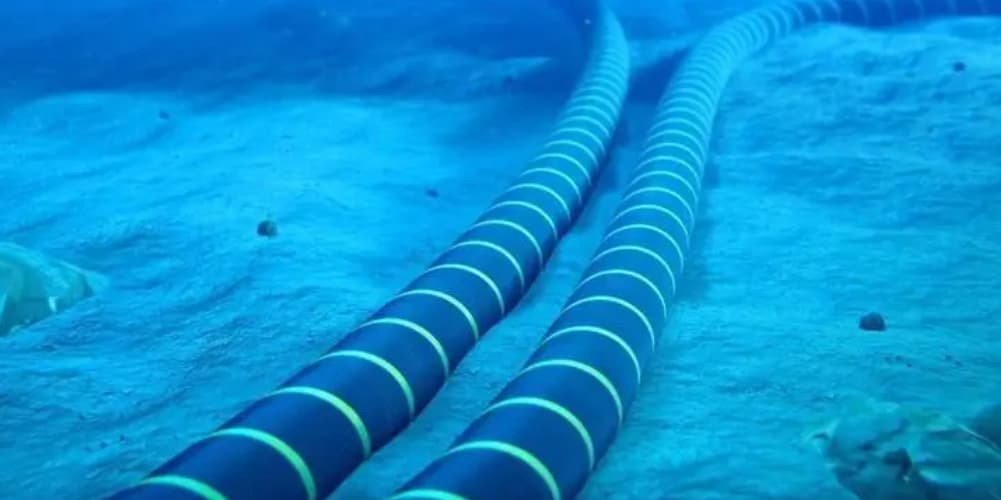
أثناء التثبيت, تقوم السفينة بتحرير الكابل ببطء على طول المسار المخطط له. في المياه العميقة, يقع الكابل على قاع البحر. لكن, في المناطق الضحلة, آلات دفن الكابل للحماية.
الهبوط على الشاطئ
يعد إنزال الكابل بالقرب من الساحل هو الخطوة الأكثر تعقيدًا. تعمل أطقم العمل مع السلطات المحلية والوكالات البيئية لإكمال هذه العملية بأمان.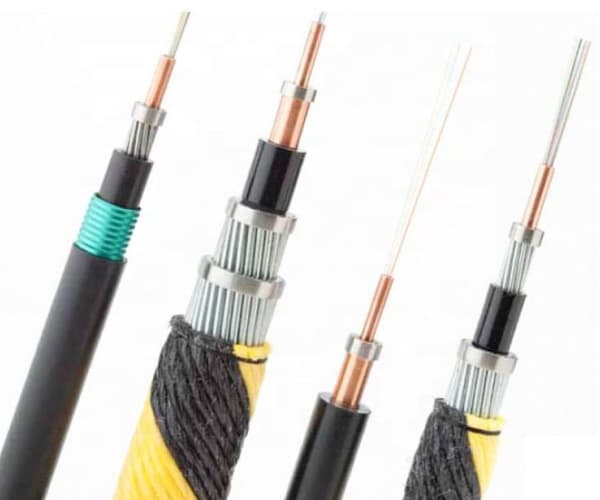
مخاطر وتحديات الكابلات البحرية
على الرغم من أن الكابلات البحرية موثوقة, يواجهون العديد من المخاطر.
الأنشطة الإنسانية
تتسبب معدات الصيد ومراسي السفن في معظم تلف الكابلات. لذلك, يقوم المشغلون بحماية كابلات المياه الضحلة بالدفن والدروع.
الكوارث الطبيعية
يمكن أن تؤدي الزلازل والانهيارات الأرضية تحت الماء إلى إتلاف مسارات الكابلات البحرية. ويزداد هذا الخطر في المناطق التكتونية.
تعقيد الإصلاح
عندما ينقطع الكابل, يجب على سفن الإصلاح تحديد موقع الجزء التالف ورفعه. هذه العملية تستغرق وقتا وتكلف المال. بالتالي, يمكن أن يستمر انقطاع التيار الكهربائي لأسابيع.
القضايا الجيوسياسية
الكابلات البحرية تعبر المياه الدولية. نتيجة ل, تؤثر المخاوف الأمنية والسياسية أحيانًا على طرق الكابلات والملكية.
مزايا كابلات الألياف الضوئية البحرية
على الرغم من هذه التحديات, توفر الكابلات البحرية مزايا كبيرة.
قدرة عالية
تحمل الأنظمة الحديثة كميات هائلة من البيانات. لذلك, فهي تلبي الطلب العالمي المتزايد.
الكمون المنخفض
تعمل مسارات الألياف المباشرة على تقليل التأخير. نتيجة ل, تعمل التطبيقات مثل مكالمات الفيديو والتداول عبر الإنترنت بسلاسة.
عمر خدمة طويل
تعمل معظم الكابلات البحرية 25 سنوات أو أكثر. التصميم المناسب يضمن الموثوقية على المدى الطويل.
كفاءة التكلفة
على الرغم من أن تكاليف التثبيت مرتفعة, توفر الكابلات البحرية تكلفة منخفضة لكل وحدة بيانات مع مرور الوقت.
الكابلات البحرية مقابل الاتصالات عبر الأقمار الصناعية
تخدم الكابلات البحرية والأقمار الصناعية احتياجات مختلفة.
- توفر الكابلات البحرية سرعة عالية وزمن وصول منخفض.
- توفر الأقمار الصناعية تغطية واسعة ولكن تأخيرًا أعلى.
لذلك, تتعامل كابلات الاتصالات البحرية مع معظم حركة المرور الدولية, بينما تدعم الأقمار الصناعية الخدمات عن بعد والنسخ الاحتياطي.
تطبيقات الكابلات البحرية
تدعم الكابلات البحرية العديد من الصناعات.
الانترنت والاتصالات
أنها تمكن الوصول إلى الإنترنت الدولي, المكالمات الصوتية, وخدمات البث.
تمويل
تعتمد البنوك وأسواق الأوراق المالية على الاتصالات السريعة تحت سطح البحر.
قطاع الطاقة
تربط كابلات الطاقة البحرية مشاريع الطاقة البحرية بالأرض.
الحكومة والدفاع
غالبًا ما تستخدم أنظمة الاتصالات الآمنة شبكات الكابلات البحرية المخصصة.
تأثير بيئي
تتبع مشاريع الكابلات البحرية الحديثة قواعد بيئية صارمة.
- يتجنب المهندسون الموائل الحساسة.
- التثبيت يسبب إزعاجا محدودا.
- ويظل التأثير على المدى الطويل في حده الأدنى.
نتيجة ل, تتعايش الكابلات البحرية بشكل جيد مع النظم البيئية البحرية.
الاتجاهات المستقبلية في أنظمة الكابلات البحرية
يستمر الطلب العالمي على البيانات في الارتفاع. لذلك, تستمر تكنولوجيا الكابلات البحرية في التطور.
كابلات ذات سعة أعلى
تتضمن التصميمات الجديدة المزيد من أزواج الألياف وطرق النقل المتقدمة.
شبكات الكابلات الخاصة
تقوم شركات التكنولوجيا الكبرى الآن ببناء كابلات بحرية خاصة لدعم الخدمات السحابية.
تحسين الرصد
تساعد أنظمة المراقبة في الوقت الفعلي على اكتشاف الأخطاء بشكل أسرع وتحسين الأمان.
الكابل البحري
أ كابل بحري تعتبر من أهم التقنيات في العالم الحديث. فهو يربط القارات, يدعم الإنترنت العالمي, وقوى الاتصالات الدولية. على الرغم من أن الناس نادرا ما يرون هذه الكابلات, الحياة اليومية تعتمد عليهم.
مع نمو الطلب على البيانات, ستظل كابلات الاتصالات البحرية ضرورية. من خلال الابتكار والتخطيط الدقيق, وستستمر هذه الشبكات الموجودة تحت سطح البحر في ربط العالم لعقود قادمة.
يرجى الاتصال بنا للحصول على الشركة المصنعة للكابلات البحرية!