
আবাসিক জন্য বৈদ্যুতিক তারের নির্বাচন করার সময়, শিল্প, স্বয়ংচালিত, সামুদ্রিক, বা সৌর শক্তি সিস্টেম, তারের আকার নিরাপত্তা এবং কর্মক্ষমতা একটি প্রধান ভূমিকা পালন করে. ইলেকট্রিশিয়ান এবং ইঞ্জিনিয়ারদের সবচেয়ে সাধারণ প্রশ্নগুলির মধ্যে একটি হল: "এর মধ্যে পার্থক্য কি 1 AWG এবং 1/0 AWG?”
প্রথম নজরে, the naming system seems confusing because many people assume that 1 AWG এবং 1/0 AWG are almost identical. তবে, the difference is actually significant. In the American Wire Gauge system, 1/0 AWG is larger than 1 AWG.
The complete difference between 1 AWG এবং 1/0 AWG, including wire diameter, প্রশস্ততা, resistance, voltage drop, অ্যাপ্লিকেশন, নমনীয়তা, এবং খরচ. By the end, you will clearly understand which cable size is better for your project.
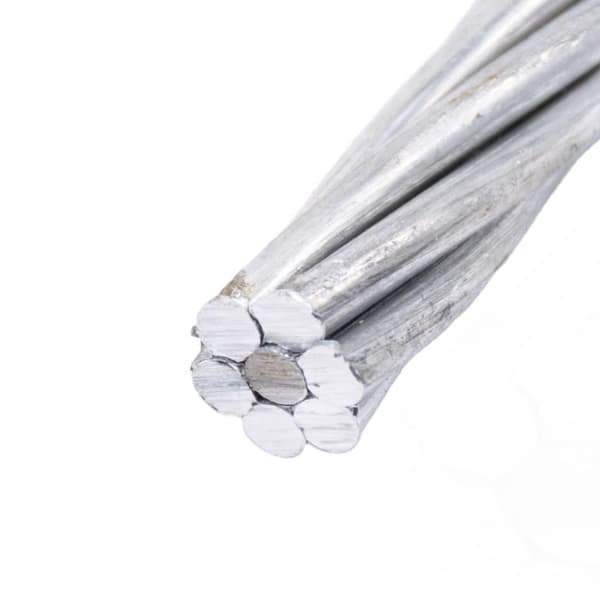
Understanding the AWG Wire System
AWG হল আমেরিকান ওয়্যার গেজ, a standard wire sizing system used primarily in North America. The AWG system works differently from metric cable sizing because smaller gauge numbers indicate larger conductors.
যেমন:
- 10 AWG is larger than 12 AWG
- 4 AWG is larger than 6 AWG
- 1 AWG is smaller than 1/0 AWG
After 1 AWG, the sizing continues into “aught” sizes:
- 1/0 AWG (one aught)
- 2/0 AWG
- 3/0 AWG
- 4/0 AWG
অতএব, 1/0 AWG is the next larger size after 1 AWG.
Many beginners misunderstand this point when selecting battery cables, solar cables, or industrial power conductors.
What Is 1 AWG Wire?
1 AWG wire is a heavy-duty conductor commonly used in medium-to-high current electrical systems. It provides strong current carrying capability while remaining easier to install than larger cables.
সাধারণ অ্যাপ্লিকেশন অন্তর্ভুক্ত:
- Solar battery systems
- Automotive battery cables
- Marine wiring
- Industrial grounding
- Inverter connections
- RV electrical systems
Because of its balance between performance and flexibility, 1 AWG is one of the most popular large conductor sizes.
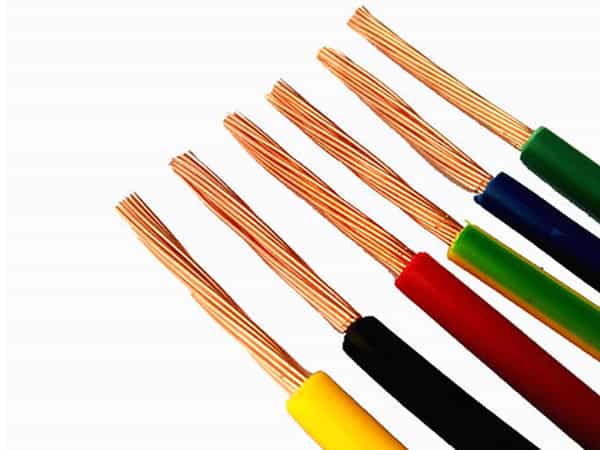
Typical Specifications of 1 AWG
| প্যারামিটার | মান |
|---|---|
| ব্যাস | 7.35 মিমি |
| Cross-sectional Area | 42.4 মিমি² |
| Resistance | 0.4066 Ω/1000 ft |
| টিপিক্যাল এম্প্যাসিটি | 130–150A |
| নমনীয়তা | ভাল |
The actual ampacity depends on installation conditions and insulation type.
What Is 1/0 AWG Wire?
1/0 AWG wire, also called “one aught,” is a larger conductor designed for higher power applications. It contains more copper or aluminum, allowing it to carry greater electrical current with lower resistance.
It is commonly used in:
- Main power feeders
- Industrial motors
- Large battery banks
- EV charging systems
- Welding equipment
- High-power inverters
Compared with 1 AWG, 1/0 AWG delivers better electrical efficiency, especially over longer distances.
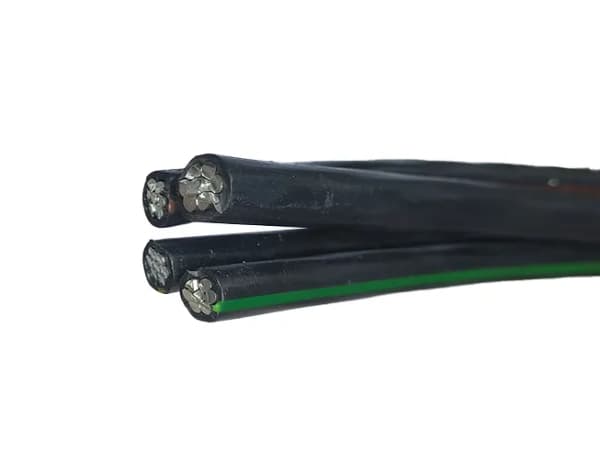
Typical Specifications of 1/0 AWG
| প্যারামিটার | মান |
| ব্যাস | 8.25 মিমি |
| Cross-sectional Area | 53.5 মিমি² |
| Resistance | 0.321 Ω/1000 ft |
| টিপিক্যাল এম্প্যাসিটি | 150–170A |
| নমনীয়তা | পরিমিত |
The Main Difference Between 1 AWG এবং 1/0 AWG
The biggest difference is conductor size.
Although the physical size difference appears small, electrically it is very important.
Compared with 1 AWG, 1/0 AWG offers:
- Higher current carrying capacity
- Lower resistance
- Lower voltage drop
- ভাল দক্ষতা
- Improved thermal performance
তবে, 1/0 AWG also:
- Costs more
- Weighs more
- Requires larger connectors
- Is harder to bend
Choosing between them depends on the electrical load and installation environment.
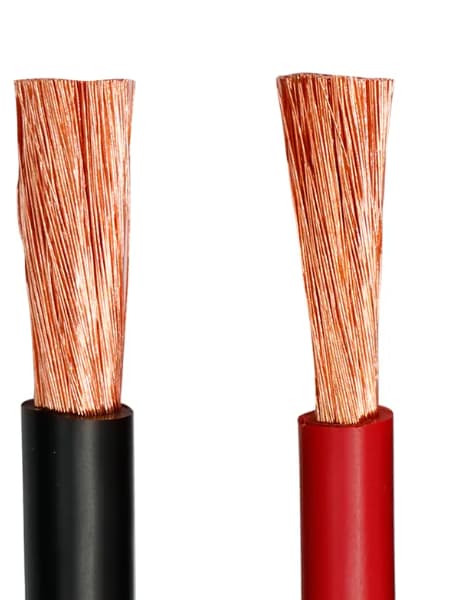
Size Comparison Between 1 AWG এবং 1/0 AWG
Many people underestimate how much larger 1/0 AWG actually is.
| Wire Size | ব্যাস |
| 1 AWG | 7.35 মিমি |
| 1/0 AWG | 8.25 মিমি |
Although the diameter increases by less than 1 মিমি, the conductor cross-sectional area increases dramatically.
Cross-Sectional Area Comparison
| Wire Size | এলাকা |
| 1 AWG | 42.4 মিমি² |
| 1/0 AWG | 53.5 মিমি² |
This means 1/0 AWG has approximately 26% more conductor material than 1 AWG.
That extra conductor area greatly improves electrical performance.
Ampacity Differences
Ampacity refers to the maximum electrical current a conductor can safely carry without overheating.
1 AWG Ampacity
Typical copper ampacity:
- 130A to 150A
Typical aluminum ampacity:
- 100A to 120A
1/0 AWG Ampacity
Typical copper ampacity:
- 150A to 170A
Typical aluminum ampacity:
- 120A to 150A
The exact ampacity depends on several factors:
- পরিবেষ্টিত তাপমাত্রা
- Cable insulation
- ইনস্টলেশন পদ্ধতি
- Number of bundled conductors
- Local electrical code
Voltage Drop Comparison
Voltage drop becomes extremely important in long cable runs.
কারণ 1/0 AWG has lower resistance, it experiences less voltage loss over distance.
Why Voltage Drop Matters
Excessive voltage drop can cause:
- Reduced equipment efficiency
- Motor overheating
- Inverter shutdown
- Battery charging problems
- Energy loss
অতএব, many engineers select 1/0 AWG for high-current systems with long cable lengths.
Example of Voltage Drop
Suppose an electrical system operates at:
- 150 amps
- 100 feet cable length
Using 1 AWG may result in noticeably higher voltage drop.
Using 1/0 AWG can reduce voltage drop by approximately 20–25%.
This improvement is important in:
- Solar systems
- Marine power systems
- Industrial machinery
- Battery banks
Resistance Comparison
Lower resistance improves electrical efficiency.
| Wire Size | Resistance per 1000 ft |
| 1 AWG | 0.4066 Ω |
| 1/0 AWG | 0.321 Ω |
Lower resistance means:
- Less heat generation
- Reduced power loss
- Better voltage stability
- Longer cable life
For high-current applications, lower resistance is extremely beneficial.
Weight Differences
Since 1/0 AWG contains more conductor material, it is significantly heavier.
This affects:
- Shipping cost
- Cable tray loading
- Installation labor
- Handling difficulty
In large industrial projects, cable weight becomes a major engineering consideration.
Flexibility and Installation
1 AWG is generally easier to install.
It bends more easily and requires less installation space.
1/0 AWG is:
- Stiffer
- ভারী
- Harder to route
- More difficult in tight spaces
অতএব, installers often prefer 1 AWG when space is limited.
তবে, fine-stranded flexible cable designs can improve flexibility considerably.
Cost Difference Between 1 AWG এবং 1/0 AWG
Larger cables require more conductor material, so 1/0 AWG is more expensive.
The price difference depends on:
- Copper market prices
- Aluminum prices
- Cable brand
- নিরোধক প্রকার
- Stranding design
In general:
1/0 AWG costs approximately 15–30% more than 1 AWG.
Copper conductor versions are significantly more expensive than aluminum versions.
Copper vs Aluminum Versions
Both 1 AWG এবং 1/0 AWG are available in copper and aluminum.
Copper Advantages
- উচ্চ পরিবাহিতা
- Better flexibility
- ভাল জারা প্রতিরোধের
- Smaller diameter
Aluminum Advantages
- কম খরচে
- Lighter weight
- সহজ পরিবহন
তবে, aluminum conductors require:
- Larger conductor size
- Proper termination methods
- Anti-oxidation compounds
Copper remains the preferred choice for critical high-performance systems.
Common Applications for 1 AWG
1 AWG is widely used in medium-current applications.
Typical Uses
- RV power systems
- Solar battery connections
- Marine battery cables
- Automotive upgrades
- Industrial grounding
- Small inverter systems
It offers an excellent balance between performance, নমনীয়তা, এবং খরচ.
Common Applications for 1/0 AWG
1/0 AWG is preferred for demanding high-current installations.
Typical Uses
- Main service feeders
- Industrial equipment
- High-power solar inverters
- EV charging systems
- Large battery banks
- Welding machines
The larger conductor improves reliability under heavy electrical loads.
Which Cable Is Better for Solar Systems?
Both wire sizes can work well in solar applications.
Choose 1 AWG When
- Current is below 150A
- Cable runs are short
- Installation space is limited
- Budget is important
Choose 1/0 AWG When
- Current exceeds 150A
- Cable distance is long
- Voltage drop must be minimized
- System expansion is expected
Many off-grid solar systems use 1/0 AWG for battery interconnections because of the high current involved.
Which Cable Is Better for Car Audio?
Car audio systems often require large conductors because amplifiers draw substantial current.
1 AWG Works Well For
- Medium amplifier systems
- Lower power installations
- Short cable runs
1/0 AWG Works Better For
- High-power amplifiers
- Multiple amplifier setups
- Systems above 2000W
Many professional car audio installers recommend 1/0 AWG for future upgrade flexibility.
Marine and RV Applications
Marine and RV systems often experience high startup currents and long cable runs.
In these environments:
- Voltage stability is critical
- Corrosion resistance matters
- Reliability is essential
1/0 AWG is commonly selected for larger systems because of its lower voltage drop.
তবে, 1 AWG remains popular in smaller RV and marine installations.
Can 1 AWG Replace 1/0 AWG?
Sometimes it can, but not always safely.
Using a smaller conductor may lead to:
- অতিরিক্ত উত্তাপ
- Excessive voltage drop
- Reduced efficiency
- Fire hazards
Always verify:
- Electrical code requirements
- Ampacity calculations
- পরিবেশগত অবস্থা
- System load
Never undersize cables in high-current applications.
Can 1/0 AWG Replace 1 AWG?
হ্যাঁ.
Using a larger conductor is generally safe.
সুবিধা অন্তর্ভুক্ত:
- Lower resistance
- Reduced heat
- ভাল দক্ষতা
- Future expansion capability
তবে, oversized cables increase:
- ইনস্টলেশন অসুবিধা
- খরচ
- Connector size requirements
Understanding the Term “One Aught”
Electricians commonly refer to 1/0 AWG as:
“One aught”
একইভাবে:
- 2/0 AWG = two aught
- 3/0 AWG = three aught
- 4/0 AWG = four aught
This terminology is standard in North America.
NEC and Electrical Code Considerations
The National Electrical Code (NEC) provides rules for:
- প্রশস্ততা
- Temperature correction
- Conductor sizing
- ইনস্টলেশন পদ্ধতি
Proper cable selection should never rely solely on online charts.
Professional engineering evaluation is recommended for:
- শিল্প ব্যবস্থা
- Utility projects
- High-current installations
- পুনর্নবীকরণযোগ্য শক্তি সিস্টেম
Temperature Rating and Insulation
Cable insulation greatly affects allowable ampacity.
Common insulation types include:
- THHN
- এক্সএলপিই
- XHHW
- পিভিসি
- EPDM
Higher temperature ratings allow cables to carry more current safely.
সাধারণ তাপমাত্রা রেটিং অন্তর্ভুক্ত:
- 60°সে
- 75°সে
- 90°সে
Stranded vs Solid Conductors
Both 1 AWG এবং 1/0 AWG can be manufactured as:
- Solid conductors
- Stranded conductors
Stranded Conductors
সুবিধা:
- Better flexibility
- আরও সহজ ইনস্টলেশন
- Better vibration resistance
মধ্যে সাধারণ:
- Battery cables
- Marine wiring
- Welding cables
Solid Conductors
সুবিধা:
- কম খরচে
- Simpler construction
Typically used in fixed installations.
How to Choose Between 1 AWG এবং 1/0 AWG
The correct cable size depends on several factors.
Current Requirements
Higher current usually requires 1/0 AWG.
Cable Distance
Longer cable runs benefit from larger conductors.
বাজেট
1 AWG is more economical.
Installation Space
Smaller spaces favor 1 AWG.
Future Expansion
1/0 AWG may prevent future cable upgrades.
Always consider long-term system performance rather than only initial cost.
Quick Comparison Table
| বৈশিষ্ট্য | 1 AWG | 1/0 AWG |
| ব্যাস | ছোট | আরও বড় |
| প্রশস্ততা | নিম্ন | উচ্চতর |
| Resistance | উচ্চতর | নিম্ন |
| Voltage Drop | উচ্চতর | নিম্ন |
| নমনীয়তা | Better | Reduced |
| ওজন | লাইটার | ভারী |
| খরচ | নিম্ন | উচ্চতর |
| প্রধান ব্যবহার | মাঝারি স্রোত | High current |
Final Thoughts
মধ্যে পার্থক্য বোঝা 1 AWG এবং 1/0 AWG is essential for safe and efficient electrical system design.
Although the naming system can seem confusing at first, remember this important rule:
1/0 AWG is larger than 1 AWG.
Because of its larger conductor size, 1/0 AWG provides:
- Higher ampacity
- Lower resistance
- ভাল দক্ষতা
- Reduced voltage drop
এদিকে, 1 AWG offers:
- কম খরচে
- আরও সহজ ইনস্টলেশন
- Better flexibility
The best choice depends on your specific application, electrical load, ইনস্টলেশন পরিবেশ, and future expansion plans from তারের প্রস্তুতকারক.
For critical power systems, consulting a licensed electrician or electrical engineer is always recommended.