
115kV XLPE তারের পরিচিতি
আধুনিক বৈদ্যুতিক অবকাঠামো নির্ভরযোগ্য প্রয়োজন, দক্ষ, এবং দীর্ঘস্থায়ী পাওয়ার ট্রান্সমিশন সিস্টেম. শহরগুলির সম্প্রসারণ অব্যাহত থাকায় এবং নবায়নযোগ্য শক্তি প্রকল্পগুলি বিশ্বব্যাপী বৃদ্ধি পাচ্ছে, ভূগর্ভস্থ উচ্চ-ভোল্টেজ তারের সিস্টেম আগের চেয়ে আরও গুরুত্বপূর্ণ হয়ে উঠেছে. এই সমাধানগুলির মধ্যে, 115kV XLPE তারের চমৎকার বৈদ্যুতিক কর্মক্ষমতা এবং কর্মক্ষম স্থিতিশীলতার জন্য ব্যাপকভাবে স্বীকৃত.
ঐতিহ্যগত কাগজ-অন্তরক বা তেল-ভরা তারের বিপরীতে, এক্সএলপিই ইনসুলেটেড তারগুলি আরও ভাল তাপ প্রতিরোধের প্রদান করে, নিম্ন রক্ষণাবেক্ষণের প্রয়োজনীয়তা, এবং উন্নত পরিবেশগত সুরক্ষা. ফলে, ইউটিলিটি কোম্পানি, ইপিসি ঠিকাদার, পুনর্নবীকরণযোগ্য শক্তি বিকাশকারীরা, এবং শিল্প সুবিধাগুলি মাঝারি এবং উচ্চ-ক্ষমতার ট্রান্সমিশন নেটওয়ার্কগুলির জন্য ক্রমবর্ধমানভাবে 115kV XLPE তারগুলি বেছে নেয়.
অনেক দেশে, ভূগর্ভস্থ ট্রান্সমিশন প্রকল্পগুলি শহুরে পরিবেশে ওভারহেড লাইনগুলি প্রতিস্থাপন করছে. ফলে, উচ্চ-মানের 115kV XLPE কেবল সিস্টেমের চাহিদা দ্রুত বৃদ্ধি পাচ্ছে.
একটি 115kV XLPE কেবল কি??
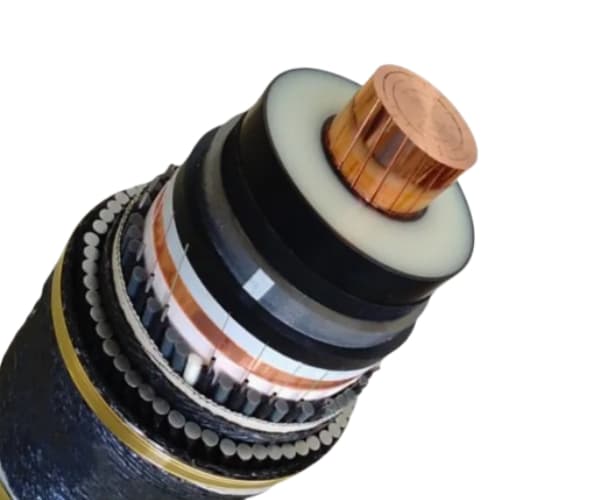
একটি 115kV XLPE কেবল হল একটি উচ্চ-ভোল্টেজ পাওয়ার তার যা ক্রস-লিঙ্কযুক্ত পলিথিন উপাদানের সাথে উত্তাপযুক্ত. তারেরটি 69/115kV বা 64/110kV ভোল্টেজ ক্লাসে চালিত বৈদ্যুতিক ট্রান্সমিশন সিস্টেমের জন্য ডিজাইন করা হয়েছে.
কারণ XLPE নিরোধকের চমৎকার অস্তরক বৈশিষ্ট্য রয়েছে, এটি উচ্চ বৈদ্যুতিক চাপের অবস্থার অধীনে দক্ষতার সাথে সঞ্চালিত হয়. উপরন্তু, উপাদান আর্দ্রতা উচ্চতর প্রতিরোধের প্রদান করে, তাপ বার্ধক্য, এবং রাসায়নিক ক্ষয়.
আজ, 115kV XLPE তারগুলি সাধারণত ইনস্টল করা হয়:
- শহুরে ভূগর্ভস্থ ট্রান্সমিশন সিস্টেম
- নবায়নযোগ্য শক্তি প্রকল্প
- শিল্প সাবস্টেশন
- রেলওয়ে বিদ্যুতায়ন ব্যবস্থা
- বিমানবন্দর অবকাঠামো
- খনির কার্যক্রম
- তেল ও গ্যাস সুবিধা
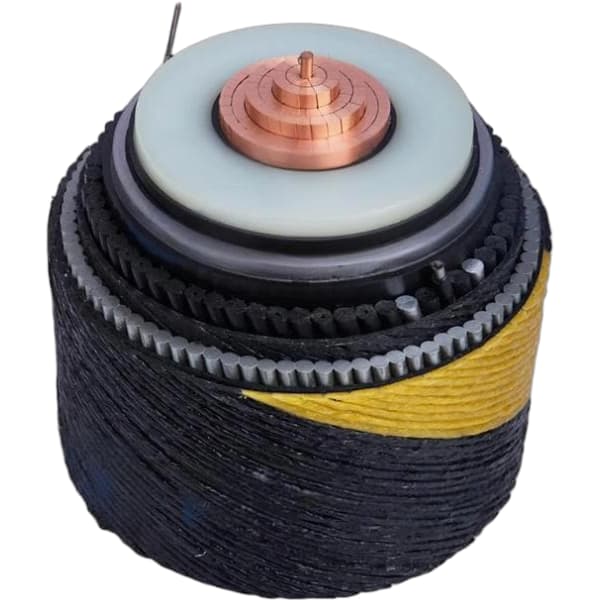
115kV XLPE তারের প্রধান কাঠামো
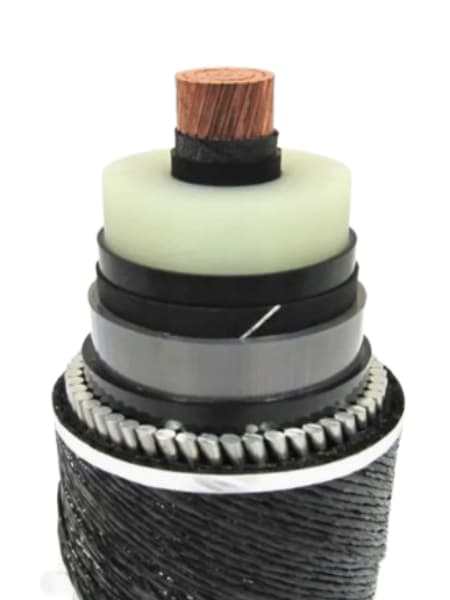
একটি আধুনিক উচ্চ-ভোল্টেজ তারের মধ্যে বেশ কয়েকটি সাবধানে ইঞ্জিন করা স্তর রয়েছে. প্রতিটি স্তর একটি নির্দিষ্ট বৈদ্যুতিক বা যান্ত্রিক ফাংশন সম্পাদন করে.
সাধারণ তারের নির্মাণ
| কম্পোনেন্ট | প্রধান ফাংশন |
|---|---|
| কন্ডাক্টর | বৈদ্যুতিক প্রবাহ বহন করে |
| কন্ডাক্টর স্ক্রিন | বৈদ্যুতিক চাপ নিয়ন্ত্রণ করে |
| XLPE নিরোধক | প্রধান অস্তরক নিরোধক |
| নিরোধক পর্দা | অভিন্ন বৈদ্যুতিক ক্ষেত্রের বিতরণ |
| ধাতব পর্দা | ফল্ট বর্তমান রিটার্ন পাথ |
| জল ব্লকিং স্তর | পানি প্রবেশ রোধ করে |
| বেডিং লেয়ার | যান্ত্রিক কুশনিং |
| আর্মারিং | যান্ত্রিক সুরক্ষা |
| বাইরের খাপ | পরিবেশ সুরক্ষা |
উপরন্তু, নির্মাতারা ইনস্টলেশন শর্ত এবং গ্রাহকের প্রয়োজনীয়তার উপর নির্ভর করে কাঠামো কাস্টমাইজ করতে পারে.
115kV XLPE কেবলের সুবিধা
চমৎকার তাপ কর্মক্ষমতা
XLPE নিরোধক তারের উচ্চ তাপমাত্রায় নিরাপদে কাজ করার অনুমতি দেয়.
সাধারণ তাপমাত্রা রেটিং অন্তর্ভুক্ত:
| অপারেটিং অবস্থা | তাপমাত্রা |
|---|---|
| স্বাভাবিক অপারেশন | 90°সে |
| জরুরী ওভারলোড | 130°সে |
| শর্ট সার্কিট | 250°সে |
অতএব, XLPE তারগুলি অনেক প্রচলিত তারের সিস্টেমের চেয়ে বেশি কারেন্ট প্রেরণ করতে পারে.
নিম্ন বৈদ্যুতিক ক্ষতি
XLPE নিরোধকের অস্তরক ক্ষতি তুলনামূলকভাবে কম. ফলে, দীর্ঘ-দূরত্বের পাওয়ার নেটওয়ার্কগুলিতে সংক্রমণ দক্ষতা উল্লেখযোগ্যভাবে উন্নত হয়.
দীর্ঘ সেবা জীবন
সঠিকভাবে ইনস্টল এবং রক্ষণাবেক্ষণ করা হলে, একটি 115kV XLPE তারের সিস্টেম এর থেকে বেশি সময় ধরে কাজ করতে পারে 30 থেকে 40 বছর. তাছাড়া, ওঠানামা লোড অবস্থার মধ্যেও অন্তরণ কাঠামো স্থিতিশীল থাকে.
কম রক্ষণাবেক্ষণ প্রয়োজনীয়তা
তেল-ভরা তারের সিস্টেমে প্রায়ই জটিল চাপ পর্যবেক্ষণ সরঞ্জামের প্রয়োজন হয়. তবে, XLPE তারগুলি তরল রক্ষণাবেক্ষণ সিস্টেমের প্রয়োজনীয়তা দূর করে, যা পরিচালন খরচ উল্লেখযোগ্যভাবে হ্রাস করে.
115kV XLPE তারের জন্য আন্তর্জাতিক মান
নিরাপদ এবং স্থিতিশীল অপারেশন নিশ্চিত করতে উচ্চ-ভোল্টেজ তারগুলিকে অবশ্যই কঠোর আন্তর্জাতিক মান মেনে চলতে হবে.
আইইসি স্ট্যান্ডার্ড
| স্ট্যান্ডার্ড | বর্ণনা |
|---|---|
| আইইসি 60840 | 30kV এর উপরে পাওয়ার তারগুলি 150kV পর্যন্ত |
| আইইসি 62067 | অতিরিক্ত উচ্চ-ভোল্টেজ তারের সিস্টেম |
| আইইসি 60228 | উত্তাপক তারের কন্ডাক্টর |
| আইইসি 60502 | পাওয়ার তারের নিরোধক প্রয়োজনীয়তা |
| আইইসি 60229 | Oversheath পরীক্ষা |
আমেরিকান স্ট্যান্ডার্ড
| স্ট্যান্ডার্ড | বর্ণনা |
|---|---|
| ICEA S-108-720 | শিল্ডেড পাওয়ার ক্যাবল স্ট্যান্ডার্ড |
| AEIC CS9 | এক্সট্রুড অস্তরক তারের স্পেসিফিকেশন |
| আইইইই 48 | তারের সমাপ্তি |
| আইইইই 404 | তারের জয়েন্টগুলোতে |
| ASTM মান | কন্ডাক্টর উপাদান মান |
কারণ অনেক আন্তর্জাতিক প্রকল্পের একাধিক সার্টিফিকেশন প্রয়োজন, নির্মাতারা প্রায়ই IEC এবং IEEE স্পেসিফিকেশন উভয় অনুযায়ী তারের উত্পাদন করে.
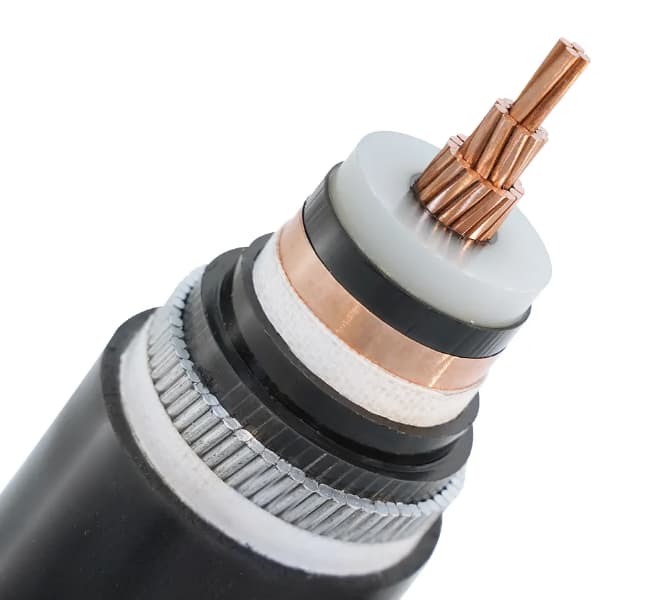
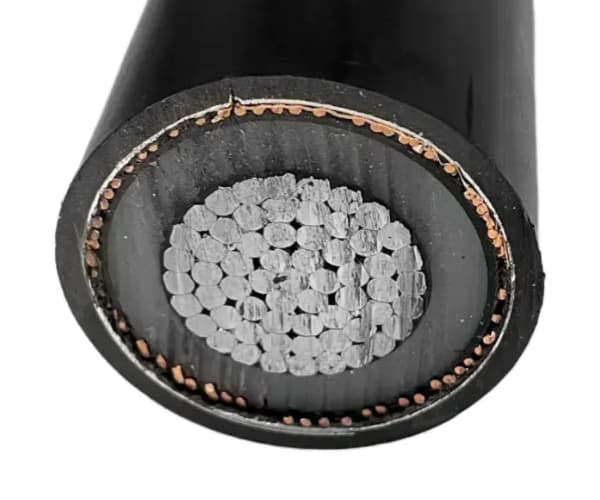
কপার এবং অ্যালুমিনিয়াম কন্ডাক্টর
সঠিক কন্ডাক্টর উপাদান নির্বাচন করা তারের সিস্টেম ডিজাইনের একটি গুরুত্বপূর্ণ অংশ.
কপার কন্ডাক্টর
কপার কন্ডাক্টর প্রদান করে:
- উচ্চ পরিবাহিতা
- কম ট্রান্সমিশন লস
- উন্নত যান্ত্রিক শক্তি
- ছোট কন্ডাক্টর ব্যাস
ফলে, কম্প্যাক্ট আন্ডারগ্রাউন্ড সিস্টেম এবং মেট্রোপলিটান সাবস্টেশনে তামা ব্যাপকভাবে ব্যবহৃত হয়.
অ্যালুমিনিয়াম কন্ডাক্টর
অ্যালুমিনিয়াম কন্ডাক্টর বিভিন্ন অর্থনৈতিক সুবিধা প্রদান করে.
এই সুবিধা অন্তর্ভুক্ত:
- উপাদান খরচ কম
- তারের ওজন হ্রাস
- সহজ পরিবহন
- নিম্ন ইনস্টলেশন টান
অতএব, ইউটিলিটি-স্কেল ট্রান্সমিশন প্রকল্পগুলি প্রায়শই দূর-দূরত্বের নেটওয়ার্কগুলির জন্য অ্যালুমিনিয়াম কন্ডাক্টর বেছে নেয়.
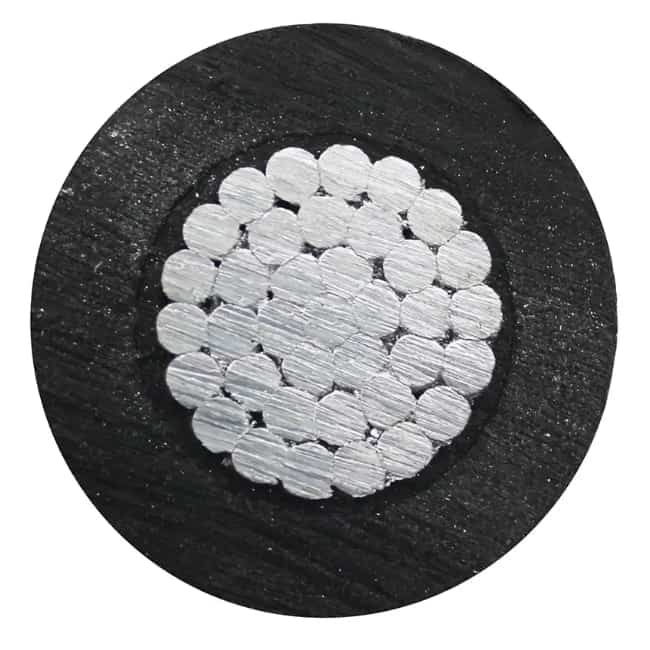
আমেরিকান স্ট্যান্ডার্ড সাইজ 12AWG থেকে 1000MCM পর্যন্ত
উত্তর আমেরিকার বাজার সাধারণত AWG এবং MCM কন্ডাক্টর সাইজিং সিস্টেম ব্যবহার করে.
AWG এবং MCM সাইজ টেবিল
| AWG/MCM আকার | ক্রস সেকশন mm² |
|---|---|
| 12 AWG | 3.31 |
| 10 AWG | 5.26 |
| 8 AWG | 8.37 |
| 6 AWG | 13.3 |
| 4 AWG | 21.1 |
| 2 AWG | 33.6 |
| 1 AWG | 42.4 |
| 1/0 AWG | 53.5 |
| 2/0 AWG | 67.4 |
| 3/0 AWG | 85 |
| 4/0 AWG | 107.2 |
| 250 এমসিএম | 126.7 |
| 300 এমসিএম | 152 |
| 350 এমসিএম | 177.3 |
| 400 এমসিএম | 202.7 |
| 500 এমসিএম | 253.4 |
| 600 এমসিএম | 304 |
| 750 এমসিএম | 380.1 |
| 800 এমসিএম | 405.4 |
| 1000 এমসিএম | 506.7 |
IEC কন্ডাক্টরের আকার 50mm² থেকে 3000mm²
অনেক আন্তর্জাতিক ট্রান্সমিশন প্রকল্প IEC মেট্রিক কন্ডাক্টর মান অনুসরণ করে.
আইইসি মেট্রিক সাইজ টেবিল
| আইইসি সাইজ | সাধারণ আবেদন |
|---|---|
| 50 মিমি² | আলো বিতরণ ব্যবস্থা |
| 70 মিমি² | শিল্প নেটওয়ার্ক |
| 95 মিমি² | বাণিজ্যিক বিদ্যুৎ সরবরাহ |
| 120 মিমি² | শহুরে বিতরণ |
| 150 মিমি² | মাঝারি-লোড ট্রান্সমিশন |
| 185 মিমি² | ইউটিলিটি সিস্টেম |
| 240 মিমি² | সাবস্টেশন সংযোগ |
| 300 মিমি² | ভূগর্ভস্থ সংক্রমণ |
| 400 মিমি² | শিল্প অবকাঠামো |
| 500 মিমি² | বিদ্যুৎ উৎপাদন প্রকল্প |
| 630 মিমি² | পুনর্নবীকরণযোগ্য শক্তি সিস্টেম |
| 800 মিমি² | উচ্চ ক্ষমতা ট্রান্সমিশন |
| 1000 মিমি² | ইউটিলিটি পাওয়ার গ্রিড |
| 1200 মিমি² | বড় সাবস্টেশন |
| 1400 মিমি² | উচ্চ লোড সিস্টেম |
| 1600 মিমি² | ভারী শিল্প প্রকল্প |
| 2000 মিমি² | প্রধান ট্রান্সমিশন সার্কিট |
| 2500 মিমি² | অতিরিক্ত উচ্চ ক্ষমতা সিস্টেম |
| 3000 মিমি² | বিশাল ইউটিলিটি অবকাঠামো |
115kV তারের বৈদ্যুতিক বৈশিষ্ট্য
সাধারণ প্রযুক্তিগত পরামিতি
| প্যারামিটার | মান |
|---|---|
| রেটেড ভোল্টেজ | 69/115কেভি |
| সর্বোচ্চ সিস্টেম ভোল্টেজ | 123কেভি |
| ফ্রিকোয়েন্সি | 50Hz / 60Hz |
| কন্ডাক্টরের সর্বোচ্চ তাপমাত্রা | 90°সে |
| শর্ট সার্কিট তাপমাত্রা | 250°সে |
| লাইটনিং ইমপালস ভোল্টেজ | 550কেভি |
| এসি টেস্ট ভোল্টেজ | 230কেভি |
উপরন্তু, স্থানীয় গ্রিড প্রয়োজনীয়তার উপর নির্ভর করে নির্মাতারা তারের পরামিতি কাস্টমাইজ করতে পারে.
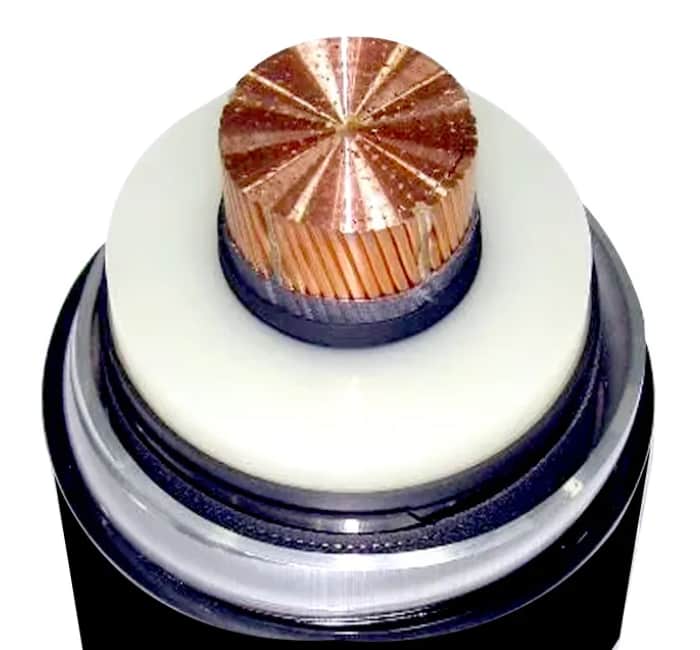
115kV XLPE তারের জন্য ইনস্টলেশন পদ্ধতি
সরাসরি দাফন ইনস্টলেশন
সরাসরি দাফন সবচেয়ে লাভজনক ইনস্টলেশন পদ্ধতিগুলির মধ্যে একটি. সাধারণত, তারটি বালির বিছানা এবং প্রতিরক্ষামূলক সতর্কতা টেপ সহ একটি পরিখার ভিতরে স্থাপন করা হয়.
ডাক্ট ইনস্টলেশন
শহুরে অবকাঠামো প্রকল্পগুলি প্রায়ই ডাক্ট সিস্টেম ব্যবহার করে কারণ ভবিষ্যতে রক্ষণাবেক্ষণ অ্যাক্সেস সহজ হয়ে যায়.
তাছাড়া, নালী ইনস্টলেশন অতিরিক্ত যান্ত্রিক সুরক্ষা প্রদান করে.
টানেল ইনস্টলেশন
বড় শহর এবং ইউটিলিটি কোম্পানিগুলি ঘন ঘন গুরুত্বপূর্ণ ট্রান্সমিশন সিস্টেমের জন্য তারের টানেল ব্যবহার করে.
এই পদ্ধতি প্রস্তাব:
- সহজতর পরিদর্শন
- ভাল তাপ অপচয়
- সরলীকৃত রক্ষণাবেক্ষণ
- একাধিক সার্কিটের জন্য স্থান
115kV XLPE তারের সাধারণ অ্যাপ্লিকেশন
নবায়নযোগ্য শক্তি প্রকল্প
সৌর খামার এবং বায়ুবিদ্যুৎ কেন্দ্রগুলির মূল বৈদ্যুতিক গ্রিডে উৎপন্ন শক্তি সংযোগ করার জন্য স্থিতিশীল ট্রান্সমিশন সিস্টেম প্রয়োজন.
ফলে, এক্সএলপিই উচ্চ-ভোল্টেজ তারগুলি পুনর্নবীকরণযোগ্য শক্তি অবকাঠামোতে ব্যাপকভাবে ব্যবহৃত হয়.
শিল্প সুবিধা
ভারী শিল্পের জন্য অবিচ্ছিন্ন উচ্চ-ক্ষমতার বিদ্যুৎ সরবরাহ প্রয়োজন. অতএব, অনেক কারখানা নির্ভরযোগ্যতা উন্নত করতে ভূগর্ভস্থ 115kV ট্রান্সমিশন সিস্টেম ইনস্টল করে.
পরিবহন পরিকাঠামো
আধুনিক পরিবহন ব্যবস্থাও উচ্চ-ভোল্টেজ তারের নেটওয়ার্কের উপর নির্ভর করে.
সাধারণ অ্যাপ্লিকেশন অন্তর্ভুক্ত:
- বিমানবন্দর
- মেট্রো সিস্টেম
- রেলওয়ে বিদ্যুতায়ন
- সমুদ্রবন্দর টার্মিনাল
115kV সিস্টেমে ব্যবহৃত তারের আনুষাঙ্গিক
একটি সম্পূর্ণ উচ্চ-ভোল্টেজ তারের সিস্টেমের জন্য বিশেষ আনুষাঙ্গিক প্রয়োজন.
প্রধান আনুষাঙ্গিক
| আনুষঙ্গিক | ফাংশন |
|---|---|
| বহিরঙ্গন সমাপ্তি | সাবস্টেশন সংযোগ |
| GIS সমাপ্তি | জিআইএস সরঞ্জামের সাথে সংযোগ |
| সোজা জয়েন্ট | তারের সংযোগ |
| ইনসুলেটেড জয়েন্ট | বৈদ্যুতিক বিচ্ছিন্নতা |
| লিঙ্ক বক্স | গ্রাউন্ডিং ব্যবস্থাপনা |
সঠিক জিনিসপত্র ছাড়া, তারের সিস্টেম নিরাপদে বা দক্ষতার সাথে কাজ করতে পারে না.
115kV তারের জন্য পরীক্ষার পদ্ধতি
গ্রাহকদের কাছে উচ্চ-ভোল্টেজ তারগুলি সরবরাহ করার আগে নির্মাতারা একাধিক পরীক্ষা করে.
রুটিন পরীক্ষা
রুটিন পরিদর্শন সাধারণত অন্তর্ভুক্ত:
- কন্ডাক্টর প্রতিরোধের পরীক্ষা
- আংশিক স্রাব পরীক্ষা
- ভোল্টেজ পরীক্ষা সহ্য করা
- মাত্রিক যাচাইকরণ
টাইপ টেস্ট
প্রকার পরীক্ষা দীর্ঘমেয়াদী তারের নির্ভরযোগ্যতা নিশ্চিত করে.
এই পরীক্ষা অন্তর্ভুক্ত হতে পারে:
- বাজ আবেগ পরীক্ষা
- হিটিং চক্র পরীক্ষা
- নমন পরীক্ষা
- শর্ট সার্কিট পরীক্ষা
উপরন্তু, কিছু ইউটিলিটি প্রকল্পের জন্য বাণিজ্যিক ইনস্টলেশনের আগে অতিরিক্ত প্রাক-যোগ্যতা পরীক্ষার প্রয়োজন হয়.
115kV XLPE তারের নির্বাচন করার সময় গুরুত্বপূর্ণ বিষয়গুলি
একটি তারের সিস্টেম নির্বাচন করার আগে বেশ কিছু প্রযুক্তিগত কারণের মূল্যায়ন করা উচিত.
বর্তমান বহন ক্ষমতা
কন্ডাকটরের আকার অবশ্যই প্রয়োজনীয় বৈদ্যুতিক লোডকে নিরাপদে সমর্থন করতে হবে.
পরিবেশগত অবস্থা
ইঞ্জিনিয়ারদের মূল্যায়ন করা উচিত:
- মাটির তাপ প্রতিরোধকতা
- পরিবেষ্টিত তাপমাত্রা
- আর্দ্রতা
- যান্ত্রিক ঝুঁকি
ইনস্টলেশন পরিবেশ
তারের কর্মক্ষমতা উপর নির্ভর করে পরিবর্তিত হতে পারে:
- মাটির নিচে সমাধি
- নালী ইনস্টলেশন
- টানেল সিস্টেম
- ভেজা পরিবেশ
প্রযোজ্য মান
অবশেষে, নির্বাচিত তারের প্রয়োজনীয় আন্তর্জাতিক মান এবং ইউটিলিটি স্পেসিফিকেশন মেনে চলতে হবে.
উচ্চ-ভোল্টেজ XLPE কেবল প্রযুক্তিতে ভবিষ্যৎ প্রবণতা
বিশ্বব্যাপী উচ্চ-ভোল্টেজ তারের বাজার ক্রমবর্ধমান অবকাঠামো বিনিয়োগের কারণে প্রসারিত হচ্ছে. একই সময়ে, নির্মাতারা দক্ষতা এবং স্থায়িত্ব উন্নত করতে উন্নত তারের প্রযুক্তি বিকাশ করছে.
আধুনিক উদ্ভাবন অন্তর্ভুক্ত:
- উচ্চতর প্রশস্ততা কন্ডাক্টর
- পরিবেশ বান্ধব আবরণ উপকরণ
- উন্নত আর্দ্রতা বাধা
- স্মার্ট মনিটরিং সিস্টেম
- ট্রান্সমিশন লস কমেছে
বৈদ্যুতিক গ্রিড আরও জটিল হয়ে ওঠে, নির্ভরযোগ্য ভূগর্ভস্থ তারের সিস্টেম আরও গুরুত্বপূর্ণ হয়ে উঠবে.
115kV XLPE তারের
115kV XLPE কেবল হল আধুনিক ভূগর্ভস্থ পাওয়ার ট্রান্সমিশন অবকাঠামোর অন্যতম গুরুত্বপূর্ণ উপাদান. এর উচ্চতর নিরোধক কর্মক্ষমতা জন্য ধন্যবাদ, উচ্চ তাপ প্রতিরোধের, দীর্ঘ সেবা জীবন, এবং কম রক্ষণাবেক্ষণের প্রয়োজনীয়তা, XLPE কেবল প্রযুক্তি বিশ্বব্যাপী ইউটিলিটি কোম্পানি এবং শিল্প প্রকল্পগুলির জন্য পছন্দের পছন্দ হয়ে উঠেছে.
12AWG থেকে 1000MCM থেকে আমেরিকান স্ট্যান্ডার্ড কন্ডাক্টর মাপ বা 50mm² থেকে 3000mm² পর্যন্ত IEC মেট্রিক মাপ ব্যবহার করা হোক না কেন, নির্ভরযোগ্য এবং দক্ষ বৈদ্যুতিক সংক্রমণের জন্য সঠিক তারের নির্বাচন অপরিহার্য.
ভবিষ্যতে, উচ্চ-মানের 115kV XLPE কেবল সিস্টেমের চাহিদা শহরগুলির প্রসারণের সাথে সাথে বাড়তে থাকবে৷, নবায়নযোগ্য শক্তি প্রকল্প বৃদ্ধি, এবং বৈশ্বিক শক্তি অবকাঠামো আধুনিকীকরণ করে.