
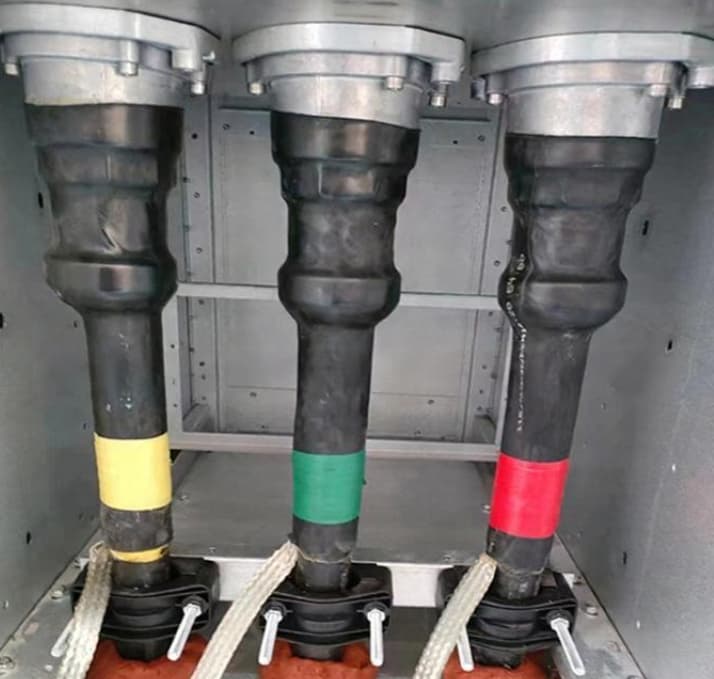
আ Inner Cone Plug-In Termination manufacturer provides specialized cable accessories for connecting high-voltage power cables with GIS, transformers, switchgear, and other electrical equipment. The technology uses a compact plug-in interface and a premoulded stress cone to control the electrical field around the cable insulation.
Compared with conventional cable terminations, the inner cone design offers a compact connection structure. অতএব, it works particularly well in substations where installation space remains limited. উপরন্তু, many modern designs use dry insulation technology, which simplifies installation and reduces the need for liquid insulating media.
Inner cone plug-in technology can serve medium-voltage, উচ্চ ভোল্টেজ, and extra-high-voltage applications. Depending on the manufacturer and product design, available voltage classes can range from around 10 kV থেকে 500 কেভি.
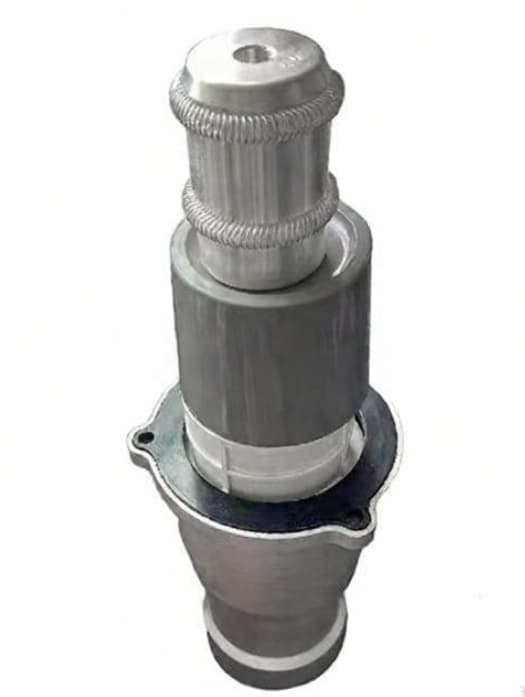
What Is an Inner Cone Plug-In Termination?
আ Inner Cone Plug-In Termination connects a power cable to an electrical apparatus through an inner cone bushing. The system normally includes a stress cone, conductive contact, insulation interface, sealing components, and mechanical pressure components.
The stress cone plays a critical role in electrical field control. It distributes electrical stress around the cable insulation and reduces the concentration of electric field at the end of the semiconductor screen.
ইনস্টলেশনের সময়, the cable termination enters the corresponding bushing. The interface then creates a controlled electrical connection between the cable and the equipment.
ফলে, inner cone technology can provide a compact solution for:
- GIS switchgear
- C-GIS switchgear
- Power transformers
- Gas-insulated substations
- High-voltage switchgear
- Renewable energy substations
- Offshore wind power systems
- ভূগর্ভস্থ ট্রান্সমিশন সিস্টেম
- রেলওয়ে পাওয়ার সিস্টেম
The bushing interface must match the termination precisely. ফলে, engineers should confirm the interface dimensions before selecting an Inner Cone Plug-In Termination manufacturer.
Inner Cone Plug-In Termination Voltage Levels
Voltage rating represents one of the most important selection criteria. তবে, customers should distinguish between the cable’s nominal voltage and the equipment’s maximum voltage.
The following list covers common or potentially applicable voltage levels from 10 kV থেকে 500 কেভি.
| Nominal / Equipment Voltage | সাধারণ আবেদন |
|---|---|
| 10 কেভি | Medium-voltage distribution |
| 11 কেভি | বিতরণ নেটওয়ার্ক |
| 12 কেভি | Medium-voltage systems |
| 15 কেভি | North American MV systems |
| 17.5 কেভি | MV equipment class |
| 20 কেভি | বিতরণ নেটওয়ার্ক |
| 22 কেভি | Medium-voltage distribution |
| 24 কেভি | MV switchgear |
| 26 কেভি | Special cable systems |
| 27.5 কেভি | Railway traction |
| 30 কেভি | Medium-voltage systems |
| 33 কেভি | Distribution and renewable energy |
| 35 কেভি | Medium-voltage networks |
| 36 কেভি | MV equipment class |
| 38 কেভি | Selected utility systems |
| 40.5 কেভি | MV switchgear class |
| 42 কেভি | Special MV applications |
| 45 কেভি | Special high-voltage applications |
| 52 কেভি | High-end MV applications |
| 66 কেভি | High-voltage distribution |
| 69 কেভি | North American transmission |
| 72.5 কেভি | IEC high-voltage equipment class |
| 90 কেভি | High-voltage systems |
| 110 কেভি | Transmission systems |
| 115 কেভি | North American transmission |
| 126 কেভি | IEC equipment class |
| 132 কেভি | Transmission systems |
| 138 কেভি | North American transmission |
| 145 কেভি | IEC equipment class |
| 150 কেভি | Selected transmission networks |
| 170 কেভি | IEC equipment class |
| 220 কেভি | Transmission systems |
| 230 কেভি | North American transmission |
| 245 কেভি | IEC equipment class |
| 275 কেভি | High-voltage transmission |
| 300 কেভি | Special transmission applications |
| 330 কেভি | High-voltage transmission |
| 345 কেভি | North American transmission |
| 362 কেভি | IEC equipment class |
| 400 কেভি | Extra-high-voltage transmission |
| 420 কেভি | IEC equipment class |
| 500 কেভি | Extra-high-voltage transmission |
This table includes commonly used nominal voltages and equipment classes. Nevertheless, not every voltage level represents a standard inner cone product.
যেমন, some manufacturers offer inner cone systems up to 52 কেভি, while other product families cover higher voltage classes such as 72.5 কেভি, 145 কেভি, 245 কেভি, or beyond. অতএব, engineers should evaluate each project according to the actual cable and bushing interface.
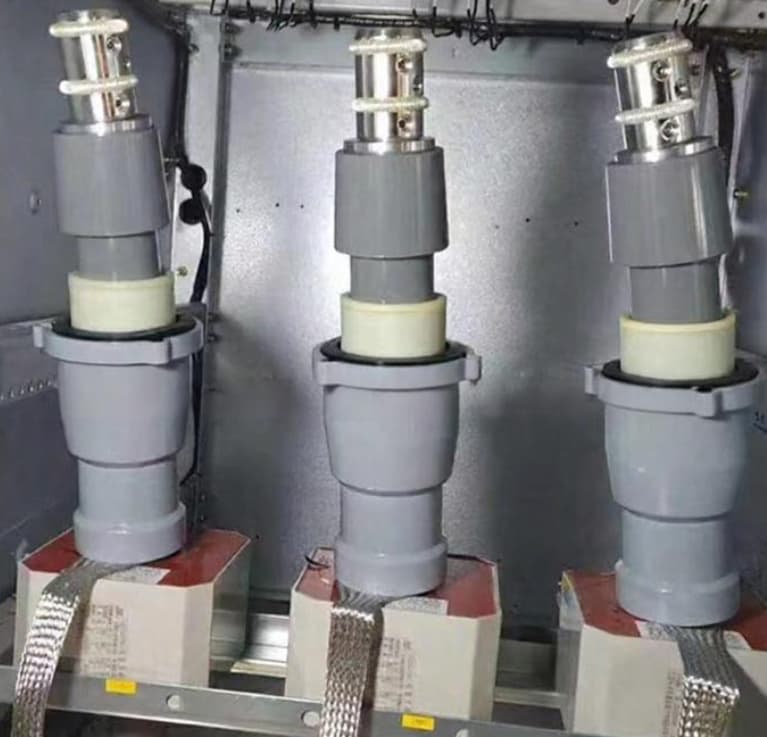
10kV to 52kV Inner Cone Plug-In Termination
দ 10 kV থেকে 52 kV range represents an important application area for plug-in cable accessories.
Common cable voltage ratings include:
- 6/10 কেভি
- 8.7/15 কেভি
- 12/20 কেভি
- 18/30 কেভি
- 19/33 কেভি
- 26/35 কেভি
At these voltage levels, manufacturers commonly use premoulded silicone rubber stress cones. Silicone provides good electrical insulation and maintains suitable interface pressure over a wide operating temperature range.
উপরন্তু, the compact plug-in structure allows engineers to install cable connections inside switchgear or transformer compartments with limited space.
জন্য 10 কেভি, 20 কেভি, 24 কেভি, 30 কেভি, 33 কেভি, এবং 35 kV systems, the manufacturer normally selects the termination according to the cable insulation diameter and conductor cross-section.
অতএব, customers should provide complete cable dimensions rather than only the voltage rating.
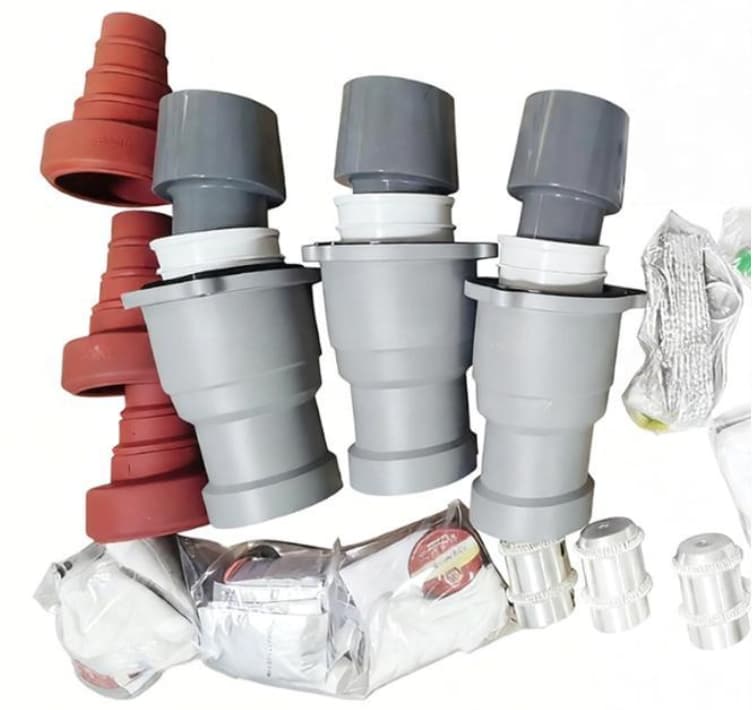
66kV to 145kV Inner Cone Plug-In Termination
দ 66 kV থেকে 145 kV range enters the high-voltage cable accessory market.
Typical voltage levels include 66 কেভি, 69 কেভি, 72.5 কেভি, 90 কেভি, 110 কেভি, 115 কেভি, 126 কেভি, 132 কেভি, 138 কেভি, এবং 145 কেভি.
At these voltage levels, electric field control becomes increasingly important. The manufacturer must carefully coordinate the stress cone geometry with the XLPE insulation, semiconductor screen, and bushing interface.
যেমন, ক 110 kV or 132 kV cable termination cannot simply use the same structure as a 20 kV termination. Higher operating voltage requires greater insulation capability and more precise field grading.
উপরন্তু, the termination must match the GIS or transformer bushing mechanically and electrically.
আইইসি 62271-209 provides important requirements for cable connections between high-voltage switchgear and cables. ফলে, customers should check the applicable interface standard before placing an order.
170kV to 245kV Inner Cone Plug-In Termination
দ 170 kV থেকে 245 kV range covers major transmission applications.
সাধারণ ভোল্টেজ ক্লাস অন্তর্ভুক্ত:
- 170 কেভি
- 220 কেভি
- 230 কেভি
- 245 কেভি
Among these values, 245 kV represents an important IEC equipment voltage class.
A high-voltage inner cone termination requires careful control of the interface pressure. The stress cone must also maintain stable electrical performance throughout the service life of the cable system.
তাছাড়া, the manufacturer should evaluate partial discharge performance, AC withstand voltage, lightning impulse withstand voltage, and thermal characteristics.
For a 220 kV or 230 kV project, the customer should therefore provide the cable construction, কন্ডাকটর আকার, নিরোধক বেধ, insulation diameter, and GIS bushing information.
This information allows the Inner Cone Plug-In Termination manufacturer to select the correct interface and termination dimensions.
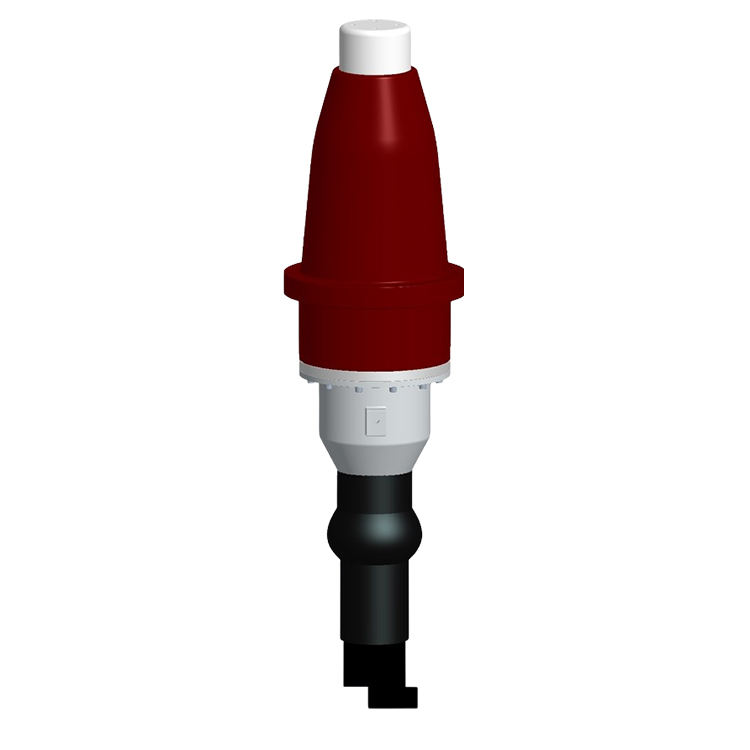
275kV to 500kV Inner Cone Plug-In Termination
Applications above 245 kV belong to the extra-high-voltage transmission field.
Potential project voltage levels include 275 কেভি, 300 কেভি, 330 কেভি, 345 কেভি, 362 কেভি, 400 কেভি, 420 কেভি, এবং 500 কেভি.
At these voltage levels, the termination design becomes considerably more demanding. Engineers must consider the complete electrical and mechanical system rather than the termination alone.
Important design parameters include:
- Cable conductor diameter
- কন্ডাক্টর ক্রস-সেকশন
- XLPE insulation thickness
- Cable insulation diameter
- Semiconductor screen
- Stress cone geometry
- Electric field distribution
- Interface pressure
- আংশিক স্রাব কর্মক্ষমতা
- AC withstand voltage
- বিদ্যুতের প্রবণতা ভোল্টেজ সহ্য করে
- Switching impulse withstand voltage
- Short-circuit performance
- তাপ কর্মক্ষমতা
- Mechanical interface dimensions
ক 500 kV cable system requires particularly careful engineering. The termination must work together with the cable, GIS or transformer bushing, grounding system, এবং ইনস্টলেশন পরিবেশ.
অতএব, ক 500 kV Inner Cone Plug-In Termination should normally involve project-specific engineering and testing. Customers should not select the product only by matching the nominal voltage.
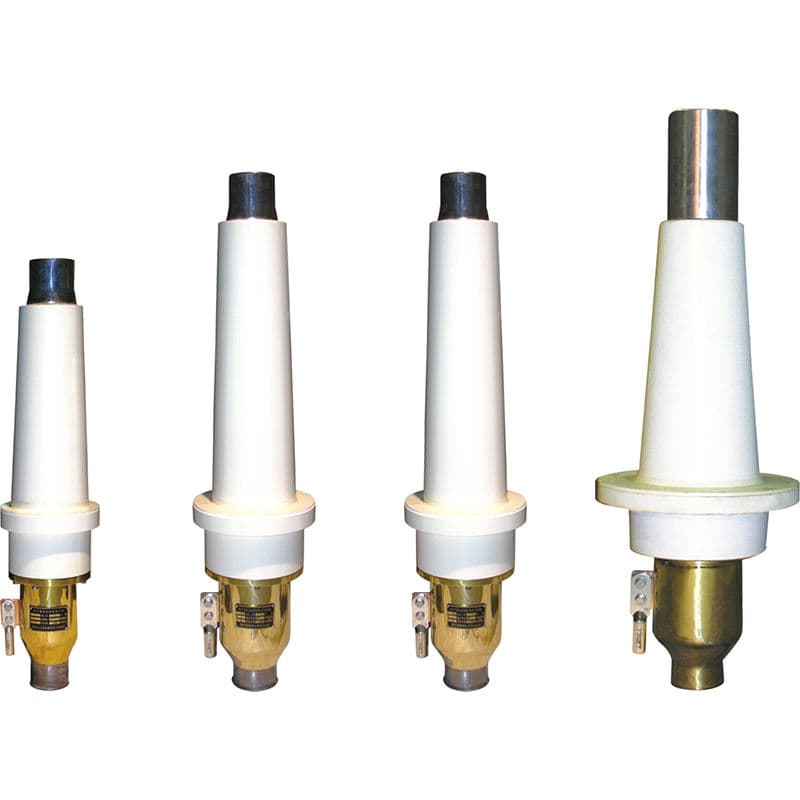
Why Choose an Inner Cone Plug-In Termination?
The compact design provides one of the main advantages of inner cone technology.
প্রথম, the plug-in connection can save installation space. This feature becomes valuable in GIS substations and compact transformer installations.
দ্বিতীয়, many designs use dry-type insulation. অতএব, the installation process does not require oil-filled cable connection systems.
তৃতীয়, the premoulded stress cone provides controlled electrical field distribution. This design helps maintain reliable insulation performance around the cable termination area.
উপরন্তু, a plug-in connection can simplify equipment connection and future maintenance when the equipment design allows removal of the cable termination.
তবে, the installation team must follow the manufacturer’s instructions carefully. Cable preparation, semiconductor removal, stress cone positioning, contact installation, and interface cleaning all affect final performance.
How to Select an Inner Cone Plug-In Termination Manufacturer
Customers should consider several technical factors when selecting an Inner Cone Plug-In Termination manufacturer.
1. রেটেড ভোল্টেজ
Confirm the cable nominal voltage and equipment maximum voltage. These two values do not always have the same numerical value.
2. Cable Conductor Size
The conductor cross-section directly affects the termination contact and mechanical design.
Typical conductor sizes can range from small medium-voltage conductors to large transmission cable conductors.
3. Cable Insulation Diameter
The insulation diameter represents one of the most important dimensional parameters. A termination designed for one cable diameter may not fit another cable with the same nominal voltage.
4. Bushing Interface
The inner cone termination must match the corresponding GIS or transformer bushing.
অতএব, customers should provide the bushing type, interface dimensions, and relevant technical drawings whenever possible.
5. পরীক্ষার প্রয়োজনীয়তা
A qualified manufacturer should provide relevant test documentation. Depending on the voltage class, the project may require partial discharge testing, AC withstand testing, impulse testing, thermal testing, and other verification.
6. ইনস্টলেশন সমর্থন
A reliable manufacturer should also provide installation instructions and technical support.
For large transmission projects, installation training can further reduce the risk of incorrect cable preparation.
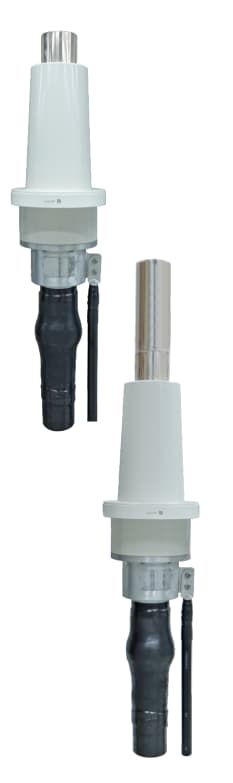
Inner Cone Plug-In Termination Manufacturer for Global Markets
Different countries use different transmission and distribution voltage systems. অতএব, an international manufacturer needs to understand multiple voltage standards.
For medium-voltage applications, customers may request 10 কেভি, 11 কেভি, 12 কেভি, 15 কেভি, 20 কেভি, 22 কেভি, 24 কেভি, 30 কেভি, 33 কেভি, 35 কেভি, বা 36 kV systems.
North American projects may use 15 কেভি, 25 কেভি, 35 কেভি, 69 কেভি, 115 কেভি, 138 কেভি, 230 কেভি, বা 345 kV systems.
এদিকে, IEC-based transmission networks commonly use equipment classes such as 72.5 কেভি, 145 কেভি, 170 কেভি, 245 কেভি, 362 কেভি, এবং 420 কেভি.
Extra-high-voltage projects may require 400 কেভি, 500 কেভি, or other project-specific voltage levels.
ফলে, an experienced Inner Cone Plug-In Termination manufacturer should evaluate the complete project specification before recommending a product.
Dosense Cable as an Inner Cone Plug-In Termination Manufacturer
Dosense Cable focuses on power cable systems and cable accessories for medium-voltage, উচ্চ ভোল্টেজ, and extra-high-voltage applications.
As an Inner Cone Plug-In Termination manufacturer, Dosense Cable can develop cable termination solutions according to voltage level, কন্ডাকটর আকার, insulation diameter, cable construction, GIS interface, transformer interface, and project requirements.
For a new project, customers can provide the following information:
- Cable voltage
- কন্ডাক্টর উপাদান
- কন্ডাক্টর ক্রস-সেকশন
- তারের নিরোধক প্রকার
- Insulation diameter
- নিরোধক বেধ
- Cable screen structure
- GIS or transformer bushing type
- রেট করা বর্তমান
- ইনস্টলেশন পরিবেশ
- Required test standards
With these parameters, the manufacturer can determine the appropriate inner cone design and provide a technical proposal.
আ Inner Cone Plug-In Termination offers a compact and reliable connection between high-voltage cables and electrical equipment. From 10 kV medium-voltage systems to 500 kV extra-high-voltage transmission projects, different voltage classes require different insulation systems, interfaces, stress control structures, and testing procedures.
এই কারণে, selecting the right Inner Cone Plug-In Termination manufacturer requires more than checking the voltage rating. Cable dimensions, bushing interfaces, বৈদ্যুতিক প্রয়োজনীয়তা, mechanical conditions, and applicable standards should all receive careful consideration.
Dosense Cable can work with customers to develop suitable cable termination solutions for specific voltage levels and equipment interfaces.