
Bei der Auswahl von Elektrokabeln für den Wohnbereich, industriell, Automobil, Marine, oder Solarstromanlagen, Die Drahtgröße spielt eine wichtige Rolle für Sicherheit und Leistung. Eine der häufigsten Fragen von Elektrikern und Ingenieuren lautet:: „Was ist der Unterschied zwischen 1 AWG und 1/0 AWG?”
Auf den ersten Blick, Das Benennungssystem erscheint verwirrend, weil viele Leute das annehmen 1 AWG und 1/0 AWG sind nahezu identisch. Jedoch, Der Unterschied ist tatsächlich erheblich. Im American Wire Gauge-System, 1/0 AWG ist größer als 1 AWG.
Der komplette Unterschied zwischen 1 AWG und 1/0 AWG, einschließlich Drahtdurchmesser, Strombelastbarkeit, Widerstand, Spannungsabfall, Anwendungen, Flexibilität, und Kosten. Am Ende, Sie werden klar erkennen, welche Kabelgröße für Ihr Projekt besser ist.
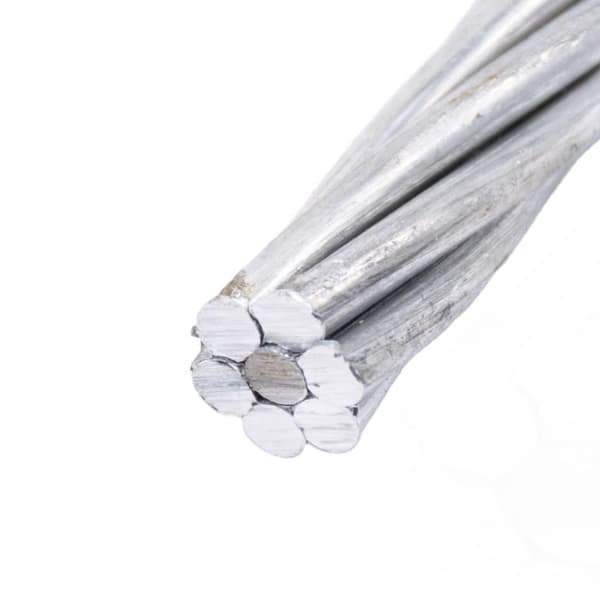
Das AWG-Drahtsystem verstehen
AWG steht für American Wire Gauge, ein Standard-Drahtdimensionierungssystem, das hauptsächlich in Nordamerika verwendet wird. Das AWG-System funktioniert anders als die metrische Kabeldimensionierung, da kleinere Gauge-Zahlen auf größere Leiter hinweisen.
Zum Beispiel:
- 10 AWG ist größer als 12 AWG
- 4 AWG ist größer als 6 AWG
- 1 AWG ist kleiner als 1/0 AWG
Nach 1 AWG, Die Größenbestimmung erfolgt bis in „irgendeine“ Größen:
- 1/0 AWG (eins)
- 2/0 AWG
- 3/0 AWG
- 4/0 AWG
daher, 1/0 AWG ist die nächstgrößere Größe 1 AWG.
Viele Einsteiger missverstehen diesen Punkt bei der Auswahl von Batteriekabeln, Solarkabel, oder industrielle Stromleiter.
Was ist 1 AWG-Draht?
1 AWG-Draht ist ein Hochleistungsleiter, der häufig in elektrischen Systemen mit mittlerem bis hohem Strom verwendet wird. Es bietet eine hohe Stromtragfähigkeit und ist gleichzeitig einfacher zu installieren als größere Kabel.
Zu den typischen Anwendungen gehören::
- Solarbatteriesysteme
- Kfz-Batteriekabel
- Schiffsverkabelung
- Industrielle Erdung
- Wechselrichteranschlüsse
- Elektrische Systeme für Wohnmobile
Aufgrund seiner Balance zwischen Leistung und Flexibilität, 1 AWG ist eine der beliebtesten großen Leitergrößen.
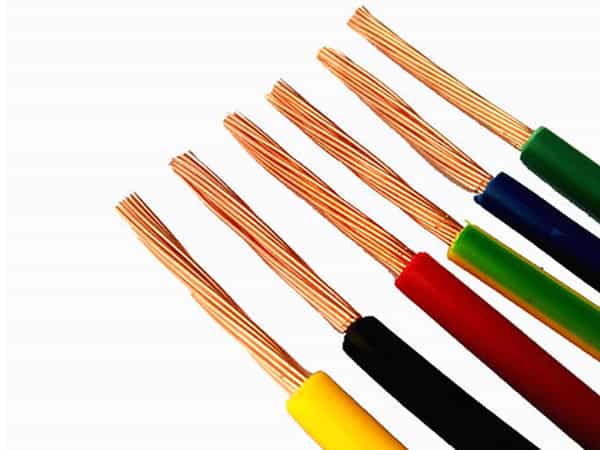
Typische Spezifikationen von 1 AWG
| Parameter | Wert |
|---|---|
| Durchmesser | 7.35 mm |
| Querschnittsfläche | 42.4 mm² |
| Widerstand | 0.4066 Ω/1000 Fuß |
| Typische Strombelastbarkeit | 130–150A |
| Flexibilität | Gut |
Die tatsächliche Strombelastbarkeit hängt von den Installationsbedingungen und der Art der Isolierung ab.
Was ist 1/0 AWG-Draht?
1/0 AWG-Draht, auch „one aught“ genannt,„ist ein größerer Leiter, der für Anwendungen mit höherer Leistung entwickelt wurde. Es enthält mehr Kupfer oder Aluminium, Dadurch kann es einen größeren elektrischen Strom bei geringerem Widerstand transportieren.
Es wird häufig verwendet in:
- Hauptstromzuführungen
- Industriemotoren
- Große Batteriebänke
- Ladesysteme für Elektrofahrzeuge
- Schweißgeräte
- Hochleistungswechselrichter
Gegenüber 1 AWG, 1/0 AWG sorgt für einen besseren elektrischen Wirkungsgrad, vor allem über längere Distanzen.
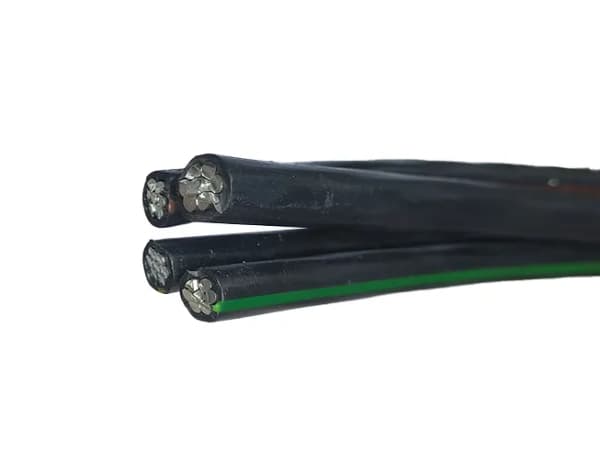
Typische Spezifikationen von 1/0 AWG
| Parameter | Wert |
| Durchmesser | 8.25 mm |
| Querschnittsfläche | 53.5 mm² |
| Widerstand | 0.321 Ω/1000 Fuß |
| Typische Strombelastbarkeit | 150–170A |
| Flexibilität | Mäßig |
Der Hauptunterschied zwischen 1 AWG und 1/0 AWG
Der größte Unterschied besteht in der Leitergröße.
Obwohl der physische Größenunterschied gering erscheint, Elektrisch ist es sehr wichtig.
Gegenüber 1 AWG, 1/0 AWG-Angebote:
- Höhere Strombelastbarkeit
- Geringerer Widerstand
- Geringerer Spannungsabfall
- Bessere Effizienz
- Verbesserte thermische Leistung
Jedoch, 1/0 AWG auch:
- Kostet mehr
- Wiegt mehr
- Erfordert größere Anschlüsse
- Ist schwerer zu biegen
Die Wahl zwischen ihnen hängt von der elektrischen Last und der Installationsumgebung ab.
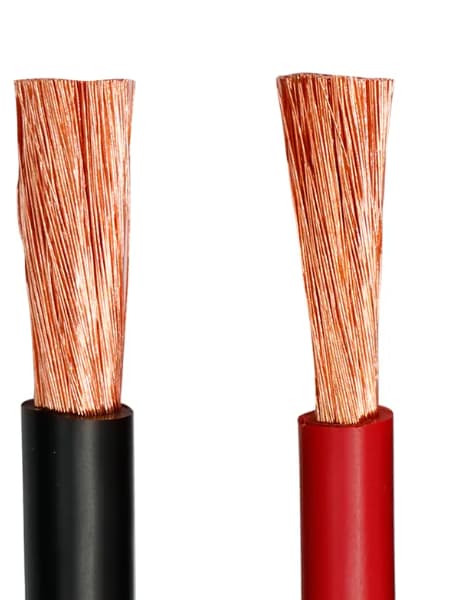
Größenvergleich zwischen 1 AWG und 1/0 AWG
Viele Leute unterschätzen, wie viel größer 1/0 AWG ist es tatsächlich.
| Drahtgröße | Durchmesser |
| 1 AWG | 7.35 mm |
| 1/0 AWG | 8.25 mm |
Obwohl der Durchmesser um weniger als zunimmt 1 mm, Die Leiterquerschnittsfläche nimmt dramatisch zu.
Querschnittsflächenvergleich
| Drahtgröße | Bereich |
| 1 AWG | 42.4 mm² |
| 1/0 AWG | 53.5 mm² |
Das heisst 1/0 AWG hat ca 26% mehr Leitermaterial als 1 AWG.
Dieser zusätzliche Leiterbereich verbessert die elektrische Leistung erheblich.
Unterschiede in der Strombelastbarkeit
Unter Strombelastbarkeit versteht man den maximalen elektrischen Strom, den ein Leiter sicher führen kann, ohne dass es zu einer Überhitzung kommt.
1 AWG-Strombelastbarkeit
Typische Kupferstrombelastbarkeit:
- 130A bis 150A
Typische Strombelastbarkeit von Aluminium:
- 100A bis 120A
1/0 AWG-Strombelastbarkeit
Typische Kupferstrombelastbarkeit:
- 150A bis 170A
Typische Strombelastbarkeit von Aluminium:
- 120A bis 150A
Die genaue Strombelastbarkeit hängt von mehreren Faktoren ab:
- Umgebungstemperatur
- Kabelisolierung
- Installationsmethode
- Anzahl gebündelter Leiter
- Örtliche Elektrovorschriften
Vergleich des Spannungsabfalls
Der Spannungsabfall ist bei langen Kabelstrecken äußerst wichtig.
Weil 1/0 AWG hat einen geringeren Widerstand, Es erfährt über die Entfernung weniger Spannungsverlust.
Warum Spannungsabfall wichtig ist
Es kann zu einem übermäßigen Spannungsabfall kommen:
- Reduzierte Geräteeffizienz
- Motorüberhitzung
- Abschaltung des Wechselrichters
- Probleme beim Laden des Akkus
- Energieverlust
daher, Viele Ingenieure wählen 1/0 AWG für Hochstromsysteme mit großen Kabellängen.
Beispiel für einen Spannungsabfall
Angenommen, ein elektrisches System arbeitet mit:
- 150 Verstärker
- 100 Fuß Kabellänge
Benutzen 1 AWG kann zu einem deutlich höheren Spannungsabfall führen.
Benutzen 1/0 AWG kann den Spannungsabfall um ca. 20–25 % reduzieren.
Diese Verbesserung ist wichtig in:
- Sonnensysteme
- Marine-Energiesysteme
- Industriemaschinen
- Batteriebänke
Widerstandsvergleich
Ein geringerer Widerstand verbessert den elektrischen Wirkungsgrad.
| Drahtgröße | Widerstand pro 1000 ft |
| 1 AWG | 0.4066 Oh |
| 1/0 AWG | 0.321 Oh |
Geringerer Widerstand bedeutet:
- Weniger Wärmeentwicklung
- Reduzierter Leistungsverlust
- Bessere Spannungsstabilität
- Längere Kabellebensdauer
Für Hochstromanwendungen, Ein geringerer Widerstand ist äußerst vorteilhaft.
Gewichtsunterschiede
Seit 1/0 AWG enthält mehr Leitermaterial, es ist deutlich schwerer.
Das wirkt sich aus:
- Versandkosten
- Beladung der Kabelrinne
- Installationsarbeiten
- Schwierigkeiten bei der Handhabung
Bei großen Industrieprojekten, Das Kabelgewicht wird zu einem wichtigen technischen Gesichtspunkt.
Flexibilität und Installation
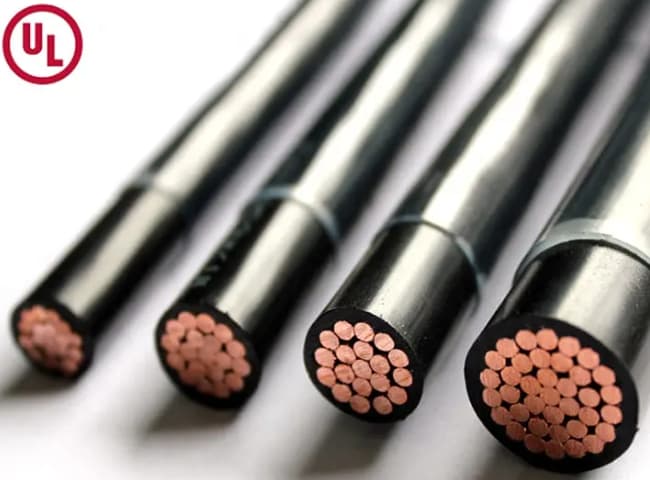
1 AWG ist im Allgemeinen einfacher zu installieren.
Es lässt sich leichter biegen und benötigt weniger Bauraum.
1/0 AWG ist:
- Steifer
- Schwerer
- Schwieriger zu routen
- Auf engstem Raum schwieriger
daher, Installateure bevorzugen oft 1 AWG, wenn der Platz begrenzt ist.
Jedoch, Feindrähtige flexible Kabelkonstruktionen können die Flexibilität erheblich verbessern.
Kostenunterschied zwischen 1 AWG und 1/0 AWG
Größere Kabel erfordern mehr Leitermaterial, Also 1/0 AWG ist teurer.
Der Preisunterschied hängt davon ab:
- Kupfermarktpreise
- Aluminiumpreise
- Kabelmarke
- Isolationstyp
- Verseilungsdesign
Im Allgemeinen:
1/0 AWG kostet etwa 15–30 % mehr als 1 AWG.
Kupferleiterversionen sind deutlich teurer als Aluminiumversionen.
Kupfer- vs. Aluminiumversionen
Beide 1 AWG und 1/0 AWG sind in Kupfer und Aluminium erhältlich.
Vorteile von Kupfer
- Höhere Leitfähigkeit
- Bessere Flexibilität
- Bessere Korrosionsbeständigkeit
- Kleinerer Durchmesser
Vorteile von Aluminium
- Niedrigere Kosten
- Geringeres Gewicht
- Einfacherer Transport
Jedoch, Aluminiumleiter erfordern:
- Größere Leitergröße
- Richtige Beendigungsmethoden
- Antioxidationsverbindungen
Kupfer bleibt die bevorzugte Wahl für kritische Hochleistungssysteme.
Häufige Anwendungen für 1 AWG
1 AWG wird häufig in Mittelstromanwendungen eingesetzt.
Typische Verwendungen
- Wohnmobil-Stromversorgungssysteme
- Anschlüsse für Solarbatterien
- Marine-Batteriekabel
- Automobil-Upgrades
- Industrielle Erdung
- Kleine Wechselrichtersysteme
Es bietet eine hervorragende Balance zwischen Leistung, Flexibilität, und Kosten.
Häufige Anwendungen für 1/0 AWG
1/0 AWG wird für anspruchsvolle Hochstrominstallationen bevorzugt.
Typische Verwendungen
- Hauptzubringer
- Industrieausrüstung
- Hochleistungs-Solarwechselrichter
- Ladesysteme für Elektrofahrzeuge
- Große Batteriebänke
- Schweißmaschinen
Der größere Leiter verbessert die Zuverlässigkeit bei hoher elektrischer Belastung.
Welches Kabel ist besser für Solaranlagen??
Beide Drahtgrößen eignen sich gut für Solaranwendungen.
Wählen 1 AWG Wann
- Der Strom liegt unter 150 A
- Die Kabelwege sind kurz
- Der Einbauraum ist begrenzt
- Budget ist wichtig
Wählen 1/0 AWG Wann
- Der Strom übersteigt 150 A
- Die Kabelentfernung ist lang
- Der Spannungsabfall muss minimiert werden
- Eine Systemerweiterung wird erwartet
Viele netzunabhängige Solarsysteme nutzen 1/0 AWG für Batterieverbindungen aufgrund des hohen Stroms.
Welches Kabel ist besser für Car-Audio??
Car-Audio-Systeme erfordern oft große Leiter, da Verstärker viel Strom verbrauchen.
1 AWG eignet sich gut für
- Mittlere Verstärkersysteme
- Anlagen mit geringerer Leistung
- Kurze Kabelwege
1/0 AWG funktioniert besser für
- Hochleistungsverstärker
- Mehrere Verstärkerkonfigurationen
- Systeme über 2000 W
Viele professionelle Car-Audio-Installateure empfehlen 1/0 AWG für zukünftige Upgrade-Flexibilität.
Marine- und Wohnmobilanwendungen
Bei Schiffs- und Wohnmobilsystemen kommt es häufig zu hohen Anlaufströmen und langen Kabelwegen.
In diesen Umgebungen:
- Spannungsstabilität ist entscheidend
- Korrosionsbeständigkeit ist wichtig
- Zuverlässigkeit ist unerlässlich
1/0 Aufgrund des geringeren Spannungsabfalls wird AWG häufig für größere Systeme gewählt.
Jedoch, 1 AWG bleibt in kleineren Wohnmobil- und Schiffsinstallationen beliebt.
Kann 1 AWG ersetzen 1/0 AWG?
Manchmal kann es, aber nicht immer sicher.
Die Verwendung eines kleineren Leiters kann dazu führen:
- Überhitzung
- Übermäßiger Spannungsabfall
- Reduzierte Effizienz
- Brandgefahr
Überprüfen Sie immer:
- Anforderungen an die Elektrovorschriften
- Berechnungen der Strombelastbarkeit
- Umgebungsbedingungen
- Systemlast
Unterdimensionieren Sie Kabel bei Hochstromanwendungen niemals.
Kann 1/0 AWG ersetzen 1 AWG?
Ja.
Die Verwendung eines größeren Leiters ist im Allgemeinen sicher.
Zu den Vorteilen gehören:
- Geringerer Widerstand
- Reduzierte Hitze
- Bessere Effizienz
- Zukünftige Erweiterungsfähigkeit
Jedoch, Überdimensionierte Kabel nehmen zu:
- Schwierigkeiten bei der Installation
- Kosten
- Anforderungen an die Steckergröße
Den Begriff „One Aught“ verstehen
Elektriker beziehen sich häufig auf 1/0 AWG als:
„Eine Sache“
Ähnlich:
- 2/0 AWG = zwei Acht
- 3/0 AWG = drei Acht
- 4/0 AWG = vier Acht
Diese Terminologie ist in Nordamerika Standard.
Überlegungen zu NEC und Elektrovorschriften
Der National Electrical Code (NEC) stellt Regeln bereit für:
- Strombelastbarkeit
- Temperaturkorrektur
- Dimensionierung des Leiters
- Installationsmethoden
Die richtige Kabelauswahl sollte sich niemals ausschließlich auf Online-Charts verlassen.
Eine professionelle technische Bewertung wird empfohlen:
- Industrielle Systeme
- Versorgungsprojekte
- Starkstromanlagen
- Erneuerbare Energiesysteme
Temperaturbewertung und Isolierung
Die Kabelisolierung hat großen Einfluss auf die zulässige Strombelastbarkeit.
Zu den gängigen Isolierungsarten gehören::
- THHN
- XLPE
- XHHW
- PVC
- EPDM
Höhere Temperaturwerte ermöglichen, dass Kabel sicher mehr Strom transportieren können.
Zu den typischen Temperaturwerten gehören::
- 60°C
- 75°C
- 90°C
Litzen- oder Massivleiter
Beide 1 AWG und 1/0 AWG kann hergestellt werden als:
- Massive Leiter
- Litzenleiter
Litzenleiter
Vorteile:
- Bessere Flexibilität
- Einfachere Installation
- Bessere Vibrationsfestigkeit
Häufig in:
- Batteriekabel
- Schiffsverkabelung
- Schweißkabel
Massive Leiter
Vorteile:
- Niedrigere Kosten
- Einfachere Konstruktion
Wird typischerweise in Festinstallationen verwendet.
So wählen Sie zwischen 1 AWG und 1/0 AWG
Die richtige Kabelgröße hängt von mehreren Faktoren ab.
Aktuelle Anforderungen
Normalerweise ist ein höherer Strom erforderlich 1/0 AWG.
Kabelentfernung
Längere Kabelwege profitieren von größeren Leitern.
Budget
1 AWG ist wirtschaftlicher.
Installationsraum
Kleinere Räume bevorzugen 1 AWG.
Zukünftige Erweiterung
1/0 AWG kann künftige Kabel-Upgrades verhindern.
Berücksichtigen Sie immer die langfristige Systemleistung und nicht nur die Anschaffungskosten.
Schnelle Vergleichstabelle
| Besonderheit | 1 AWG | 1/0 AWG |
| Durchmesser | Kleiner | Größer |
| Strombelastbarkeit | Untere | Höher |
| Widerstand | Höher | Untere |
| Spannungsabfall | Höher | Untere |
| Flexibilität | Besser | Reduziert |
| Gewicht | Leichter | Schwerer |
| Kosten | Untere | Höher |
| Hauptverwendung | Mittlere Strömung | Hoher Strom |
Letzte Gedanken
Den Unterschied zwischen verstehen 1 AWG und 1/0 AWG ist für den sicheren und effizienten Entwurf elektrischer Systeme von entscheidender Bedeutung.
Obwohl das Benennungssystem zunächst verwirrend wirken kann, Denken Sie an diese wichtige Regel:
1/0 AWG ist größer als 1 AWG.
Aufgrund seiner größeren Leitergröße, 1/0 AWG bietet:
- Höhere Strombelastbarkeit
- Geringerer Widerstand
- Bessere Effizienz
- Reduzierter Spannungsabfall
In der Zwischenzeit, 1 AWG-Angebote:
- Niedrigere Kosten
- Einfachere Installation
- Bessere Flexibilität
Die beste Wahl hängt von Ihrer spezifischen Anwendung ab, elektrische Last, Installationsumgebung, und zukünftige Expansionspläne von Kabelhersteller.
Für kritische Energiesysteme, Es wird immer empfohlen, einen zugelassenen Elektriker oder Elektrotechniker zu konsultieren.