
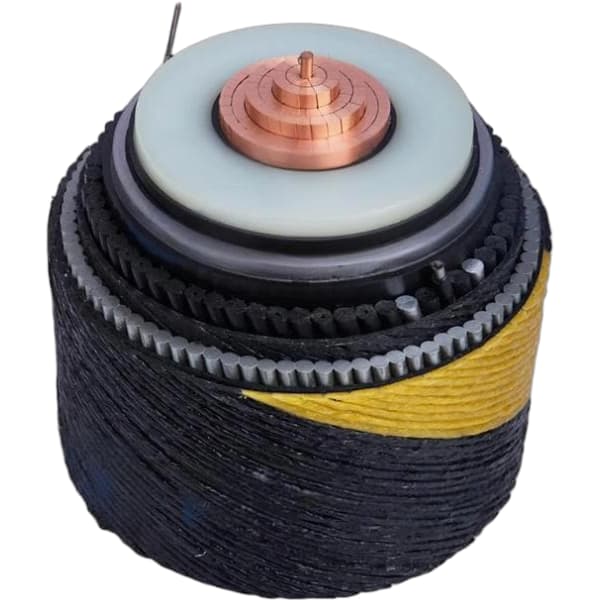
Einführung in 115-kV-XLPE-Kabel
Moderne elektrische Infrastruktur erfordert Zuverlässigkeit, effizient, und langlebige Kraftübertragungssysteme. Während Städte weiter wachsen und Projekte im Bereich erneuerbare Energien weltweit zunehmen, Unterirdische Hochspannungskabelsysteme sind wichtiger denn je. Unter diesen Lösungen, Das 115-kV-XLPE-Kabel ist weithin für seine hervorragende elektrische Leistung und Betriebsstabilität bekannt.
Im Gegensatz zu herkömmlichen papierisolierten oder ölgefüllten Kabeln, XLPE-isolierte Kabel bieten eine bessere Wärmebeständigkeit, geringerer Wartungsaufwand, und verbesserter Umweltschutz. Folglich, Versorgungsunternehmen, EPC-Auftragnehmer, Entwickler erneuerbarer Energien, und Industrieanlagen entscheiden sich zunehmend für 115-kV-XLPE-Kabel für Übertragungsnetze mittlerer und hoher Kapazität.
In vielen Ländern, Unterirdische Übertragungsprojekte ersetzen Freileitungen in städtischen Umgebungen. Infolge, Die Nachfrage nach hochwertigen 115-kV-XLPE-Kabelsystemen wächst weiterhin rasant.
Was ist ein 115-kV-XLPE-Kabel??
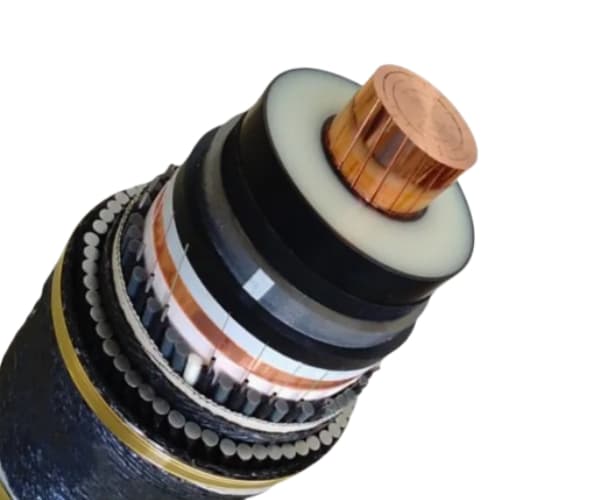
Ein 115-kV-XLPE-Kabel ist ein Hochspannungskabel, das mit vernetztem Polyethylenmaterial isoliert ist. Das Kabel ist für elektrische Übertragungssysteme mit den Spannungsklassen 69/115 kV oder 64/110 kV ausgelegt.
Weil XLPE-Isolierung hervorragende dielektrische Eigenschaften aufweist, Es arbeitet effizient unter Bedingungen hoher elektrischer Belastung. Zusätzlich, Das Material bietet eine hervorragende Feuchtigkeitsbeständigkeit, thermische Alterung, und chemische Korrosion.
Heute, 115kV-XLPE-Kabel werden üblicherweise in verlegt:
- Städtische unterirdische Übertragungssysteme
- Projekte für erneuerbare Energien
- Industrielle Umspannwerke
- Eisenbahnelektrifizierungssysteme
- Flughafeninfrastruktur
- Bergbaubetriebe
- Öl- und Gasanlagen
Hauptstruktur des 115-kV-XLPE-Kabels
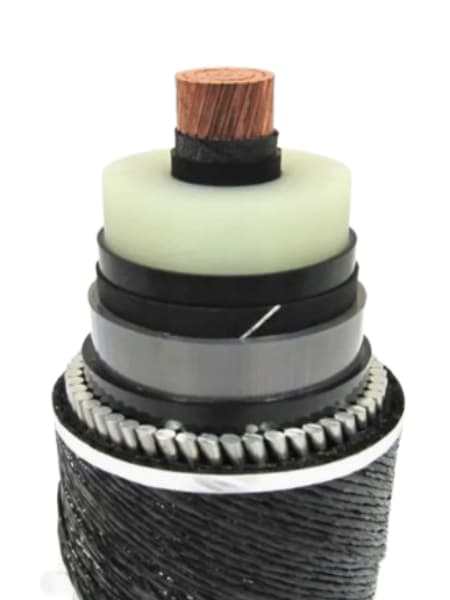
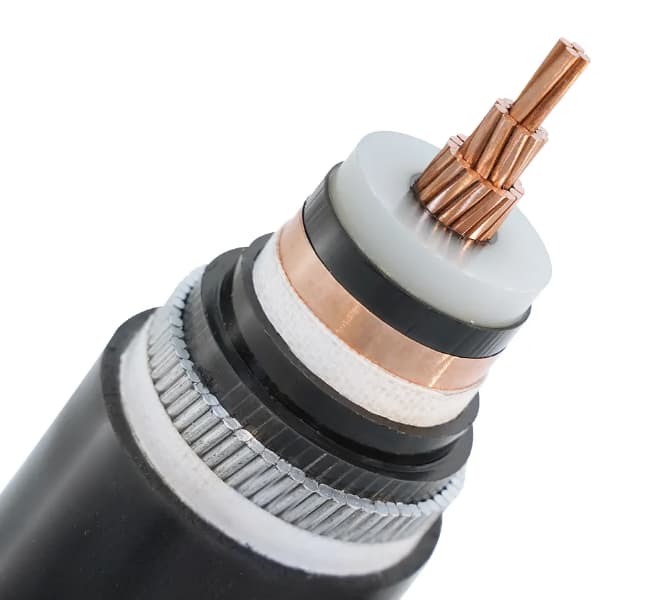
Ein modernes Hochspannungskabel besteht aus mehreren sorgfältig konstruierten Schichten. Jede Schicht erfüllt eine bestimmte elektrische oder mechanische Funktion.
Typischer Kabelaufbau
| Komponente | Hauptfunktion |
|---|---|
| Dirigent | Leitet elektrischen Strom |
| Dirigentenschirm | Kontrolliert elektrischen Stress |
| XLPE-Isolierung | Hauptdielektrische Isolierung |
| Isolierschirm | Gleichmäßige elektrische Feldverteilung |
| Metallischer Bildschirm | Fehlerstrom-Rückleitungspfad |
| Wasserblockierende Schicht | Verhindert das Eindringen von Wasser |
| Bettungsschicht | Mechanische Dämpfung |
| Panzerung | Mechanischer Schutz |
| Äußere Hülle | Umweltschutz |
Außerdem, Hersteller können die Struktur je nach Installationsbedingungen und Kundenanforderungen anpassen.
Vorteile des 115-kV-XLPE-Kabels
Hervorragende thermische Leistung
Durch die XLPE-Isolierung kann das Kabel sicher bei hohen Temperaturen betrieben werden.
Zu den typischen Temperaturwerten gehören::
| Betriebszustand | Temperatur |
|---|---|
| Normaler Betrieb | 90°C |
| Notfallüberlastung | 130°C |
| Kurzschluss | 250°C |
daher, XLPE-Kabel können mehr Strom übertragen als viele herkömmliche Kabelsysteme.
Geringere elektrische Verluste
Die dielektrischen Verluste der XLPE-Isolierung sind relativ gering. Folglich, Die Übertragungseffizienz verbessert sich in Fernstromnetzen deutlich.
Längere Lebensdauer
Bei ordnungsgemäßer Installation und Wartung, Ein 115-kV-XLPE-Kabelsystem kann länger als betrieben werden 30 Zu 40 Jahre. Darüber hinaus, Die Isolationsstruktur bleibt auch bei schwankenden Belastungsbedingungen stabil.
Reduzierter Wartungsaufwand
Ölgefüllte Kabelsysteme erfordern häufig komplexe Drucküberwachungsgeräte. Jedoch, XLPE-Kabel machen Flüssigkeitswartungssysteme überflüssig, was die Betriebskosten erheblich senkt.
Internationale Standards für 115-kV-XLPE-Kabel
Hochspannungskabel müssen strengen internationalen Standards entsprechen, um einen sicheren und stabilen Betrieb zu gewährleisten.
IEC-Standards
| Standard | Beschreibung |
|---|---|
| IEC 60840 | Stromkabel über 30 kV bis 150 kV |
| IEC 62067 | Höchstspannungskabelsysteme |
| IEC 60228 | Leiter isolierter Kabel |
| IEC 60502 | Anforderungen an die Isolierung von Stromkabeln |
| IEC 60229 | Prüfung des Mantels |
Amerikanische Standards
| Standard | Beschreibung |
|---|---|
| ICEA S-108-720 | Standardmäßig abgeschirmtes Stromkabel |
| AEIC CS9 | Spezifikation für extrudierte dielektrische Kabel |
| IEEE 48 | Kabelanschlüsse |
| IEEE 404 | Kabelverbindungen |
| ASTM-Standards | Standards für Leitermaterial |
Denn viele internationale Projekte erfordern mehrere Zertifizierungen, Hersteller produzieren Kabel häufig sowohl nach IEC- als auch nach IEEE-Spezifikationen.
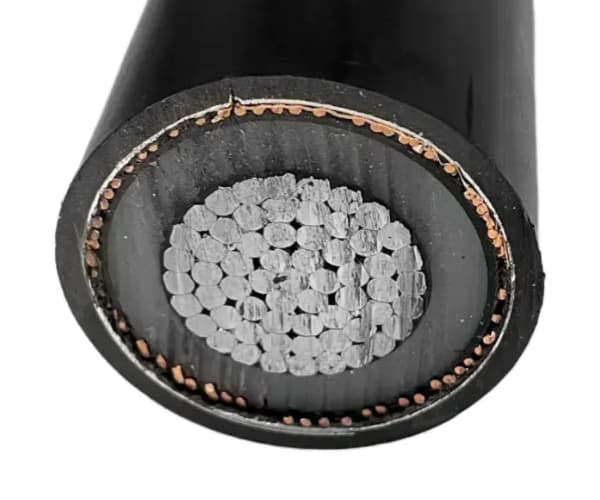
Kupfer- und Aluminiumleiter
Die Auswahl des richtigen Leitermaterials ist ein wichtiger Teil der Kabelsystemkonstruktion.
Kupferleiter
Kupferleiter sorgen dafür:
- Höhere Leitfähigkeit
- Geringere Übertragungsverluste
- Bessere mechanische Festigkeit
- Kleinerer Leiterdurchmesser
Infolge, Kupfer wird häufig in kompakten unterirdischen Systemen und städtischen Umspannwerken verwendet.
Aluminiumleiter
Aluminiumleiter bieten mehrere wirtschaftliche Vorteile.
Zu diesen Vorteilen gehören:
- Geringere Materialkosten
- Reduziertes Kabelgewicht
- Einfacherer Transport
- Geringere Installationsspannung
daher, Bei Übertragungsprojekten im Versorgungsmaßstab werden für Fernnetze häufig Aluminiumleiter eingesetzt.
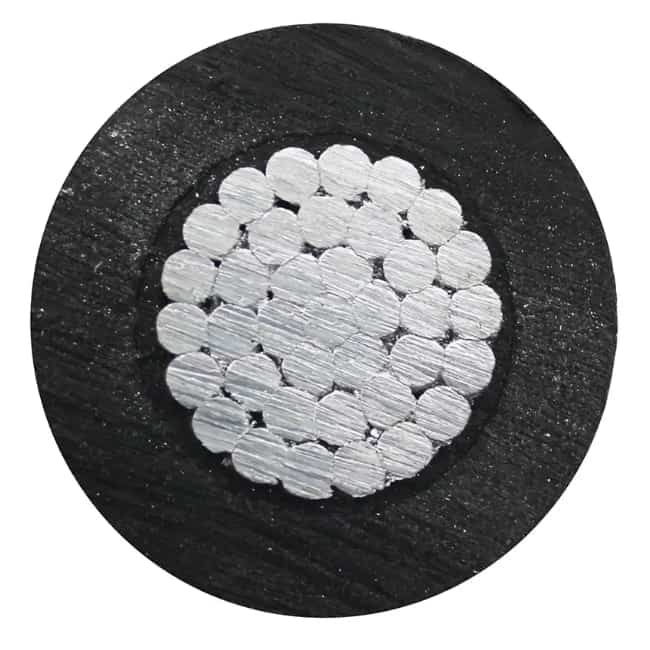
Amerikanische Standardgrößen von 12AWG bis 1000MCM
Auf dem nordamerikanischen Markt werden üblicherweise AWG- und MCM-Leiterdimensionierungssysteme verwendet.
AWG- und MCM-Größentabelle
| AWG/MCM-Größe | Querschnitt mm² |
|---|---|
| 12 AWG | 3.31 |
| 10 AWG | 5.26 |
| 8 AWG | 8.37 |
| 6 AWG | 13.3 |
| 4 AWG | 21.1 |
| 2 AWG | 33.6 |
| 1 AWG | 42.4 |
| 1/0 AWG | 53.5 |
| 2/0 AWG | 67.4 |
| 3/0 AWG | 85 |
| 4/0 AWG | 107.2 |
| 250 MCM | 126.7 |
| 300 MCM | 152 |
| 350 MCM | 177.3 |
| 400 MCM | 202.7 |
| 500 MCM | 253.4 |
| 600 MCM | 304 |
| 750 MCM | 380.1 |
| 800 MCM | 405.4 |
| 1000 MCM | 506.7 |
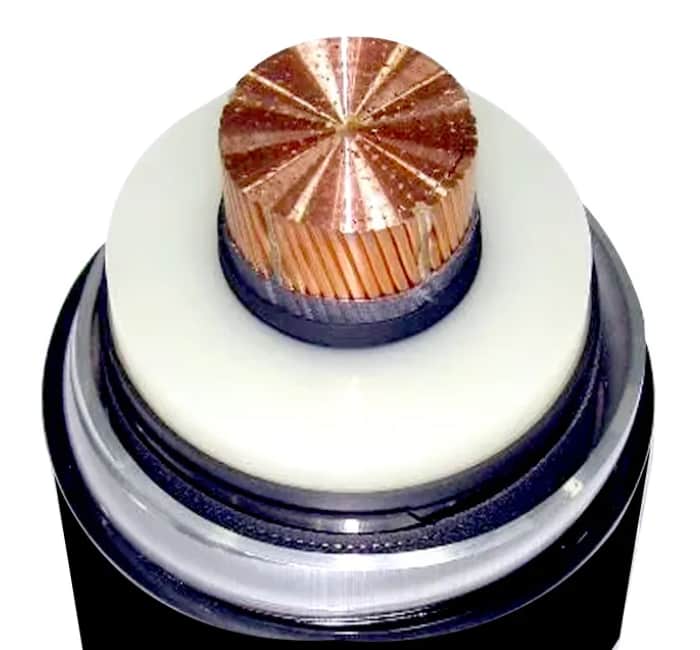
IEC-Leitergrößen von 50 mm² bis 3000 mm²
Viele internationale Übertragungsprojekte folgen den metrischen IEC-Leiternormen.
Tabelle der metrischen IEC-Größen
| IEC-Größe | Typische Anwendung |
|---|---|
| 50 mm² | Lichtverteilungssysteme |
| 70 mm² | Industrielle Netzwerke |
| 95 mm² | Kommerzielle Stromversorgung |
| 120 mm² | Städtische Verteilung |
| 150 mm² | Mittellastgetriebe |
| 185 mm² | Versorgungssysteme |
| 240 mm² | Umspannwerksanschlüsse |
| 300 mm² | Unterirdische Übertragung |
| 400 mm² | Industrielle Infrastruktur |
| 500 mm² | Projekte zur Stromerzeugung |
| 630 mm² | Erneuerbare Energiesysteme |
| 800 mm² | Hochleistungsübertragung |
| 1000 mm² | Versorgungsstromnetze |
| 1200 mm² | Große Umspannwerke |
| 1400 mm² | Hochlastsysteme |
| 1600 mm² | Schwere Industrieprojekte |
| 2000 mm² | Hauptübertragungskreise |
| 2500 mm² | Systeme mit besonders hoher Kapazität |
| 3000 mm² | Große Versorgungsinfrastruktur |
Elektrische Eigenschaften des 115-kV-Kabels
Typische technische Parameter
| Parameter | Wert |
|---|---|
| Nennspannung | 69/115kV |
| Maximale Systemspannung | 123kV |
| Frequenz | 50Hz / 60Hz |
| Maximale Leitertemperatur | 90°C |
| Kurzschlusstemperatur | 250°C |
| Blitzstoßspannung | 550kV |
| AC-Prüfspannung | 230kV |
Zusätzlich, Hersteller können die Kabelparameter abhängig von den örtlichen Netzanforderungen anpassen.
Installationsmethoden für 115-kV-XLPE-Kabel
Direktbestattungsinstallation
Die direkte Erdverlegung ist eine der wirtschaftlichsten Verlegemethoden. Typischerweise, Das Kabel wird in einem Graben mit Sandbettung und schützendem Warnband verlegt.
Kanalinstallation
Städtische Infrastrukturprojekte nutzen häufig Kanalsysteme, da der Wartungszugang in Zukunft einfacher wird.
Darüber hinaus, Kanalinstallationen bieten zusätzlichen mechanischen Schutz.
Tunnelinstallation
Große Städte und Versorgungsunternehmen nutzen häufig Kabeltunnel für kritische Übertragungssysteme.
Diese Methode bietet:
- Einfachere Inspektion
- Bessere Wärmeableitung
- Vereinfachte Wartung
- Platz für mehrere Schaltkreise
Häufige Anwendungen von 115-kV-XLPE-Kabeln
Projekte für erneuerbare Energien
Solarparks und Windkraftanlagen benötigen stabile Übertragungssysteme, um den erzeugten Strom an das Hauptstromnetz anzuschließen.
Folglich, XLPE-Hochspannungskabel werden häufig in der Infrastruktur für erneuerbare Energien eingesetzt.
Industrieanlagen
Die Schwerindustrie benötigt eine kontinuierliche Stromversorgung mit hoher Kapazität. daher, Viele Fabriken installieren unterirdische 115-kV-Übertragungssysteme, um die Zuverlässigkeit zu verbessern.
Verkehrsinfrastruktur
Auch moderne Transportsysteme sind auf Hochspannungskabelnetze angewiesen.
Zu den gängigen Anwendungen gehören::
- Flughäfen
- Metrosysteme
- Elektrifizierung der Eisenbahn
- Seehafenterminals
Kabelzubehör für 115-kV-Systeme
Ein komplettes Hochspannungskabelsystem erfordert spezielles Zubehör.
Hauptzubehör
| Zubehör | Funktion |
|---|---|
| Outdoor-Terminierung | Anschluss einer Unterstation |
| GIS-Kündigung | Verbindung zu GIS-Geräten |
| Gerade Verbindung | Kabelverbindung |
| Isolierte Verbindung | Elektrische Isolierung |
| Linkbox | Erdungsmanagement |
Ohne entsprechendes Zubehör, Das Kabelsystem kann nicht sicher oder effizient funktionieren.
Prüfverfahren für 115-kV-Kabel
Hersteller führen mehrere Tests durch, bevor sie Hochspannungskabel an Kunden ausliefern.
Routinetests
Zu den Routineinspektionen gehören in der Regel::
- Prüfung des Leiterwiderstands
- Teilentladungsprüfung
- Prüfung der Spannungsfestigkeit
- Dimensionsüberprüfung
Typtests
Typprüfungen bestätigen die langfristige Zuverlässigkeit der Kabel.
Diese Tests können Folgendes umfassen::
- Blitzimpulsprüfung
- Prüfung des Heizzyklus
- Biegeversuche
- Kurzschlusstests
Außerdem, Einige Versorgungsprojekte erfordern vor der kommerziellen Installation zusätzliche Präqualifikationstests.
Wichtige Faktoren bei der Auswahl eines 115-kV-XLPE-Kabels
Vor der Auswahl eines Kabelsystems sollten mehrere technische Faktoren bewertet werden.
Aktuelle Tragfähigkeit
Die Leitergröße muss die erforderliche elektrische Last sicher tragen.
Umgebungsbedingungen
Ingenieure sollten bewerten:
- Wärmewiderstand des Bodens
- Umgebungstemperatur
- Luftfeuchtigkeit
- Mechanische Risiken
Installationsumgebung
Die Kabelleistung kann je nach variieren:
- Unterirdische Beerdigung
- Kanalinstallation
- Tunnelsysteme
- Nasse Umgebungen
Anwendbare Standards
Endlich, Das ausgewählte Kabel sollte den erforderlichen internationalen Standards und Versorgungsspezifikationen entsprechen.
Zukünftige Trends in der Hochspannungs-XLPE-Kabeltechnologie
Der globale Hochspannungskabelmarkt wächst aufgrund steigender Infrastrukturinvestitionen weiter. Gleichzeitig, Hersteller entwickeln fortschrittliche Kabeltechnologien, um Effizienz und Nachhaltigkeit zu verbessern.
Moderne Innovationen umfassen:
- Leiter mit höherer Strombelastbarkeit
- Umweltfreundliche Mantelmaterialien
- Verbesserte Feuchtigkeitsbarrieren
- Intelligente Überwachungssysteme
- Reduzierte Übertragungsverluste
Da die Stromnetze immer komplexer werden, Zuverlässige Erdkabelsysteme werden noch wichtiger.
115kV XLPE-Kabel
Das 115-kV-XLPE-Kabel ist eine der wichtigsten Komponenten der modernen unterirdischen Stromübertragungsinfrastruktur. Dank seiner überlegenen Isolationsleistung, hohe thermische Beständigkeit, lange lebensdauer, und geringer Wartungsaufwand, Die XLPE-Kabeltechnologie ist weltweit zur bevorzugten Wahl für Versorgungsunternehmen und Industrieprojekte geworden.
Ob amerikanische Standardleitergrößen von 12AWG bis 1000MCM oder metrische IEC-Größen von 50mm² bis 3000mm², Die richtige Kabelauswahl bleibt für eine zuverlässige und effiziente elektrische Übertragung von entscheidender Bedeutung.
In der Zukunft, Die Nachfrage nach hochwertigen 115-kV-XLPE-Kabelsystemen wird mit der Expansion der Städte weiter steigen, Projekte für erneuerbare Energien wachsen, und die globale Energieinfrastruktur wird modernisiert.