
1. What Is a 145kV Cable Joint?
A 145kV cable joint connects two sections of high-voltage power cables in an underground transmission system. It provides a safe electrical connection and keeps the cable insulation continuous. Zusätzlich, it protects the connection from moisture, mechanischer Schaden, and other external factors.
Power utilities use 145kV cable joints in 110kV and 132kV transmission networks. These systems have a maximum voltage of 145kV. daher, each cable joint must match the electrical and mechanical needs of the cable system.
Heute, many cities and industrial areas use underground power cables instead of overhead lines. Infolge, the demand for reliable 145kV high-voltage cable joints continues to grow.
A high-quality cable joint helps maintain stable power transmission. Noch wichtiger, it reduces the risk of insulation failure and unexpected power outages.
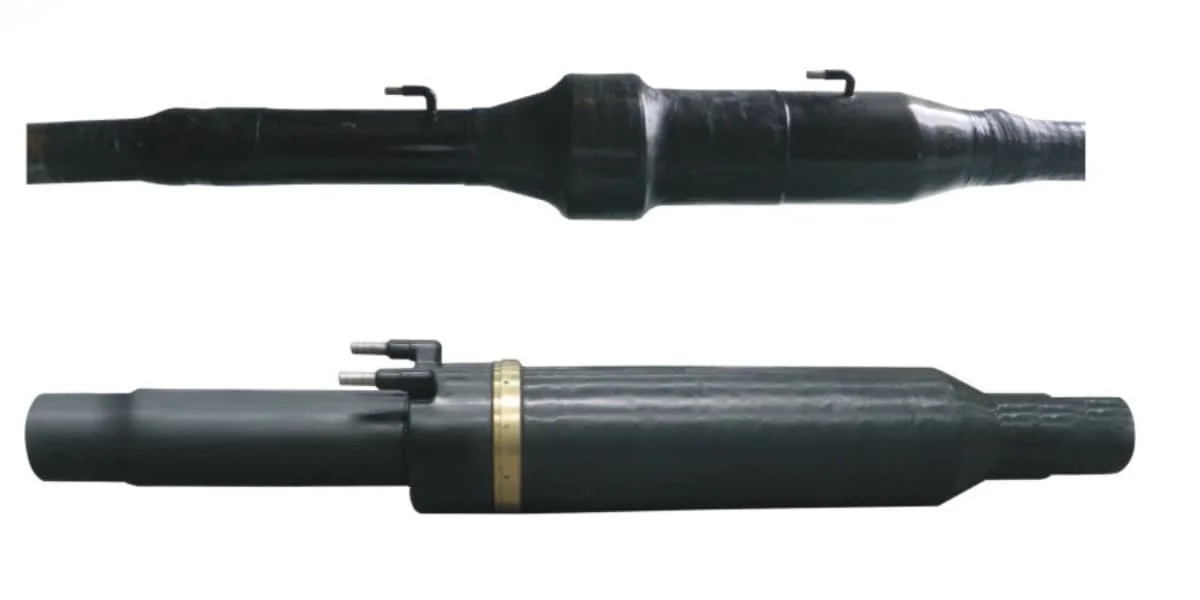
2. Main Types of 145kV Cable Joints
Different power projects require different cable joint designs. The choice mainly depends on cable construction, Leitergröße, insulation material, und Einbaubedingungen.
2.1 145kV Pre-Molded Cable Joint
A 145kV pre-molded cable joint uses a factory-made rubber insulation body. Manufacturers produce this part under controlled conditions to ensure stable dimensions and insulation quality.
Während der Installation, technicians place the pre-molded body over the prepared cable connection. The design provides insulation and controls the electrical field around the conductor connector.
Its main advantages include:
- Stable insulation quality.
- Good electrical performance.
- Compact product design.
- Faster installation.
- Reliable long-term operation.
Aus diesen Gründen, many underground power transmission projects use pre-molded joints for 110kV, 132kV, and 145kV XLPE cables.
2.2 145kV Plug-In Cable Joint
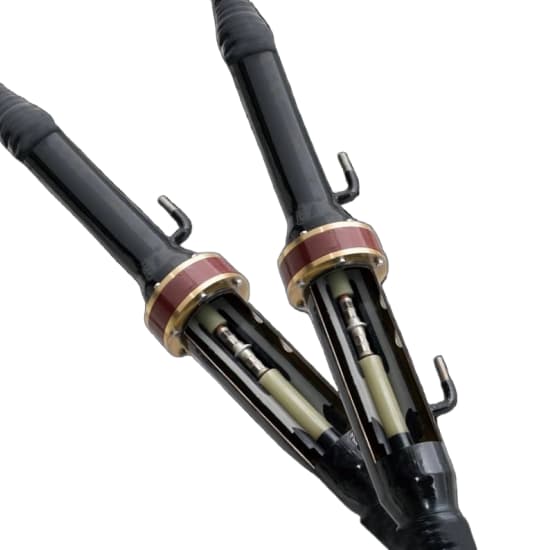
A 145kV plug-in cable joint uses a special plug-in connection structure. It creates a reliable electrical interface between compatible cable components or electrical equipment.
This design offers a clear installation process and helps reduce on-site assembly work. Jedoch, engineers must check the interface size, Isolationsstruktur, and electrical rating before selecting the product.
2.3 145kV Wrapped Cable Joint
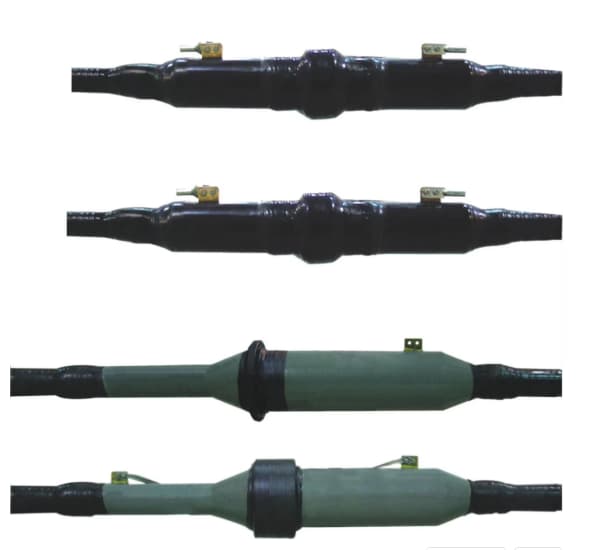
A wrapped cable joint uses special insulating tapes and stress-control materials. Technicians build the insulation structure around the cable connection during installation.
This design can meet certain special project needs. Jedoch, modern 145kV XLPE cable systems often prefer factory-made pre-molded joint solutions because they offer better control over the main insulation structure.
2.4 145kV Transition Cable Joint
A 145kV transition cable joint connects two cables with different designs or insulation systems.
Zum Beispiel, it can connect:
- XLPE cable to oil-filled cable.
- XLPE cable to HPFF cable.
- Copper conductor cable to aluminum conductor cable.
- Cables with different conductor cross-sections.
- Cables with different insulation diameters.
In diesen Fällen, engineers must consider conductor connections, insulation compatibility, and electric field control. daher, manufacturers should review the complete cable specifications before production.
3. Main Structure of a 145kV XLPE Cable Joint
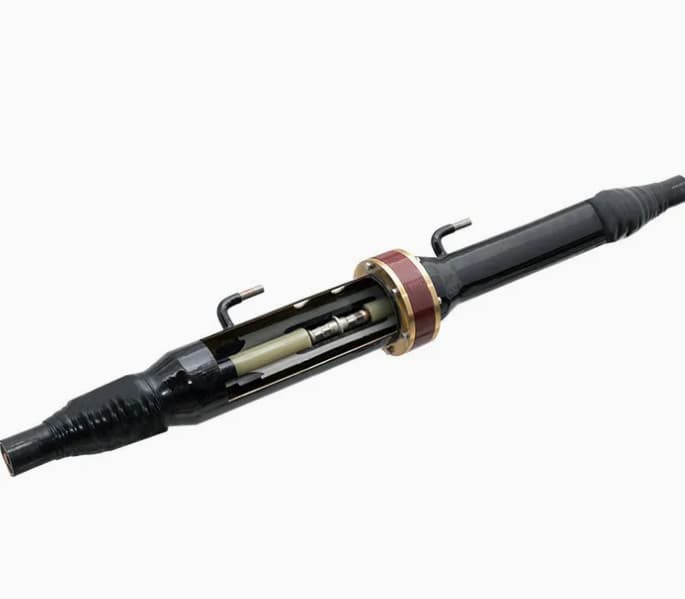
A typical 145kV XLPE cable joint contains several important parts. Each part has a specific function, and all parts work together to ensure safe operation.
Leiteranschluss
The conductor connector joins the copper or aluminum conductors of two cable sections. Manufacturers normally use compression connectors or mechanical connectors.
A good connector provides low electrical resistance and sufficient mechanical strength. Zusätzlich, its dimensions must match the conductor size.
Main Insulation Body
The main insulation body provides electrical insulation between the conductor and the metallic screen.
Manufacturers commonly use silicone rubber or EPDM materials in pre-molded cable joints. These materials offer good insulation performance and suitable flexibility.
Stresskontrollsystem
Stress control plays a key role in every 145kV high-voltage cable joint.
When technicians connect two cable sections, the electric field can become uneven around the conductor connector and insulation screen cutback. daher, the joint needs a suitable stress-control design.
This system helps distribute electrical stress and reduces the risk of partial discharge.
Semi-Conductive Screen
The semi-conductive screen creates a smooth electrical connection between the cable insulation and the joint insulation system.
It also helps control the electric field around the joint area.
Metallic Shielding
Metallic shielding restores electrical continuity across the cable joint. Manufacturers may use copper wires, copper mesh, or copper tape according to the cable design.
Außerdem, the metallic screen provides a path for fault current and connects with the cable grounding system.
Äußere Schutzschicht
The outer protective layer protects the cable joint from moisture, Korrosion, und mechanische Schäden.
For underground installations, waterproof sealing plays an especially important role. Infolge, the joint can maintain reliable performance in different soil and environmental conditions.
4. Technical Specifications of a 145kV Cable Joint
Before purchasing a 145kV cable joint, customers should confirm the cable voltage rating and construction details.
The following table shows typical application parameters:
| Parameter | Typical Specification |
|---|---|
| Kabelspannung | 64/110kV or 76/132kV |
| Maximale Systemspannung | 123kV or 145kV |
| Kabelisolierung | XLPE |
| Leitermaterial | Kupfer oder Aluminium |
| Leiterquerschnitt | 240–2500 mm² |
| Joint type | Pre-molded or customized |
| Isoliermaterial | Silikonkautschuk / EPDM |
| Installation | Unterirdisch |
| Metallschirm | Copper wires or copper tape |
| Main standard | IEC 60840 |
These values describe common application ranges, not fixed specifications for every product. Actual requirements depend on the cable design and project documents.
Zum Beispiel, a 76/132kV XLPE cable system with a maximum voltage of 145kV needs a compatible 145kV cable joint.
Zusätzlich, the manufacturer must check the cable insulation diameter, Leitergröße, screen structure, and outer sheath dimensions before production.
5. 145kV Cable Joint Installation Procedure
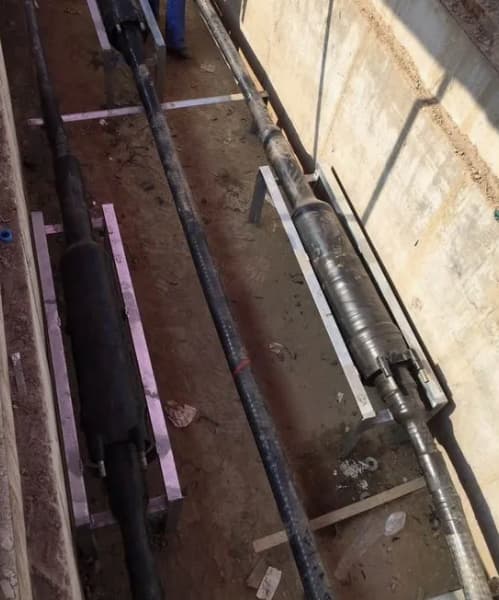
Correct installation directly affects the service life of a high-voltage cable joint. Even a well-designed product may fail if technicians do not follow the correct installation process.
daher, trained cable jointing technicians should complete the work according to the manufacturer’s installation manual.
Schritt 1: Prepare the Cable Ends
Erste, technicians measure and mark the cable according to the installation drawings. Dann, they remove the outer sheath, metallischer Schirm, semi-conductive layer, and insulation at the required positions.
They must keep the cable surface clean and avoid damaging the main insulation.
Schritt 2: Connect the Conductors
Nächste, technicians connect the two cable conductors with a compression or mechanical connector.
They should follow the specified installation dimensions and tightening requirements. Zusätzlich, they must check the connector surface and connection quality.
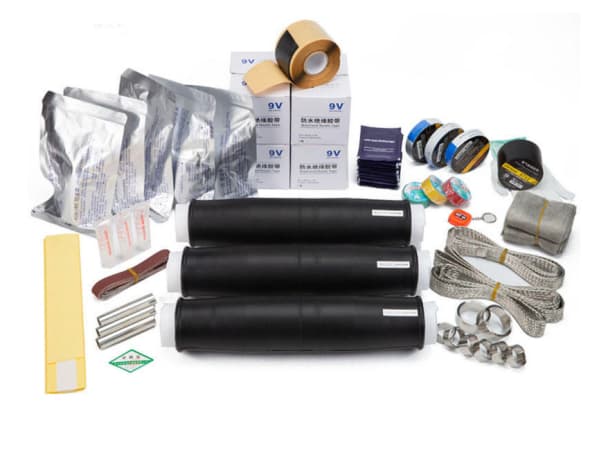
Schritt 3: Install the Main Insulation Body
After completing the conductor connection, technicians install the pre-molded insulation body.
They must place it in the correct position and keep the insulation interface clean. This step helps maintain the required electrical insulation.
Schritt 4: Install the Stress Control Components
Technicians install the stress-control parts according to the manufacturer’s drawings.
Correct positioning is very important because the stress-control system helps prevent high electrical stress around the cable screen cutback.
Schritt 5: Restore the Metallic Screen
Nächste, technicians reconnect the metallic screen across the joint. They also connect the grounding components according to the cable system design.
This step ensures electrical continuity and provides a path for fault current.
Schritt 6: Complete Waterproofing
Technicians install the outer sealing and protective components. These parts prevent water from entering the joint and protect it from external damage.
Schritt 7: Perform Electrical Tests
Endlich, the project team carries out the required electrical tests and inspections. The team should check the test results before energizing the cable system.
6. Testing Standards for 145kV Cable Joints
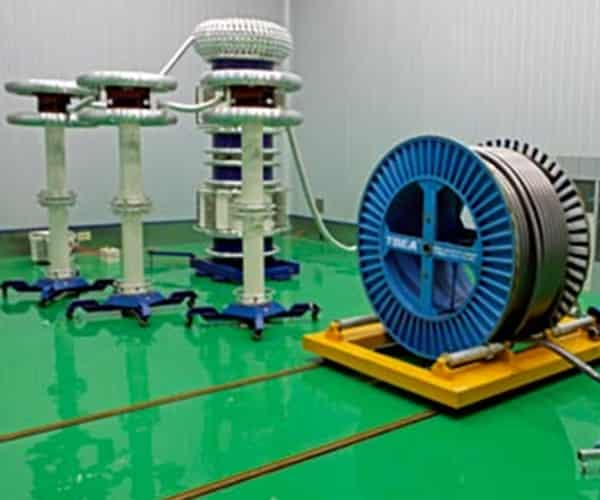
Testing helps customers confirm the quality and electrical performance of a 145kV cable joint.
IEC 60840 covers extruded-insulation power cables and their accessories for rated voltages above 30kV up to 150kV. daher, this standard applies to 145kV cable systems.
Depending on the product design and project requirements, the testing program may include:
- Teilentladungstest.
- Prüfung der Wechselspannungsfestigkeit.
- Lightning impulse voltage test.
- Heating cycle voltage test.
- Insulation resistance measurement.
- Conductor resistance test.
- Mechanische Inspektion.
- Maßprüfung.
- Sealing and waterproof performance checks.
Zusätzlich, customers should review the type test reports, routine test records, and quality inspection documents.
Type tests verify the design, while routine tests help control production quality. Aus diesem Grund, both types of records are important when selecting a 145kV cable joint supplier.
7. Applications of 145kV Cable Joints
145kV cable joints support many high-voltage power transmission projects.
Zu den gängigen Anwendungen gehören::
- Underground power transmission networks.
- High-voltage substations.
- Kraftwerke zur Stromerzeugung.
- Industrielle Stromversorgungssysteme.
- Solar power transmission projects.
- Offshore wind farm connections.
- Urban underground cable networks.
- Utility grid expansion projects.
For long-distance underground cable circuits, manufacturers cannot always supply one continuous cable length. daher, contractors need cable joints to connect different cable sections.
Darüber hinaus, reliable joints help utilities maintain continuous power transmission and reduce maintenance risks.
8. How to Choose a 145kV Cable Joint Manufacturer?
Choosing the right 145kV cable joint manufacturer is important for project quality and long-term safety.
Bevor Sie eine Bestellung aufgeben, customers should check the following points.
1. Voltage Compatibility
Erste, confirm that the cable joint matches the rated voltage and maximum system voltage. For a 145kV system, the joint must meet the electrical requirements of the complete cable circuit.
2. Cable Dimensions
Nächste, provide the conductor cross-section, Isolationsdurchmesser, metallic screen details, and outer sheath dimensions. These details help the manufacturer select the correct joint design.
3. International Standards
Check whether the product meets IEC 60840 and the technical requirements in the project specification.
4. Product Testing
Ask the manufacturer for type test reports, routine test records, and quality documents. These records help verify product performance.
5. Installationsunterstützung
A professional supplier should provide installation manuals, technical guidance, and training support when required.
6. Project Experience
Endlich, check the manufacturer’s experience with 110kV, 132kV, and 145kV cable accessories. Previous project experience can help customers assess the supplier’s technical capabilities.
9. 145kV Cable Joint Manufacturer and Supplier – DOS Group
DOS-Gruppe, through Dosense Cable, is a manufacturer and supplier of high-voltage cable accessories in China.
We provide cable joint and cable termination solutions for underground power transmission systems, including 110kV, 132kV, and 145kV applications.
Our product range includes:
- 145kV XLPE cable joints.
- 145kV pre-molded cable joints.
- High-voltage cable outdoor terminations.
- 145kV GIS cable terminations.
- Kabelendverschlüsse für den Innenbereich.
- High-voltage cable accessories.
We can develop suitable solutions according to the customer’s cable specifications, inklusive Leitermaterial, Querschnittsfläche, Isolationsdurchmesser, metallic screen structure, and rated voltage.
Außerdem, DOS Group supports technical documentation, product testing, installation manuals, and engineering communication for international power projects.
Whether you are a power utility, EPC-Auftragnehmer, Kabelhersteller, or electrical equipment distributor, we can provide technical support and customized 145kV cable joint solutions.
Contact DOS Group today to request a 145kV cable joint quotation, technical datasheet, product specifications, and customized high-voltage cable accessory solutions.