
1. Introduction to 110kV Cable Outdoor Termination
A 110kV cable outdoor termination plays an important role in high-voltage power transmission systems. It connects XLPE power cables to outdoor electrical equipment, como transformadores, aparamenta, and overhead transmission lines.
Hoy, many cities and industrial areas use underground high-voltage cables. These cables help reduce visual pollution and improve the use of land. Sin embargo, they need reliable accessories to connect with other electrical equipment.
A 110kV outdoor cable termination provides this connection. It also controls the electric field at the end of the cable and protects the insulation system.
Unlike indoor cable terminations, outdoor types must work in different weather conditions. Por ejemplo, they need to withstand rain, luz del sol, humedad, viento, y la contaminación. Por lo tanto, manufacturers must pay close attention to insulation design and outdoor protection.
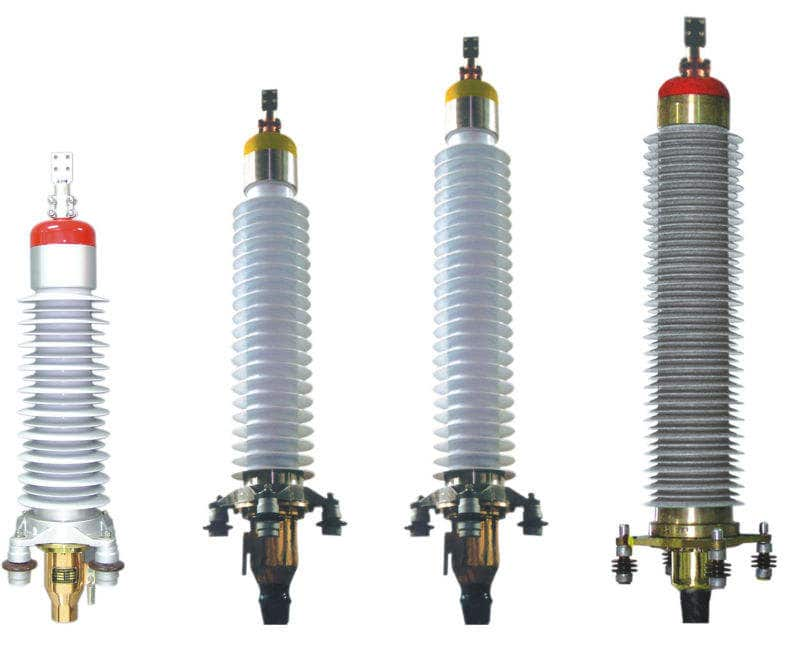
2. What Is a 110kV Cable Outdoor Termination?
A 110kV cable outdoor termination is a high-voltage accessory that connects an XLPE cable to outdoor electrical equipment.
You can find these products in power substations, plantas industriales, Proyectos de energía renovable, and transmission networks.
The termination performs three main functions.
Primero, it controls the electric field. When the metallic screen of an XLPE cable ends, the electric field can become concentrated around the cable insulation. A proper stress control system helps reduce this problem.
Segundo, it provides electrical insulation. The insulation system separates the high-voltage conductor from grounded parts. Como resultado, it helps prevent electrical breakdown.
Tercero, it protects the cable connection. The outdoor housing protects the internal parts from rain, humedad, polvo, y otros factores ambientales.
For IEC-based 110kV power systems, the maximum equipment voltage is commonly 123kV (Um = 123kV). Sin embargo, engineers should always check the project specifications before selecting the termination.
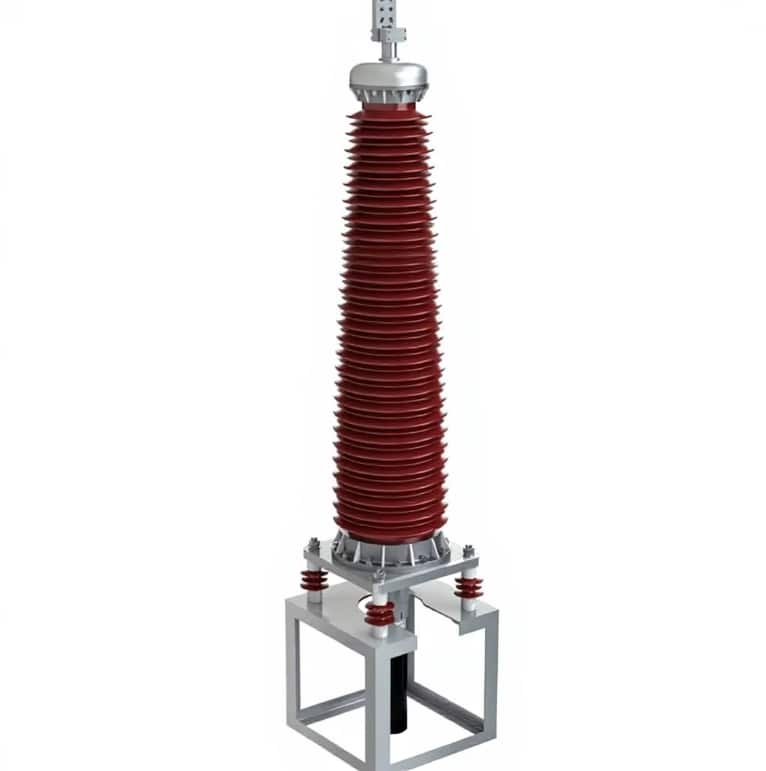
3. Main Components of a 110kV Outdoor Cable Termination
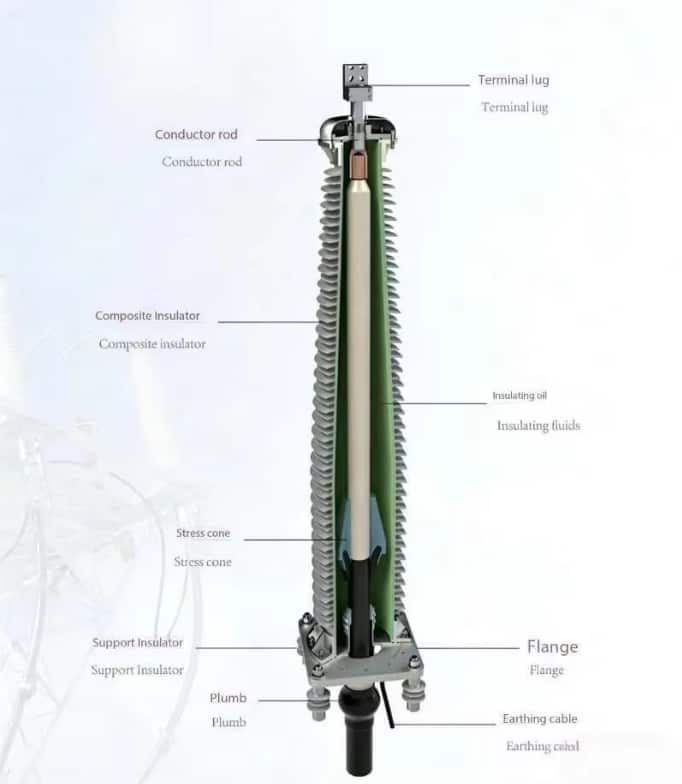
A 110kV outdoor cable termination contains several important parts. Cada parte tiene una función específica.. Juntos, they provide reliable insulation and electrical connections.
3.1. Conector de conductores
El conector conductor une el cable conductor al equipo eléctrico externo..
Manufacturers usually make these connectors from copper or aluminum. The material must match the cable conductor and connection design.
A good connector should provide:
- Low electrical contact resistance.
- Alta conductividad eléctrica.
- Buena resistencia mecánica.
- Reliable contact during operation.
- Suitable short-circuit current capacity.
For large conductor sizes, the connector design also needs to consider conductor diameter and compression requirements.
3.2. Electric Field Stress Control System
The stress control system is one of the most important parts of a high-voltage cable termination.
At the end of the semiconductive screen, the electric field changes sharply. This change may create high electrical stress in a small area. Con el tiempo, excessive stress can lead to partial discharge and insulation failure.
To solve this problem, the termination uses a special stress control component. It helps distribute the electric field more evenly around the cable insulation.
Depending on the product design, manufacturers may use prefabricated stress cones or other field control structures.
A well-designed system reduces electrical stress and improves the service life of the termination.
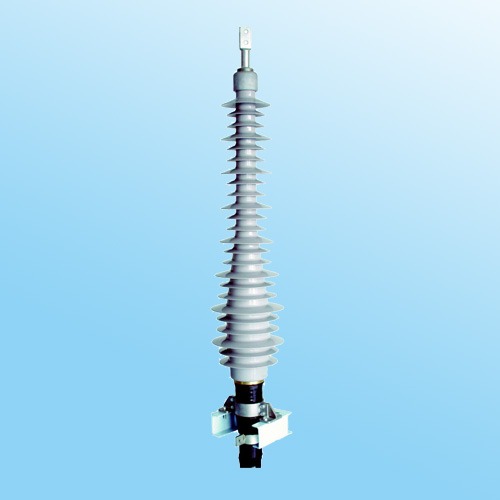
3.3. Aislamiento principal
The main insulation separates the energized conductor from grounded components.
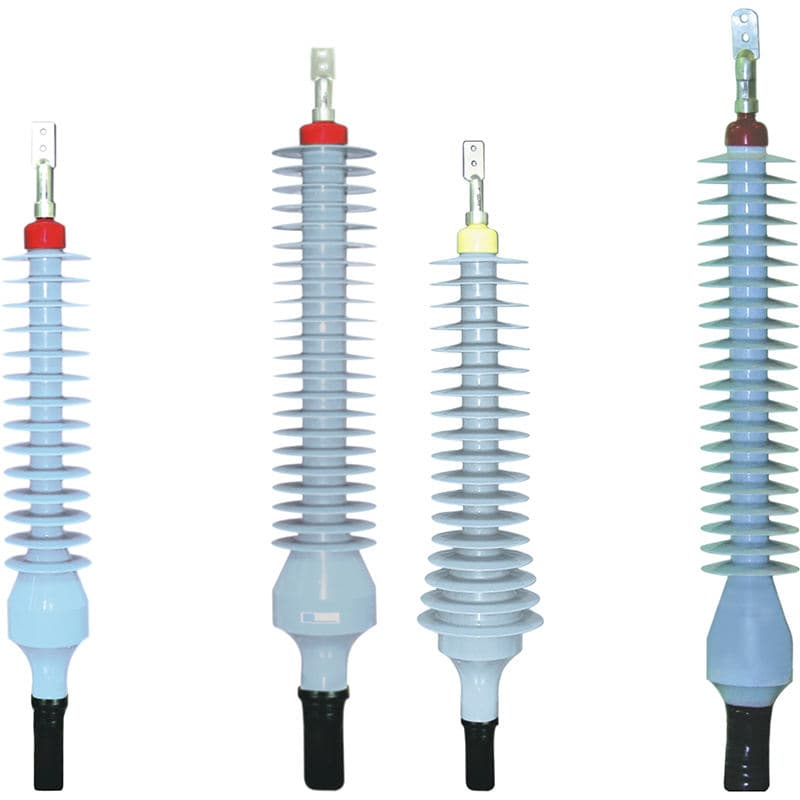
Most modern 110kV outdoor cable terminations use prefabricated insulation parts. Silicone rubber is a common material because it offers good electrical and environmental performance.
The insulation must fit the cable correctly. Por lo tanto, manufacturers need to consider the insulation diameter, thickness, and cable structure when designing the termination.
3.4. Silicone Rubber Insulator Housing
The external housing protects the insulation system from outdoor conditions.
Silicone rubber is widely used in modern high-voltage outdoor terminations. It offers several useful advantages:
- Excellent water-repellent properties.
- Good resistance to pollution.
- Strong UV resistance.
- Low weight.
- Good flexibility.
- Excellent outdoor performance.
Además, silicone rubber can help reduce surface leakage current under wet and polluted conditions.
Por esta razón, many power companies choose silicone rubber outdoor terminations for modern substations.
3.5. Porcelain Insulator Housing
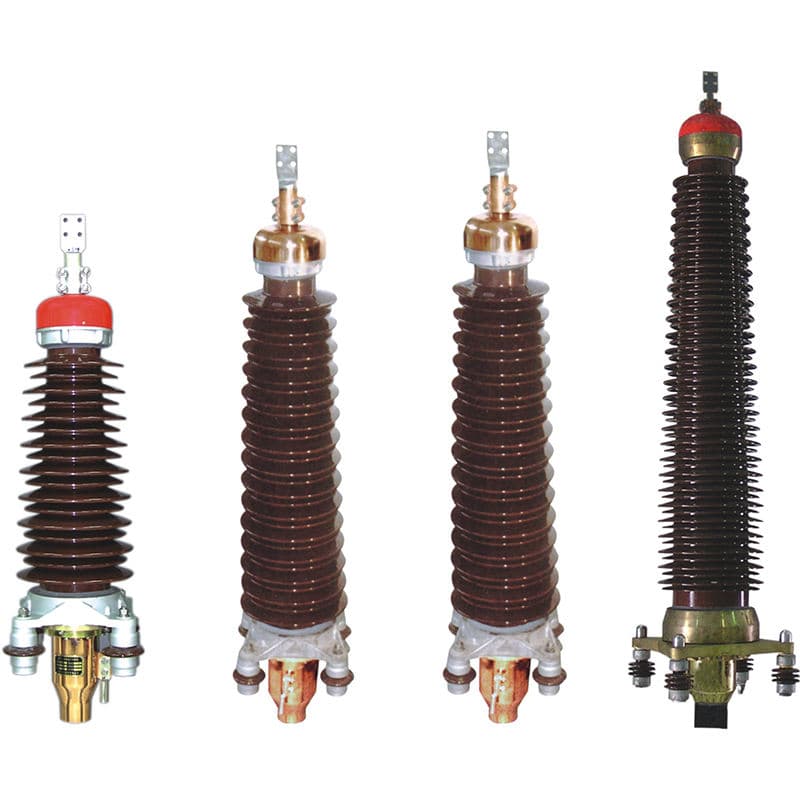
Porcelain is another common material for high-voltage outdoor cable terminations.
It provides high mechanical strength and stable electrical insulation. Además, porcelain has a long history of use in power transmission systems.
Sin embargo, porcelain housings are heavier than silicone rubber designs. They also need careful handling during transportation and installation.
Por lo tanto, engineers should compare both materials before making a final decision.
3.6. Grounding and Sealing System
The grounding system connects the metallic screen of the cable to the grounding network.
The actual grounding method depends on the cable bonding design. Common methods include single-point bonding, both-end bonding, and cross-bonding.
Mientras tanto, sealing components prevent water and moisture from entering the termination.
A reliable sealing system helps protect the internal insulation and maintain long-term electrical performance.

4. Types of 110kV Cable Outdoor Terminations
Manufacturers offer different outdoor termination designs for 110kV XLPE cable systems. The best choice depends on the project requirements and installation conditions.
4.1. Silicone Rubber Outdoor Termination
Silicone rubber outdoor terminations are popular in modern power transmission projects.
Their lightweight design makes transportation and installation easier. Además, silicone rubber provides excellent resistance to moisture, contaminación, and ultraviolet radiation.
Main advantages include:
- Construcción ligera.
- Good hydrophobic performance.
- Excellent pollution resistance.
- Strong weather resistance.
- Easy transportation.
- Convenient installation.
Como resultado, these products are suitable for outdoor substations, instalaciones industriales, y proyectos de energías renovables.
4.2. Porcelain Outdoor Cable Termination
Porcelain outdoor terminations have been used in high-voltage power networks for many years.
Their main advantages include high mechanical strength, stable insulation performance, and good heat resistance.
Sin embargo, porcelain is relatively heavy and can break under strong mechanical impact.
Por lo tanto, installation teams must handle these products with care.
4.3. Prefabricated Outdoor Cable Termination
Prefabricated cable terminations use factory-made insulation components.
Manufacturers design these components according to the cable dimensions and electrical requirements. This approach helps improve product consistency and reduce installation work.
Además, prefabricated designs can reduce the risk of errors during on-site assembly.
Sin embargo, installation teams must still follow the manufacturer’s instructions and prepare the cable surface correctly.

5. Technical Specifications of 110kV Cable Outdoor Terminations
The technical specifications of a 110kV outdoor cable termination depend on the system voltage, cable design, tamaño del conductor, y entorno de instalación.
For many IEC-based 110kV systems, the maximum equipment voltage is 123kV.
The following table shows typical reference specifications.
| Parámetro | Especificación |
|---|---|
| Nombre del producto | 110Terminación exterior del cable kV |
| Rated System Voltage | 110kV |
| Maximum Equipment Voltage | 123kV |
| Rated Frequency | 50Hz / 60Hz |
| Tipo de cable | XLPE Power Cable |
| Material conductor | Cobre / Aluminio |
| Conductor Cross-Section | According to project |
| Aislamiento principal | XLPE-compatible insulation system |
| External Insulation | Caucho de silicona / Porcelana |
| Ubicación de instalación | Exterior |
| Installation Type | Vertical |
| Stress Control | Prefabricated Stress Control System |
| Applicable Standard | CEI 60840 |
These values serve as a technical reference. Actual dimensions and electrical test levels must follow the approved project specifications.
Engineers should also check the creepage distance, tensión soportada al impulso del rayo, and power frequency withstand voltage before selecting the product.
6. International Standards for 110kV Cable Terminations
International standards help ensure the safety and reliability of high-voltage cable accessories.
For 110kV XLPE cable systems, CEI 60840 es uno de los estándares más importantes.
6.1. CEI 60840
The full title of IEC 60840 is:
Power cables with extruded insulation and their accessories for rated voltages above 30 kV (Um = 36 kV) arriba a 150 kV (Um = 170 kV) – Test methods and requirements.
This standard covers high-voltage cables and their accessories, including cable joints and terminations.
It includes requirements for several important tests:
- Pruebas de tipo.
- Pruebas de rutina.
- Electrical withstand tests.
- Pruebas de descarga parcial.
- Lightning impulse voltage tests.
- Tests after installation.
For a typical 110kV cable system with Um = 123kV, CEI 60840 provides an important basis for product design and testing.
6.2. CEI 60270
CEI 60270 covers partial discharge measurement techniques.
Partial discharge testing helps identify small electrical discharges inside insulation. These discharges may damage the insulation over time.
Por lo tanto, this test plays an important role in checking the quality of high-voltage cable accessories.
6.3. CEI 60060
CEI 60060 covers high-voltage test techniques.
It provides guidance for electrical testing and voltage measurement. Manufacturers and testing laboratories use these methods to check the insulation performance of high-voltage equipment.
6.4. CEI 60815
CEI 60815 provides guidance for selecting outdoor insulation under polluted conditions.
This standard is especially useful for projects in coastal areas, zonas industriales, and regions with heavy pollution.
By considering the local pollution level, engineers can select a suitable creepage distance for the outdoor termination.
7. Installation Process of a 110kV Outdoor Cable Termination
Correct installation is essential for the safe operation of a 110kV cable system.
Even a high-quality termination may fail if technicians prepare the cable incorrectly. Por lo tanto, qualified technicians must follow the manufacturer’s installation instructions.
Paso 1: Inspect and Prepare the Cable
Primero, technicians should check the cable structure and dimensions.
Important measurements include:
- Diámetro del conductor.
- Insulation outer diameter.
- Espesor del aislamiento.
- Metallic screen structure.
- Diámetro exterior de la funda.
- Overall cable diameter.
They should also check the cable end for damage before starting the installation.
Paso 2: Remove the Outer Sheath and Metallic Screen
Próximo, Los técnicos retiran la funda exterior., pantalla metalica, and semiconductive layers.
They must follow the specified cutting dimensions. Más importante aún, they should avoid damaging the XLPE insulation.
Even small scratches may affect the electrical performance of a high-voltage termination.
Paso 3: Prepare the XLPE Insulation Surface
The XLPE insulation surface must be smooth, clean, and dry.
Technicians should remove dust, grease, and other foreign materials. They must also check the surface for scratches and sharp edges.
Proper surface preparation helps ensure good contact between the cable insulation and the termination components.
Paso 4: Instale los componentes de control de tensión
After preparing the cable, technicians install the electric field stress control components.
Correct positioning is essential. If the components are installed incorrectly, the electric field may not follow the designed distribution.
Por lo tanto, technicians must check all installation dimensions carefully.
Paso 5: Install the Main Insulation and Housing
Próximo, the installation team fits the main insulation body and outdoor housing.
They should check the position of every component. Además, all sealing areas must remain clean and properly connected.
Paso 6: Conecte el conductor del cable
Technicians then install the conductor connector.
The connection must provide good electrical contact and sufficient mechanical strength. They should also follow the specified compression or connection method.
Paso 7: Puesta a tierra completa e inspección final
The metallic screen must connect to the grounding system according to the approved cable bonding design.
Después, technicians should inspect the complete termination. They must check the connector, insulation body, housing, sealing parts, and grounding connections.
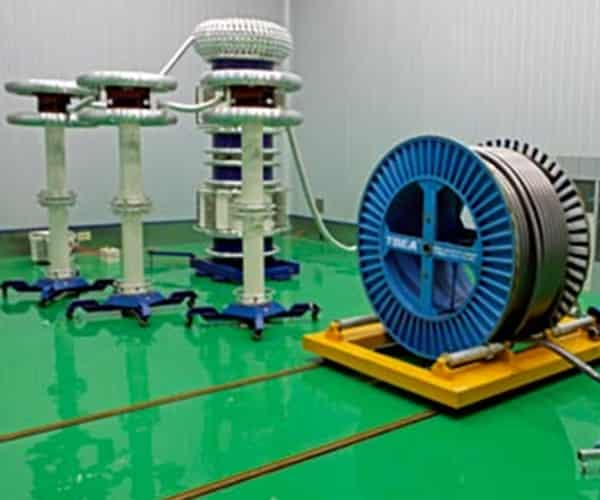
Paso 8: Perform Electrical Tests
Finalmente, the cable system must pass the required electrical tests before operation.
Dependiendo del proyecto, these tests may include AC voltage withstand tests and partial discharge measurements.
The testing method and voltage level must follow the applicable standard and approved project requirements.
8. Applications of 110kV Outdoor Cable Terminations
110kV outdoor cable terminations serve many types of power transmission projects.
8.1. Power Substations
Power substations are one of the main applications.
Outdoor terminations connect underground high-voltage cables to transformers, disyuntores, y otros equipos eléctricos.
They help transfer electrical energy between different parts of the power network.
8.2. Wind and Solar Power Projects
Renewable energy projects need reliable high-voltage connections to deliver electricity to the grid.
Por ejemplo, wind farms and large solar plants often use 110kV cable systems in their collection and transmission networks.
Outdoor cable terminations provide reliable connections at substations and cable connection points.
8.3. Sistemas de energía industriales
Large industrial plants often need stable and high-capacity power supplies.
Operaciones mineras, steel mills, petrochemical plants, and manufacturing facilities may use 110kV cables to connect their electrical systems.
In these projects, reliable cable accessories help reduce the risk of power interruptions.
8.4. Underground Power Transmission
Many cities use underground cables to reduce the need for overhead transmission lines.
These systems also help save space in areas with high population density.
Sin embargo, underground cables still need outdoor connections at substations. A 110kV outdoor termination provides this important connection.
8.5. Power Generation Plants
Centrales térmicas, hydropower stations, and other generation facilities use high-voltage cables to connect generators and electrical equipment to transmission networks.
In these applications, outdoor terminations help maintain safe and stable power transmission.
9. How to Choose a 110kV Cable Outdoor Termination Manufacturer
Choosing a reliable manufacturer is important for every high-voltage cable project.
contratistas EPC, power companies, distribuidores, and engineering companies should consider several factors before placing an order.
1. Confirm the Voltage Rating
Primero, check the rated system voltage and maximum equipment voltage.
For a typical IEC-based 110kV system, the maximum equipment voltage is 123kV.
2. Check Cable Compatibility
The termination must match the cable conductor size and insulation dimensions.
You should provide the manufacturer with the cable data sheet and cable structure drawing. This information helps the manufacturer select the correct product.
3. Select the Right Insulation Material
Silicone rubber and porcelain are two common choices.
Sin embargo, the final selection should consider pollution, humedad, temperatura, y condiciones de instalación.
4. Check Electrical Test Reports
Ask the manufacturer for relevant type test reports and routine test records.
These documents help verify product quality and compliance with project requirements.
5. Review Installation Support
A professional supplier should provide technical drawings, instrucciones de instalación, and product specifications.
Además, technical support can help reduce installation errors on site.
6. Evaluate Manufacturing Experience
High-voltage cable accessories require careful design and strict quality control.
Por lo tanto, buyers should review the manufacturer’s experience, production facilities, technical team, and quality management system.
10. Frequently Asked Questions About 110kV Cable Outdoor Terminations
Q1. What is the difference between 110kV indoor and outdoor cable terminations?
The main difference is the external insulation design.
Outdoor terminations have insulating sheds or housings that protect the product from rain, luz del sol, humedad, y la contaminación.
Indoor terminations do not need the same level of weather protection because they operate inside buildings or electrical enclosures.
Q2. What is the maximum voltage of a 110kV cable termination?
For many IEC-based 110kV systems, the maximum equipment voltage is 123kV (Um = 123kV).
Sin embargo, buyers should always check the project specifications before ordering.
Q3. Which material is better for outdoor cable terminations: silicone rubber or porcelain?
Both materials can provide reliable insulation.
Silicone rubber offers lower weight and excellent pollution resistance. En contraste, porcelain provides high mechanical strength and a long history of use.
The best choice depends on the project environment and technical requirements.
Q4. Which IEC standard applies to 110kV cable outdoor terminations?
CEI 60840 is a key standard for extruded-insulation power cables and their accessories with rated voltages above 30kV and up to 150kV, within its specified maximum equipment voltage range.
Q5. Can a 110kV outdoor termination work with copper and aluminum conductors?
Sí. Manufacturers can design terminations for both copper and aluminum conductors.
Sin embargo, the conductor connector must match the conductor material, size, and connection requirements.
Q6. How long can a 110kV outdoor cable termination operate?
The service life depends on product quality, materiales aislantes, métodos de instalación, and operating conditions.
Regular inspection and proper maintenance can also help extend the service life of the cable accessory.
11. Dosense Cable – 110kV Cable Outdoor Termination Manufacturer
Dosense Cable is a manufacturer of high-voltage power cables and cable accessories for global power transmission and distribution projects.
As a 110kV cable outdoor termination manufacturer, Dosense Cable provides solutions for XLPE high-voltage cable systems.
Our products can meet different project requirements for conductor materials, cable cross-sections, insulation dimensions, y condiciones de instalación.
We focus on electric field control, rendimiento de aislamiento, sealing design, and reliable electrical connections. Además, we work to provide suitable solutions for different substation and industrial power projects.
Dosense Cable also offers high-voltage cable joints, Terminaciones de cables GIS, and other power cable accessories.
Si usted es un contratista EPC, empresa de energía, engineering company, o distribuidor de cable, our team can provide technical information and product solutions for your project.
Contact Dosense Cable today to get more information about our 110kV Cable Outdoor Termination products. Request technical drawings, especificaciones del producto, and a competitive quotation for your next high-voltage cable project.