
Introduction to ESP Power Cable Solutions
Electric Submersible Pump (ESP Power Cable) systems play a vital role in modern oil and gas production, particularly in high-flow and deep-well applications. To ensure stable operation, these systems require a reliable method to transmit power from the surface to the downhole motor. For this reason, power cables designed specifically for ESP systems have become a critical component of overall well performance.
Unlike standard industrial cables, downhole power cables must operate continuously under extreme temperature, pressure, and chemical exposure. Therefore, selecting the right manufacturer, cable type, and pricing structure directly influences both operational reliability and lifecycle cost.
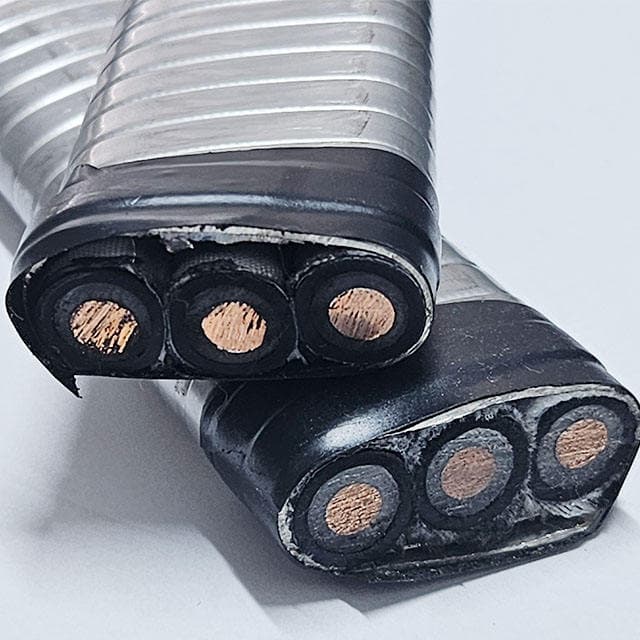
Understanding the Role of ESP Power Cables
ESP power cables deliver electrical energy from surface control equipment to submersible motors installed deep inside the wellbore. In most cases, these cables remain in service for years without maintenance.
At the same time, they must withstand several operational challenges, including:
- Extended installation depths
- Elevated ambient temperatures
- Exposure to oil, gas, water, and corrosive fluids
- Mechanical stress during installation and operation
As a result, cable failure often leads to costly downtime and well intervention. From a practical perspective, cable reliability becomes just as important as pump performance.
Cable Structure and Design Considerations
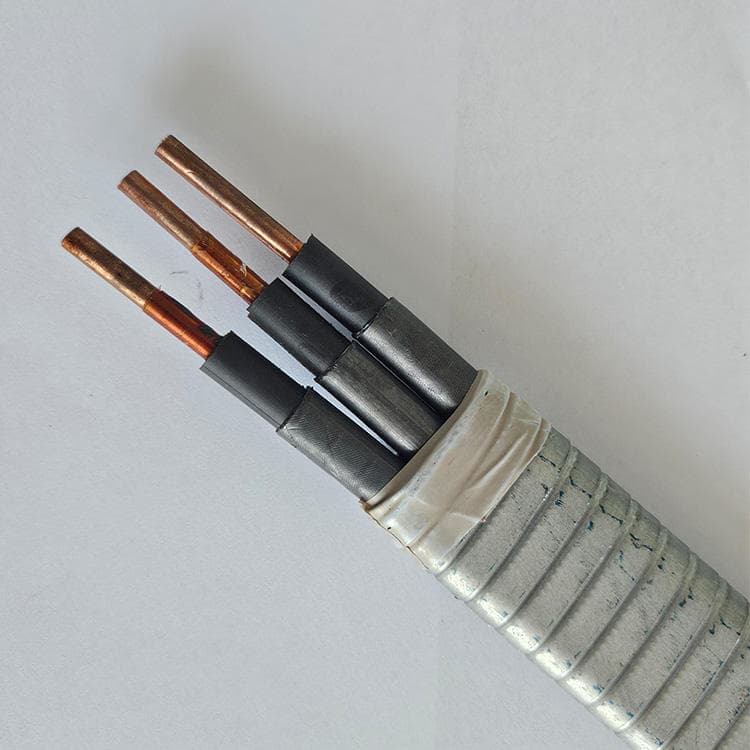
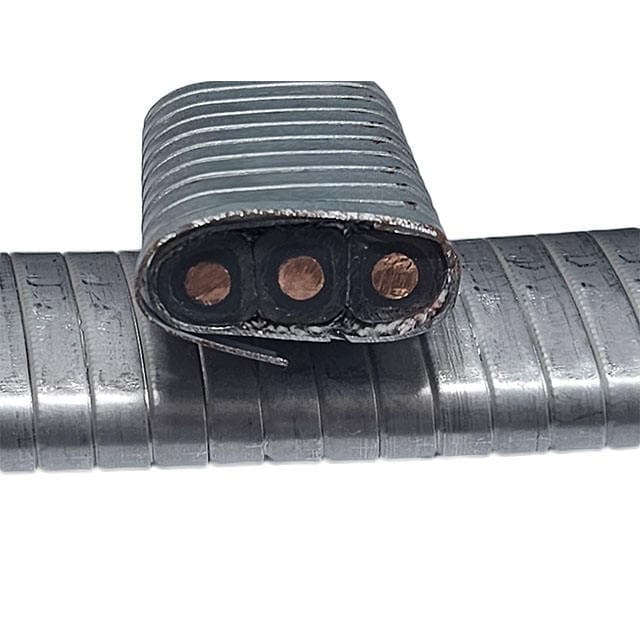
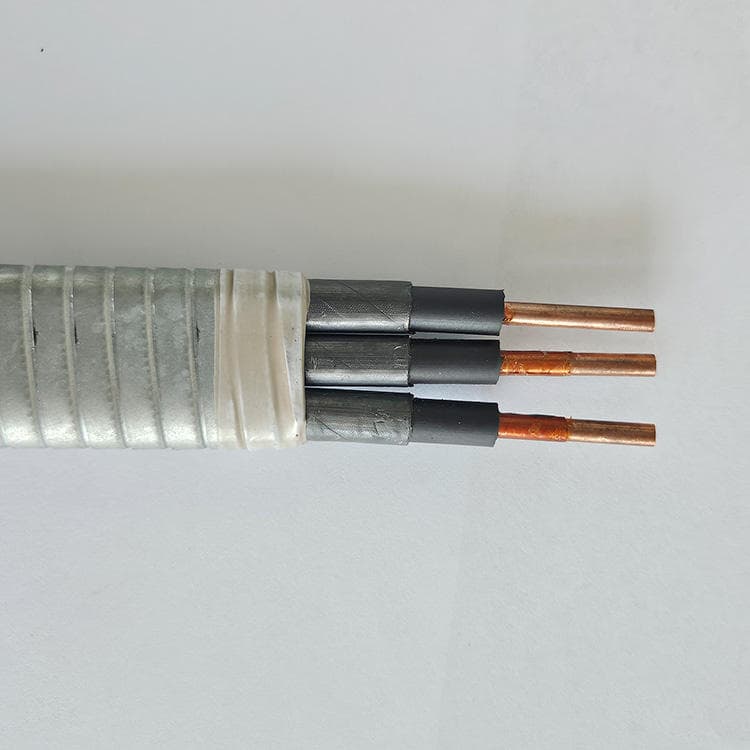
To meet harsh downhole requirements, manufacturers design ESP cables with multiple functional layers. Each layer contributes to electrical performance, mechanical strength, and environmental resistance.
Conductor Design
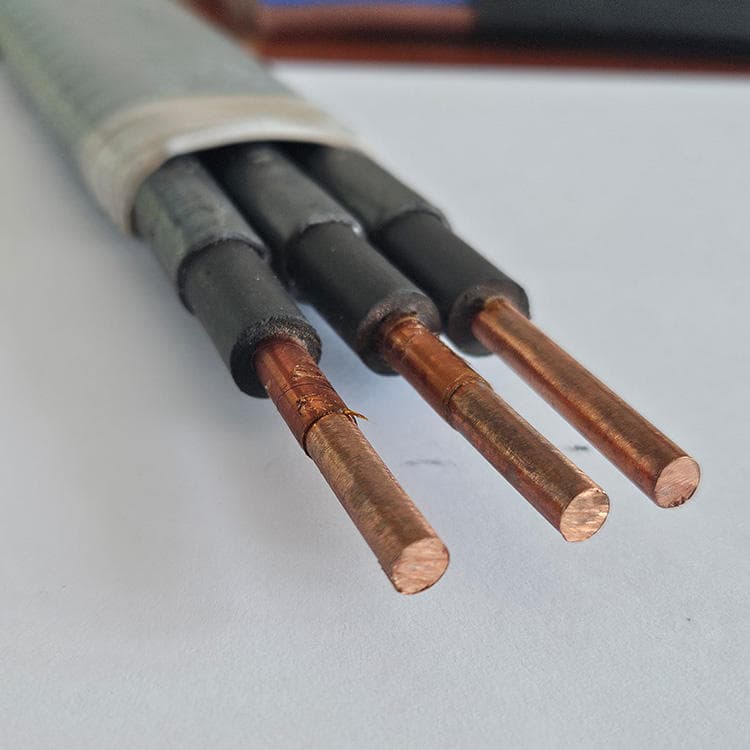
Most manufacturers use high-purity annealed copper conductors because they offer excellent conductivity and long-term stability. In addition, compacted or stranded designs help balance flexibility and current-carrying capacity.
Insulation System
The insulation layer prevents electrical breakdown under high voltage and temperature conditions. Commonly used materials include polypropylene, EPR, XLPE, and advanced fluoropolymers. Moreover, insulation selection directly affects thermal endurance and service life.
Outer Protection
The outer jacket protects the cable against abrasion, chemical attack, and mechanical damage. In demanding wells, engineers often select reinforced or lead-sheathed designs to improve durability.
Main Types of ESP Power Cables
Manufacturers offer several cable configurations to match different well conditions. However, each type serves a specific purpose.
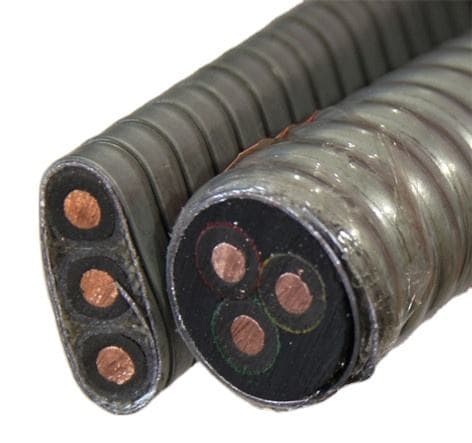
Flat ESP Cables
Flat cables provide efficient heat dissipation and compact installation. Therefore, operators frequently use them in standard vertical wells.
Round ESP Cables
In contrast, round cables offer higher mechanical strength. As a result, they perform better in deep or deviated wells where mechanical stress increases.
Lead-Sheathed Cables
When wells contain corrosive fluids or sour gas, lead-sheathed designs become a preferred solution. In addition to chemical resistance, they also act as effective gas barriers.
High-Temperature Cables
For geothermal or high-temperature reservoirs, manufacturers develop cables that maintain stable electrical properties above 200°C. Consequently, these designs reduce insulation aging and operational risk.
| Cable size,AWG / mm² | Cross-sectionmm² | Conductor | |
|---|---|---|---|
| Quantity | Conductor type | ||
| 1 AWG | 42.41 | 1 | solid |
| 7 | stranded compacted | ||
| 2 AWG | 33.63 | 1 | solid |
| 7 | stranded compacted | ||
| 4 AWG | 21.15 | 1 | solid |
| 16 mm² | 16.00 | 1 | solid |
| 6 AWG | 13.29 | 1 | solid |
| 10 mm² | 10.00 | 1 | solid |
| 8 mm² | 8.00 | 1 | solid |
ESP Power Cable Manufacturing Process
A professional cable producer follows a controlled manufacturing workflow to ensure consistent quality.
First, technicians qualify all raw materials through electrical and mechanical testing. Next, they strand and compact the copper conductor to precise dimensional tolerances. After that, extrusion lines apply insulation with strict thickness control.
Finally, curing, jacketing, and comprehensive testing confirm that each cable meets project specifications. Therefore, quality assurance plays a central role throughout the entire process.
Industry Standards and Compliance
To ensure compatibility and safety, manufacturers design ESP cables according to recognized industry standards, including API and IEC requirements. Moreover, many projects require additional customer-specific testing and third-party inspection.
Factors Influencing ESP Power Cable Pricing
Cable pricing depends on several technical and commercial factors. For example:
- Conductor size and copper content
- Insulation and jacket material selection
- Cable configuration and temperature rating
- Order volume and testing requirements
As a result, prices vary significantly from one project to another. For accurate quotations, suppliers usually request detailed operating conditions.
Market Trends and Future Development
As wells become deeper and hotter, cable technology continues to evolve. Manufacturers now focus on advanced insulation systems, improved chemical resistance, and longer service life. At the same time, cost optimization remains a key consideration for operators.
ESP power cable Manufacturer-DOS CABLE
ESP power cables directly influence the reliability and efficiency of submersible pump systems. Therefore, understanding cable types, manufacturing practices, and pricing drivers helps operators make better technical and commercial decisions. By working with experienced manufacturers and selecting the right cable design, long-term performance and operational safety can be significantly improved.