
Lors de la sélection de câbles électriques pour le résidentiel, industriel, automobile, marin, ou systèmes d'énergie solaire, la taille des câbles joue un rôle majeur dans la sécurité et les performances. L’une des questions les plus fréquemment posées par les électriciens et les ingénieurs est: "Quelle est la différence entre 1 AWG et 1/0 AWG?»
À première vue, le système de dénomination semble déroutant car beaucoup de gens supposent que 1 AWG et 1/0 Les AWG sont presque identiques. Cependant, la différence est en fait significative. Dans le système American Wire Gauge, 1/0 AWG est plus grand que 1 AWG.
La différence complète entre 1 AWG et 1/0 AWG, y compris le diamètre du fil, intensité admissible, résistance, chute de tension, applications, la flexibilité, et le coût. À la fin, vous comprendrez clairement quelle taille de câble est la meilleure pour votre projet.
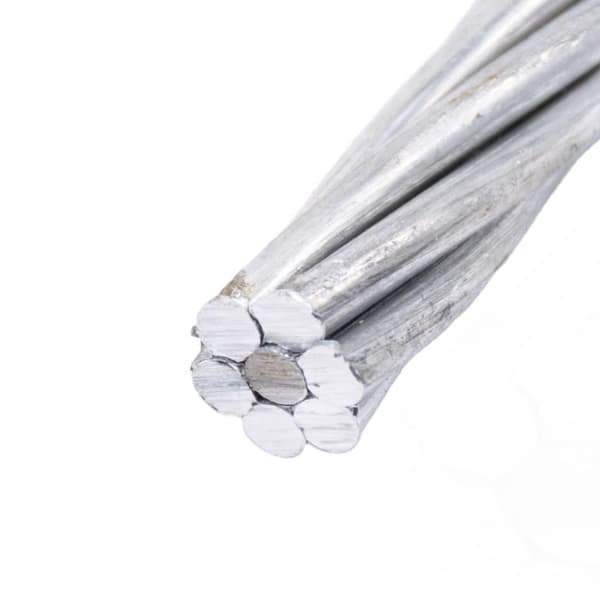
Comprendre le système de fils AWG
AWG signifie American Wire Gauge, un système de dimensionnement de fil standard utilisé principalement en Amérique du Nord. Le système AWG fonctionne différemment du dimensionnement métrique des câbles, car des numéros de calibre plus petits indiquent des conducteurs plus gros..
Par exemple:
- 10 AWG est plus grand que 12 AWG
- 4 AWG est plus grand que 6 AWG
- 1 AWG est plus petit que 1/0 AWG
Après 1 AWG, le dimensionnement continue en tailles « rien »:
- 1/0 AWG (un rien)
- 2/0 AWG
- 3/0 AWG
- 4/0 AWG
Donc, 1/0 AWG est la taille la plus grande après 1 AWG.
De nombreux débutants comprennent mal ce point lors de la sélection des câbles de batterie, câbles solaires, ou conducteurs de puissance industriels.
Qu'est-ce que 1 Fil AWG?
1 Le fil AWG est un conducteur robuste couramment utilisé dans les systèmes électriques à courant moyen à élevé.. Il offre une forte capacité de transport de courant tout en restant plus facile à installer que les câbles plus gros..
Les applications typiques incluent:
- Systèmes de batteries solaires
- Câbles de batterie automobile
- Câblage marin
- Mise à la terre industrielle
- Connexions de l'onduleur
- Systèmes électriques pour VR
En raison de son équilibre entre performance et flexibilité, 1 AWG est l'une des grandes tailles de conducteurs les plus populaires.
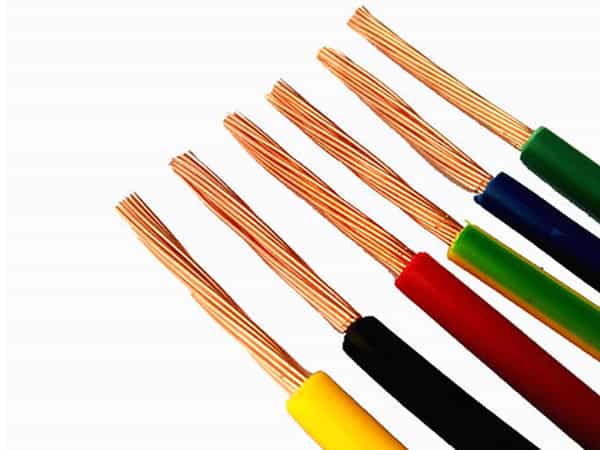
Spécifications typiques de 1 AWG
| Paramètre | Valeur |
|---|---|
| Diamètre | 7.35 mm |
| Zone transversale | 42.4 mm² |
| Résistance | 0.4066 Ω/1 000 pieds |
| Ampérage typique | 130–150A |
| La flexibilité | Bien |
L'intensité admissible réelle dépend des conditions d'installation et du type d'isolation.
Qu'est-ce que 1/0 Fil AWG?
1/0 Fil AWG, aussi appelé « un rien," est un conducteur plus gros conçu pour les applications de puissance plus élevée. Il contient plus de cuivre ou d'aluminium, lui permettant de transporter un courant électrique plus important avec une résistance plus faible.
Il est couramment utilisé dans:
- Alimentations principales
- Moteurs industriels
- Grands parcs de batteries
- Systèmes de recharge pour véhicules électriques
- Matériel de soudage
- Onduleurs haute puissance
Par rapport à 1 AWG, 1/0 AWG offre une meilleure efficacité électrique, surtout sur de longues distances.
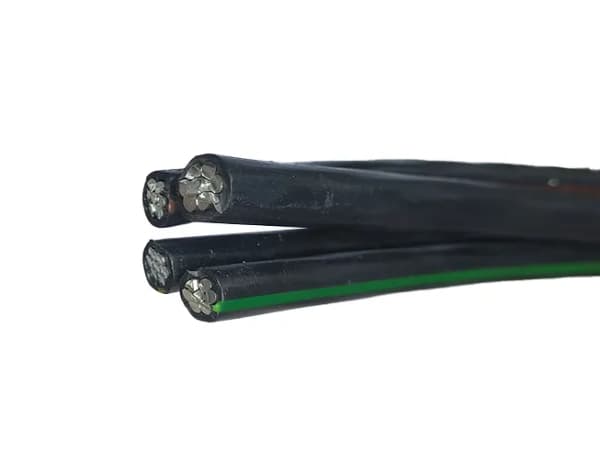
Spécifications typiques de 1/0 AWG
| Paramètre | Valeur |
| Diamètre | 8.25 mm |
| Zone transversale | 53.5 mm² |
| Résistance | 0.321 Ω/1 000 pieds |
| Ampérage typique | 150–170A |
| La flexibilité | Modéré |
La principale différence entre 1 AWG et 1/0 AWG
La plus grande différence est la taille du conducteur.
Bien que la différence de taille physique semble faible, électriquement c'est très important.
Par rapport à 1 AWG, 1/0 Offres AWG:
- Capacité de transport de courant plus élevée
- Résistance inférieure
- Chute de tension plus faible
- Meilleure efficacité
- Performance thermique améliorée
Cependant, 1/0 AWG également:
- Coûte plus
- Pèse plus
- Nécessite des connecteurs plus gros
- Est plus difficile à plier
Le choix entre eux dépend de la charge électrique et de l'environnement d'installation.
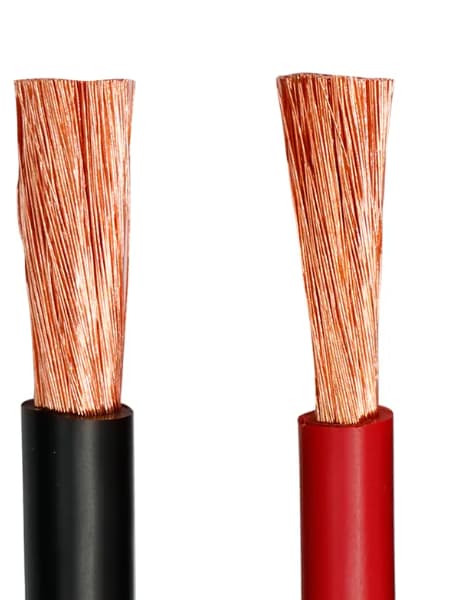
Comparaison des tailles entre 1 AWG et 1/0 AWG
Beaucoup de gens sous-estiment à quel point 1/0 AWG est en fait.
| Taille du fil | Diamètre |
| 1 AWG | 7.35 mm |
| 1/0 AWG | 8.25 mm |
Bien que le diamètre augmente de moins de 1 mm, la section transversale du conducteur augmente considérablement.
Comparaison transversale des zones
| Taille du fil | Zone |
| 1 AWG | 42.4 mm² |
| 1/0 AWG | 53.5 mm² |
Cela signifie 1/0 AWG a environ 26% plus de matériau conducteur que 1 AWG.
Cette zone conductrice supplémentaire améliore considérablement les performances électriques.
Différences d'intensité
L'intensité admissible fait référence au courant électrique maximum qu'un conducteur peut transporter en toute sécurité sans surchauffe..
1 Courant admissible AWG
Capacité typique du cuivre:
- 130A à 150A
Capacité typique de l'aluminium:
- 100A à 120A
1/0 Courant admissible AWG
Capacité typique du cuivre:
- 150A à 170A
Capacité typique de l'aluminium:
- 120A à 150A
L'intensité admissible exacte dépend de plusieurs facteurs:
- Température ambiante
- Isolation des câbles
- Méthode d'installation
- Nombre de conducteurs groupés
- Code électrique local
Comparaison des chutes de tension
La chute de tension devient extrêmement importante sur les longs trajets de câbles.
Parce que 1/0 AWG a une résistance inférieure, il subit moins de perte de tension à distance.
Pourquoi la chute de tension est importante
Une chute de tension excessive peut provoquer:
- Efficacité réduite de l’équipement
- Surchauffe du moteur
- Arrêt de l'onduleur
- Problèmes de charge de la batterie
- Perte d'énergie
Donc, de nombreux ingénieurs sélectionnent 1/0 AWG pour les systèmes à courant élevé avec de grandes longueurs de câble.
Exemple de chute de tension
Supposons qu'un système électrique fonctionne à:
- 150 ampères
- 100 longueur du câble en pieds
En utilisant 1 AWG peut entraîner une chute de tension sensiblement plus élevée.
En utilisant 1/0 AWG peut réduire la chute de tension d'environ 20 à 25 %.
Cette amélioration est importante dans:
- Systèmes solaires
- Systèmes d'alimentation marins
- Machines industrielles
- Banques de batteries
Comparaison de résistance
Une résistance plus faible améliore l’efficacité électrique.
| Taille du fil | Résistance par 1000 pi |
| 1 AWG | 0.4066 Oh |
| 1/0 AWG | 0.321 Oh |
Une résistance inférieure signifie:
- Moins de génération de chaleur
- Perte de puissance réduite
- Meilleure stabilité de tension
- Durée de vie du câble plus longue
Pour les applications à courant élevé, une résistance inférieure est extrêmement bénéfique.
Différences de poids
Depuis 1/0 AWG contient plus de matériau conducteur, c'est nettement plus lourd.
Cela affecte:
- Frais d'expédition
- Chargement des chemins de câbles
- Main d'œuvre d'installation
- Difficulté de manipulation
Dans les grands projets industriels, le poids du câble devient une considération technique majeure.
Flexibilité et installation
1 AWG est généralement plus facile à installer.
Il se plie plus facilement et nécessite moins d'espace d'installation.
1/0 AWG est:
- Plus rigide
- Plus lourd
- Plus difficile à acheminer
- Plus difficile dans les espaces restreints
Donc, les installateurs préfèrent souvent 1 AWG lorsque l'espace est limité.
Cependant, les conceptions de câbles flexibles à brins fins peuvent améliorer considérablement la flexibilité.
Différence de coût entre 1 AWG et 1/0 AWG
Les câbles plus gros nécessitent plus de matériau conducteur, donc 1/0 AWG est plus cher.
La différence de prix dépend:
- Prix du marché du cuivre
- Prix de l'aluminium
- Marque de câble
- Type d'isolation
- Conception d'échouage
En général:
1/0 L'AWG coûte environ 15 à 30 % de plus que 1 AWG.
Les versions à conducteur en cuivre sont nettement plus chères que les versions en aluminium.
Versions en cuivre et en aluminium
Les deux 1 AWG et 1/0 AWG sont disponibles en cuivre et en aluminium.
Avantages du cuivre
- Conductivité plus élevée
- Meilleure flexibilité
- Meilleure résistance à la corrosion
- Plus petit diamètre
Avantages de l'aluminium
- Moindre coût
- Poids plus léger
- Transport plus facile
Cependant, les conducteurs en aluminium nécessitent:
- Conducteur de plus grande taille
- Méthodes de résiliation appropriées
- Composés antioxydants
Le cuivre reste le choix privilégié pour les systèmes critiques hautes performances.
Applications courantes pour 1 AWG
1 L'AWG est largement utilisé dans les applications à courant moyen.
Utilisations typiques
- Systèmes d'alimentation pour camping-car
- Connexions de batterie solaire
- Câbles de batterie marine
- Améliorations automobiles
- Mise à la terre industrielle
- Petits systèmes d'onduleurs
Il offre un excellent équilibre entre performances, la flexibilité, et le coût.
Applications courantes pour 1/0 AWG
1/0 L'AWG est préféré pour les installations exigeantes à courant élevé.
Utilisations typiques
- Principaux départs de services
- Équipement industriel
- Onduleurs solaires haute puissance
- Systèmes de recharge pour véhicules électriques
- Grands parcs de batteries
- Machines à souder
Le conducteur plus gros améliore la fiabilité sous de lourdes charges électriques.
Quel câble est le meilleur pour les systèmes solaires?
Les deux tailles de fil peuvent bien fonctionner dans les applications solaires.
Choisir 1 AWG Quand
- Le courant est inférieur à 150A
- Les parcours de câbles sont courts
- L'espace d'installation est limité
- Le budget est important
Choisir 1/0 AWG Quand
- Le courant dépasse 150A
- La distance du câble est longue
- La chute de tension doit être minimisée
- Une extension du système est attendue
De nombreux systèmes solaires hors réseau utilisent 1/0 AWG pour les interconnexions de batteries en raison du courant élevé impliqué.
Quel câble est le meilleur pour l'audio de voiture?
Les systèmes audio de voiture nécessitent souvent de gros conducteurs car les amplificateurs consomment un courant important.
1 AWG fonctionne bien pour
- Systèmes d'amplificateurs moyens
- Installations à faible puissance
- Câbles courts
1/0 AWG fonctionne mieux pour
- Amplificateurs haute puissance
- Configurations d'amplificateurs multiples
- Systèmes supérieurs à 2000W
De nombreux installateurs audio professionnels recommandent 1/0 AWG pour une flexibilité de mise à niveau future.
Applications marines et VR
Les systèmes marins et de camping-car sont souvent confrontés à des courants de démarrage élevés et à de longs câbles..
Dans ces environnements:
- La stabilité de la tension est essentielle
- La résistance à la corrosion est importante
- La fiabilité est essentielle
1/0 L'AWG est généralement sélectionné pour les systèmes plus grands en raison de sa chute de tension plus faible..
Cependant, 1 L'AWG reste populaire dans les petites installations de camping-car et marines.
Peut 1 AWG Remplacer 1/0 AWG?
Parfois ça peut, mais pas toujours en toute sécurité.
L'utilisation d'un conducteur plus petit peut entraîner:
- Surchauffe
- Chute de tension excessive
- Efficacité réduite
- Risques d'incendie
Vérifiez toujours:
- Exigences du code électrique
- Calculs d'intensité
- Conditions environnementales
- Charge du système
Ne sous-dimensionnez jamais les câbles dans les applications à courant élevé.
Peut 1/0 AWG Remplacer 1 AWG?
Oui.
L'utilisation d'un conducteur plus gros est généralement sûre.
Les avantages incluent:
- Résistance inférieure
- Chaleur réduite
- Meilleure efficacité
- Capacité d’expansion future
Cependant, les câbles surdimensionnés augmentent:
- Difficulté d'installation
- Coût
- Exigences en matière de taille de connecteur
Comprendre le terme « One Augight »
Les électriciens font généralement référence à 1/0 AWG comme:
"Un rien"
De la même manière:
- 2/0 AWG = deux rien
- 3/0 AWG = trois rien
- 4/0 AWG = quatre rien
Cette terminologie est standard en Amérique du Nord.
Considérations sur le NEC et le code électrique
Le Code national de l'électricité (NEC) fournit des règles pour:
- Ampleur
- Correction de température
- Dimensionnement des conducteurs
- Méthodes d'installation
Une bonne sélection de câbles ne doit jamais reposer uniquement sur des graphiques en ligne.
Une évaluation professionnelle en ingénierie est recommandée pour:
- Systèmes industriels
- Projets utilitaires
- Installations à courant fort
- Systèmes d'énergie renouvelable
Température nominale et isolation
L'isolation des câbles affecte grandement l'intensité admissible.
Les types d'isolation courants comprennent:
- THHN
- XLPE
- XHHW
- PVC
- EPDM
Des températures nominales plus élevées permettent aux câbles de transporter plus de courant en toute sécurité.
Les températures nominales typiques incluent:
- 60°C
- 75°C
- 90°C
Conducteurs toronnés ou solides
Les deux 1 AWG et 1/0 AWG peut être fabriqué comme:
- Conducteurs massifs
- Conducteurs multibrins
Conducteurs multibrins
Avantages:
- Meilleure flexibilité
- Installation plus facile
- Meilleure résistance aux vibrations
Commun dans:
- Câbles de batterie
- Câblage marin
- Câbles de soudage
Conducteurs solides
Avantages:
- Moindre coût
- Construction plus simple
Généralement utilisé dans les installations fixes.
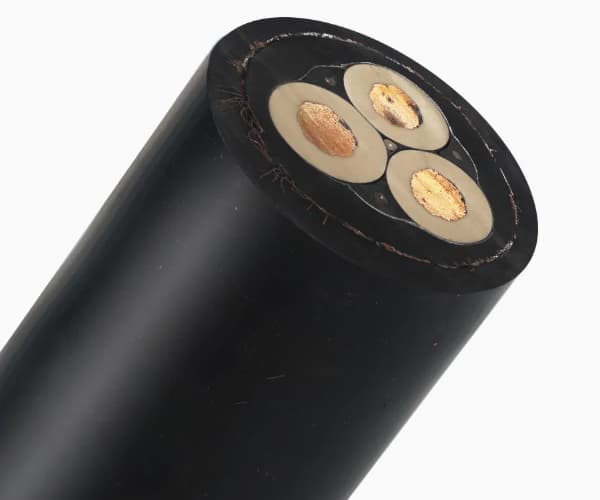
Comment choisir entre 1 AWG et 1/0 AWG
La taille correcte du câble dépend de plusieurs facteurs.
Exigences actuelles
Un courant plus élevé nécessite généralement 1/0 AWG.
Distance du câble
Les câbles plus longs bénéficient de conducteurs plus gros.
Budget
1 AWG est plus économique.
Espace d'installation
Les petits espaces sont favorisés 1 AWG.
Expansion future
1/0 AWG pourrait empêcher de futures mises à niveau des câbles.
Tenez toujours compte des performances du système à long terme plutôt que du seul coût initial.
Tableau de comparaison rapide
| Fonctionnalité | 1 AWG | 1/0 AWG |
| Diamètre | Plus petit | Plus grand |
| Ampleur | Inférieur | Plus haut |
| Résistance | Plus haut | Inférieur |
| Chute de tension | Plus haut | Inférieur |
| La flexibilité | Mieux | Réduit |
| Poids | Plus léger | Plus lourd |
| Coût | Inférieur | Plus haut |
| Utilisation principale | Courant moyen | Courant élevé |
Pensées finales
Comprendre la différence entre 1 AWG et 1/0 L'AWG est essentiel pour la conception de systèmes électriques sûrs et efficaces.
Bien que le système de dénomination puisse paraître déroutant au premier abord, rappelez-vous cette règle importante:
1/0 AWG est plus grand que 1 AWG.
En raison de sa plus grande taille de conducteur, 1/0 AWG fournit:
- Capacité plus élevée
- Résistance inférieure
- Meilleure efficacité
- Chute de tension réduite
Entre-temps, 1 Offres AWG:
- Moindre coût
- Installation plus facile
- Meilleure flexibilité
Le meilleur choix dépend de votre application spécifique, charge électrique, environnement d'installation, et les futurs projets d'expansion de fabricant de câbles.
Pour les systèmes électriques critiques, il est toujours recommandé de consulter un électricien ou un ingénieur électricien agréé.