
1. Cos'è una terminazione esterna del cavo da 220 kV?
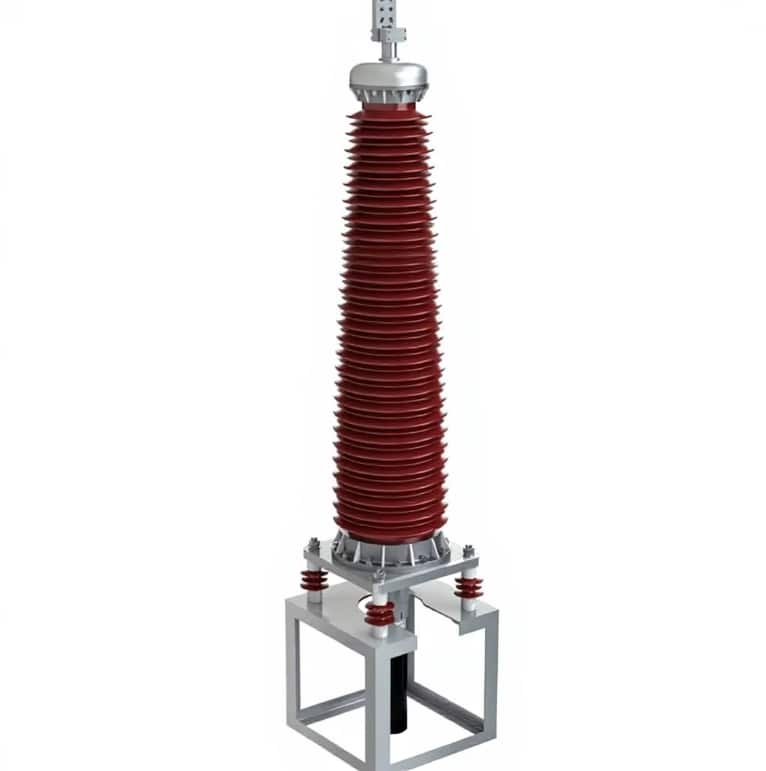
Una terminazione esterna del cavo da 220 kV è un accessorio importante nei sistemi di trasmissione di energia ad alta tensione. Collega i cavi di alimentazione XLPE sotterranei alle linee di trasmissione aeree, trasformatori, e sottostazioni esterne.
Molti progetti energetici utilizzano cavi sotterranei per trasmettere elettricità su lunghe distanze. Tuttavia, these cables must connect to outdoor electrical equipment at certain points. Perciò, engineers need reliable outdoor cable terminations to complete these connections.
A 220kV outdoor cable termination has several important functions. Primo, it controls the electric field at the end of the cable. Inoltre, it provides insulation between the high-voltage conductor and the grounded structure. It also protects the cable connection from rain, umidità, polvere, and UV radiation.
Because a 220kV system operates at a very high voltage, the termination must provide excellent insulation and mechanical strength.
A well-designed 220kV cable outdoor termination helps prevent partial discharge, electrical breakdown, and surface flashover. Di conseguenza, it improves the safety and reliability of the entire power transmission system.

2. Applications of 220kV Outdoor Cable Terminations
220kV outdoor cable terminations serve many types of high-voltage power projects. They are especially useful when underground cables need to connect to outdoor electrical equipment.
Here are some common applications.
High-Voltage Substations
Outdoor cable terminations connect 220kV underground cables to transformers, circuit breakers, disconnectors, and busbars.
In large substations, these accessories help link underground transmission systems with outdoor electrical equipment. Perciò, their insulation and connection quality directly affect system reliability.
Underground-to-Overhead Cable Connections
Many cities use underground power cables to save space and improve the appearance of urban areas. Tuttavia, underground cables sometimes need to connect to overhead transmission lines outside the city.
In this situation, engineers install outdoor cable terminations at the connection point. These accessories provide the required insulation and electrical connection between the two systems.
Power Plants
Large thermal power plants and hydropower stations often use high-voltage transmission systems. Per esempio, a power plant may use 220kV underground cables to connect its substation to the main grid.
Outdoor terminations help complete these connections. Inoltre, they support safe and stable power transmission during normal operation.
Solar and Wind Power Projects
Large solar farms and wind power stations need reliable connections to the national grid. Some projects use underground 220kV cables to transfer electricity from their substations to the grid connection point.
Di conseguenza, 220kV outdoor cable terminations can play an important role in renewable energy projects.
Reti elettriche industriali
Impianti siderurgici, mining facilities, and petrochemical factories may require large amounts of electricity.
In some cases, these facilities use 220kV underground cable systems. Outdoor cable terminations provide reliable connections between the cables and the main electrical equipment.
3. Main Components of a 220kV Cable Outdoor Termination
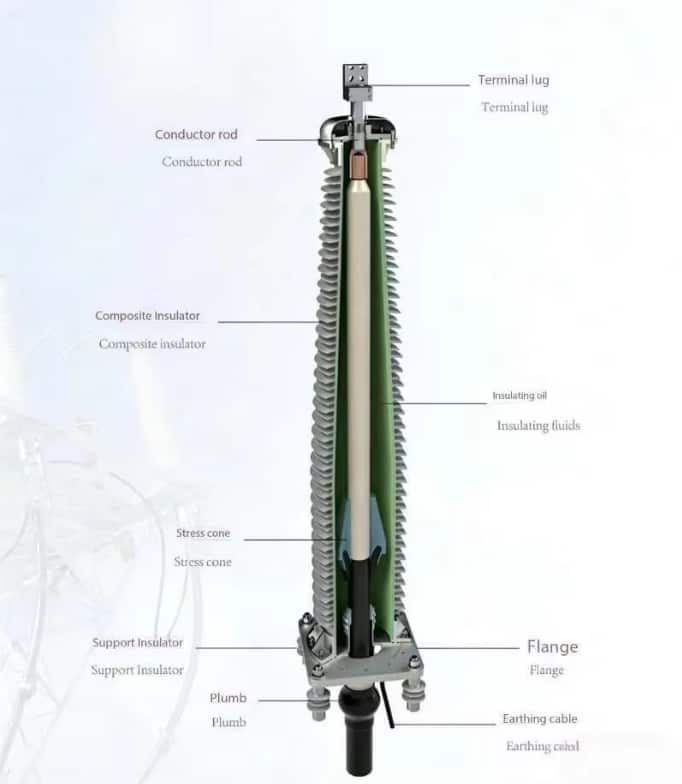
A 220kV cable outdoor termination contains several key components. Ogni parte ha una funzione specifica. Insieme, they provide electrical insulation, field control, supporto meccanico, and protection against outdoor conditions.
3.1 Stress Control Cone
The stress control cone is one of the most important parts of a high-voltage cable termination.
When technicians remove the outer semiconductor layer of an XLPE cable, the electric field becomes concentrated near the edge of the conductor screen. This area may experience high electrical stress.
Without proper stress control, partial discharge may occur. Col tempo, this discharge can damage the cable insulation.
Perciò, the stress control cone helps spread the electric field more evenly. It also reduces electrical stress around the cable insulation.
Manufacturers use specially designed silicone rubber and other electrical insulation materials to achieve this result.
3.2 Insulating Housing
The insulating housing separates the high-voltage conductor from the grounded supporting structure. It also provides the required external insulation.
Manufacturers mainly use two materials for 220kV outdoor cable terminations:
- Porcelain
- Silicone rubber composite
Both materials provide reliable insulation. Tuttavia, they have different physical properties and installation needs.
3.3 Silicone Rubber Sheds
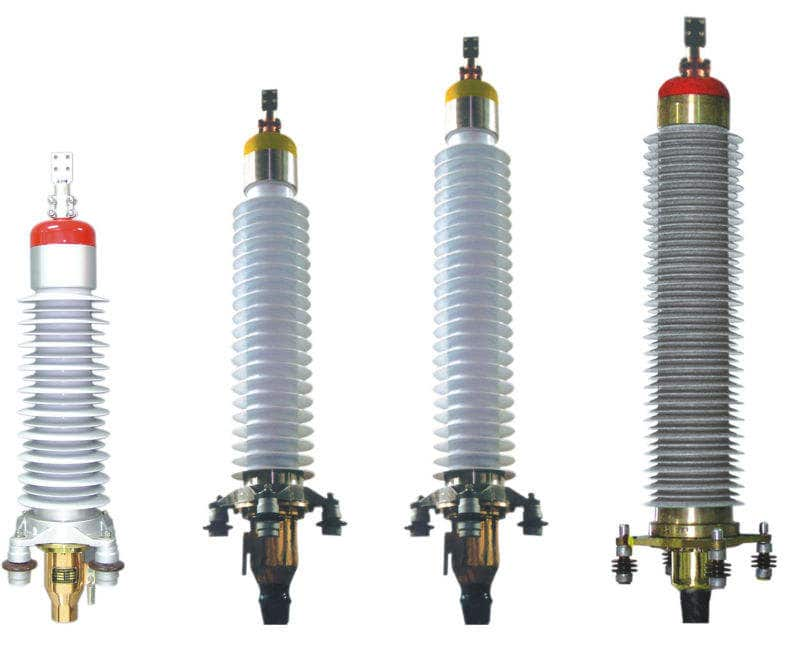
Composite outdoor cable terminations use silicone rubber sheds to increase the creepage distance.
Creepage distance means the shortest distance along an insulating surface between two conductive parts.
Outdoor conditions can affect insulation performance. Per esempio, piovere, polvere, salt, and industrial pollution may create a conductive layer on the surface.
Tuttavia, silicone rubber has excellent water-repellent properties. Water tends to form droplets instead of spreading across the entire surface.
Di conseguenza, silicone rubber sheds help improve insulation performance in wet and polluted environments.
3.4 Connettore conduttore
The conductor connector joins the cable conductor to the external electrical equipment.
Manufacturers can supply connectors for copper or aluminum conductors. The correct design depends on the cable structure and the connection interface.
A suitable connector must provide good electrical contact and enough mechanical strength. Inoltre, its size must match the cable conductor.
3.5 Base Plate and Grounding System
The base plate supports the outdoor termination and connects it to the installation structure.
Nel frattempo, the grounding system provides a safe path for fault current. It also helps maintain electrical safety during system operation.
Per questo motivo, engineers must check the grounding design during the project planning and installation stages.
4. Porcelain vs. Composite 220kV Outdoor Cable Termination
Manufacturers offer two main types of 220kV outdoor cable terminations: porcelain and composite.
Both types can serve high-voltage transmission projects. Tuttavia, customers should consider the installation environment, mechanical needs, and maintenance requirements before making a choice.
| Confronto | Porcelain Type | Composite Type |
|---|---|---|
| Main material | Porcelain | Gomma siliconica |
| Peso | Pesante | Leggero |
| Resistenza meccanica | Alto | Alto, a seconda del disegno |
| Surface properties | Hydrophilic | Hydrophobic |
| Pollution performance | Depends on creepage distance | Very good |
| Trasporti | Requires careful handling | Easier to handle |
| Installazione | Requires suitable lifting equipment | Easier to install |
| Typical application | Traditional substations | Modern outdoor substations |
Porcelain Outdoor Termination
Porcelain outdoor terminations have a long history in high-voltage power systems.
Porcelain offers good insulation and high mechanical strength. Inoltre, it can provide stable performance over many years when manufacturers use suitable materials and production methods.
Tuttavia, porcelain is heavy and may break if workers handle it incorrectly. Perciò, transportation and installation require extra care.
Composite Outdoor Termination
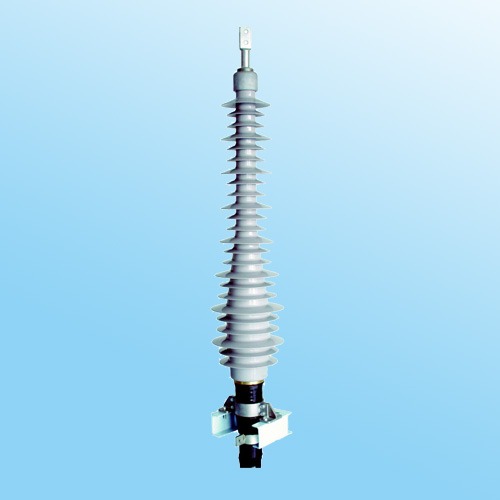
Composite outdoor terminations use a fiberglass-reinforced core and an external silicone rubber housing.
Compared with porcelain products, composite designs offer several benefits. Primo, they weigh less. Secondo, they provide excellent water-repellent performance. Inoltre, workers can transport and install them more easily.
For projects in coastal areas, zone industriali, and polluted environments, composite outdoor terminations offer important advantages.
Perciò, many modern power transmission projects consider composite insulation a practical solution.
5. Technical Parameters of a 220kV Cable Outdoor Termination
Before selecting a 220kV cable outdoor termination, buyers should check its electrical and mechanical parameters.
The following table provides a general technical reference. Actual values depend on the cable design and project requirements.
| Parametro | Specifica tipica |
|---|---|
| Rated system voltage | 220kV |
| Highest voltage for equipment (Uno) | 245kV |
| Applicazione | Outdoor |
| Tipo di cavo | XLPE insulated power cable |
| Materiale conduttore | Rame / Alluminio |
| Materiale isolante | XLPE |
| Rated frequency | 50Hz / 60Hz |
| Insulating housing | Porcelain / Composite |
| Termination design | Dry-type / Oil-filled |
| Installation location | Outdoor substation |
| Creepage distance | According to pollution level |
| Main reference standard | CEI 62067 |
One important point is that a 220kV power cable system normally uses equipment with a highest voltage of 245kV.
Tuttavia, buyers should not select a termination based only on the rated voltage. They must also check the cable insulation diameter, dimensione del conduttore, livello di isolamento, e ambiente di installazione.
Per esempio, a 220kV cable with a 630 mm² copper conductor may need a different termination design from a cable with a 1,000 mm² aluminum conductor.
Perciò, customers should provide complete cable parameters before requesting a quotation.

6. International Standards for 220kV Cable Terminations
International standards help manufacturers control product quality and ensure reliable operation.
For 220kV XLPE cable accessories, CEI 62067 is one of the most important standards.
CEI 62067
CEI 62067 applies to power cables with extruded insulation and their accessories for rated voltages above 150kV up to 500kV.
Perciò, this standard covers 220kV XLPE cable systems and their accessories.
CEI 60287
CEI 60287 provides methods for calculating the current-carrying capacity of power cables.
Engineers use this standard to study cable temperatures and load conditions. Inoltre, it helps them select suitable cable sizes for different projects.
CEI 60270
CEI 60270 describes methods for measuring partial discharge in electrical insulation systems.
This test helps manufacturers check insulation quality. It also plays an important role in high-voltage cable accessory testing.
Depending on the project, customers may also request additional national or international standards. Perciò, manufacturers should confirm the applicable standards before production.

7. Installation Process of a 220kV Outdoor Cable Termination
Correct installation directly affects the service life and operating safety of a 220kV cable termination.
Because this product works at high voltage, only trained and qualified technicians should carry out the installation.
The general installation process includes the following steps.
Fare un passo 1: Check the Cable
Primo, technicians check the cable type, dimensione del conduttore, diametro dell'isolamento, and metal screen structure.
They also inspect the cable surface to make sure it has no visible damage. Inoltre, the installation team should check the product drawings and installation tools before starting work.
Fare un passo 2: Remove the Outer Cable Layers
Prossimo, technicians remove the outer sheath, schermo metallico, and other cable layers according to the installation drawing.
Durante questo processo, they must protect the XLPE insulation from scratches and mechanical damage.
Fare un passo 3: Prepare the XLPE Insulation
After removing the required cable layers, technicians carefully prepare the XLPE insulation surface.
They clean the surface and check its condition. Inoltre, they must follow the manufacturer’s instructions for cutting dimensions and surface preparation.
Even small scratches or dirt particles can affect electrical performance. Perciò, technicians must keep the working area clean.
Fare un passo 4: Installare i componenti per il controllo dello stress
Technicians install the stress control cone and related components according to the specified dimensions.
Accurate positioning is important because these components control the electric field around the cable insulation.
Fare un passo 5: Assemble the Insulating Housing
Prossimo, technicians install the porcelain or composite housing.
They also check the sealing components, internal connections, and mechanical support. Nel frattempo, the installation team must make sure that all parts match the manufacturer’s drawings.
Fare un passo 6: Connect the Cable Conductor
Technicians connect the cable conductor to the terminal connector.
They must use the correct crimping or bolted connection method. Inoltre, they should check the contact surface and tightening torque.
Fare un passo 7: Complete Grounding and Final Inspection
Finalmente, technicians connect the metallic screen and grounding components to the grounding system.
They then inspect the complete installation and perform the required electrical tests.
Only after the project team confirms that all requirements have been met should the system proceed to energization.

8. Testing of 220kV Cable Outdoor Terminations
Testing helps confirm the electrical and mechanical performance of a 220kV cable outdoor termination.
For high-voltage cable accessories, manufacturers and project owners may require several types of tests.
Partial Discharge Test
This test checks whether the insulation system produces unwanted partial discharge under specified electrical conditions.
Low partial discharge levels help show that the insulation system has good electrical quality.
AC Voltage Withstand Test
The AC voltage test checks whether the termination can withstand the required power-frequency voltage.
It helps engineers evaluate the electrical strength of the insulation system.
Lightning Impulse Test
Lightning impulse testing checks the ability of the insulation system to withstand high-voltage surges caused by lightning.
This test is important for outdoor power equipment because lightning can create serious electrical stress.
Switching Impulse Test
For extra-high-voltage applications, switching impulse performance also plays an important role in insulation design.
The project specification determines the required test conditions.
Thermal Cycling Test
This test checks the performance of the cable accessory under repeated heating and cooling conditions.
During the test, the accessory experiences changes in temperature that simulate cable operating conditions.
Inoltre, manufacturers may perform dimensional inspections, material checks, and sealing inspections.
For 220kV cable systems, type tests and prequalification tests should follow the applicable requirements of IEC 62067.

9. How to Choose a Reliable 220kV Cable Termination Manufacturer
Choosing the right manufacturer is important for every high-voltage transmission project.
Tuttavia, price should not be the only factor. Buyers should also consider product quality, supporto tecnico, and manufacturing experience.
Here are five important points to check.
1. High-Voltage Manufacturing Experience
Primo, check whether the manufacturer has experience producing 220kV or 245kV cable accessories.
A supplier with high-voltage project experience can better understand cable structures, requisiti di isolamento, e condizioni di installazione.
2. Type Test Reports
Prossimo, request the relevant type test reports.
Make sure the tested product has the same main design and technical configuration as the product you plan to purchase.
3. Material Quality
Material quality directly affects the service life of outdoor cable terminations.
Perciò, check the silicone rubber, porcelain housing, stress control materials, connectors, and sealing components.
4. Technical Documents
A professional manufacturer should provide complete technical documents.
These documents may include:
- Product datasheets.
- Disegni tecnici.
- Manuali di installazione.
- Digitare i rapporti di prova.
- Quality certificates.
- Inspection records.
With these documents, buyers can review the product design and check whether it meets project requirements.
5. Supporto per l'installazione
Finalmente, check whether the supplier can provide technical assistance during installation.
For large 220kV transmission projects, professional installation guidance can help reduce mistakes and improve project efficiency.

10. DOS Cable – 220kV Outdoor Cable Termination Manufacturer and Supplier in China
DOSENSE Cable is a professional manufacturer and supplier of high-voltage cable accessories in China. We provide cable connection solutions for power transmission and distribution projects around the world.
La nostra gamma di prodotti comprende:
- 220kV outdoor cable terminations.
- 245kV high-voltage cable terminations.
- Terminazioni cavi GIS.
- Terminazioni dei cavi interni.
- High-voltage cable joints.
- Composite and porcelain cable accessories.
- Cable installation tools and accessories.
For 220kV XLPE cable systems, DOS can provide customized outdoor termination solutions according to conductor size, diametro dell'isolamento, cable structure, e requisiti del progetto.
We also offer technical drawings, product datasheets, manuali di installazione, and technical support for international customers.
Whether you are an EPC contractor, power utility, electrical engineering company, or cable distributor, DOSENSE aims to provide reliable cable accessories for your high-voltage projects.
Are you looking for a reliable 220kV Cable Outdoor Termination Manufacturer in China? Contact DOSENSE Cable for product information, specifiche tecniche, and competitive quotations.