
In modern high-voltage power transmission systems, GIS cable termination solutions play a critical role in ensuring safe, affidabile, and efficient connections between cables and gas-insulated switchgear. As urban grids expand and substations become more compact, utilities increasingly prefer GIS technology over traditional air-insulated systems. Di conseguenza, the demand for high-performance GIS cable termination products continues to grow worldwide.
Today we show what a GIS Terminal is, come funziona, leading GIS cable termination manufacturers, pricing factors, specifiche tecniche, installation requirements, and market trends. If you are a utility engineer, EPC contractor, cable manufacturer, or project procurement specialist, this article will help you make informed decisions.
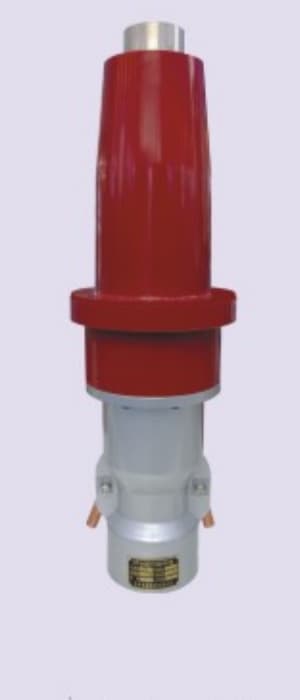
1. What Is a GIS cable termination?
UN GIS cable termination (Gas Insulated Switchgear Terminal) is a high-voltage cable termination designed to connect underground or submarine power cables to GIS equipment. Unlike conventional outdoor terminations, a GIS Terminal operates inside a sealed SF₆ gas environment within the switchgear enclosure.
Because GIS systems use sulfur hexafluoride (SF₆) gas as insulation, the terminal must provide:
- Excellent electrical stress control
- Reliable sealing against gas leakage
- Elevata resistenza meccanica
- Long-term thermal stability
- Partial discharge resistance
Perciò, the GIS Terminal is not just a simple cable accessory; it is a precision-engineered component critical to system reliability.
2. Why GIS cable termination Technology Is Important
As power systems modernize, substations increasingly adopt GIS due to:
- Design compatto
- Alta affidabilità
- Reduced maintenance
- Better environmental resistance
- Higher safety standards
Per esempio, in densely populated cities such as New York City, underground transmission systems commonly use GIS installations to save space. Similarly, large infrastructure projects in Dubai and Shanghai rely heavily on GIS substations.
Without a high-quality GIS cable termination, even the most advanced GIS system cannot operate safely.
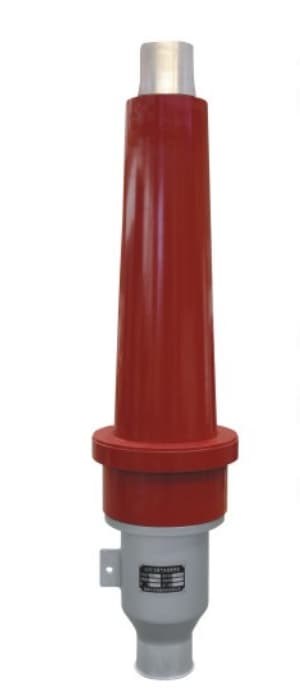
3. Main Types of GIS cable termination
GIS cable termination products vary depending on voltage level, installation environment, and insulation design.
3.1 By Voltage Level
Common voltage classes include:
- 72.5kV GIS cable termination
- 110kV GIS cable termination
- 132kV GIS cable termination
- 145kV GIS cable termination
- 220kV GIS cable termination
- 245kV GIS cable termination
- 400kV GIS cable termination
- 500kV GIS cable termination
Higher voltage GIS cable termination designs require more advanced stress control and insulation coordination.
3.2 By Installation Type
- Indoor GIS Terminal
Installed inside GIS switchgear rooms. - Outdoor GIS Terminal
Used when GIS equipment connects to outdoor structures. - Plug-In GIS Terminal
Pre-molded design, factory tested for faster installation. - Dry Type GIS Terminal
Uses silicone rubber insulation. - Oil-Filled GIS Terminal
Traditional design, increasingly replaced by dry types.
4. Key Components of a GIS cable termination
A standard GIS cable termination includes:
- Conductor connection lug
- Stress control cone
- Insulation body (EPDM or silicone rubber)
- GIS flange interface
- Sealing system
- Outer protective housing
Each component must comply with international standards such as International Electrotechnical Commission guidelines and testing procedures defined in IEEE specifications.
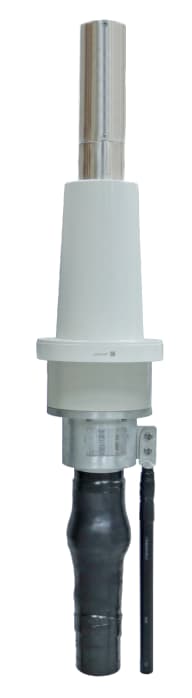
5. GIS cable termination Manufacturer Overview
When selecting a GIS Terminal manufacturer, technical capability, testing facilities, and project experience are crucial factors.
5.1 Global Leading Manufacturers
Some internationally recognized GIS Terminal manufacturers include:
- Gruppo Prysmian
- Nexan
- TE Connectivity
- ABB
- Siemens Energy
These companies offer complete high-voltage cable accessory systems integrated with GIS equipment.
5.2 Regional GIS cable termination Manufacturers
In addition to global brands, strong regional suppliers in Asia and Europe provide cost-effective solutions. Many Chinese and Korean manufacturers now export 132kV to 220kV GIS Terminal systems worldwide.
When evaluating a GIS Terminal manufacturer, consider:
- Type test reports
- Partial discharge performance
- Factory acceptance testing (FAT)
- On-site technical support
- Production capacity
- Delivery lead time
6. GIS Terminal Price Analysis
One of the most frequently asked questions is: What is the GIS Terminal price?
The answer depends on several variables.
6.1 Price by Voltage Level (Indicative Range)
| Voltage Level | Estimated GIS Terminal Price (USD per set) |
|---|---|
| 72.5kV | $3,000 – $6,000 |
| 132kV | $6,000 – $15,000 |
| 220kV | $18,000 – $35,000 |
| 400kV | $40,000 – $90,000 |
| 500kV | $100,000+ |
Nota: Prices vary based on specifications, insulation type, and project conditions.
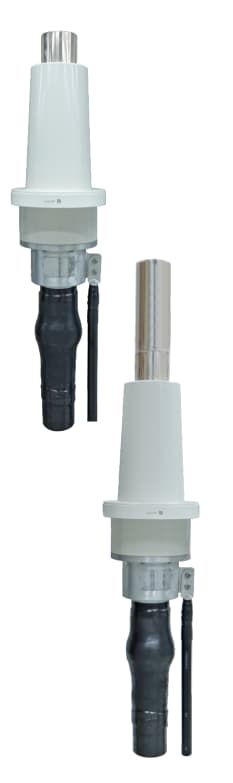
6.2 Factors Affecting GIS cable termination Price
- Voltage level
- Conductor size (mm²)
- Copper vs aluminum conductor
- Installation environment
- Brand reputation
- Certification requirements
- Quantity ordered
- Logistics and shipping
Because each project differs, most GIS Terminal manufacturers provide customized quotations.
7. Technical Specifications of GIS Cable Termination
Below are typical parameters for a 132kV GIS cable termination:
- Tensione nominale: 145kV
- Rated current: 630–2500A
- Lightning impulse withstand voltage: 650kV
- Power frequency withstand voltage: 275kV
- Partial discharge: ≤ 5pC
- Conductor range: 240–1600mm²
- Temperatura operativa: -40°C to +90°C
For 220kV GIS Terminal:
- Lightning impulse withstand voltage: 1050kV
- Partial discharge: ≤ 3pC
Higher voltage classes require stricter PD performance.
8. GIS Cable termination Installation Process
Proper installation ensures long-term reliability.
Fare un passo 1: Preparazione del cavo
Remove outer sheath and insulation carefully.
Fare un passo 2: Collegamento del conduttore
Crimp or bolt conductor lug.
Fare un passo 3: Stress Cone Installation
Install pre-molded insulation body.
Fare un passo 4: GIS Flange Connection
Bolt terminal to GIS compartment.
Fare un passo 5: Gas Sealing
Check SF₆ sealing integrity.
Fare un passo 6: Testing
Perform partial discharge test and withstand test.
Installation must follow manufacturer instructions precisely.
9. Advantages of Modern GIS Terminal Design
Modern GIS Terminal products offer:
- Pre-molded silicone insulation
- Reduced installation time
- Lower maintenance
- Elevata resistenza meccanica
- Superior sealing technology
- Lunga durata (30–40 anni)
Furthermore, new eco-friendly designs reduce SF₆ usage to meet environmental regulations.
10. GIS Terminal Applications
GIS Terminal solutions are widely used in:
- Urban substations
- Offshore wind farms
- Hydropower stations
- Industrial plants
- Underground transmission systems
- Submarine cable projects
Per esempio, offshore wind farms in the North Sea commonly use 220kV GIS Terminal systems for grid integration.
11. How to Choose the Right GIS Terminal
When selecting a GIS Terminal, consider:
- Voltage compatibility
- Cable type (XLPE, Epr)
- Conductor size
- GIS interface standard
- Environmental conditions
- Certification requirements
- Project budget
Always request:
- Type test reports
- Routine test reports
- Installation manuals
- Technical drawings
12. Future Trends in GIS Terminal Technology
The GIS Terminal market continues to evolve.
12.1 SF₆-Free Solutions
Due to environmental concerns, manufacturers are developing eco-gas insulated GIS systems.
12.2 Digital Monitoring
Smart sensors integrated into GIS Terminal designs allow real-time monitoring of:
- Temperature
- Partial discharge
- Gas pressure
12.3 Higher Voltage Levels
Ultra-high voltage (UHV) projects demand 500kV and 800kV GIS Terminal innovation.
13. Why Work with a Professional GIS Terminal Manufacturer?
Partnering with an experienced GIS Terminal manufacturer ensures:
- Engineering support
- Faster approval process
- Customized solutions
- Competitive GIS Terminal price
- Reliable after-sales service
Large infrastructure projects cannot risk accessory failure. Perciò, quality always outweighs low initial cost.
14. GIS Terminal
IL GIS Terminal is a vital component in high-voltage power transmission systems. As urbanization increases and grid infrastructure expands, the demand for reliable GIS Terminal solutions continues to rise.
When selecting a GIS Terminal manufacturer, focus not only on price but also on technical performance, certification, and project experience. Although GIS Terminal price varies depending on voltage and specification, investing in high-quality products ensures long-term operational safety and reduced maintenance costs.
In summary:
- GIS Terminal connects high-voltage cables to gas-insulated switchgear.
- It must meet strict insulation and sealing requirements.
- Leading manufacturers offer solutions from 72.5kV to 500kV.
- Pricing depends on voltage level and technical configuration.
- Proper installation guarantees system reliability.
As global power grids continue to modernize, GIS Terminal technology will remain at the forefront of safe, compact, and efficient energy transmission systems.
If you need a customized GIS Terminal quotation or technical specification sheet, working directly with a certified GIS Terminal manufacturer is always the best strategy for long-term project success.