
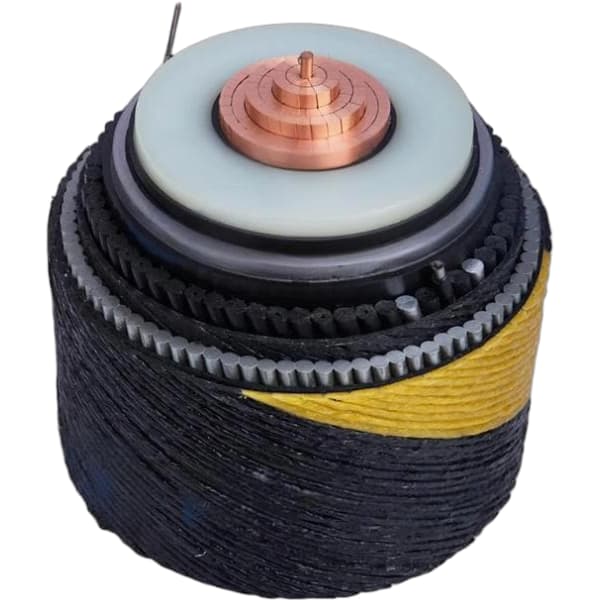
115kV XLPE ケーブルの紹介
現代の電気インフラには信頼性が求められます, 効率的, 耐久性の高い動力伝達システム. 都市が拡大を続け、再生可能エネルギープロジェクトが世界中で増加するにつれて, 地中高圧ケーブルシステムはこれまで以上に重要になっています. これらのソリューションの中には, 115kV XLPE ケーブルは、その優れた電気性能と動作の安定性が広く知られています。.
従来の紙絶縁ケーブルやオイル封入ケーブルとは異なります。, XLPE 絶縁ケーブルにより優れた耐熱性を実現, メンテナンス要件の軽減, 環境保護の改善. その結果, 公益事業会社, EPC請負業者, 再生可能エネルギー開発者, 産業施設では、中容量および大容量の送電ネットワークに 115kV XLPE ケーブルを選択するケースが増えています。.
多くの国で, 地下送電プロジェクトが都市環境の架空線に取って代わる. 結果として, 高品質 115kV XLPE ケーブル システムの需要は急速に成長し続けています.
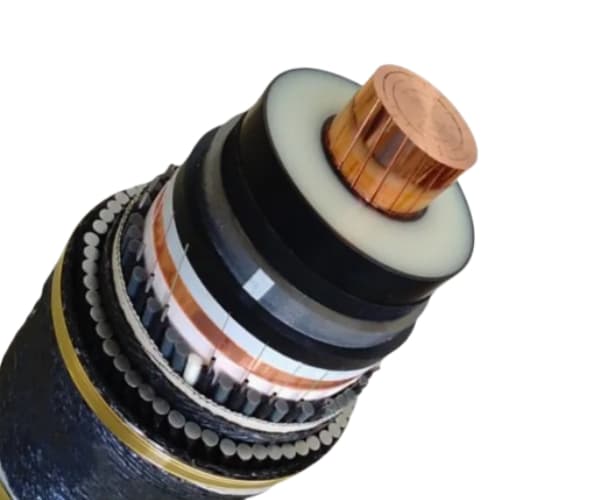
115kV XLPEケーブルとは?
115kV XLPE ケーブルは、架橋ポリエチレン材料で絶縁された高圧電力ケーブルです。. このケーブルは、69/115kV または 64/110kV の電圧クラスで動作する送電システム用に設計されています。.
XLPE絶縁は誘電特性に優れているため, 高い電気的ストレス条件下でも効率的に動作します。. 加えて, この素材は湿気に対する優れた耐性を備えています, 熱老化, および化学腐食.
今日, 115kV XLPE ケーブルは一般的に次の場所に設置されます。:
- 都市地下送電システム
- 再生可能エネルギープロジェクト
- 産業用変電所
- 鉄道電化システム
- 空港インフラ
- 採掘作業
- 石油・ガス施設
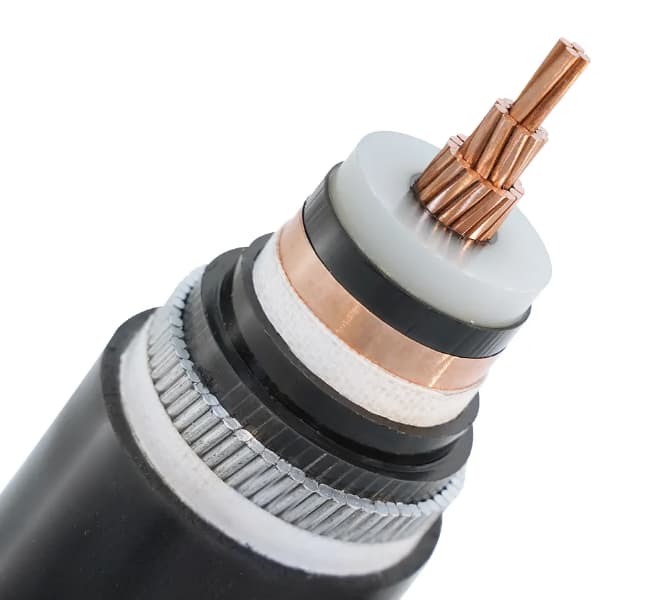
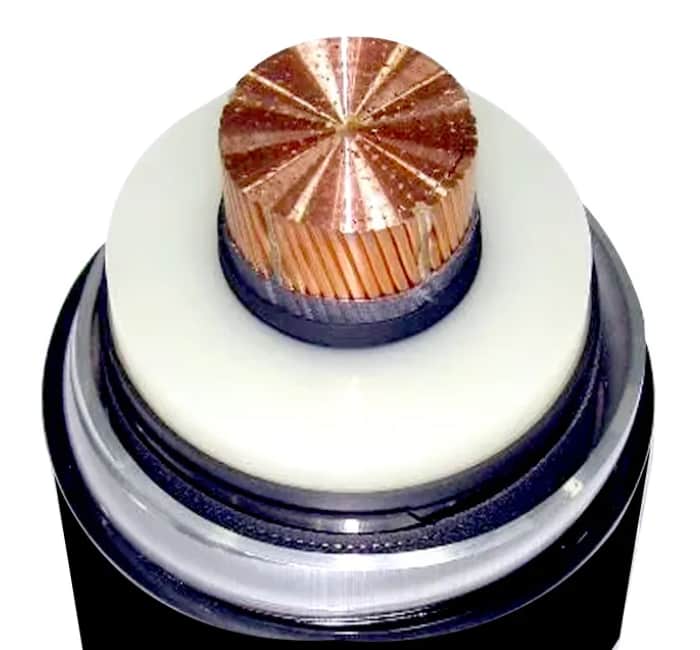
115kV XLPEケーブルの主な構造
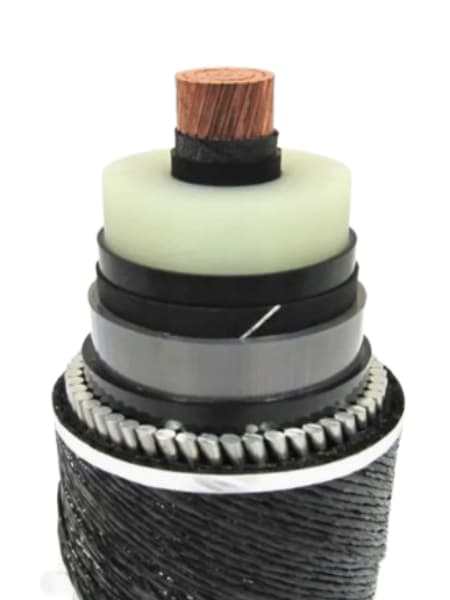
最新の高電圧ケーブルは、慎重に設計された複数の層で構成されています. 各層は特定の電気的または機械的機能を実行します。.
一般的なケーブル構造
| 成分 | 主な機能 |
|---|---|
| 導体 | 電流を流す |
| 導体スクリーン | 電気的ストレスを制御 |
| XLPE絶縁 | 主誘電体絶縁 |
| 断熱スクリーン | 均一な電界分布 |
| メタリックスクリーン | 故障電流のリターンパス |
| 水分遮断層 | 水の浸入を防ぎます |
| 寝具層 | 機械的クッション |
| 装甲 | 機械的保護 |
| アウターシース | 環境保護 |
さらに, メーカーは設置条件や顧客の要件に応じて構造をカスタマイズする場合があります.
115kV XLPEケーブルの利点
優れた熱性能
XLPE 絶縁により、ケーブルは高温下でも安全に動作します。.
一般的な温度定格には次のものがあります。:
| 動作状態 | 温度 |
|---|---|
| 通常動作 | 90℃ |
| 緊急過負荷 | 130℃ |
| 短絡 | 250℃ |
したがって, XLPE ケーブルは、従来の多くのケーブル システムよりも多くの電流を伝送できます。.
電気損失の低減
XLPE絶縁の誘電損失は比較的低いです. その結果, 長距離電力網の送電効率が大幅に向上.
より長い耐用年数
適切に設置および保守されている場合, 115kV XLPE ケーブル システムは、 30 に 40 年. さらに, 変動する負荷条件下でも絶縁構造は安定しています.
メンテナンス要件の軽減
オイル充填ケーブル システムには、多くの場合、複雑な圧力監視装置が必要です. しかし, XLPE ケーブルにより、液体メンテナンス システムが不要になります, 運用コストを大幅に削減します.
115kV XLPE ケーブルの国際規格
安全で安定した動作を保証するために、高電圧ケーブルは厳格な国際規格に準拠する必要があります.
IEC規格
| 標準 | 説明 |
|---|---|
| IEC 60840 | 30kVを超えて150kVまでの電力ケーブル |
| IEC 62067 | 特別高圧ケーブルシステム |
| IEC 60228 | 絶縁ケーブルの導体 |
| IEC 60502 | 電力ケーブルの絶縁要件 |
| IEC 60229 | オーバーシース試験 |
アメリカの規格
| 標準 | 説明 |
|---|---|
| ICEA S-108-720 | シールド付き電源ケーブル標準 |
| AEIC CS9 | 押出誘電体ケーブル仕様 |
| IEEE 48 | ケーブル終端 |
| IEEE 404 | ケーブルジョイント |
| ASTM規格 | 導体材料規格 |
多くの国際プロジェクトでは複数の認定が必要となるため, メーカーは多くの場合、IEC と IEEE の両方の仕様に従ってケーブルを製造します。.
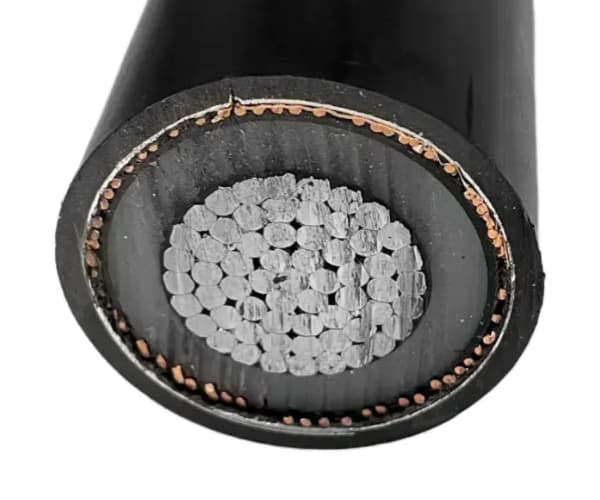
銅およびアルミニウムの導体
正しい導体材料を選択することは、ケーブル システム設計の重要な部分です.
銅導体
銅導体が提供するもの:
- より高い導電性
- 伝送損失の低減
- 機械的強度の向上
- 導体径の縮小
結果として, 銅はコンパクトな地下システムや都市部の変電所で広く使用されています.
アルミニウム導体
アルミニウム導体にはいくつかの経済的利点があります.
これらの利点には以下が含まれます::
- 材料費の削減
- ケーブル重量の軽減
- より簡単な輸送
- 取り付け張力を下げる
したがって, 実用規模の送電プロジェクトでは、長距離ネットワークにアルミニウム導体が選択されることがよくあります.
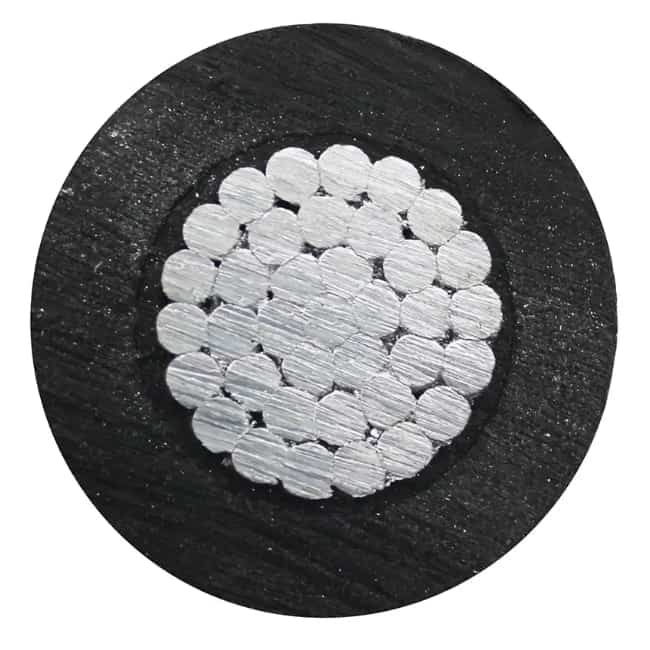
12AWG から 1000MCM までの米国標準サイズ
北米市場では、AWG および MCM 導体サイジング システムが一般的に使用されています。.
AWGおよびMCMサイズ表
| AWG/MCM サイズ | 断面積 mm² |
|---|---|
| 12 AWG | 3.31 |
| 10 AWG | 5.26 |
| 8 AWG | 8.37 |
| 6 AWG | 13.3 |
| 4 AWG | 21.1 |
| 2 AWG | 33.6 |
| 1 AWG | 42.4 |
| 1/0 AWG | 53.5 |
| 2/0 AWG | 67.4 |
| 3/0 AWG | 85 |
| 4/0 AWG | 107.2 |
| 250 MCM | 126.7 |
| 300 MCM | 152 |
| 350 MCM | 177.3 |
| 400 MCM | 202.7 |
| 500 MCM | 253.4 |
| 600 MCM | 304 |
| 750 MCM | 380.1 |
| 800 MCM | 405.4 |
| 1000 MCM | 506.7 |
IEC 導体サイズ 50mm² ~ 3000mm²
多くの国際送電プロジェクトは IEC メートル導体規格に従っています.
IEC メートルサイズ表
| IECサイズ | 代表的な用途 |
|---|---|
| 50 mm² | 配光システム |
| 70 mm² | 産業用ネットワーク |
| 95 mm² | 商用電源 |
| 120 mm² | 都市分布 |
| 150 mm² | 中負荷伝動 |
| 185 mm² | ユーティリティシステム |
| 240 mm² | 変電所接続 |
| 300 mm² | 地下伝送 |
| 400 mm² | 産業インフラ |
| 500 mm² | 発電プロジェクト |
| 630 mm² | 再生可能エネルギーシステム |
| 800 mm² | 大容量伝送 |
| 1000 mm² | 商用電力網 |
| 1200 mm² | 大規模変電所 |
| 1400 mm² | 高負荷システム |
| 1600 mm² | 重工業プロジェクト |
| 2000 mm² | 主な送信回路 |
| 2500 mm² | 超大容量システム |
| 3000 mm² | 大規模な公共インフラ |
115kVケーブルの電気的特性
典型的な技術パラメータ
| パラメータ | 価値 |
|---|---|
| 定格電圧 | 69/115kV |
| 最大システム電圧 | 123kV |
| 頻度 | 50Hz / 60Hz |
| 最大導体温度 | 90℃ |
| 短絡温度 | 250℃ |
| 雷インパルス電圧 | 550kV |
| AC試験電圧 | 230kV |
さらに, メーカーはローカルグリッドの要件に応じてケーブルパラメータをカスタマイズする場合があります.
115kV XLPE ケーブルの設置方法
直埋設置
直接埋設は最も経済的な設置方法の 1 つです. 通常, ケーブルは砂敷きと保護警告テープを備えたトレンチ内に配置されます.
ダクトの設置
都市インフラプロジェクトでは、将来的にメンテナンスへのアクセスが容易になるため、ダクトシステムがよく使用されます。.
さらに, ダクトの設置により追加の機械的保護が提供されます.
トンネルの設置
大都市や電力会社は、重要な送電システムにケーブル トンネルを頻繁に使用しています。.
この方法が提供するのは、:
- 検査の容易化
- 放熱性の向上
- メンテナンスの簡素化
- 複数回路用のスペース
115kV XLPE ケーブルの一般的な用途
再生可能エネルギープロジェクト
太陽光発電所と風力発電所には、生成された電力を主要な電力網に接続するための安定した送電システムが必要です.
その結果, XLPE 高電圧ケーブルは再生可能エネルギー インフラで広く使用されています.
産業施設
重工業では継続的な大容量電源が必要です. したがって, 多くの工場では、信頼性を向上させるために地下 115kV 送電システムを設置しています。.
交通インフラ
現代の交通システムも高圧ケーブルネットワークに依存しています.
一般的なアプリケーションには次のものがあります。:
- 空港
- 地下鉄システム
- 鉄道電化
- 港ターミナル
115kV システムで使用されるケーブル アクセサリ
完全な高電圧ケーブル システムには特殊なアクセサリが必要です.
主な付属品
| アクセサリー | 関数 |
|---|---|
| 屋外終端 | 変電所接続 |
| GIS の終了 | GIS機器への接続 |
| ストレートジョイント | ケーブル接続 |
| 絶縁ジョイント | 電気的絶縁 |
| リンクボックス | 接地管理 |
適切な付属品がない場合, ケーブル システムが安全または効率的に動作できない.
115kV ケーブルの試験手順
メーカーは高電圧ケーブルを顧客に納品する前に複数のテストを実行します.
定期テスト
定期検査には通常、次のものが含まれます。:
- 導体抵抗試験
- 部分放電試験
- 耐電圧試験
- 寸法検証
タイプテスト
型式試験によりケーブルの長期信頼性を確認.
これらのテストには以下が含まれる場合があります:
- 雷インパルス試験
- 加熱サイクル試験
- 曲げ試験
- 短絡試験
さらに, 一部の公益事業プロジェクトでは、商用設置前に追加の事前認定テストが必要です.
115kV XLPE ケーブルを選択する際の重要な要素
ケーブル システムを選択する前に、いくつかの技術的要素を評価する必要があります。.
電流容量
導体のサイズは、必要な電気負荷を安全にサポートする必要があります.
環境条件
エンジニアは評価すべき:
- 土壌熱抵抗率
- 周囲温度
- 湿度
- 機械的リスク
設置環境
ケーブルの性能は環境によって異なる場合があります。:
- 地下埋葬
- ダクトの設置
- トンネルシステム
- 湿った環境
適用規格
ついに, 選択したケーブルは、必要な国際規格およびユーティリティ仕様に準拠している必要があります.
高電圧 XLPE ケーブル技術の将来の動向
インフラ投資の増加により世界の高圧ケーブル市場は拡大を続ける. 同時に, メーカーは効率と持続可能性を向上させるために高度なケーブル技術を開発しています.
現代のイノベーションには以下が含まれます::
- より高い電流容量の導体
- 環境に優しいシース材料
- 改良された防湿層
- スマート監視システム
- 伝送損失の低減
電力網がより複雑になるにつれて, 信頼性の高い地下ケーブルシステムはさらに重要になる.
115kV XLPEケーブル
115kV XLPE ケーブルは、現代の地下送電インフラにおける最も重要なコンポーネントの 1 つです. 優れた断熱性能により、, 高い熱抵抗, 長寿命, メンテナンスの必要性が低い, XLPE ケーブル技術は、世界中の公益企業や産業プロジェクトで好まれる選択肢となっています。.
12AWG ~ 1000MCM の米国標準導体サイズを使用するか、50mm² ~ 3000mm² の IEC メートルサイズを使用するか, 信頼性が高く効率的な電力伝送には、適切なケーブルの選択が引き続き不可欠です.
将来, 都市の拡大に伴い、高品質の 115kV XLPE ケーブル システムの需要は増加し続けるでしょう, 再生可能エネルギープロジェクトが成長する, そして世界の電力インフラは最新化されます.