
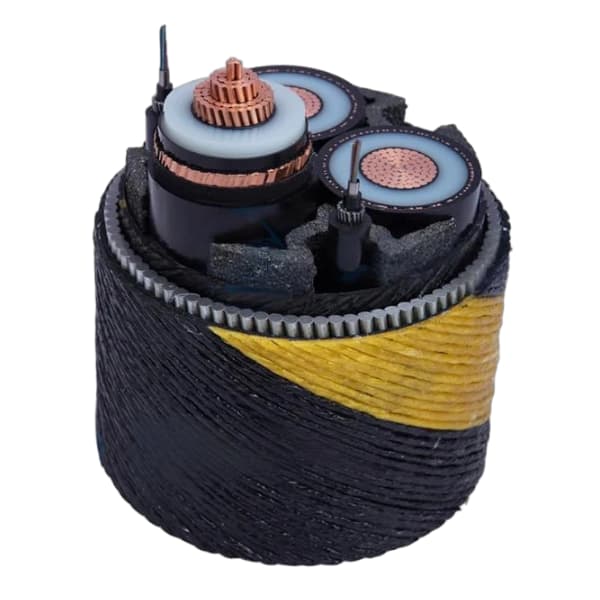
Submarine cables are the hidden infrastructure behind the internet, global communication, and offshore energy systems. This guide explains clearly what submarine cables are, how they work, and why they are essential in today’s world.
⚡ Quick Answer
あ 海底ケーブル is a specially designed cable laid on the seabed to transmit electric power or data signals between two land locations. These cables are built to operate reliably under extreme underwater conditions such as high pressure, 塩水腐食, and mechanical impact.
🌍 Why Submarine Cables Matter
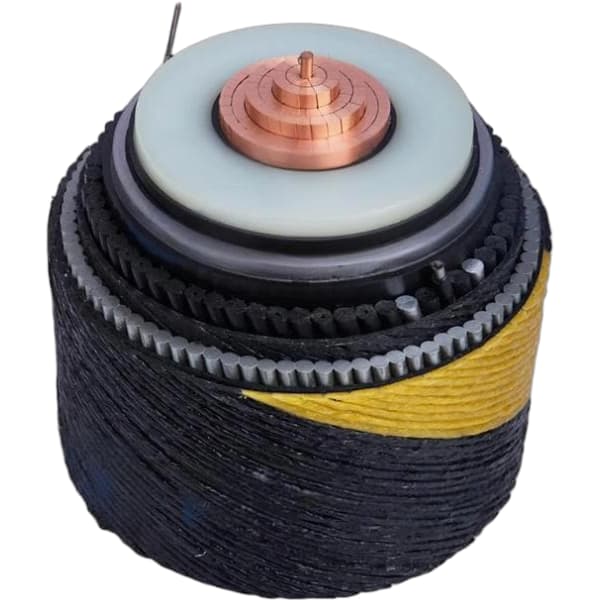
Submarine cables form the backbone of modern global infrastructure.
- 以上 95% of international data traffic is carried by submarine fiber optic cables
- Offshore wind farms depend on submarine power cables for grid connection
- Global businesses, クラウドコンピューティング, and streaming rely on stable undersea connectivity
🧩 Structure of a Submarine Cable
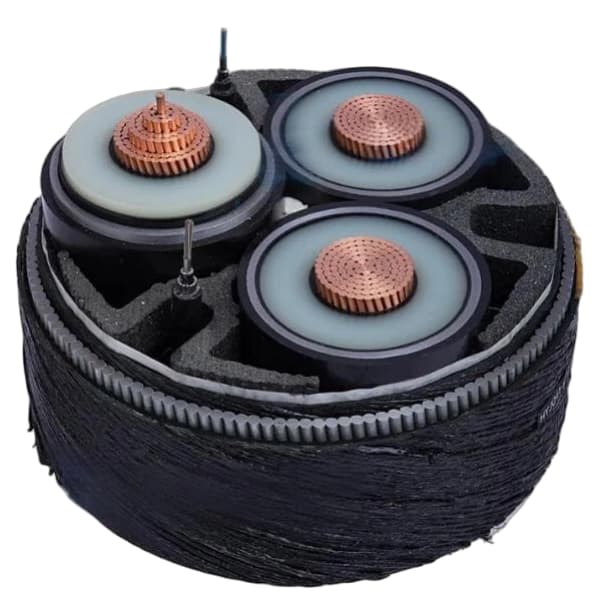
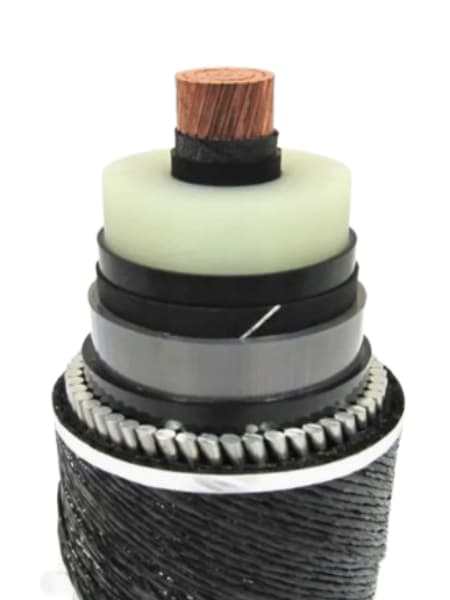
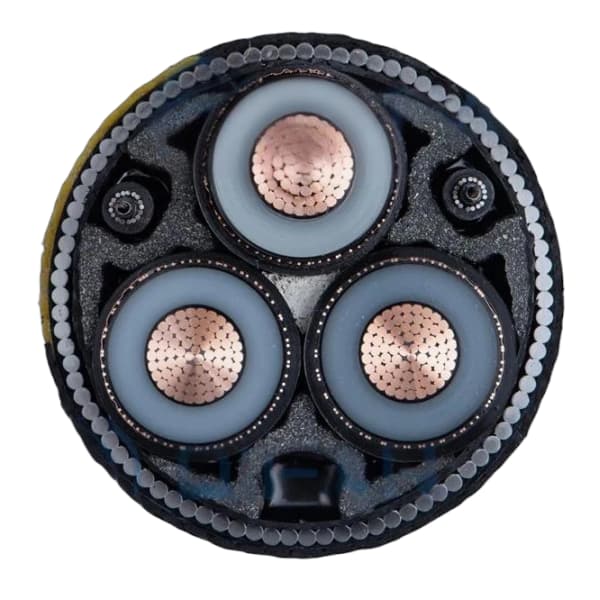
A submarine cable is a multi-layer engineered system designed for durability and performance.
代表的な構造 (from inside to outside):
- Core (optical fiber or copper/aluminum conductor)
- Insulation layer (XLPE or EPR)
- Metallic shielding
- 装甲 (steel wires for protection)
- アウターシース (anti-corrosion material)
Each layer serves a specific purpose, ensuring the cable can operate safely for decades under the sea.
🔍 Types of Submarine Cables
1. Fiber Optic Submarine Cable
These cables transmit data using light signals and form the backbone of global communications.
アプリケーション:
- 国際インターネットトラフィック
- Telecommunications networks
- Data center connections
特徴:
- High bandwidth
- Low latency
- Long-distance transmission capability
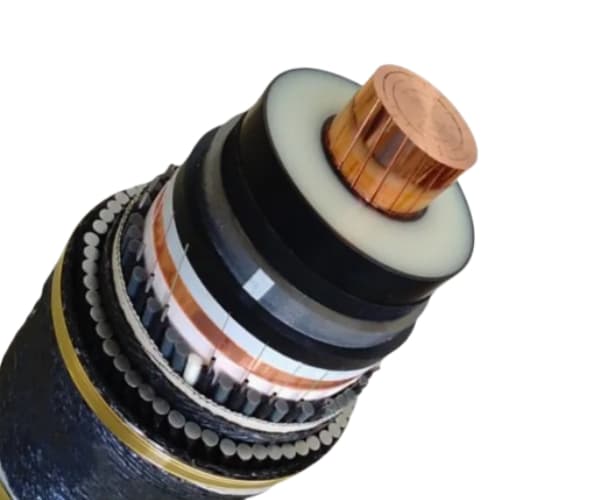
2. 海底電力ケーブル
These cables transmit electrical energy across water bodies.
アプリケーション:
- 洋上風力発電所
- 島内電源
- 国境を越えた送電
Voltage levels:
- Medium voltage (1kV–35kV)
- High voltage (35kV–220kV)
- HVDC systems for long-distance transmission
3. Hybrid Submarine Cable
Hybrid cables combine power transmission and communication functions in one system. They are commonly used in offshore oil, ガス, および再生可能エネルギープロジェクト.
⚖️ Power Cable vs Fiber Optic Cable
| 側面 | 電源ケーブル | Fiber Optic Cable |
|---|---|---|
| 関数 | Transmit electricity | Transmit data |
| 芯材 | 銅 / アルミニウム | Glass fiber |
| Signal Type | Electrical | Optical |
| Typical Use | Energy systems | Internet & 電気通信 |
⚙️ How Submarine Cables Work
データ送信 (Fiber Optic)
- Data is converted into light signals
- Light travels through optical fibers
- Repeaters amplify signals every 50–100 km
Power Transmission
- Electricity flows through conductors
- Insulation prevents leakage
- Shielding stabilizes the electric field
🚢 Installation Process
Installing submarine cables requires specialized equipment and precise planning.
Main steps:
- Route survey and seabed analysis
- Cable manufacturing and testing
- Deployment using cable-laying ships
- Burial in shallow waters for protection
- Final testing and commissioning
In deep sea areas, cables are usually laid directly on the seabed.
🛠️ Advantages
- 長寿命 (typically 20–40 years)
- High transmission capacity
- Reliable performance
- Lower latency compared to satellite systems
⚠️ Challenges
- Exposure to harsh marine environments
- Risk of damage from anchors and fishing gear
- High installation and repair costs
- Complex maintenance operations
🔧 Maintenance and Repair
故障が発生したとき:
- The damaged section is located using monitoring systems
- A repair vessel retrieves the cable
- The cable is cut, repaired, and reconnected
- It is then placed back onto the seabed
📈 Future Development
Submarine cable technology continues to evolve to meet growing global demand.
- Higher capacity fiber optic systems
- Expansion of long-distance HVDC power transmission
- Integration with offshore renewable energy
- Intelligent monitoring systems for fault detection
💡 Final Perspective
Submarine cables are a critical part of modern infrastructure, enabling global communication and energy transmission beneath the ocean. Their reliability, 効率, and capacity make them indispensable in an increasingly connected world.