
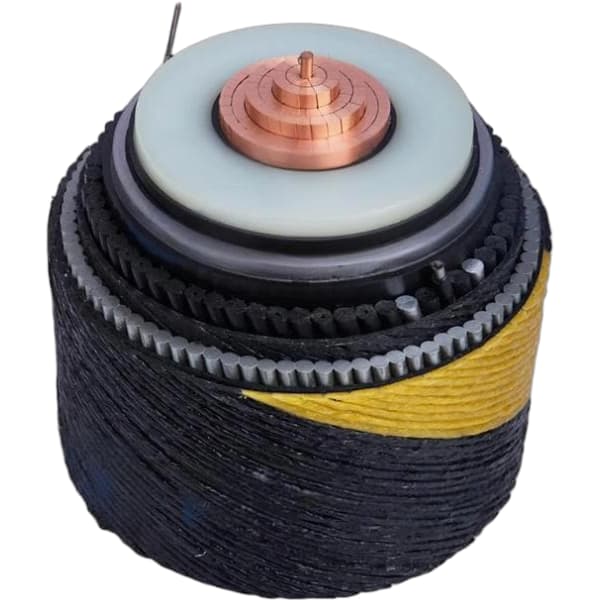
230кВ кабельмен таныстыру
Заманауи электр беру жүйелері үлкен көлемдегі электр энергиясын ұзақ қашықтыққа қауіпсіз және тиімді тасымалдауға қабілетті сенімді жоғары вольтты инфрақұрылымды қажет етеді.. Бұл жүйелердегі ең маңызды компоненттердің бірі болып табылады 230кВ кабель, коммуналдық желілерде кеңінен қолданылады, өнеркәсіптік қосалқы станциялар, жаңартылатын энергия жобалары, жер асты электр жеткізу желілері, және қалалық электр инфрақұрылымы.
Себебі жаһандық электр энергиясына сұраныс артып келеді, коммуналдық компаниялар мен өнеркәсіптік операторлар трансмиссияның озық технологияларына көп қаражат салуда. 230 кВ кабель беріліс шығындарын азайту және жүйе сенімділігін арттыру кезінде тұрақты қуат беруді қамтамасыз етуде маңызды рөл атқарады..
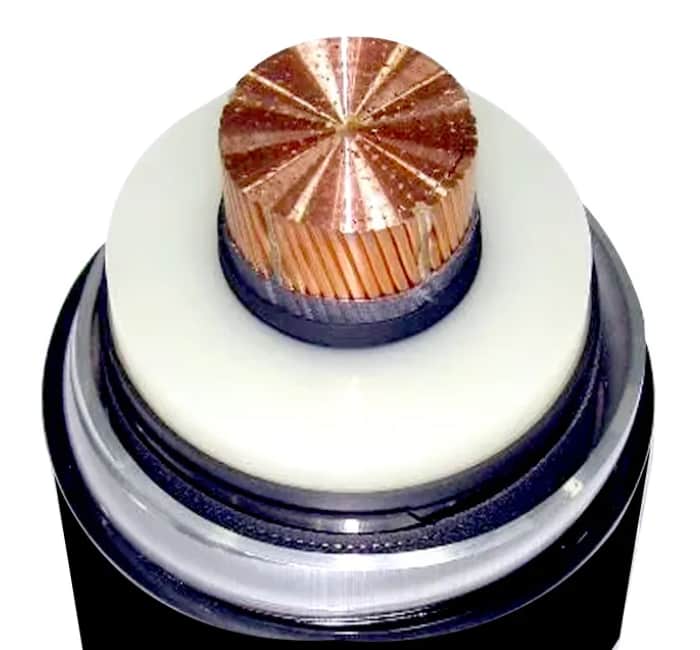
Төмен вольтты кабельдермен салыстырғанда, 230кВ қуат кабельдері күрделі оқшаулау жүйелерімен құрастырылған, металл экрандау, және жетілдірілген қорғаныс қабаттары. Бұл мүмкіндіктер кабельдің өте жоғары электр кернеуі мен қатал қоршаған орта жағдайында жұмыс істеуіне мүмкіндік береді.
Бүгін, 230кВ кабельдік жүйелер әдетте орнатылған:
- Ұлттық электр желілері
- Жаңартылатын энергия жобалары
- Өнеркәсіптік электр станциялары
- Метрополитеннің жер асты желілері
- ГАЖ қосалқы станциялары
- Мұнай-химия объектілері
- Тау-кен жұмыстары
- Деректер орталықтары
- Темір жол инфрақұрылымы
230кВ кабель дегеніміз не?
230 кВ кабель – номиналды кернеуде электр энергиясын беруге арналған жоғары вольтты қуат кабелі. 230 Киловолттар.
Бұл кабельдер жоғары қуатты энергияны беру қажет болатын электр беру жүйелерінде қолданылады. Олар тамаша оқшаулау өнімділігі мен жылу тұрақтылығын сақтай отырып, жоғары электр өрістеріне төтеп беру үшін жасалған..
Көптеген заманауи 230 кВ кабельдер керемет электрлік және механикалық қасиеттеріне байланысты XLPE оқшаулау технологиясын пайдаланады..
Негізгі сипаттамаларға жатады:
- Ток өткізу қабілеті жоғары
- Тамаша диэлектрлік беріктік
- Ұзақ қызмет ету мерзімі
- Термиялық қартаюға төзімділік
- Ауыр жүктемелер кезінде сенімді өнімділік
- Төмен техникалық қызмет көрсету талаптары
230кВ кабельдің құрылымы
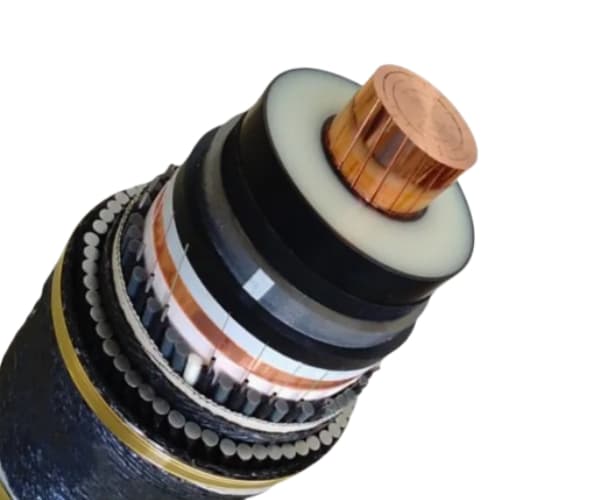
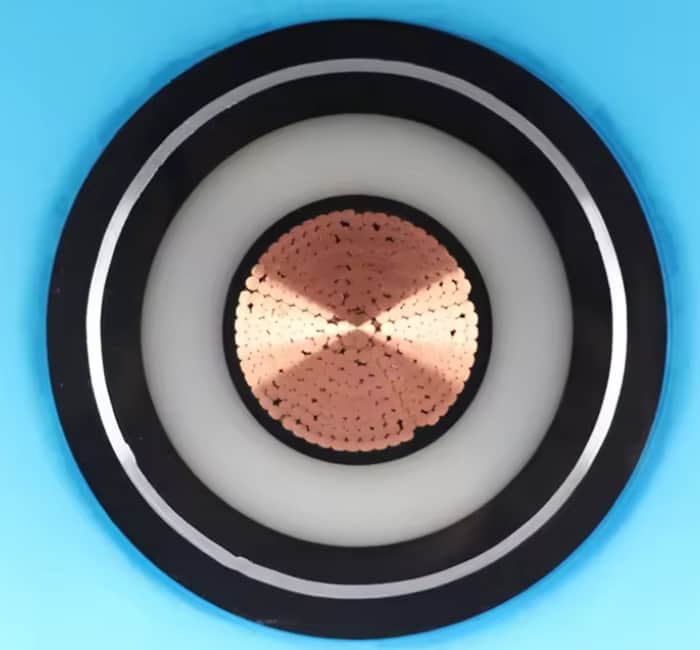
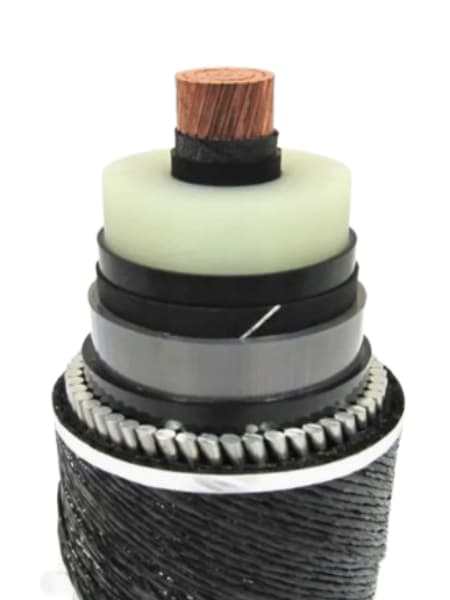
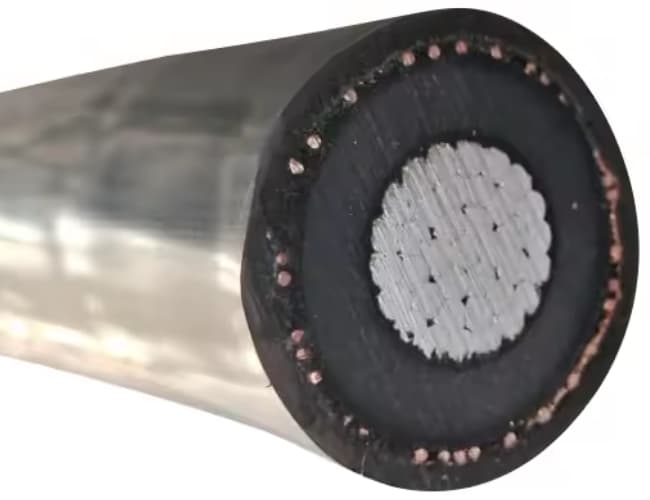
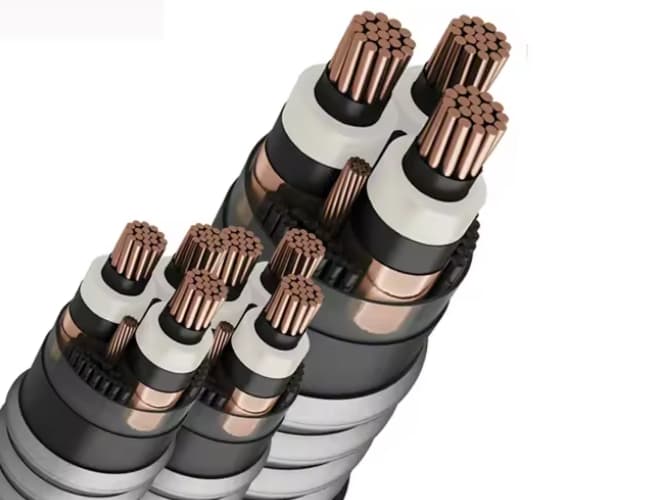
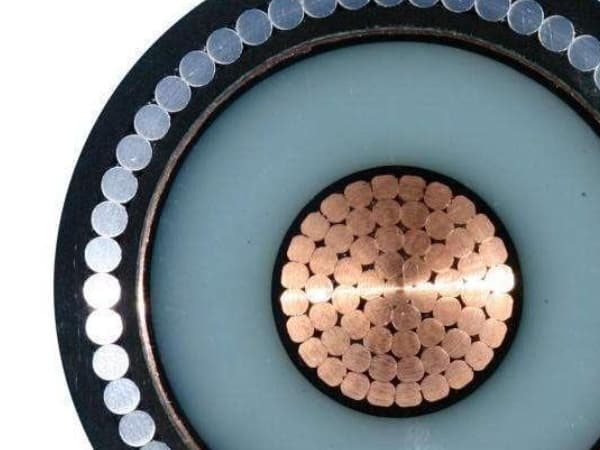
Әдеттегі 230 кВ кабель қауіпсіз және тұрақты жұмысты қамтамасыз ету үшін жасалған бірнеше қабаттардан тұрады.
Дирижер
Өткізгіш - электр тогын өткізуге жауапты негізгі компонент.
Жалпы өткізгіш материалдарға жатады:
- Мыс
- Алюминий
Мыс өткізгіштер қамтамасыз етеді:
- Жоғары өткізгіштік
- Төмен қарсылық
- Жақсырақ шамадан тыс жүктеме өнімділігі
Алюминий өткізгіштер ұсынады:
- Төмен салмақ
- Материалдық шығынның төмендеуі
- Жеңіл тасымалдау
- Ұзақ қашықтыққа тасымалдау үшін жақсы үнемділік
Жалпы өткізгіш өлшемдері кіреді:
- 400 мм²
- 630 мм²
- 800 мм²
- 1000 мм²
- 1200 мм²
- 1600 мм²
- 2500 мм²
Дирижер экраны
Өткізгіш экраны - электр өрісінің біркелкі таралуын қамтамасыз ету үшін өткізгіштің айналасында орналасқан жартылай өткізгіш қабат.
Бұл қабат электр кернеуінің шоғырлануын болдырмайды және ішінара разряд қаупін азайтады.
XLPE оқшаулау
XLPE (Кросс-байланыстырылған полиэтилен) оқшаулау заманауи жоғары вольтты кабельдер үшін әлемдік стандарт болып табылады.
XLPE оқшаулауының артықшылықтары мыналарды қамтиды:
- Тамаша диэлектрлік өнімділік
- Жоғары термиялық төзімділік
- Төмен диэлектрлік шығын
- Қартаюға жоғары қарсылық
- Ұзақ пайдалану мерзімі
- Күшті ылғалға төзімділік
XLPE кабельдері көптеген елдерде май толтырылған дәстүрлі кабельдік жүйелерді біртіндеп ауыстырады.
Оқшаулау экраны
Оқшаулағыш экран - бұл оқшаулауды қоршап тұратын және электр өрісін басқаратын тағы бір жартылай өткізгіш қабат.
Бұл қабат электр тұрақтылығын сақтау үшін өткізгіш экранмен бірге жұмыс істейді.
Металл экран
Металл экран әдетте мыналардан жасалады:
- Мыс таспа
- Мыс сымдар
- Гофрленген алюминий қабық
Функцияларға жатады:
- Жерге тұйықталу ток өткізгіштігі
- Электромагниттік экрандау
- Электр ақауларынан қорғау
- Индукцияланған кернеудің төмендеуі
Суды бөгеу қабаты
Көптеген заманауи 230 кВ кабельдер ылғалдың енуіне жол бермеу үшін суды блоктайтын материалдарды қамтиды.
Судың түсуі уақыт өте келе оқшаулау өнімділігіне айтарлықтай зиян келтіруі мүмкін.
Сыртқы қабық
Сыртқы қабық кабельді қоршаған орта мен механикалық зақымданудан қорғайды.
Жалпы қаптама материалдарына жатады:
- ПВХ
- PE
- HDPE
- LSZH қосылыстары
Қабық қорғайды:
- Ультракүлгін сәулелену
- Ылғалдылық
- Коррозия
- Химиялық заттар
- Абразия
- Механикалық әсерлер
230кВ кабельдердің түрлері
XLPE жерасты кабелі
Бұл қазіргі заманғы тасымалдау жүйелерінде қолданылатын ең көп таралған түрі.
Артықшылықтары кіреді:
- Жоғары сенімділік
- Жеңіл техникалық қызмет көрсету
- Шағын орнату
- Қоршаған ортаға әсерді азайту
EPR оқшауланған кабель
EPR оқшауланған кабельдер үлкен икемділікті қажет ететін арнайы қолданбаларда қолданылады.
Сүңгуір қайық 230кВ кабель
Суасты кабельдері су астындағы қондырғыларға арналған, мысалы:
- Теңіздегі жел электр станциялары
- Аралдар арасындағы байланыстар
- Теңіз энергиясының берілуі
Бұл кабельдерде теңіз орталарында механикалық қорғаныс үшін брондалған қабаттар бар.
HVAC беру кабелі
Айнымалы ток беру 230 кВ кабельдік қосымшалар үшін ең кең таралған жүйе болып қала береді.
HVDC кабельдік жүйелер
Кейбір ұзақ қашықтықтағы жобаларда, тиімділік үшін жоғары вольтты тұрақты ток жүйелеріне артықшылық берілуі мүмкін.
230кВ кабельді қолдану
Коммуналдық қуат беру
Электр желілері қосылу үшін 230 кВ кабельдерді пайдаланады:
- Қосалқы станциялар
- Электр станциялары
- Аймақтық торлар
- Қалалық электр жеткізу желілері
Жаңартылатын энергия жобалары
Жаңартылатын энергия қондырғылары жиі жоғары вольтты тасымалдау инфрақұрылымын қажет етеді.
230кВ кабельдері кеңінен қолданылады:
- Күн фермалары
- Жел электр станциялары
- Теңіздегі жел жобалары
- Энергия сақтау қоймалары
Өнеркәсіптік инфрақұрылым
Ауыр өнеркәсіптер орасан зор электр энергиясын тұтынады.
Типтік салаларға жатады:
- Тау-кен
- Болат өндірісі
- Мұнай-химия зауыттары
- Цемент зауыттары
- Алюминий балқыту зауыттары
Қалалық метрополитен
Ірі қалалар барған сайын әуе электр беру желілерінің орнына жерасты кабельдік жүйелерді қалайды.
Артықшылықтары кіреді:
- Жақсартылған эстетика
- Ауа-райына байланысты ақаулар азайды
- Қоғамдық қауіпсіздікті жақсарту
- Қысқартылған техникалық қызмет көрсету
ГАЖ қосалқы станциялары
Газ оқшауланған қосалқы станциялар үшін арнайы жасалған кабельдік керек-жарақтар мен ГАЖ жүйелерімен үйлесімді ұштықтар қажет.
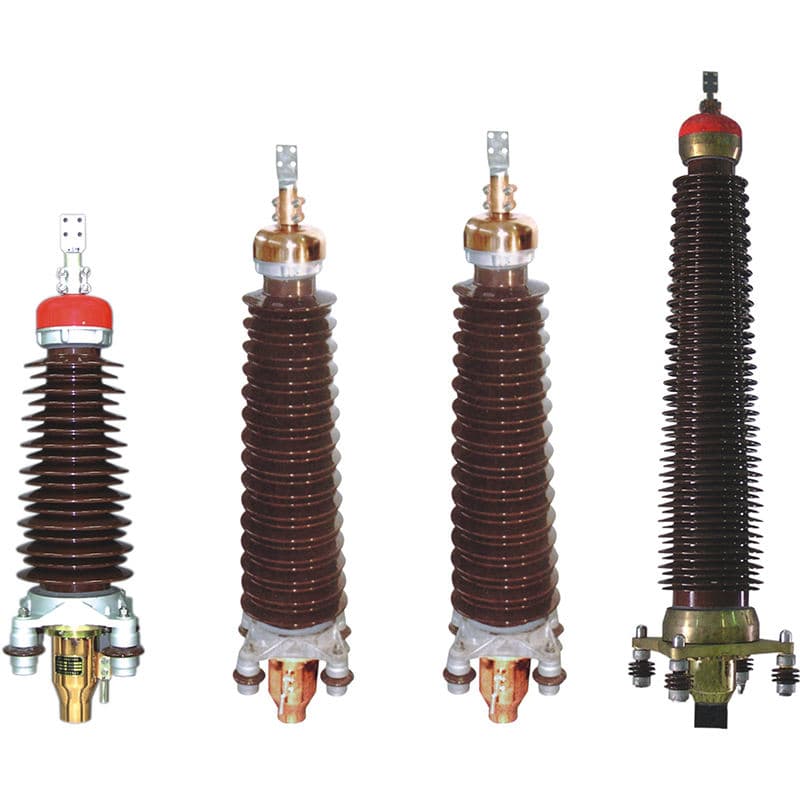
230кВ кабелінің керек-жарақтары
Толық кабельді беру жүйесі кабельдің өзінен әлдеқайда көп талап етеді.
Керек-жарақтар қауіпсіз жұмыс пен ұзақ мерзімді сенімділік үшін өте маңызды.
230кВ кабелінің ұштары
Кабель ұштары кабельді электр жабдығына қосады.
Жалпы қолданбаларға жатады:
- Трансформаторлар
- ГАЖ жабдықтары
- Коммутаторлар
- Сыртқы қосалқы станциялар
Түрлеріне жатады:
Сыртқы тоқтату
Ашық ауа ортасына арналған.
GIS тоқтатылуы
Газ оқшауланған қосалқы станцияларда қолданылады.
Ішкі тоқтату
Қорғалған электр қондырғыларында қолданылады.
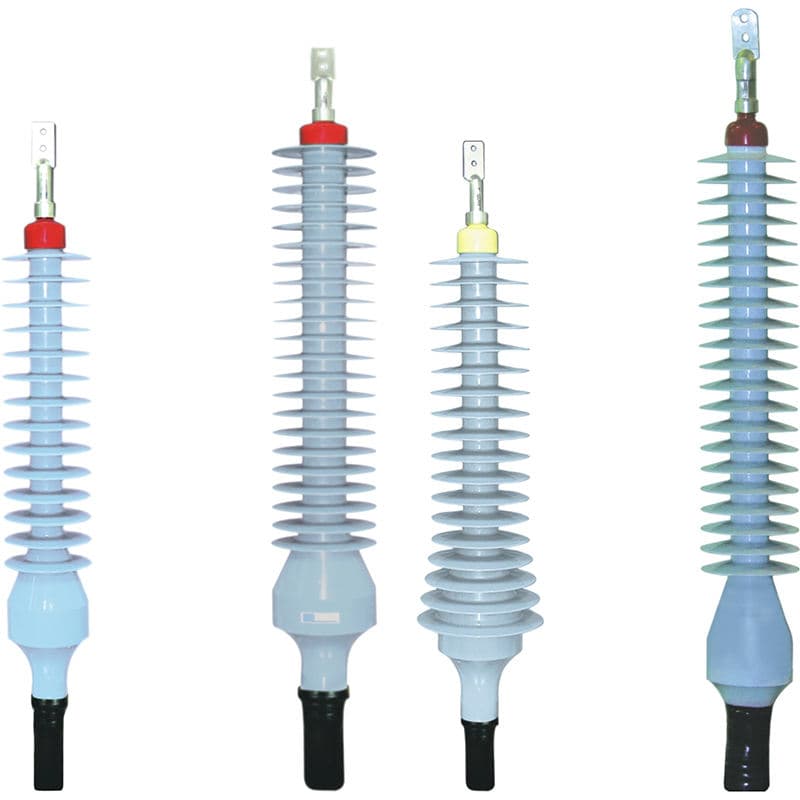
230кВ кабельдік қосылыстар
Кабельдік қосылыстар екі кабель бөлігін біріктіреді.
Жалпы буын түрлері:
- Тікелей буын
- Оқшауланған қосылыс
- Бөлімделген буын
Буындарды дұрыс орнату өте маңызды, себебі буындардың ақаулары жүйенің үлкен үзілістеріне әкелуі мүмкін.
Сілтеме қорабы
Сілтеме қораптары үшін пайдаланылады:
- Қаптаманы жерге қосу
- Байланыс жүйелері
- Индукцияланған кернеуді реттеу
Жерге қосу жүйесі
Жерге қосу жүйелері қамтамасыз етеді:
- Персонал қауіпсіздігі
- Ақаулық ток разряды
- Жүйені қорғау
230 кВ кабельді орнату
230 кВ кабельдік жүйені орнату мамандандырылған инженерлік және қатаң сапаны бақылауды қажет ететін жоғары техникалық процесс..
Маршрутты жоспарлау
Маршрутты жоспарлау кіреді:
- Геологиялық зерттеулер
- Термиялық талдау
- Құрылысты жобалау
- Қоршаған ортаны бағалау
Кабельді тарту
Кабельді тарту операцияларын мұқият бақылау керек:
- Тарту кернеуі
- Иілу радиусы
- Бүйірлік қысым
Дұрыс емес орнату оқшаулау жүйесін біржола зақымдауы мүмкін.
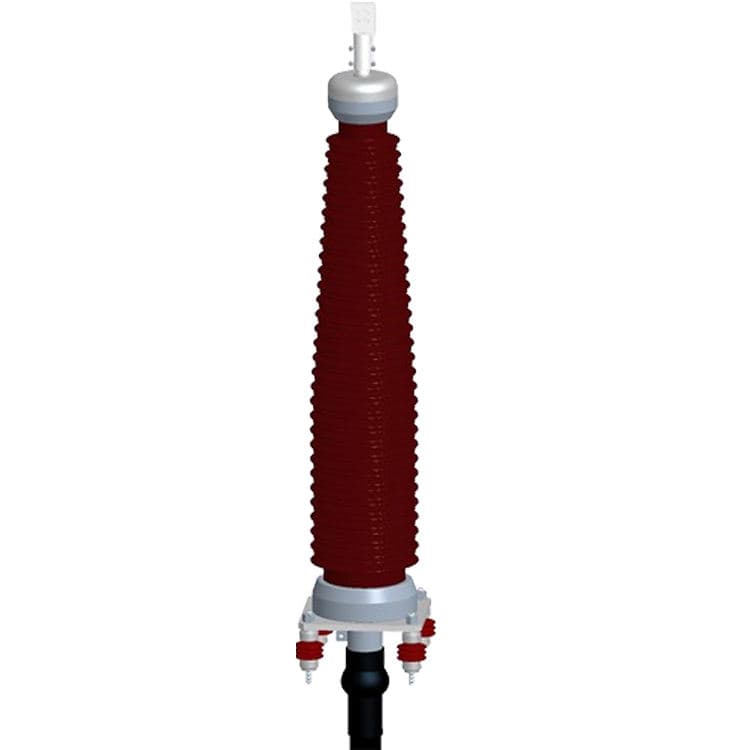
Таза орнату ортасы
Орнату кезінде ластану себеп болуы мүмкін:
- Жартылай разряд
- Электр тогының бұзылуы
- Оқшаулаудың мерзімінен бұрын бұзылуы
Қатаң тазалық стандарттары міндетті болып табылады.
Біріктіру және аяқтау орнату
Біріктіру және аяқтау жұмыстарын тек оқытылған мамандар орындауы керек.
Тіпті кішігірім орнату қателері кабельдің қызмет ету мерзімін айтарлықтай қысқартуы мүмкін.
Орнатқаннан кейінгі сынақ
Орнатқаннан кейін, ауқымды тестілеу жүргізіледі.
Тесттер қамтуы мүмкін:
- Айнымалы ток сынауға төзімді
- Жартылай разрядты сынау
- Қабық сынағы
- VLF сынағы
- Резонанстық сынау
230кВ кабель бағасына әсер ететін факторлар
230 кВ кабельдік жүйенің құны көптеген факторларға байланысты.
Өткізгіш материал
Мыс кабельдері әдетте алюминий кабельдерге қарағанда қымбатырақ.
Дегенмен, мыс ұсынады:
- Жоғары өткізгіштік
- Өткізгіштің кішірек өлшемі
- Жақсырақ термиялық өнімділік
Кабель өлшемі
Өткізгіштердің үлкен көлденең қималары шығындарды айтарлықтай арттырады.
Оқшаулау қалыңдығы
Оқшаулаудың жоғары талаптары өндірістің күрделілігін және материалды тұтынуды арттырады.
Орнату ортасы
Суасты және жер асты қондырғылары қосымша қорғаныс құрылымдары мен керек-жарақтарды қажет етеді.
Кабельдік керек-жарақтар
Жоғары вольтты керек-жарақтар жобаның жалпы құнының негізгі бөлігін құра алады.
Тестілеу және сертификаттау
Халықаралық сертификаттар өндіріс шығындарын арттырады, бірақ жобаның сенімділігін арттырады.
Жалпы стандарттарға мыналар жатады:
- IEC
- IEEE
- Түр сынағы
- Кәдімгі сынақ
- Алдын ала біліктілік сынағы
230кВ кабельдің болжалды бағасы
Баға нарық жағдайларына және жобаның ерекшеліктеріне байланысты өзгереді.
Жалпы халықаралық нарық сілтемелеріне жатады:
| Өнім түрі | Болжалды баға |
|---|---|
| 230кВ алюминий XLPE кабелі | Бір метр үшін 80–220 доллар |
| 230кВ мыс XLPE кабелі | Бір метр үшін 150–450 АҚШ доллары |
| GIS тоқтату жинағы | 8 000–35 000 АҚШ доллары |
| Тікелей буын жинағы | 5 000–20 000 АҚШ доллары |
| Сүңгуір қайық 230кВ кабель | Айтарлықтай жоғары |
Бағалар байланысты:
- Мыстың нарықтағы бағасы
- Алюминийдің нарықтағы бағасы
- Көлік шығындары
- Жоба саны
- Техникалық талаптар
230кВ XLPE кабелінің артықшылықтары
Керемет электрлік өнімділік
XLPE оқшаулауы жоғары диэлектрлік қасиеттерді қамтамасыз етеді.
Ұзақ қызмет ету мерзімі
Дұрыс орнатылған кабельдер одан да көп жұмыс істей алады 40 жылдар.
Төмен техникалық қызмет көрсету
Заманауи XLPE жүйелері ең аз күнделікті техникалық қызмет көрсетуді қажет етеді.
Экологиялық пайдасы
XLPE кабельдері май толтырылған ескі жүйелермен байланысты майдың ағып кету қаупін болдырмайды.
Жоғары жылу сыйымдылығы
Бұл кабельдер жоғары жұмыс температурасына және төтенше шамадан тыс жүктеме жағдайларына төтеп бере алады.
230 кВ кабельдік жүйелердегі жиі кездесетін мәселелер
Жартылай разряд
Жартылай разряд - жоғары вольтты кабельдік жүйелердегі ең қауіпті мәселелердің бірі.
Ол бірте-бірте оқшаулауды зақымдауы және ақырында апатты сәтсіздікке әкелуі мүмкін.
Судың енуі
Ылғалдың түсуі оқшаулау сенімділігін төмендетуі мүмкін.
Механикалық зақым
Тасымалдау немесе орнату кезінде дұрыс емес өңдеу кабельді зақымдауы мүмкін.
Қызып кету
Нашар термиялық басқару кабельдің қызмет ету мерзімін қысқартуы мүмкін.
Аксессуар ақаулығы
Кабель жүйесінің көптеген ақаулары кабельдің өзінде емес, түйіспелерде немесе ұштарда болады.
230 кВ кабельдік жүйелерге техникалық қызмет көрсету
Тиісті техникалық қызмет көрсету жұмыс мерзімін ұзартуға және тоқтау қаупін азайтуға көмектеседі.
Техникалық қызмет көрсету шараларына жатады:
- Жылулық бақылау
- Жартылай разрядты бақылау
- Қаптаманың тұтастығын тексеру
- Жерге қосу жүйесін тексеру
- Инфрақызыл сканерлеу
- Жүктемені талдау
Заманауи бақылау жүйелерінде цифрлық сенсорлар мен смарт-тор технологиялары көбірек қолданылады.
230кВ кабельдік технологияның болашақ тенденциялары
Смарт кабельді бақылау
Нақты уақыттағы бақылау жүйелері сенімділік пен болжамды техникалық қызмет көрсетуді жақсартады.
Жаңартылатын энергия көздерін кеңейту
Жаһандық жаңартылатын энергия жобалары жоғары вольтты кабельдік жүйелерге сұранысты арттыруды жалғастыруда.
Жер асты трансмиссиясының өсуі
Урбанизация жер асты кабельдік желілерге сұранысты арттыруда.
HVDC кеңейту
Ұзақ қашықтыққа электр энергиясын беру HVDC технологиясын көбірек пайдаланады.
Экологиялық таза материалдар
Өндірушілер неғұрлым тұрақты оқшаулағыш және қаптама материалдарын әзірлеуде.
Дұрыс 230 кВ кабель өндірушісін таңдау
Сенімді өндірушіні таңдау жобаның сәтті болуы үшін маңызды.
Маңызды факторларға жатады:
Өндірістік тәжірибе
Жеткізушінің EHV кабелін өндіруде дәлелденген тәжірибесі болуы керек.
Сапаны бақылау
Қатаң сапа менеджменті жүйелері өте маңызды.
Халықаралық сертификаттар
Өндірушілер халықаралық стандарттарға сай болуы керек.
Техникалық көмек
Орнату және тестілеу кезінде инженерлік қолдау өте маңызды.
Өндірістік қуат
Ірі инфрақұрылымдық жобалар тұрақты өндірістік қуат пен жеткізу кестелерін қажет етеді.
230кВ кабель өндірушісі – ЕКІ кабель
The 230кВ кабель қазіргі заманғы электр беру жүйелеріндегі ең маңызды құрамдастардың бірі болып табылады. Оның үлкен көлемдегі электр қуатын қауіпсіз және тиімді жеткізу мүмкіндігі оны коммуналдық қызметтер үшін қажет етеді, жаңартылатын энергия жобалары, өндірістік инфрақұрылым, және қалалық электр желілері.
Өйткені жаһандық электр энергиясына сұраныс артып келеді, сенімді жоғары вольтты тасымалдау инфрақұрылымына инвестициялар ұлғая береді. Жетілдірілген XLPE оқшаулау технологиясы, жақсартылған аксессуарлар, және заманауи бақылау жүйелері 230 кВ кабельдік жүйелерді қауіпсіз етуге көмектеседі, тиімдірек, және бұрынғыдан да берік.
Жер асты берілісте қолданылатынына қарамастан, ГАЖ қосалқы станциялары, жаңартылатын энергия жобалары, немесе өнеркәсіптік қуат жүйелері, 230кВ кабельдері қазіргі заманғы энергетикалық инфрақұрылымның маңызды негізі болып қала береді.