
33kV 36kV 케이블 GIS 터미널이란 무엇입니까??
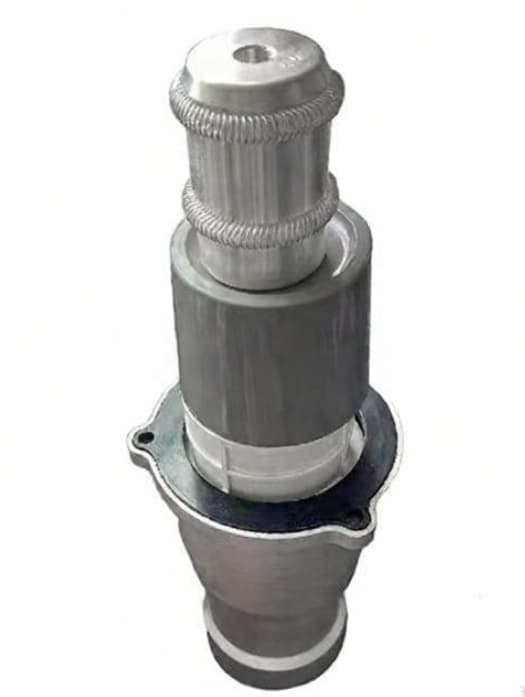
ㅏ 33kV 케이블 GIS 터미널 연결하도록 설계된 중간 전압 케이블 종단입니다. 33kV XLPE 전원 케이블 에게 가스 절연 개폐 장치 (GIS). 전기 절연을 제공합니다., 전기장 제어, 기계적 지지, 케이블과 GIS 장비 사이의 완전히 밀봉된 연결.
비슷하게, 에이 36kV 케이블 GIS 터미널 최대 작동 전압이 다음과 같은 시스템용으로 설계되었습니다. 36케이 V, 안전하고 안정적인 전력 전송을 보장하면서 IEC 중전압 요구 사항을 충족합니다..
기존의 공기 절연 종단과 비교, GIS 터미널은 우수한 절연 성능을 제공합니다., 컴팩트한 크기, 우수한 내환경성, 최소한의 유지 보수 요구 사항. 그들은 도시 변전소에서 널리 사용됩니다., 재생 가능 에너지 프로젝트, 산업 시설, 채굴 작업, 및 유틸리티 전력 분배 시스템.
GIS 터미널을 선택하는 이유?
변전소가 더욱 컴팩트해짐에 따라, 높은 신뢰성과 줄어든 설치 공간으로 인해 유틸리티 시설에서 GIS 기술을 점점 더 많이 채택하고 있습니다..
ㅏ 33kV 케이블 GIS 터미널 여러 가지 장점을 제공합니다:
- 컴팩트한 설치
- 우수한 전기 절연성
- 오염에 대한 높은 저항성
- 방습 밀봉
- 긴 서비스 수명
- 낮은 유지관리 비용
- 높은 작동 신뢰성
- 안전한 실내 및 실외 애플리케이션
이러한 혜택은 다음에도 적용됩니다. 36kV 케이블 GIS 터미널 시스템.
33kV 케이블 GIS 단말 구축
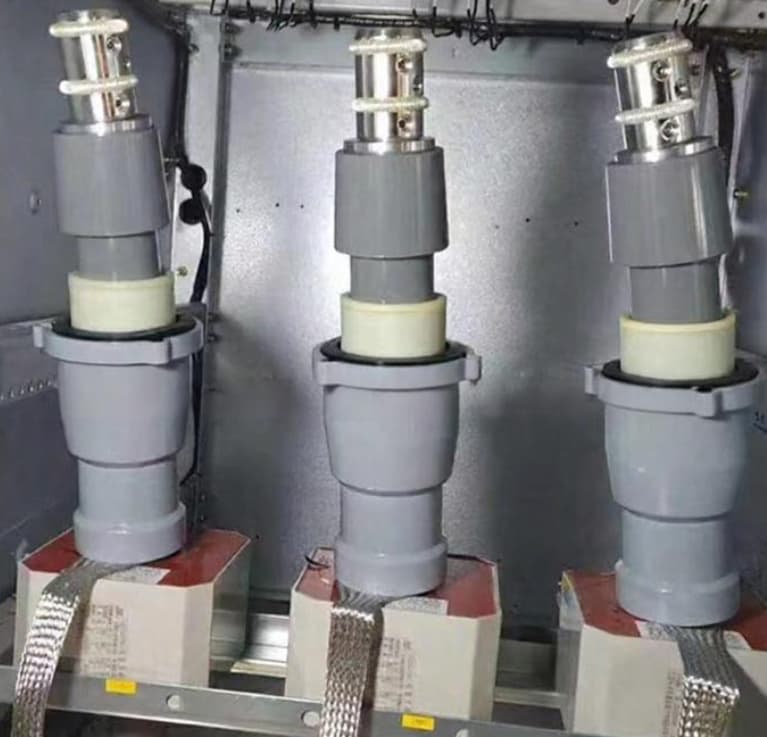
A GIS cable termination consists of several precision-engineered components working together to control the electric field and ensure safe operation.
일반적인 건설에는 다음이 포함됩니다.:
- 스트레스 콘
- 실리콘고무 절연체
- 전도성 층
- 구리 또는 알루미늄 도체 커넥터
- 압축 러그
- GIS 플러그인 인터페이스
- 금속 하우징
- 씰링 링
- Earthing connection
- Mounting flange
모든 구성 요소는 엄격한 치수 공차로 제조되어 제품 수명 전반에 걸쳐 전기적 성능을 보장합니다..
주요 구성품
Silicone Stress Cone
스트레스 콘은 GIS 종료의 핵심입니다.. 케이블 절연체에서 GIS 부싱으로 전기장을 재분배합니다., 국부적인 전기적 스트레스와 부분 방전 방지.
절연체
고급 실리콘 고무는 탁월한 절연 내력을 제공합니다., 우수한 소수성, 그리고 자외선에 대한 저항성, 오존, 그리고 노화.
커넥터
도체 커넥터는 케이블 도체와 GIS 장비 사이에 낮은 저항의 전기 연결을 설정합니다..
Metallic Housing
하우징은 적절한 접지를 유지하면서 기계적 손상으로부터 내부 절연을 보호합니다..
씰링 시스템
여러 개의 밀봉 링이 습기를 방지합니다., 먼지, GIS 인클로저로 유입되는 오염 물질.
작동 원리
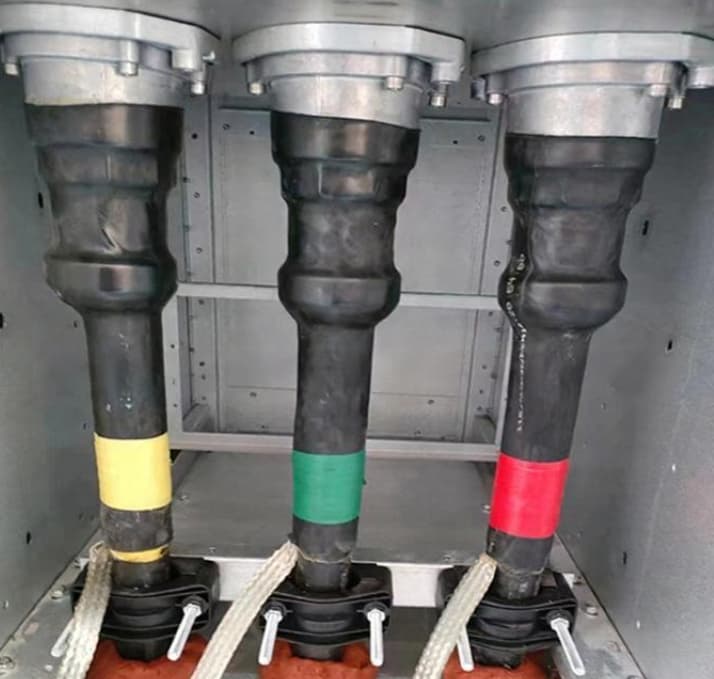
케이블 도체는 도체 커넥터를 통해 전기 에너지를 GIS로 전달합니다..
그 동안에:
- 응력 원뿔은 전기장을 평활하게 만듭니다.,
- 실리콘 절연체는 고전압을 분리합니다.,
- 전도층은 전압 분포를 제어합니다.,
- 금속 인클로저는 차폐 기능을 제공합니다.,
- 밀봉 시스템으로 습기 유입을 방지합니다..
그 결과 수십 년 동안 지속적으로 작동할 수 있는 매우 안정적인 연결이 탄생했습니다..
일반적인 기술 사양
Typical values include:
| 목 | 사양 |
|---|---|
| 정격전압 | 33케이 V / 36케이 V |
| 최대 시스템 전압 | 36케이 V / 40.5케이 V |
| 빈도 | 50헤르츠 / 60헤르츠 |
| 단열재 | Silicone Rubber |
| 케이블 유형 | XLPE |
| 도체 재료 | 구리 / 알류미늄 |
| 지휘자 크기 | 50–1000 mm² |
| 설치 | Indoor GIS |
| 주변 온도 | -40°C to +55°C |
| 보호 | IP67 (depending on design) |
| 서비스 수명 | 이상 30 연령 |
응용
ㅏ 33kV 케이블 GIS 터미널 is widely used in:
- 유틸리티 변전소
- 풍력 발전 단지
- Solar power plants
- 수력 발전소
- 산업 플랜트
- Petrochemical facilities
- 데이터 센터
- Railway power systems
- Metro power distribution
- 채굴 작업
- 공항
- Smart grid projects
그만큼 36kV 케이블 GIS 터미널 약간 더 높은 시스템 전압이 필요한 동일한 산업에 서비스를 제공합니다..
Advantages Over AIS Cable Terminations
공기절연개폐장치와 비교 (AIS), GIS 케이블 종단은 수많은 장점을 제공합니다..
| GIS 터미널 | AIS Termination |
|---|---|
| 컴팩트한 디자인 | 더 넓은 설치 공간 |
| 더 나은 단열 | 오염으로 인해 공기 단열이 영향을 받음 |
| 우수한 밀봉 | 환경에 노출됨 |
| 최소한의 유지보수 | 더 높은 유지 관리 |
| 높은 신뢰성 | 날씨에 더 민감함 |
| 실내 GIS에 적합 | 주로 옥외 사용 |
전기적 성능
최신 GIS 케이블 종단은 우수한 전기적 특성을 달성하도록 설계되었습니다., 포함:
- 낮은 부분방전 수준
- 균일한 전기장 분포
- 높은 유전 강도
- 우수한 충격 저항 능력
- 안정적인 열 성능
- 우수한 단락 저항
- Long insulation life
이러한 특성은 까다로운 조건에서도 안정적인 작동을 보장합니다..
기계적 성능
전기적 성능 외에도, 기계적 신뢰성도 마찬가지로 중요합니다.
일반적인 기계적 특징은 다음과 같습니다.:
- 높은 인장 강도
- 우수한 내진동성
- 유연한 설치
- 강력한 밀봉 성능
- 내식성
- 내진성
- 장기적인 치수 안정성
설치 절차
안정적인 서비스를 위해서는 올바른 설치가 필수입니다..
일반적인 설치 단계는 다음과 같습니다.:
- 케이블 끝 준비.
- Remove the outer sheath.
- 제조업체의 치수에 따라 단열재를 벗겨냅니다..
- 도체 커넥터 설치.
- Mount the stress cone.
- 단열재를 조립하세요.
- 종단을 GIS 부싱에 연결.
- 모든 볼트를 규정 토크로 조여주세요.
- 접지 시스템을 연결하세요.
- 통전 전 전기 테스트 수행.
설치는 항상 숙련된 기술자가 전문 도구를 사용하여 수행해야 합니다..
Testing Requirements
시운전 전, 모든 33kV 케이블 GIS 터미널 포괄적인 테스트를 거쳐야 함.
일반적인 테스트에는 다음이 포함됩니다.:
- 육안검사
- 치수검사
- AC 내전압 테스트
- 부분방전 테스트
- 번개 임펄스 테스트
- 가열 사이클 테스트
- Mechanical verification
- Tightness test
- 절연저항 시험
- Conductor resistance measurement
일상적인 공장 테스트를 통해 모든 종단 처리가 필수 품질 표준을 충족하는지 확인합니다..
적용 가능한 표준
고품질 GIS 케이블 종단은 일반적으로 다음과 같은 국제 표준에 따라 제조됩니다.:
- IEC 60840
- IEC 62271
- IEC 60060
- IEC 60270
- IEC 60529
- IEC 60228
- IEEE standards (where applicable)
이러한 표준을 준수하면 제품 안전과 상호 운용성이 보장됩니다..
Selecting the Right GIS Cable Terminal
선택할 때 33kV 케이블 GIS 터미널 또는 36kV 케이블 GIS 터미널, consider the following factors:
- 시스템 전압
- 케이블 절연 유형
- 도체 재료
- 도체 단면적
- GIS equipment manufacturer
- Interface dimensions
- 설치환경
- 오염 수준
- 고도
- 단락 정격
- 작동 온도
올바른 모델을 선택하면 최적의 성능과 긴 서비스 수명이 보장됩니다..
유지 관리 권장 사항
GIS 종료에는 유지 관리가 거의 필요하지 않지만, periodic inspections help maximize reliability.
Recommended maintenance includes:
- 육안검사
- Ground connection verification
- 씰 검사
- 표면 청소
- 적외선 온도 모니터링
- Partial discharge monitoring
- Torque inspection
예방적 유지보수를 통해 예상치 못한 가동 중단을 크게 줄일 수 있습니다..
Common Causes of Failure
Failures are uncommon but may result from:
- 잘못된 설치
- Poor cable preparation
- 수분 침투
- Excessive bending
- Loose conductor connections
- 기계적 손상
- 오염
- Manufacturing defects
- Improper stress control
제조업체 지침을 따르면 이러한 위험이 크게 줄어듭니다..
Why Silicone Rubber Is Preferred
최신 GIS 케이블 종단은 주로 실리콘 고무를 사용합니다.:
- 높은 유전 강도
- Excellent elasticity
- Superior hydrophobicity
- 자외선 저항
- 오존 저항
- Aging resistance
- Wide operating temperature range
- 안정적인 장기 성능
이러한 속성은 다음을 초과하는 서비스 수명에 기여합니다. 30 years under normal operating conditions.
Why Choose DOSENSE 33kV & 36kV Cable GIS Terminals?
DOSENSE는 전세계 중전압 전력 시스템용으로 설계된 고성능 GIS 케이블 종단을 제공합니다..
Our advantages include:
- High-quality silicone insulation
- Precision electric field control
- IEC-compliant manufacturing
- Compatible with major GIS brands
- Factory routine and type testing
- Excellent sealing performance
- 빠른 배송
- Technical engineering support
- OEM and customized solutions
- Reliable global project experience
Whether for utility substations, 재생 가능 에너지 프로젝트, 또는 산업 시설, DOSENSE GIS cable terminations deliver safe, 안정적인, and long-lasting performance.
자주 묻는 질문
33kV와 36kV 케이블 GIS 터미널의 차이점은 무엇입니까?
33kV 터미널은 33kV 배전 시스템용으로 설계되었습니다., 36kV 터미널은 최대 작동 전압이 36kV인 시스템에 적합합니다.. Their construction is similar, 그러나 전기 등급 및 인터페이스 요구 사항은 다를 수 있습니다..
GIS 터미널을 옥외에 설치할 수 있습니까??
일반적으로 실내 GIS 장비에 연결됩니다.. 실외 사용은 설치 시 제공되는 인클로저 설계 및 환경 보호에 따라 달라집니다..
호환되는 케이블 유형?
대부분의 GIS 터미널은 XLPE 절연 구리 또는 알루미늄 도체 전원 케이블에 적합합니다..
GIS 케이블 종단은 얼마나 오래 지속됩니까??
적절한 설치와 유지관리를 통해, 고품질 GIS 종단은 더 이상 안정적으로 작동할 수 있습니다. 30 연령.
부분방전 테스트가 중요한 이유?
부분 방전 테스트는 절연 무결성을 확인하고 장비를 사용하기 전에 결함을 감지하는 데 도움이 됩니다., 장기적인 신뢰성 향상.
결론
그만큼 33kV 케이블 GIS 터미널 그리고 36kV 케이블 GIS 터미널 중압 전력선을 가스절연배전반에 안전하고 효율적으로 연결하기 위한 필수 부품입니다.. Their compact design, advanced silicone insulation, excellent electric field control, 긴 서비스 수명으로 인해 현대 변전소에서 선호되는 솔루션이 되었습니다., renewable energy installations, 산업 시설, and smart grid infrastructure. 국제 표준에 따라 제조된 고품질 GIS 종단을 선택하고 올바른 설치 및 테스트를 보장함으로써, utilities and contractors can achieve reliable, low-maintenance, 오래 지속되는 동력 전달 시스템.