
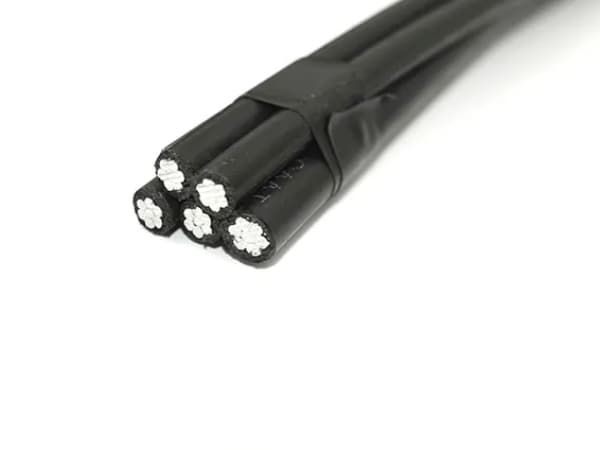
Understanding 4 AWG Cable
А 4 AWG cable is a standard conductor size defined by the American Wire Gauge (AWG) system. It is widely used in electrical systems due to its balance between conductivity, механик хүч чадал, and installation flexibility.
Key parameters of 4 AWG cable:
- Хөндлөн огтлолын талбай: approximately 21.1 мм²
- Дамжуулагчийн диаметр: about 5.2 мм
- Typical ampacity: 85–95 A (depending on insulation and installation conditions)
This size is commonly applied in both low voltage and medium voltage systems with different structural designs.
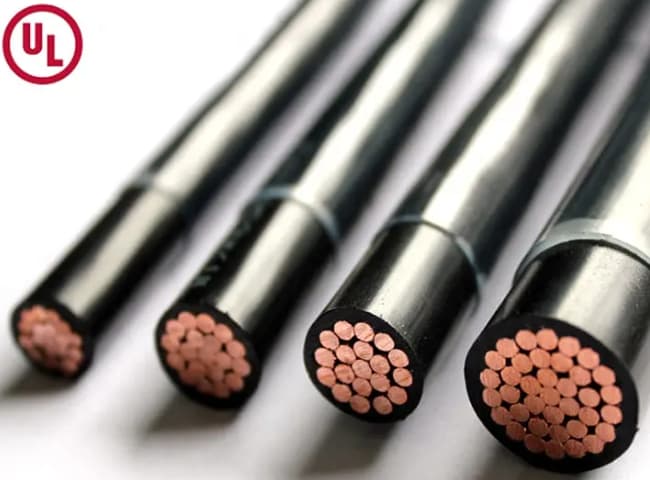
Conductor Materials for 4 AWG Cable
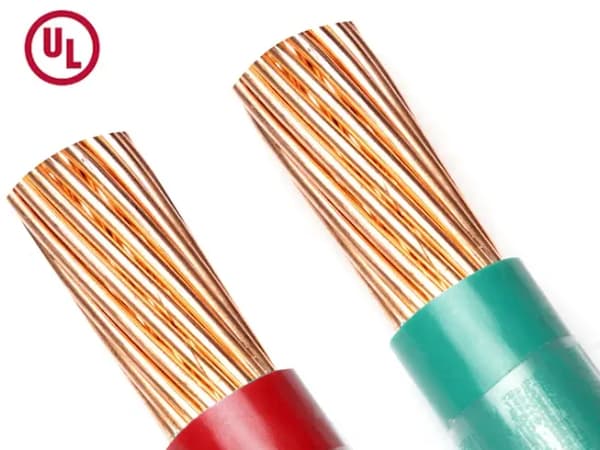
Зэс дамжуулагч
- High electrical conductivity
- Excellent flexibility
- Better performance in demanding environments
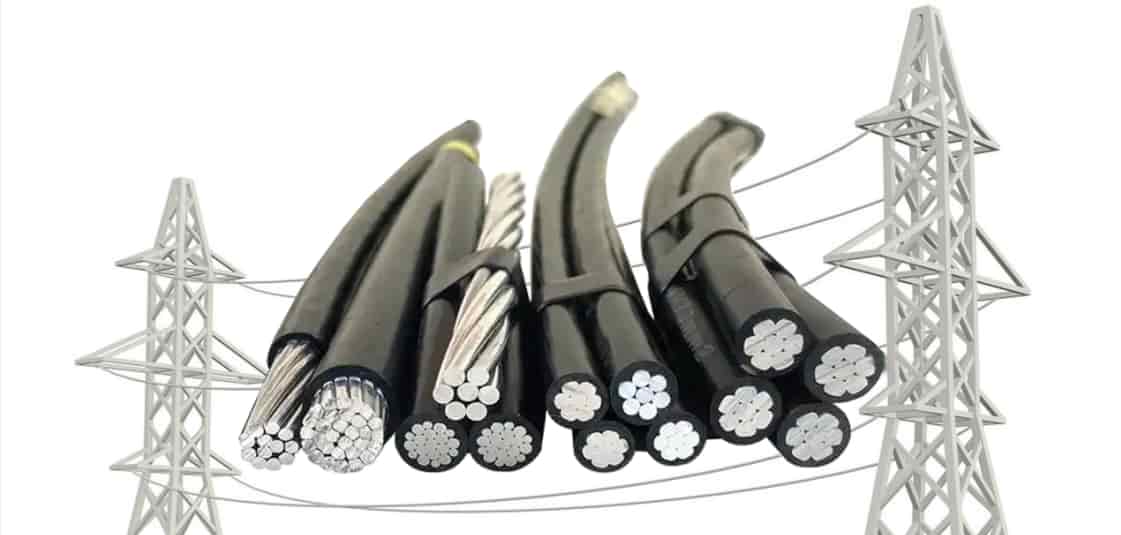
Aluminum Conductor
- Хөнгөн жинтэй
- Зардал багатай
- Suitable for large-scale installations
Low Voltage 4 AWG Cable Structure (0.6/1кВ)
Low voltage 4 AWG cable is commonly used in residential, арилжааны, and industrial applications.
Дамжуулагч
- Copper or aluminum
- Solid or stranded
Тусгаарлагч
Typical materials:
- PVC
- XLPE
Функцүүд:
- Цахилгаан тусгаарлагч
- Heat resistance
Дүүргэгч (олон судалтай кабелийн хувьд)
- Maintains cable shape
- Механик тогтвортой байдлыг сайжруулдаг
Inner Sheath (Bedding)
- Provides structural support
- Protects internal layers
Хуяглах (Optional)
Steel Tape Armor (STA)
- Suitable for light mechanical protection
Ган утсан хуяг (SWA)
- Suitable for heavy-duty underground use
Гаднах бүрээс
- PVC эсвэл PE
- Protection against moisture, abrasion, болон химийн бодисууд
Дунд хүчдэл 4 AWG Cable Structure (5kV/11kV/15kV/20kV/33kV/35kV)
Medium voltage 4 AWG cable has a more complex design to control electrical stress and ensure safety.
Дамжуулагч
- Stranded copper or aluminum
- Compact construction
Кондуктор дэлгэц (Semiconductive Layer)
- Ensures smooth electric field distribution
- Prevents partial discharge
Тусгаарлагч
Материал:
- XLPE
- EPR
Features:
- Өндөр диэлектрик хүч
- Thermal stability
Тусгаарлагч дэлгэц
- Works with conductor screen
- Maintains uniform electric field
Металл дэлгэц
- Copper tape or wires
Функцүүд:
- Grounding
- Fault current path
Ус хаах давхарга (Optional)
- Water-swellable tape
- Gel compounds
Used in:
- Underground or submarine environments
Inner Sheath
- Separates metallic screen from armor
Хуяглах
Ган утсан хуяг (SWA)
- Provides high mechanical strength
Aluminum Wire Armor (AWA)
- Used in specific environments
Гаднах бүрээс
- PE, HDPE, or PVC
- Resistant to UV, чийг, болон химийн бодисууд
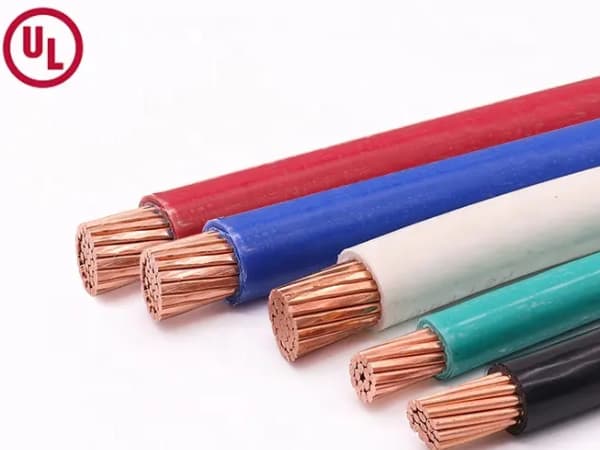
Electrical Differences Between LV and MV 4 AWG Cable
Хүчдэлийн үнэлгээ
- Low voltage: 0.6/1кВ
- Medium voltage: 5kV–35kV
Тусгаарлалтын систем
- LV: Basic insulation (PVC/XLPE)
- MV: Advanced insulation with semiconductive layers
Shielding
- LV: Not required
- MV: Mandatory
Structural Complexity
- LV: Simple
- MV: Multi-layer engineered design
Applications of 4 AWG Cable
Low Voltage Applications
- Building wiring
- Power distribution panels
- Solar energy systems
- Equipment connections
Medium Voltage Applications
- Power distribution networks
- Substations
- Аж үйлдвэрийн үйлдвэрүүд
- Renewable energy systems
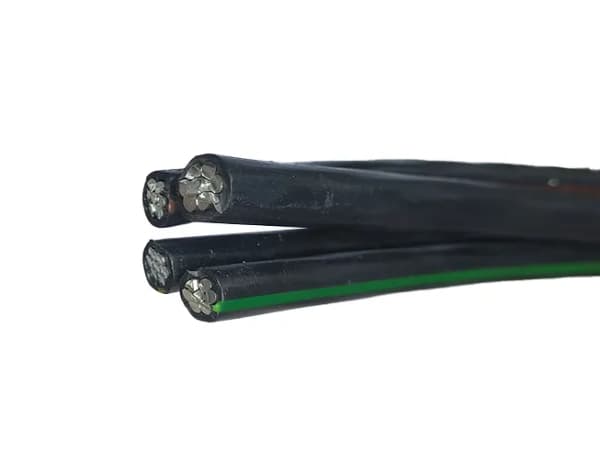
Selection Considerations for 4 AWG Cable
Electrical Requirements
- Load current
- Voltage level
Installation Conditions
- Indoor or outdoor
- Underground or aerial
Механик хамгаалалт
- Need for armoring
- Environmental exposure
Дулааны гүйцэтгэл
- Ашиглалтын температур
- Insulation type
DOS CABLE – Fabricante y proveedor
ХОЁР УТАС es un fabricante y proveedor profesional especializado en soluciones de cables de baja y media tensión, incluyendo una amplia gama de 4 AWG cable para diferentes aplicaciones industriales y de energía.
La empresa ofrece:
- Diseño personalizado según requisitos del proyecto
- Producción conforme a normas IEC, IEEE y estándares internacionales
- Opciones completas en cables LV y MV con diferentes estructuras
- Estricto control de calidad y alto rendimiento eléctrico
Con experiencia en proyectos internacionales, ХОЁР УТАС suministra cables confiables, duraderos y adaptados a entornos exigentes como instalaciones industriales, subterráneas y submarinas.