
Penghantaran kuasa yang boleh dipercayai bergantung pada sambungan yang kuat dan stabil. Dalam sistem voltan tinggi, salah satu antara muka yang paling kritikal terletak di antara kabel bawah tanah dan suis penebat gas. Pada ketika ini, yang Penamatan GIS memainkan peranan yang menentukan. Pada tahap 132kV, walaupun masalah reka bentuk atau pemasangan kecil boleh membawa kepada kegagalan yang serius. Oleh itu, jurutera memberi perhatian kepada setiap butiran komponen ini.
Apabila bandar terus berkembang, pencawang sering bergerak di bawah tanah atau ke ruang padat. Akibatnya, alat suis berpenebat gas (GIS) menjadi lebih biasa. Pada masa yang sama, utiliti menuntut kebolehpercayaan yang lebih tinggi dan penyelenggaraan yang lebih rendah. Atas sebab ini, permintaan untuk kualiti tinggi 132kabel kV penamatan GIS penyelesaian terus berkembang.
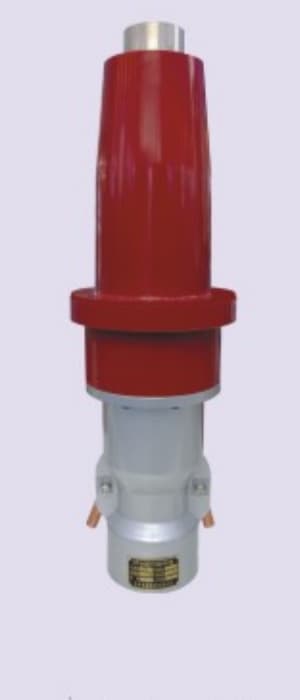
Apakah Penamatan GIS?
A Penamatan GIS menyambungkan kabel voltan tinggi ke suis berpenebat gas. Ia mewujudkan peralihan terkawal dari sistem penebat kabel, selalunya XLPE, ke dalam persekitaran gas SF₆ di dalam GIS.
Namun begitu, peralihan ini tidak mudah. Medan elektrik berubah dengan ketara pada antara muka. Akibatnya, jurutera mesti menguruskan tekanan elektrik dengan teliti, mengekalkan prestasi penebat, dan mengelakkan pelepasan separa.
Dari segi praktikal, penamatan GIS membolehkan elektrik mengalir dengan selamat dan cekap daripada kabel ke suis. Tanpa antara muka terkawal ini, kestabilan sistem akan cepat merosot.
Mengapa Penamatan Kabel GIS 132kV Adalah Penting
Dalam sistem kuasa moden, kebolehpercayaan tetap menjadi keutamaan. Kegagalan di titik penamatan boleh menutup keseluruhan pencawang dan mengganggu bekalan.
Pertama, Penamatan GIS menyokong susun atur pencawang padat. Kerana peralatan GIS menggunakan penebat gas tertutup, ia memerlukan ruang yang jauh lebih sedikit daripada sistem penebat udara tradisional. Oleh itu, ia sesuai dengan persekitaran bandar yang padat.
Kedua, mereka meningkatkan kebolehpercayaan operasi. Struktur tertutup melindungi komponen dalaman daripada habuk, kelembapan, dan pencemaran. Selain itu, ia mengurangkan kesan keadaan persekitaran.
Lebih-lebih lagi, yang direka dengan betul 132penamatan kV GIS meminimumkan kepekatan tegasan elektrik. Akibatnya, kedua-dua kabel dan alat suis boleh beroperasi dengan selamat sepanjang hayat perkhidmatan yang lebih lama.
Komponen Utama Penamatan GIS 132kV
Penamatan GIS merangkumi beberapa komponen penting. Setiap satu menyumbang kepada kestabilan elektrik dan kekuatan mekanikal.
Sistem Kawalan Tekanan
Sebagai permulaan, sistem kawalan tegasan menguruskan medan elektrik pada hujung kabel. Tanpa kawalan yang betul, medan menjadi tidak rata dan boleh menyebabkan kegagalan penebat. Oleh itu, jurutera menggunakan kon tegasan atau bahan penggredan medan untuk mengagihkan medan elektrik secara sama rata.
Badan Penebat
Seterusnya, badan penebat menyediakan penghalang dielektrik utama. Ia memisahkan konduktor voltan tinggi daripada kepungan GIS yang dibumikan. Lazimnya, pengilang menggunakan getah silikon atau resin epoksi kerana bahan ini menawarkan penebat yang kuat dan kestabilan haba.
Sambungan Konduktor
Pada masa yang sama, konduktor mesti menyambung dengan selamat ke terminal GIS. Sambungan yang boleh dipercayai mengurangkan rintangan dan mengelakkan terlalu panas. Dalam kebanyakan kes, juruteknik menggunakan mampatan atau penyambung berbolted untuk mencapai matlamat ini.
Sistem Pengedap
Sementara itu, sistem pengedap menghalang kebocoran gas SF₆ dan menyekat kemasukan lembapan. Kerana GIS bergantung kepada tekanan gas yang stabil, pengedap yang berkesan kekal penting untuk prestasi jangka panjang.
Bebibir dan Perumahan
Akhirnya, bebibir menghubungkan penamatan kepada peralatan GIS, manakala perumahan melindungi komponen dalaman daripada kerosakan mekanikal. bersama-sama, bahagian ini memastikan penjajaran dan ketahanan yang betul.
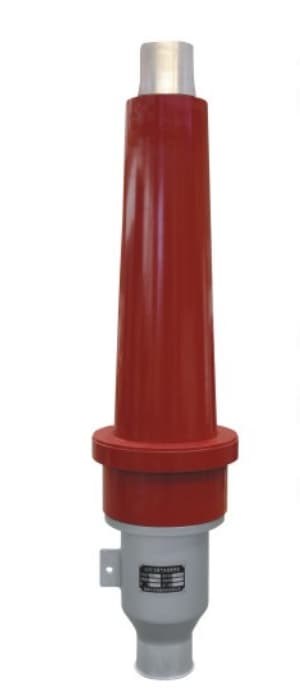
Jenis Penamatan GIS untuk Kabel 132kV
Aplikasi yang berbeza memerlukan reka bentuk yang berbeza. Oleh itu, jurutera memilih jenis yang sesuai berdasarkan keadaan projek.
Penamatan GIS Jenis Kering
Di banyak pencawang moden, penamatan jenis kering lebih disukai. Mereka menggunakan bahan penebat pepejal dan bukannya minyak. Akibatnya, mereka menawarkan penyelenggaraan yang lebih mudah dan mengurangkan risiko alam sekitar.
Penamatan GIS yang Diisi Minyak
Sebaliknya, penamatan berisi minyak memberikan prestasi penebat yang sangat baik. Namun begitu, mereka memerlukan pengedap yang teliti dan penyelenggaraan yang kerap. Oleh itu, ia kurang biasa dalam pemasangan yang lebih baru.
Penamatan GIS Plug-In
Selain itu, penamatan pemalam membolehkan pemasangan lebih pantas. Kerana reka bentuk modular mereka, mereka mengurangkan masa henti dan meningkatkan kecekapan, terutamanya dalam sistem GIS pasang siap.
Jadual Saiz Konduktor Kabel (25 mm² kepada 3000 mm²)
Apabila memilih a Penamatan GIS, saiz konduktor menjadi faktor utama. Ia mempengaruhi kapasiti semasa, tingkah laku haba, dan keserasian mekanikal. Oleh itu, jurutera mesti menilai saiz kabel dengan teliti.
Keratan Rentas Pengalir dan Parameter Teknikal
| Saiz Konduktor (mm²) | lebih kurang. AWG/MCM | Diameter konduktor (mm) | Rintangan DC (Ω/km @20°C) | Kapasiti Arus Biasa (A) | Tahap Permohonan |
|---|---|---|---|---|---|
| 25 | 4 AWG | 5.6 | 0.727 | 150–180 | Kawalan / beban kecil |
| 35 | 2 AWG | 6.7 | 0.524 | 180–220 | Pengagihan cahaya |
| 50 | 1/0 AWG | 8.0 | 0.387 | 220–270 | Pengagihan |
| 70 | 2/0 AWG | 9.6 | 0.268 | 260–320 | Beban sederhana |
| 95 | 3/0 AWG | 11.0 | 0.193 | 300–370 | Pengumpan pencawang |
| 120 | 4/0 AWG | 12.4 | 0.153 | 340–420 | HV sederhana |
| 150 | 300 MCM | 13.9 | 0.124 | 380–470 | Penularan |
| 185 | 350 MCM | 15.5 | 0.099 | 420–520 | Penularan |
| 240 | 500 MCM | 17.5 | 0.075 | 480–600 | 132piawai kV |
| 300 | 600 MCM | 19.5 | 0.060 | 550–680 | Pengumpan utama |
| 400 | 800 MCM | 22.6 | 0.047 | 650–800 | Beban berat |
| 500 | 1000 MCM | 25.2 | 0.036 | 750–920 | Penghantaran HV |
| 630 | 1250 MCM | 28.3 | 0.028 | 850–1050 | 132kV biasa |
| 800 | 1600 MCM | 31.9 | 0.022 | 1000–1200 | Kuasa pukal |
| 1000 | 2000 MCM | 35.7 | 0.017 | 1150–1400 | Pencawang besar |
| 1200 | 2500 MCM | 39.1 | 0.015 | 1300–1550 | Tulang belakang grid |
| 1400 | — | 42.2 | 0.013 | 1400–1700 | Beban lebih berat |
| 1600 | — | 45.2 | 0.011 | 1550–1850 | Penghantaran besar |
| 2000 | — | 50.5 | 0.009 | 1750–2100 | Grid utama |
| 2500 | — | 56.4 | 0.007 | 2000–2400 | Permintaan yang sangat tinggi |
| 3000 | — | 61.8 | 0.006 | 2200–2600 | Kapasiti melampau |
Bagaimana Saiz Konduktor Mempengaruhi Reka Bentuk Penamatan GIS
Saiz konduktor secara langsung mempengaruhi reka bentuk a penamatan GIS. Pertama, konduktor yang lebih besar memerlukan sokongan mekanikal yang lebih kuat. Akibatnya, penamatan mesti mengendalikan berat yang lebih tinggi dan tekanan pemasangan.
Selain itu, perubahan taburan medan elektrik dengan saiz konduktor. Oleh itu, jurutera mesti menyesuaikan komponen kawalan tegasan untuk mengekalkan penggredan medan yang seragam.
Tambahan pula, arus yang lebih tinggi membawa kepada peningkatan penjanaan haba. Akibatnya, pengurusan haba menjadi lebih kritikal untuk kabel keratan rentas yang besar.
Akhirnya, pemasangan menjadi lebih kompleks apabila saiz kabel bertambah. Contohnya, kabel yang lebih besar memerlukan jejari lentur yang lebih besar dan pengendalian khusus.
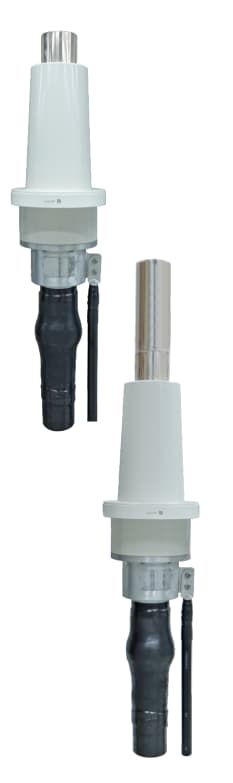
Saiz Biasa Digunakan dalam Sistem 132kV
Dalam amalan, hanya julat saiz terhad yang kerap muncul. Kebanyakan utiliti memilih pilihan standard untuk kecekapan dan kawalan kos.
Saiz konduktor biasa termasuk:
- 240 mm²
- 300 mm²
- 400 mm²
- 630 mm²
- 800 mm²
- 1000 mm²
Antaranya, 630 mm² dan 800 mm² memberikan keseimbangan yang kukuh antara kapasiti dan prestasi ekonomi. Oleh itu, ia digunakan secara meluas dalam projek penghantaran.
Pemasangan Penamatan GIS 132kV
Pemasangan yang betul menentukan kebolehpercayaan jangka panjang. Atas sebab ini, juruteknik mesti mengikut prosedur yang ketat pada setiap peringkat.
Pertama, mereka menyediakan kabel dengan mengeluarkan sarung luar dan lapisan penebat dengan berhati-hati. Pada peringkat ini, kebersihan adalah penting.
Seterusnya, mereka memasang komponen kawalan tegasan dan bahagian penebat. Kemudian, mereka menyambungkan konduktor dan memasang badan penamatan.
Selepas itu, mereka memasang penamatan pada bebibir GIS dan pengedap lengkap. Akhirnya, jurutera melakukan ujian, termasuk nyahcas separa dan ujian tahan voltan tinggi.
Cabaran Biasa dan Penyelesaian Praktikal
Bekerja dengan penamatan GIS memberikan beberapa cabaran. Namun begitu, amalan yang betul boleh menanganinya dengan berkesan.
Kepekatan tegasan elektrik mungkin berlaku jika pemasangan kurang ketepatan. Oleh itu, juruteknik mesti mengikut garis panduan reka bentuk dengan teliti.
Kemasukan lembapan boleh mengurangkan prestasi penebat. Untuk mengelakkan perkara ini, pasukan mesti mengawal kelembapan semasa pemasangan.
Kebocoran gas juga menimbulkan risiko. Sistem pengedap berkualiti tinggi membantu mengelakkan isu ini.
Selain itu, salah jajaran mekanikal boleh menyebabkan masalah jangka panjang. Kedudukan yang tepat memastikan operasi yang stabil.
Kelebihan Penamatan Kabel GIS
Penamatan GIS menawarkan beberapa kelebihan dalam sistem kuasa moden. Pertama, mereka menyokong reka bentuk padat yang sesuai untuk persekitaran bandar.
Lebih-lebih lagi, ia beroperasi dengan pasti dalam sistem tertutup. Akibatnya, mereka menentang faktor persekitaran seperti habuk dan kelembapan.
Selain itu, mereka memerlukan kurang penyelenggaraan berbanding sistem tradisional. Oleh itu, utiliti boleh mengurangkan kos operasi dari semasa ke semasa.
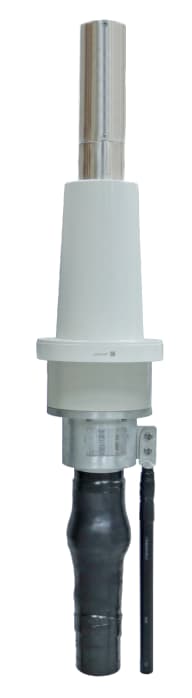
Aplikasi Penamatan GIS 132kV
132Penamatan kV GIS digunakan secara meluas merentasi pelbagai sektor. Contohnya, mereka memainkan peranan penting dalam:
- Pencawang bawah tanah bandar
- Sistem pengagihan kuasa industri
- Sambungan grid tenaga boleh diperbaharui
- Projek infrastruktur seperti kereta api dan lapangan terbang
Memandangkan infrastruktur terus berkembang, aplikasi ini berkembang lagi.
132Pengilang Penamatan GIS Kabel kV
A 132Penamatan GIS Kabel kV berfungsi sebagai pautan kritikal dalam sistem penghantaran voltan tinggi. Ia menyambungkan kabel ke suis terlindung gas sambil memastikan keselamatan dan kebolehpercayaan elektrik.
Daripada reka bentuk komponen kepada pemilihan saiz konduktor, setiap butiran mempengaruhi prestasi. Oleh itu, jurutera mesti menilai setiap faktor dengan teliti.
Apabila rangkaian kuasa berkembang, Teknologi GIS terus mendapat kepentingan. Akibatnya, memilih penyelesaian penamatan GIS yang betul—dan memadankannya dengan saiz kabel yang sesuai—tetap penting untuk kejayaan jangka panjang daripada 132Penamatan GIS Kabel kV.