
Choosing a professional cable manufacturer is an important step for any power transmission, distribution, perindustrian, pembinaan, or renewable energy project. Cables are expected to operate safely for many years, often under demanding electrical, mekanikal, dan keadaan persekitaran. Oleh itu, selecting a supplier based only on price may not provide enough information to judge the real value of a cable product.
Jadi, what should you look for in a professional cable manufacturer?
A reliable manufacturer should have suitable production capabilities, experienced technical personnel, kawalan kualiti yang ketat, modern testing equipment, relevant international standards, stable delivery capacity, and experience with different project requirements. The manufacturer should also be able to communicate technical information clearly and provide suitable cable solutions rather than simply selling standard products.
For global buyers, especially those sourcing cables from China, these factors can help make supplier evaluation more practical and transparent.
1. Real Cable Manufacturing Capability
The first thing to check is whether the company is an actual cable manufacturer.
A professional cable factory should have production equipment suitable for its main product categories. Depending on the cable type, this may include wire drawing machines, conductor stranding machines, insulation extrusion lines, shielding equipment, armoring machines, cable testing systems, rewinding machines, and packaging equipment.
A complete manufacturing process allows the manufacturer to control important parameters throughout production.
Contohnya, conductor diameter and resistance need to be controlled during conductor production. During insulation extrusion, suhu, tekanan, speed, and insulation thickness require careful monitoring. For armored cables, armor tension and overlap also affect the final cable construction.
Oleh itu, when evaluating a cable manufacturer, buyers should look beyond a company website and ask about its actual production capabilities.

2. A Product Range That Matches Your Requirements
A professional cable manufacturer should have experience with the types of cables required for your project.
Power transmission and distribution projects can involve different voltage levels, conductor materials, insulation systems, and installation environments.
Common cable products include:
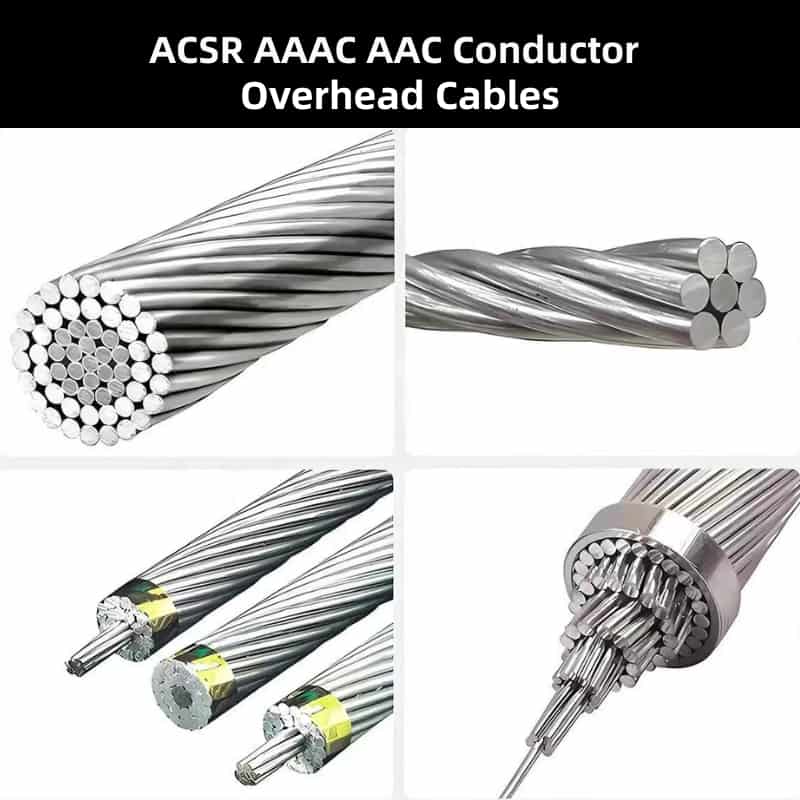
- AAC and AAAC overhead conductors
- Konduktor ACSR
- Konduktor HTLS
- Aerial bundled cables
- Low voltage power cables
- Medium voltage power cables
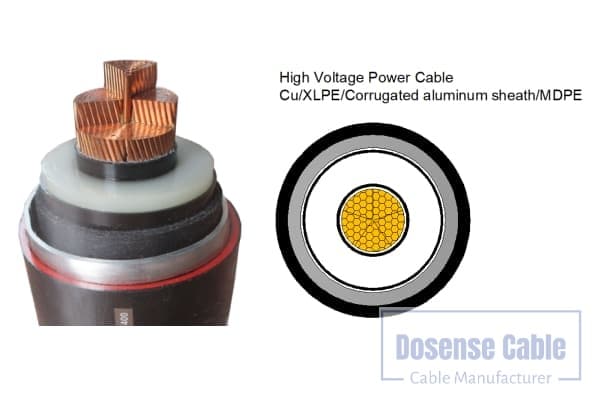
- High voltage power cables
- Extra-high voltage cables
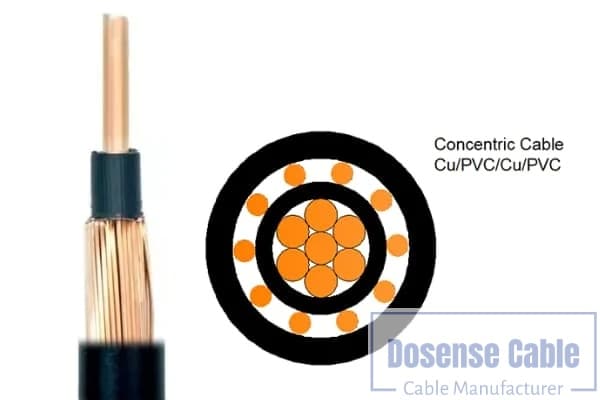
- Concentric cables
- Kabel kawalan
- Kabel fotovoltaik
- Kabel kapal selam
- OPGW
- Cable joints and terminations
A broad product range can be useful, but buyers should also check whether the manufacturer has genuine experience in the specific product category.
Contohnya, manufacturing a low voltage building cable is very different from manufacturing a 230kV or 500kV cable system. The technical requirements, testing procedures, insulation systems, and quality controls can be significantly different.

3. Compliance with International Cable Standards
International projects often involve strict technical standards.
Depending on the destination country and project requirements, cables may need to comply with IEC, ASTM, BS, DARI, VDE, NF, AS/NZS, SABS, DIA, KS, or other applicable standards.
A professional cable manufacturer should understand how these standards affect cable design and testing.
Before ordering, buyers should confirm:
- Cable voltage rating
- Applicable standard
- Conductor requirements
- Insulation material
- Ketebalan penebat
- Sheath material
- Electrical requirements
- Mechanical requirements
- Routine tests
- Type tests
- Marking requirements
- Packaging requirements
The manufacturer should also be able to provide technical datasheets and test documentation that clearly correspond to the proposed cable construction.
4. Strong Quality Control System
Quality control is one of the most important factors when selecting a power cable manufacturer.
A professional manufacturer should control quality at multiple stages instead of checking only the finished cable.
The process normally begins with incoming raw materials. Tembaga, aluminium, polymer compounds, metallic screens, armor materials, and other components should be inspected according to the relevant requirements.
During production, process inspections can verify conductor dimensions, ketebalan penebat, cable diameter, and other important parameters.
Finished cables may then undergo electrical, mekanikal, terma, and environmental tests according to the applicable standard.
Typical cable tests include:
- Ujian rintangan konduktor
- Tensile and elongation testing
- Dimensional inspection
- Insulation thickness testing
- Sheath thickness testing
- High voltage withstand testing
- Ujian pelepasan separa
- Aging testing
- Flame-retardant testing
- Mechanical performance testing
This multi-stage approach helps identify potential problems before products are delivered to the customer.
5. Modern Cable Testing Equipment
Production equipment is important, but testing equipment is equally valuable.
A professional cable manufacturer should have appropriate laboratory equipment for verifying product performance.
For medium and high voltage cables, electrical testing is particularly important. Ujian pelepasan separa, high voltage withstand testing, and other electrical tests can provide information about the integrity of the insulation system.
Mechanical testing is also important for many products. Tensile strength and elongation tests can help verify conductor and sheath performance.
For cables designed for special environments, additional tests may be required. These can include thermal aging, flame propagation, Rintangan UV, water resistance, or other environmental tests.
When comparing cable suppliers, ask what tests can be completed in-house and whether third-party testing can be arranged when required by the project.
6. Relevant Technical and Project Experience
Experience matters most when it is relevant to the project.
A manufacturer may have many years of general cable production experience, but buyers should also check whether it has supplied similar products for comparable applications.
Contohnya, a project may require:
- Medium voltage distribution cables
- High voltage transmission cables
- Kabel kapal selam
- OPGW
- Konduktor HTLS
- Kabel fotovoltaik
- Industrial control cables
- Aksesori kabel
Previous experience with similar products can help the manufacturer understand common technical requirements and potential production challenges.
For international projects, experience with EPC contractors, utiliti, distributors, and overseas infrastructure projects can also make technical communication and documentation more efficient.
7. Customization and Engineering Support
Not every project can use an off-the-shelf cable.
Cable specifications may include special conductor sizes, bahan penebat, sheath structures, armor configurations, operating temperatures, keadaan pemasangan, or electrical requirements.
A professional cable manufacturer should be able to review these requirements before production.
Customization may involve:
- Saiz konduktor
- Bahan konduktor
- Number of strands
- Insulation material
- Ketebalan penebat
- Skrin logam
- Sheath material
- Armor structure
- Cable diameter
- Panjang kabel
- Drum size
- Product marking
Technical support is particularly important for high voltage and special cables. The manufacturer should be able to discuss the cable construction, applicable standards, testing requirements, and matching accessories with the customer.
8. Stable Production Capacity and Delivery
Cable projects often have strict construction schedules. A technically suitable product is not enough if the manufacturer cannot deliver it on time.
When evaluating a cable supplier, ask about production capacity and lead time.
Important factors include:
- Raw material availability
- Manufacturing capacity
- Production schedule
- Testing time
- Drum preparation
- Export packaging
- Transportation arrangements
Large orders may require substantial quantities of copper, aluminium, bahan penebat, and other components. Special cables may also require additional production and testing time.
A professional manufacturer should provide a realistic production schedule instead of promising an unrealistic delivery date.
9. Clear Technical Communication and Documentation
Good communication can prevent many problems during cable procurement.
A professional cable manufacturer should provide clear technical documents, seperti:
- Technical datasheets
- Cable construction drawings
- Product specifications
- Test reports
- Certificates
- Packing information
- Drum drawings
- Installation information when applicable
Technical questions should receive specific answers.
Contohnya, when a buyer asks about conductor resistance, cable diameter, ketebalan penebat, kapasiti semasa, short-circuit capacity, or test voltage, the supplier should provide technical data rather than general marketing statements.
Clear communication is especially important when buyers and manufacturers are located in different countries.
10. International Export and Service Experience
For international buyers, export experience is another useful factor.
Cable drums can be large and heavy, so packaging and transportation need to be considered before production.
An experienced cable supplier should understand international shipping requirements, export documentation, drum dimensions, product marking, and packaging protection.
Buyers can ask whether the manufacturer can support:
- Export wooden or steel drums
- Third-party inspection
- Factory acceptance tests
- Dokumentasi teknikal
- Container loading
- Shipping coordination
- After-sales technical support
These services can make the procurement process smoother for overseas EPC contractors, distributors, and project owners.
11. Compare Technical Value Instead of Price Alone
Price is an important part of cable procurement, but it should not be the only factor.
Two quotations may have different cable constructions even when they appear to describe the same product.
Differences may exist in:
- Bahan konduktor
- Conductor cross-sectional area
- Ketebalan penebat
- Sheath thickness
- Armor structure
- Cable weight
- Testing requirements
- Packaging
- Applicable standards
Oleh itu, buyers should first confirm that the technical specifications are equivalent before comparing prices.
A lower initial price may not represent a lower total project cost if the product does not fully match the project requirements.
DUA Kabel: Professional Cable Manufacturing for Global Projects
DOS Cable is a professional cable manufacturer in China supplying power cables, overhead conductors, special cables, cable accessories, and related electrical products for international markets.
Our product range covers applications from low voltage to high and extra-high voltage systems. Main products include AAC, AAAC, ACSR, Konduktor HTLS, ABC cables, low and medium voltage power cables, kabel voltan tinggi, Kabel kapal selam, OPGW, kabel fotovoltaik, kabel kawalan, kabel sepusat, cable joints, and cable terminations.
DOS Cable combines manufacturing capabilities with technical support and quality inspection. Our production processes cover conductor manufacturing, stranding, penyemperitan penebat, shielding, sheathing, perisai, ujian, rewinding, and packaging.
For different projects, cable designs can be adjusted according to customer specifications, applicable standards, aras voltan, keadaan pemasangan, and performance requirements.
Our technical team can also assist customers with product selection, specification review, accessory matching, testing requirements, and export packaging.
Kesimpulan: What Should You Look for in a Professional Cable Manufacturer?
Jadi, what should you look for in a professional cable manufacturer?
The evaluation should start with real manufacturing capability and then consider product range, piawaian antarabangsa, quality control, peralatan ujian, technical experience, customization, production capacity, documentation, export experience, and customer support.
For power transmission, tenaga boleh diperbaharui, perindustrian, infrastructure, and construction projects, a cable manufacturer should be able to provide more than a competitive quotation. The supplier should understand the technical requirements behind the cable and provide consistent products and reliable project support.
DOS Cable combines cable manufacturing, ujian, Sokongan Teknikal, and customized production to serve customers in different international markets.
For buyers looking for a professional cable manufacturer, evaluating these factors before placing an order can help create a clearer supplier selection process and reduce potential technical and delivery risks.