
Ao selecionar cabos elétricos para residências, industrial, automotivo, marinho, ou sistemas de energia solar, o tamanho do fio desempenha um papel importante na segurança e no desempenho. Uma das perguntas mais comuns que eletricistas e engenheiros fazem é: “Qual é a diferença entre 1 AWG e 1/0 AWG?”
À primeira vista, o sistema de nomenclatura parece confuso porque muitas pessoas presumem que 1 AWG e 1/0 AWG são quase idênticos. No entanto, a diferença é realmente significativa. No sistema American Wire Gauge, 1/0 AWG é maior que 1 AWG.
A diferença completa entre 1 AWG e 1/0 AWG, incluindo diâmetro do fio, ampacidade, resistência, queda de tensão, formulários, flexibilidade, e custo. No final, você entenderá claramente qual tamanho de cabo é melhor para o seu projeto.
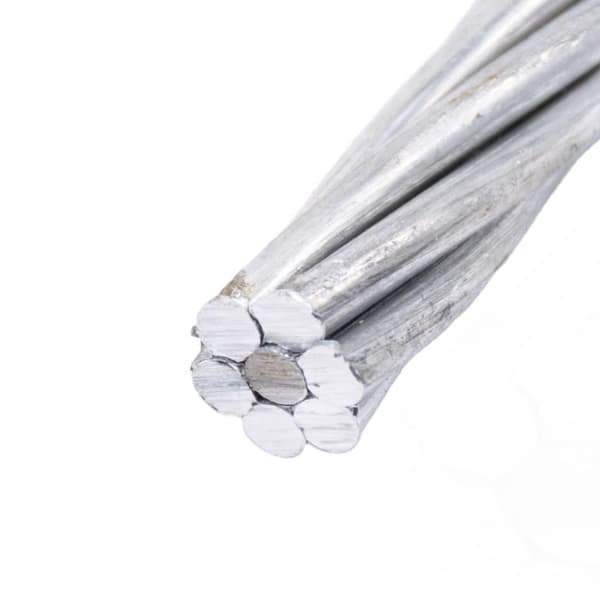
Compreendendo o sistema de fios AWG
AWG significa American Wire Gauge, um sistema padrão de dimensionamento de fios usado principalmente na América do Norte. O sistema AWG funciona de maneira diferente do dimensionamento métrico de cabos porque números de bitola menores indicam condutores maiores.
Por exemplo:
- 10 AWG é maior que 12 AWG
- 4 AWG é maior que 6 AWG
- 1 AWG é menor que 1/0 AWG
Depois 1 AWG, o dimensionamento continua em tamanhos “zero”:
- 1/0 AWG (um nada)
- 2/0 AWG
- 3/0 AWG
- 4/0 AWG
Portanto, 1/0 AWG é o próximo tamanho maior depois 1 AWG.
Muitos iniciantes entendem mal este ponto ao selecionar cabos de bateria, cabos solares, ou condutores de energia industriais.
O que é 1 Fio AWG?
1 O fio AWG é um condutor resistente comumente usado em sistemas elétricos de corrente média a alta. Ele fornece forte capacidade de transporte de corrente e é mais fácil de instalar do que cabos maiores.
As aplicações típicas incluem:
- Sistemas de baterias solares
- Cabos de bateria automotiva
- Fiação marítima
- Aterramento industrial
- Conexões do inversor
- Sistemas elétricos para veículos recreativos
Devido ao seu equilíbrio entre desempenho e flexibilidade, 1 AWG é um dos tamanhos de condutores grandes mais populares.
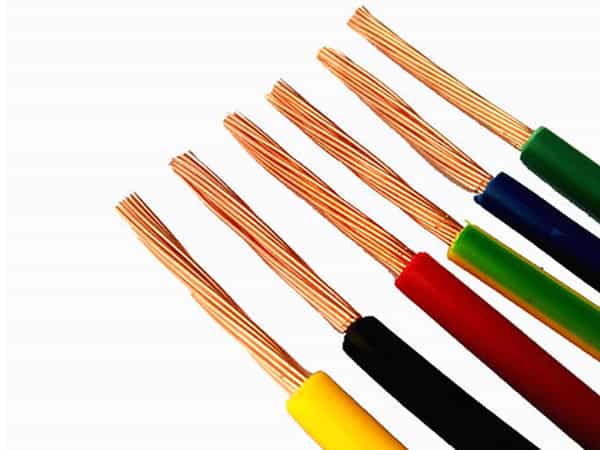
Especificações típicas de 1 AWG
| Parâmetro | Valor |
|---|---|
| Diâmetro | 7.35 milímetros |
| Área transversal | 42.4 mm² |
| Resistência | 0.4066 Ω/1000 pés |
| Ampacidade típica | 130–150A |
| Flexibilidade | Bom |
A ampacidade real depende das condições de instalação e do tipo de isolamento.
O que é 1/0 Fio AWG?
1/0 Fio AWG, também chamado de “um,”é um condutor maior projetado para aplicações de maior potência. Contém mais cobre ou alumínio, permitindo que ele transporte maior corrente elétrica com menor resistência.
É comumente usado em:
- Principais alimentadores de energia
- Motores industriais
- Grandes bancos de baterias
- Sistemas de carregamento de veículos elétricos
- Equipamento de soldagem
- Inversores de alta potência
Comparado com 1 AWG, 1/0 AWG oferece melhor eficiência elétrica, especialmente em distâncias mais longas.
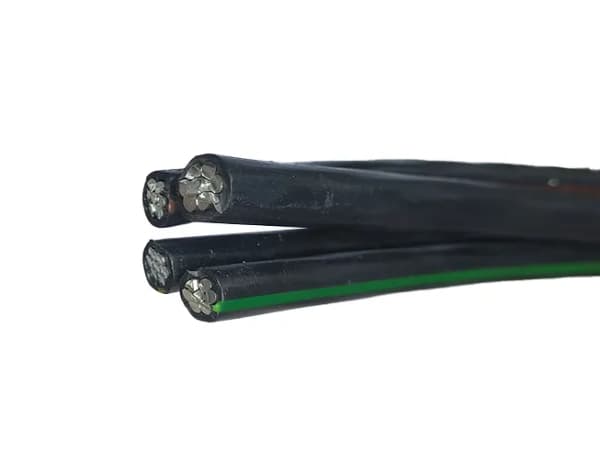
Especificações típicas de 1/0 AWG
| Parâmetro | Valor |
| Diâmetro | 8.25 milímetros |
| Área transversal | 53.5 mm² |
| Resistência | 0.321 Ω/1000 pés |
| Ampacidade típica | 150–170A |
| Flexibilidade | Moderado |
A principal diferença entre 1 AWG e 1/0 AWG
A maior diferença é o tamanho do condutor.
Embora a diferença de tamanho físico pareça pequena, eletricamente é muito importante.
Comparado com 1 AWG, 1/0 Ofertas AWG:
- Maior capacidade de transporte de corrente
- Menor resistência
- Menor queda de tensão
- Melhor eficiência
- Melhor desempenho térmico
No entanto, 1/0 AWG também:
- Custa mais
- Pesa mais
- Requer conectores maiores
- É mais difícil de dobrar
A escolha entre eles depende da carga elétrica e do ambiente de instalação.
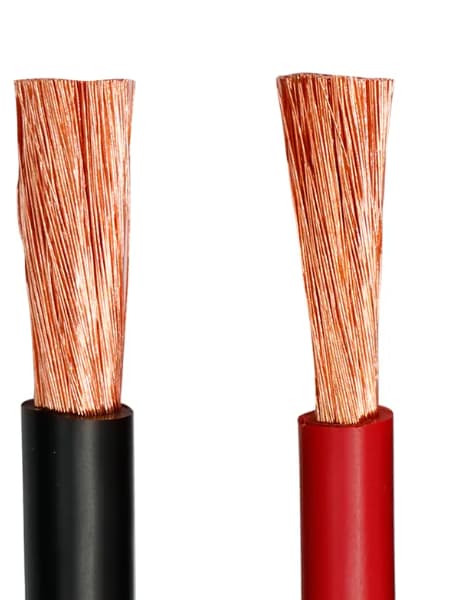
Comparação de tamanhos entre 1 AWG e 1/0 AWG
Muitas pessoas subestimam o quão maior 1/0 AWG na verdade é.
| Tamanho do fio | Diâmetro |
| 1 AWG | 7.35 milímetros |
| 1/0 AWG | 8.25 milímetros |
Embora o diâmetro aumente em menos de 1 milímetros, a área da seção transversal do condutor aumenta dramaticamente.
Comparação de áreas transversais
| Tamanho do fio | Área |
| 1 AWG | 42.4 mm² |
| 1/0 AWG | 53.5 mm² |
Isso significa 1/0 AWG tem aproximadamente 26% mais material condutor do que 1 AWG.
Essa área extra do condutor melhora muito o desempenho elétrico.
Diferenças de Ampacidade
Ampacidade refere-se à corrente elétrica máxima que um condutor pode transportar com segurança sem superaquecimento.
1 Ampacidade AWG
Ampacidade típica de cobre:
- 130A a 150A
Ampacidade típica de alumínio:
- 100A a 120A
1/0 Ampacidade AWG
Ampacidade típica de cobre:
- 150A a 170A
Ampacidade típica de alumínio:
- 120A a 150A
A ampacidade exata depende de vários fatores:
- Temperatura ambiente
- Isolamento de cabos
- Método de instalação
- Número de condutores agrupados
- Código elétrico local
Comparação de queda de tensão
A queda de tensão torna-se extremamente importante em cabos longos.
Porque 1/0 AWG tem menor resistência, experimenta menos perda de tensão ao longo da distância.
Por que a queda de tensão é importante
Queda excessiva de tensão pode causar:
- Eficiência reduzida do equipamento
- Superaquecimento do motor
- Desligamento do inversor
- Problemas de carregamento da bateria
- Perda de energia
Portanto, muitos engenheiros selecionam 1/0 AWG para sistemas de alta corrente com cabos longos.
Exemplo de queda de tensão
Suponha que um sistema elétrico opere a:
- 150 amplificadores
- 100 pés comprimento do cabo
Usando 1 AWG pode resultar em queda de tensão visivelmente maior.
Usando 1/0 AWG pode reduzir a queda de tensão em aproximadamente 20–25%.
Essa melhoria é importante:
- Sistemas solares
- Sistemas de energia marítima
- Máquinas industriais
- Bancos de baterias
Comparação de resistência
Menor resistência melhora a eficiência elétrica.
| Tamanho do fio | Resistência por 1000 pés |
| 1 AWG | 0.4066 Oh |
| 1/0 AWG | 0.321 Oh |
Menor resistência significa:
- Menos geração de calor
- Perda de energia reduzida
- Melhor estabilidade de tensão
- Maior vida útil do cabo
Para aplicações de alta corrente, menor resistência é extremamente benéfica.
Diferenças de peso
Desde 1/0 AWG contém mais material condutor, é significativamente mais pesado.
Isso afeta:
- Custo de envio
- Carregamento da bandeja de cabos
- Mão de obra de instalação
- Lidando com dificuldade
Em grandes projetos industriais, o peso do cabo se torna uma consideração importante de engenharia.
Flexibilidade e Instalação
1 AWG é geralmente mais fácil de instalar.
Dobra-se mais facilmente e requer menos espaço de instalação.
1/0 AWG é:
- Mais rígido
- Mais pesado
- Mais difícil de rotear
- Mais difícil em espaços apertados
Portanto, os instaladores geralmente preferem 1 AWG quando o espaço é limitado.
No entanto, projetos de cabos flexíveis de fio fino podem melhorar consideravelmente a flexibilidade.
Diferença de custo entre 1 AWG e 1/0 AWG
Cabos maiores requerem mais material condutor, então 1/0 AWG é mais caro.
A diferença de preço depende:
- Preços de mercado do cobre
- Preços do alumínio
- Marca de cabo
- Tipo de isolamento
- Projeto de encalhe
Em geral:
1/0 AWG custa aproximadamente 15–30% mais do que 1 AWG.
As versões com condutores de cobre são significativamente mais caras que as versões de alumínio.
Versões de cobre vs alumínio
Ambos 1 AWG e 1/0 AWG estão disponíveis em cobre e alumínio.
Vantagens do cobre
- Maior condutividade
- Melhor flexibilidade
- Melhor resistência à corrosão
- Diâmetro menor
Vantagens do alumínio
- Menor custo
- Peso mais leve
- Transporte mais fácil
No entanto, condutores de alumínio exigem:
- Tamanho de condutor maior
- Métodos de rescisão adequados
- Compostos antioxidantes
O cobre continua sendo a escolha preferida para sistemas críticos de alto desempenho.
Aplicativos comuns para 1 AWG
1 AWG é amplamente utilizado em aplicações de média corrente.
Usos típicos
- Sistemas de energia para veículos recreativos
- Conexões de bateria solar
- Cabos de bateria marítima
- Atualizações automotivas
- Aterramento industrial
- Sistemas de pequenos inversores
Oferece um excelente equilíbrio entre desempenho, flexibilidade, e custo.
Aplicativos comuns para 1/0 AWG
1/0 AWG é preferido para instalações exigentes de alta corrente.
Usos típicos
- Principais alimentadores de serviço
- Equipamento industrial
- Inversores solares de alta potência
- Sistemas de carregamento de veículos elétricos
- Grandes bancos de baterias
- Máquinas de solda
O condutor maior melhora a confiabilidade sob cargas elétricas pesadas.
Qual cabo é melhor para sistemas solares?
Ambos os tamanhos de fio podem funcionar bem em aplicações solares.
Escolher 1 AWG Quando
- A corrente está abaixo de 150A
- Os cabos são curtos
- O espaço de instalação é limitado
- Orçamento é importante
Escolher 1/0 AWG Quando
- A corrente excede 150A
- A distância do cabo é longa
- A queda de tensão deve ser minimizada
- A expansão do sistema é esperada
Muitos sistemas solares fora da rede usam 1/0 AWG para interconexões de baterias devido à alta corrente envolvida.
Qual cabo é melhor para áudio automotivo?
Os sistemas de áudio automotivo geralmente exigem condutores grandes porque os amplificadores consomem corrente substancial.
1 AWG funciona bem para
- Sistemas amplificadores médios
- Instalações de menor potência
- Cabos curtos
1/0 AWG funciona melhor para
- Amplificadores de alta potência
- Várias configurações de amplificador
- Sistemas acima de 2.000 W
Muitos instaladores profissionais de áudio automotivo recomendam 1/0 AWG para flexibilidade de atualização futura.
Aplicações marítimas e RV
Os sistemas marítimos e de RV frequentemente enfrentam altas correntes de inicialização e longos cabos.
Nestes ambientes:
- A estabilidade da tensão é crítica
- A resistência à corrosão é importante
- Confiabilidade é essencial
1/0 AWG é comumente selecionado para sistemas maiores devido à sua menor queda de tensão.
No entanto, 1 O AWG continua popular em instalações marítimas e de trailers menores.
Pode 1 Substituição AWG 1/0 AWG?
Às vezes pode, mas nem sempre com segurança.
Usar um condutor menor pode levar a:
- Superaquecimento
- Queda excessiva de tensão
- Eficiência reduzida
- Riscos de incêndio
Sempre verifique:
- Requisitos do código elétrico
- Cálculos de ampacidade
- Condições ambientais
- Carga do sistema
Nunca subdimensione os cabos em aplicações de alta corrente.
Pode 1/0 Substituição AWG 1 AWG?
Sim.
Usar um condutor maior é geralmente seguro.
As vantagens incluem:
- Menor resistência
- Calor reduzido
- Melhor eficiência
- Capacidade de expansão futura
No entanto, cabos superdimensionados aumentam:
- Dificuldade de instalação
- Custo
- Requisitos de tamanho do conector
Compreendendo o termo “One Aught”
Os eletricistas geralmente se referem a 1/0 AWG como:
“Uma coisa”
De forma similar:
- 2/0 AWG = dois zero
- 3/0 AWG = três zero
- 4/0 AWG = quatro zero
Esta terminologia é padrão na América do Norte.
Considerações sobre NEC e código elétrico
O Código Elétrico Nacional (NEC) fornece regras para:
- Ampacidade
- Correção de temperatura
- Dimensionamento de condutores
- Métodos de instalação
A seleção adequada de cabos nunca deve depender apenas de gráficos on-line.
A avaliação profissional de engenharia é recomendada para:
- Sistemas industriais
- Projetos de utilidades
- Instalações de alta corrente
- Sistemas de energia renovável
Classificação de temperatura e isolamento
O isolamento do cabo afeta muito a ampacidade permitida.
Os tipos de isolamento comuns incluem:
- THHN
- XLPE
- XHHW
- PVC
- EPDM
Classificações de temperatura mais altas permitem que os cabos transportem mais corrente com segurança.
As classificações de temperatura típicas incluem:
- 60°C
- 75°C
- 90°C
Condutores encalhados vs sólidos
Ambos 1 AWG e 1/0 AWG pode ser fabricado como:
- Condutores sólidos
- Condutores trançados
Condutores Encalhados
Vantagens:
- Melhor flexibilidade
- Instalação mais fácil
- Melhor resistência à vibração
Comum em:
- Cabos de bateria
- Fiação marítima
- Cabos de soldagem
Condutores Sólidos
Vantagens:
- Menor custo
- Construção mais simples
Normalmente usado em instalações fixas.
Como escolher entre 1 AWG e 1/0 AWG
O tamanho correto do cabo depende de vários fatores.
Requisitos Atuais
Corrente mais alta geralmente requer 1/0 AWG.
Distância do cabo
Cabos mais longos se beneficiam de condutores maiores.
Orçamento
1 AWG é mais econômico.
Espaço de instalação
Espaços menores favorecem 1 AWG.
Expansão Futura
1/0 AWG pode impedir futuras atualizações de cabos.
Sempre considere o desempenho do sistema a longo prazo, em vez de apenas o custo inicial.
Tabela de comparação rápida
| Recurso | 1 AWG | 1/0 AWG |
| Diâmetro | Menor | Maior |
| Ampacidade | Mais baixo | Mais alto |
| Resistência | Mais alto | Mais baixo |
| Queda de tensão | Mais alto | Mais baixo |
| Flexibilidade | Melhorar | Reduzido |
| Peso | Isqueiro | Mais pesado |
| Custo | Mais baixo | Mais alto |
| Uso principal | Corrente média | Alta corrente |
Considerações Finais
Entendendo a diferença entre 1 AWG e 1/0 AWG é essencial para projetos de sistemas elétricos seguros e eficientes.
Embora o sistema de nomenclatura possa parecer confuso à primeira vista, lembre-se desta regra importante:
1/0 AWG é maior que 1 AWG.
Devido ao seu tamanho de condutor maior, 1/0 AWG fornece:
- Maior ampacidade
- Menor resistência
- Melhor eficiência
- Queda de tensão reduzida
Enquanto isso, 1 Ofertas AWG:
- Menor custo
- Instalação mais fácil
- Melhor flexibilidade
A melhor escolha depende da sua aplicação específica, carga elétrica, ambiente de instalação, e futuros planos de expansão de fabricante de cabos.
Para sistemas de energia críticos, consultar um eletricista ou engenheiro elétrico licenciado é sempre recomendado.