
Introduction to 110kV Cable Indoor Termination
A 110kV cable indoor termination is an important component in high-voltage power transmission systems. It connects a high-voltage XLPE power cable to electrical equipment installed inside a substation, transformer room, or enclosed electrical facility. Depending on the project design, the termination may connect to gas-insulated switchgear (SIG), air-insulated switchgear (AIS), a power transformer, or another compatible high-voltage apparatus.
As urban power networks expand and underground transmission systems become increasingly common, 110kV indoor cable terminations play an important role in reliable power transmission. Compared with conventional outdoor installations, indoor cable connections can be integrated into enclosed electrical facilities, helping improve space utilization and protect equipment from direct exposure to environmental conditions.
No entanto, not all 110kV indoor cable terminations have the same structure. Some use a plug-in interface, while others employ a bushing-type connection or a specialized termination assembly designed for a particular electrical enclosure. Insulation materials may include silicone rubber, resina epóxi, porcelain, or other qualified materials, dependendo da aplicação.
Understanding these differences is essential when selecting a 110kV cable termination for a new substation, an underground power project, or an existing high-voltage installation.
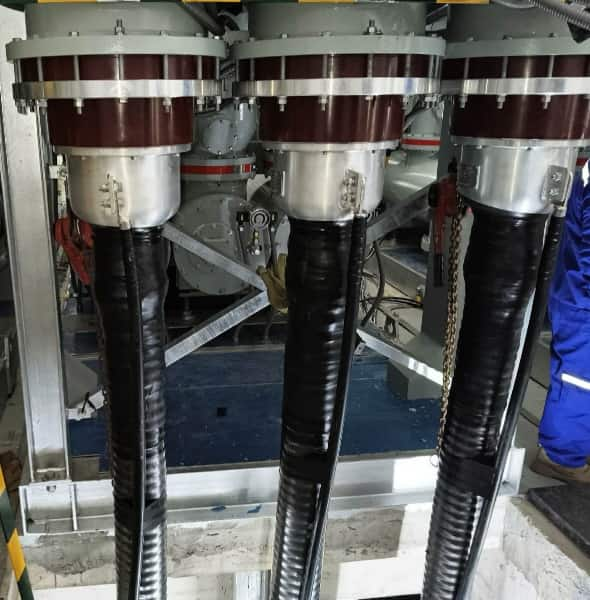
What Is a 110kV Indoor Cable Termination?
A 110kV indoor cable termination is designed to connect the conductor of a high-voltage cable to electrical equipment while maintaining the required insulation performance.
In a typical XLPE cable system, the conductor is surrounded by cross-linked polyethylene insulation, followed by a semiconductive layer, tela metálica, and outer sheath. Na extremidade do cabo, the insulation and metallic screen must be prepared carefully to establish a controlled electrical connection.
The termination performs several essential functions.
Primeiro, it controls the electric field around the end of the cable insulation. Without effective stress control, excessive electrical stress may develop near the end of the metallic screen, increasing the risk of partial discharge and insulation failure.
Segundo, it provides insulation between the energized conductor and grounded components. The insulation structure must withstand the specified operating voltage and required electrical test levels.
Terceiro, the termination provides a reliable conductor connection to the receiving equipment. It must also accommodate the mechanical requirements of the installation and maintain compatibility with the equipment interface.
Por esta razão, a 110kV cable termination must be selected according to the cable dimensions, equipment design, voltage rating, and project specification rather than voltage alone.
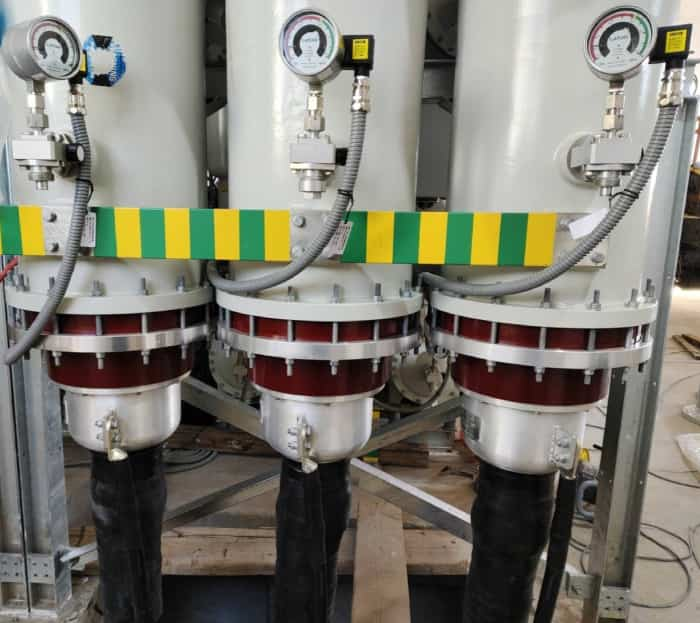
Main Types of 110kV Cable Indoor Terminations
Indoor cable terminations can be classified according to their connected equipment, insulation arrangement, and mechanical interface. These classifications overlap because a single termination may belong to more than one category.
1. 110kV GIS Cable Termination
A 110kV GIS cable termination connects an XLPE-insulated cable to gas-insulated switchgear. GIS equipment places its energized components inside a grounded metal enclosure containing an insulating medium, such as SF₆ gas or an approved alternative.
GIS cable terminations are widely used in compact substations, underground substations, urban power networks, and industrial facilities where installation space is limited.
The termination provides a coordinated interface between the solid insulation of the cable and the insulation system inside the GIS compartment. Depending on the equipment design, the connection may use an epoxy resin bushing, a plug-in interface, or another manufacturer-specific arrangement.
The main advantages of GIS cable terminations include compact installation, protection of internal energized components, and suitability for enclosed electrical environments.
No entanto, GIS interfaces are not universally interchangeable. The termination must match the GIS manufacturer’s interface dimensions, conductor connection method, electrical ratings, and sealing requirements.
2. 110kV Transformer Cable Termination
A 110kV transformer cable termination connects a high-voltage power cable to the high-voltage side of a power transformer.
This type of termination is used in substations where underground or directly buried cables supply transformers. Depending on the transformer design, the cable may connect through a dedicated cable box, an insulated bushing, or a specialized plug-in interface.
The termination must be compatible with the transformer terminal arrangement, cable conductor dimensions, and insulation requirements.
Transformer cable connections may be designed for oil-filled compartments, dry-type interfaces, or other manufacturer-specific arrangements. Portanto, it is important to distinguish between the cable termination itself and the transformer’s external bushing.
For transformer replacement projects, buyers should confirm the transformer manufacturer, model, terminal drawing, cable entry arrangement, and required electrical ratings before ordering a termination.
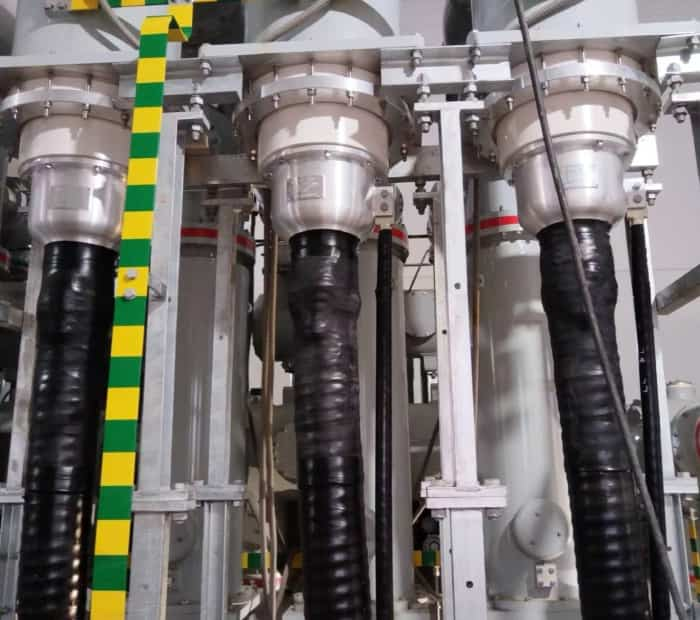
3. 110kV AIS Cable Termination
An air-insulated switchgear (AIS) system uses air as the principal external insulation medium between energized components and grounded structures.
In an AIS substation, a high-voltage cable may terminate inside an enclosed equipment area or connect to a designated high-voltage terminal structure. The appropriate termination design depends on the equipment layout and the manufacturer’s requirements.
Unlike a GIS termination, which connects to a sealed gas-insulated interface, an AIS cable termination must provide the required insulation clearances and withstand the electrical stresses associated with its air-insulated arrangement.
AIS-related cable terminations may use porcelain or composite insulators, depending on the design. In some installations, the cable termination is located outdoors even when the switchgear or control equipment is housed indoors.
Consequentemente, the actual installation environment should be confirmed before classifying an AIS cable termination as an indoor product.
4. 110kV Dry-Type Cable Termination
A dry-type cable termination uses a solid insulation system without requiring insulating oil within the termination design.
Dependendo do produto, its insulating body may incorporate silicone rubber, resina epóxi, or other qualified materials. Dry-type designs can be used for compatible GIS connections, transformer interfaces, and other specialized high-voltage applications.
Their advantages may include reduced risk of oil leakage, a compact insulation arrangement, and simplified maintenance associated with eliminating liquid insulation from the termination assembly.
No entanto, the term “dry-type” describes the insulation arrangement rather than the connected equipment. A dry-type GIS termination is still a GIS termination, while a dry-type transformer termination is designed for a transformer interface.
Customers should therefore confirm both the termination structure and its intended application when requesting a quotation.
5. 110kV Plug-In Cable Termination
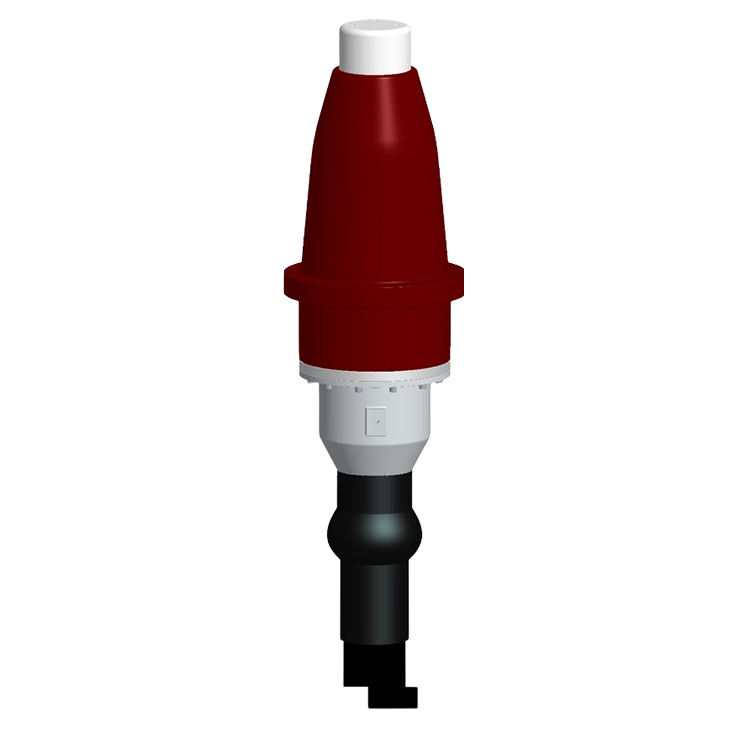
A plug-in cable termination uses a designed interface that allows the cable termination to connect to a compatible bushing or socket.
The connection generally incorporates an insulating body, conductor connector, electric field control structure, and mechanical interface. Dependendo do projeto, the interface may include conductive and semiconductive components that help maintain the intended electrical field distribution.
Plug-in terminations can be used in suitable GIS and transformer applications where the equipment has a compatible interface.
Their main advantages include compact installation and a defined connection arrangement. They may also simplify certain installation procedures when compared with more extensive site-assembled arrangements.
No entanto, a plug-in termination rated for 110kV cannot automatically be used with every 110kV GIS or transformer. The interface dimensions, insulation arrangement, tamanho do condutor, and electrical ratings must all be verified.
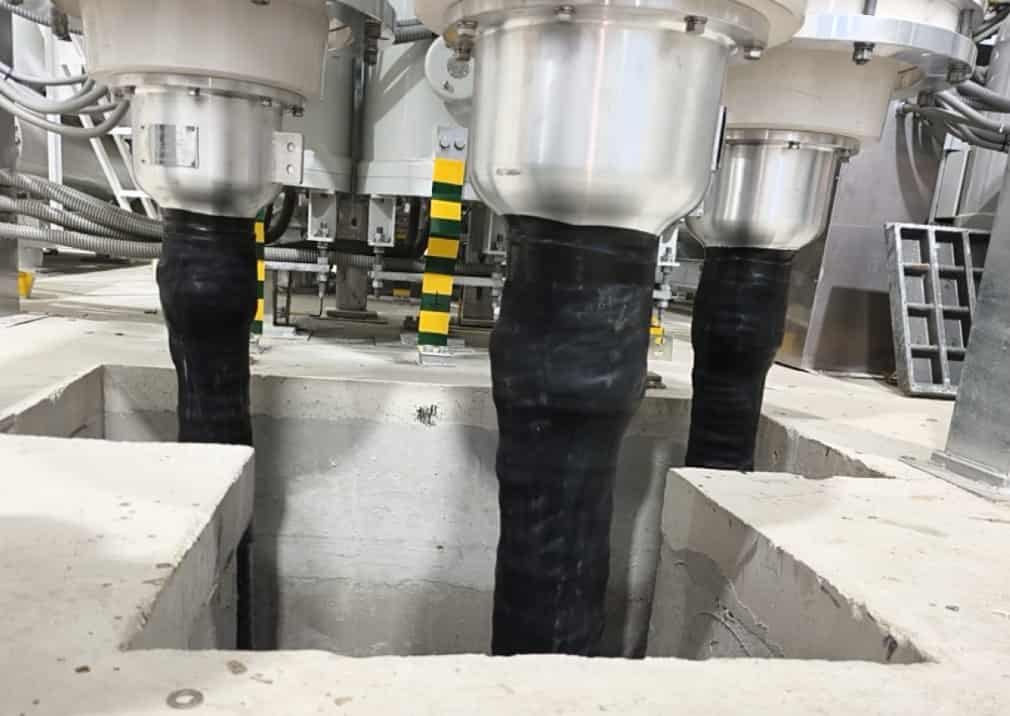
6. 110kV Epoxy Bushing-Type Cable Termination
An epoxy bushing-type termination uses an epoxy resin bushing or insulating interface to provide mechanical support and electrical insulation between the cable connection and the electrical equipment.
Epoxy bushings are commonly associated with GIS cable interfaces, although the actual application depends on the equipment design.
The bushing forms part of the coordinated insulation system. Its dimensions, conductive components, and connection arrangement must match the associated cable termination and receiving equipment.
For high-voltage applications, the interface design is particularly important because an incorrect connection may affect insulation clearances, electric field distribution, e confiabilidade mecânica.
Before selecting this type of termination, customers should obtain the equipment interface drawing and confirm whether the epoxy bushing is supplied with the GIS equipment or included in the cable termination package.
Porcelain and Composite Insulator Structures
In addition to classification by connected equipment, indoor cable terminations may be distinguished by their insulating materials and structural design.
7. Porcelain-Type Cable Termination
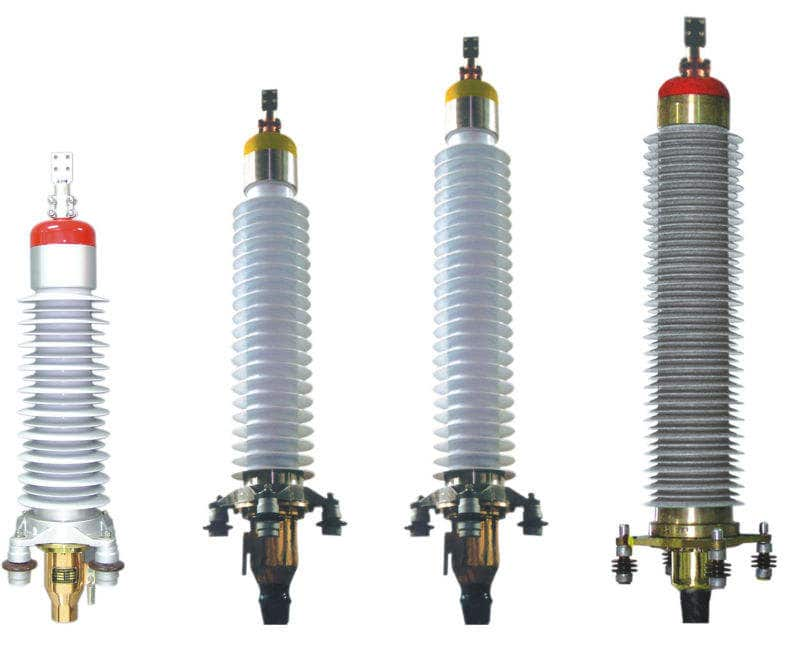
Porcelain insulators have a long history of use in high-voltage electrical equipment. They provide good electrical insulation and mechanical strength when designed and installed correctly.
A porcelain-type termination may be used where the equipment design requires a rigid insulating housing or a particular bushing arrangement.
Potential disadvantages include greater weight and the risk of damage from mechanical impact. Handling, transport, and installation must therefore follow the manufacturer’s requirements.
Whether a porcelain termination is suitable for indoor use depends on the specific design and the clearances available in the installation.
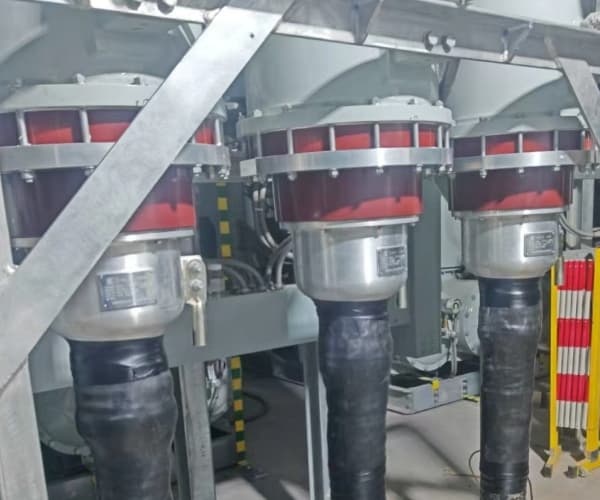
8. Composite-Type Cable Termination
Composite insulation structures commonly use a polymeric housing, often with silicone rubber as the external insulating material and a supporting core designed for the required mechanical loads.
Comparado com porcelana, composite structures can offer lower weight and improved resistance to mechanical impact. Silicone rubber surfaces can also provide useful hydrophobic properties in suitable environmental conditions.
Composite materials may be used in certain indoor termination assemblies or in equipment interfaces that require a composite insulating housing.
No entanto, not every composite termination is suitable for every indoor or GIS application. The material, dimensions, desempenho elétrico, and mechanical interface must be qualified for the intended service conditions.
It is also important to distinguish between the insulating material and the termination category: a composite termination may be a transformer termination, an AIS-related termination, or another specialized design.
Main Components of a 110kV Indoor Cable Termination
Although the design varies by application, several components are commonly found in 110kV cable termination systems.
Insulating body: Provides the principal insulation between the energized conductor and grounded components.
Electric field control system: Controls electrical stress near the end of the cable insulation and metallic screen.
Conector condutor: Establishes the electrical connection between the cable conductor and the receiving equipment.
Metallic screen and grounding components: Provide the specified grounding and fault-current path according to the cable system design.
Mechanical support: Maintains the required position and stability of the termination assembly.
Componentes de vedação: Where required, maintain the integrity of the equipment interface or enclosed compartment.
Mounting and installation accessories: May include brackets, approved fastening components, and other items required by the installation design.
The exact supply scope differs among manufacturers. Buyers should confirm which components are included in the termination package and which must be supplied by the GIS or transformer manufacturer.

Electrical Performance and Applicable Standards
A 110kV cable termination must meet the electrical and mechanical requirements of its intended application.
Important performance characteristics include power-frequency withstand voltage, tensão suportável ao impulso relâmpago, partial discharge performance, conductor connection reliability, thermal performance, and short-circuit capability where specified.
For a nominal 110kV network, the highest voltage for equipment may be 123kV, depending on the applicable network standard and project requirements. The actual equipment rating and required test levels must be confirmed from the approved technical specification.
Relevant international standards may include:
- CEI 60840 for extruded-insulation power cables and their accessories in the applicable voltage range.
- CEI 62271-1 for common specifications for high-voltage switchgear and controlgear.
- CEI 62271-203 for gas-insulated metal-enclosed switchgear above 52kV.
- CEI 62271-209 for cable connections to gas-insulated metal-enclosed switchgear above 52kV.
- CEI 60270 for high-voltage partial discharge measurements.
The applicable standards depend on the product and its intended use. A cable accessory standard, a GIS equipment standard, and a GIS cable connection standard address different requirements and should not be treated as interchangeable.
Customers should confirm the applicable editions, requisitos de teste, type-test evidence, and acceptance criteria with the project engineer and equipment manufacturer.
Installation Requirements for 110kV Indoor Cable Terminations
Proper installation is essential to the long-term reliability of a high-voltage cable system.
Primeiro, verify the cable conductor size, diâmetro de isolamento, metallic screen construction, and cable manufacturer’s data. Confirm that the selected termination matches the actual cable dimensions.
Segundo, check the equipment interface drawings. For GIS and transformer connections, verify the interface dimensions, conductor connection method, mechanical arrangement, and required accessories.
Terceiro, prepare the cable according to the approved installation instructions. Removendo a bainha externa, tela metálica, and semiconductive layers requires careful workmanship. The XLPE insulation surface must remain clean and free from cuts or contamination.
Fourth, install the stress-control components, insulating body, and connector in the specified sequence. Use only approved tools, materiais, and fastening procedures.
Finalmente, complete the equipment connection, grounding, inspection, and specified testing. All high-voltage work must be carried out by qualified personnel following the approved safety and commissioning procedures.
How to Select the Right 110kV Cable Indoor Termination
Choosing a suitable termination requires consideration of both electrical performance and equipment compatibility.
The first step is to identify the receiving equipment: SIG, transformer, AIS-related equipment, or another high-voltage apparatus.
Próximo, confirm the termination structure, such as dry-type, plug-in, epoxy bushing-type, porcelain-type, or composite-type. These descriptions may overlap, so the complete product configuration must be established.
The third step is to verify the cable specifications, including conductor material, área transversal, diâmetro de isolamento, and metallic screen arrangement.
The fourth step is to review the required system voltage, highest voltage for equipment, insulation test levels, partial discharge requirements, and other project-specific conditions.
Finalmente, confirm the scope of supply, technical drawings, instruções de instalação, applicable test reports, and quality documentation.
For replacement projects, the original equipment manufacturer’s interface drawing is particularly valuable. Two terminations with the same nominal voltage may still have incompatible interfaces.
Applications of 110kV Indoor Cable Terminations
110kV indoor cable terminations are used in a wide range of power infrastructure projects.
Urban substations often use GIS equipment to reduce the required installation footprint. Underground substations also benefit from compact cable connection arrangements.
Industrial facilities may use 110kV cables to connect incoming power supplies to transformers and high-voltage switchgear. Renewable energy projects may use indoor cable terminations at grid connection substations, depending on the network configuration.
Large infrastructure projects, including railways, aeroportos, and data centers, may also require specialized high-voltage cable connections.
In each application, the termination must be selected according to the equipment design, available installation space, requisitos elétricos, and maintenance strategy.
Why Choose Dosense Cable for 110kV Cable Termination Solutions?
Dosense Cable supplies high-voltage cables and cable accessories for power transmission projects. For 110kV indoor cable termination requirements, the selection process begins with the cable specifications, connected equipment, and project interface drawings.
Our technical and commercial evaluation can consider GIS cable terminations, transformer cable terminations, compatible dry-type and plug-in designs, and other suitable cable accessory configurations according to the specific project requirements.
To help identify the correct product, customers are encouraged to provide the cable conductor size, diâmetro de isolamento, equipment manufacturer, interface drawing, required standards, e condições de instalação.
The product configuration, available test documentation, and scope of supply should be confirmed for each project before ordering. This helps ensure that the proposed termination is compatible with the receiving equipment and the intended operating conditions.
Dosense Cable is a supplier of high-voltage cables and cable accessories, supporting customers with 110kV cable termination solutions for suitable power transmission applications.

Manufacturer and supplier of 110kV Cable Indoor Terminations
DOS Group is a professional manufacturer and supplier of 110kV Cable Indoor Terminations and high-voltage cable accessories in China. We provide reliable termination solutions for GIS switchgear, power transformers, and other high-voltage substation applications. Our product range covers different termination designs to meet project requirements, including dry-type and plug-in configurations, subject to equipment interface compatibility. DOS Group is committed to providing quality products, suporte técnico, and customized solutions for power transmission projects worldwide.