
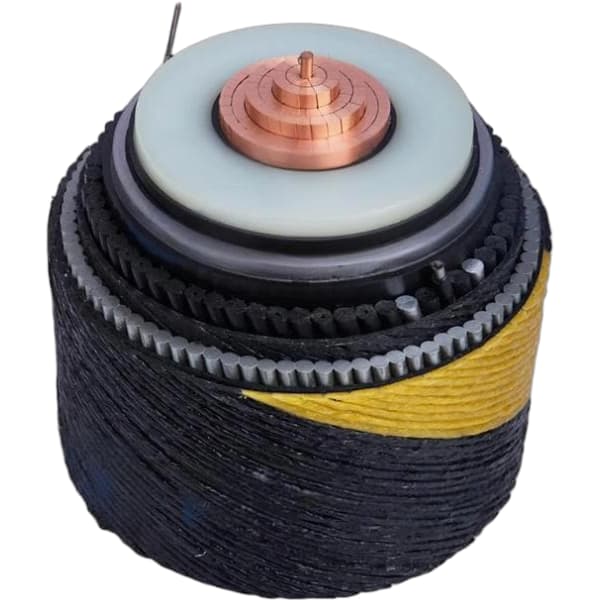
Introduction to 115kV XLPE Cable
Modern electrical infrastructure requires reliable, eficiente, e sistemas de transmissão de energia duradouros. À medida que as cidades continuam a expandir-se e os projetos de energias renováveis aumentam em todo o mundo, os sistemas de cabos subterrâneos de alta tensão tornaram-se mais importantes do que nunca. Entre essas soluções, o cabo XLPE de 115kV é amplamente reconhecido por seu excelente desempenho elétrico e estabilidade operacional.
Unlike traditional paper-insulated or oil-filled cables, XLPE insulated cables provide better thermal resistance, lower maintenance requirements, and improved environmental protection. Consequentemente, empresas de serviços públicos, Empreiteiros EPC, renewable energy developers, and industrial facilities increasingly choose 115kV XLPE cables for medium and high-capacity transmission networks.
In many countries, underground transmission projects are replacing overhead lines in urban environments. Como resultado, demand for high-quality 115kV XLPE cable systems continues growing rapidly.
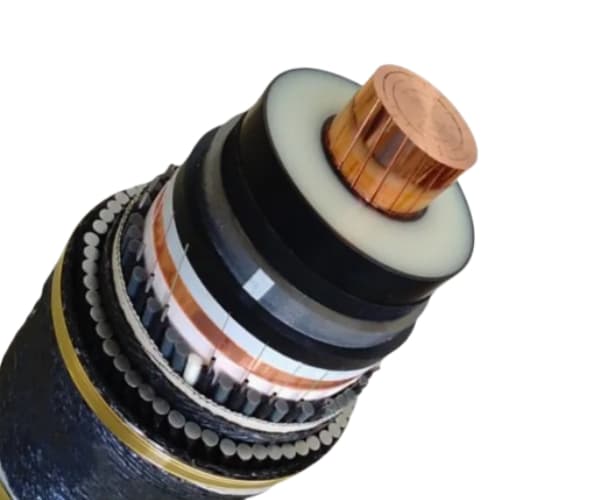
What Is a 115kV XLPE Cable?
A 115kV XLPE cable is a high-voltage power cable insulated with cross-linked polyethylene material. The cable is designed for electrical transmission systems operating at 69/115kV or 64/110kV voltage classes.
Because XLPE insulation has excellent dielectric characteristics, it performs efficiently under high electrical stress conditions. Além disso, the material provides superior resistance to moisture, thermal aging, e corrosão química.
Hoje, 115kV XLPE cables are commonly installed in:
- Urban underground transmission systems
- Projetos de energia renovável
- Subestações industriais
- Railway electrification systems
- Airport infrastructure
- Operações de mineração
- Oil and gas facilities
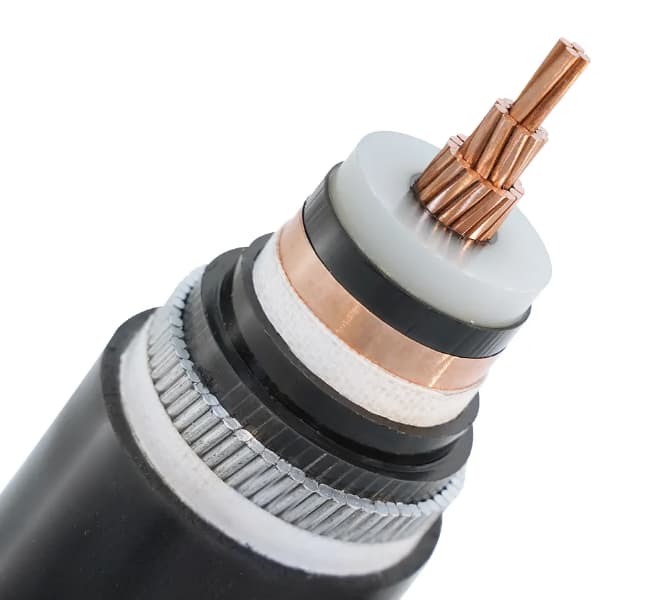
Main Structure of 115kV XLPE Cable
A modern high-voltage cable consists of several carefully engineered layers. Cada camada desempenha uma função elétrica ou mecânica específica.
Typical Cable Construction
| Componente | Main Function |
|---|---|
| Condutor | Carries electrical current |
| Tela do condutor | Controls electrical stress |
| Isolamento XLPE | Main dielectric insulation |
| Tela de isolamento | Distribuição uniforme de campo elétrico |
| Tela Metálica | Fault current return path |
| Camada de bloqueio de água | Prevents water penetration |
| Camada de cama | Mechanical cushioning |
| Blindagem | Proteção mecânica |
| Bainha Externa | Proteção ambiental |
Além disso, manufacturers may customize the structure depending on installation conditions and customer requirements.
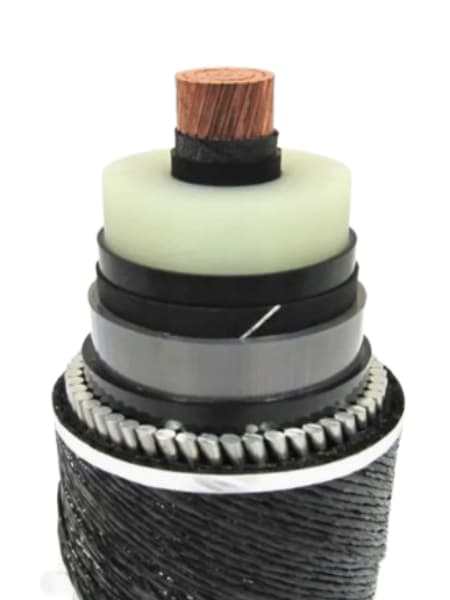
Advantages of 115kV XLPE Cable
Excellent Thermal Performance
XLPE insulation allows the cable to operate under high temperatures safely.
As classificações de temperatura típicas incluem:
| Operating Condition | Temperatura |
|---|---|
| Normal Operation | 90°C |
| Emergency Overload | 130°C |
| Short Circuit | 250°C |
Portanto, XLPE cables can transmit more current than many conventional cable systems.
Lower Electrical Losses
The dielectric losses of XLPE insulation are relatively low. Consequentemente, transmission efficiency improves significantly in long-distance power networks.
Longer Service Life
When properly installed and maintained, a 115kV XLPE cable system can operate for more than 30 para 40 anos. Além disso, the insulation structure remains stable even under fluctuating load conditions.
Reduced Maintenance Requirements
Oil-filled cable systems often require complex pressure monitoring equipment. No entanto, XLPE cables eliminate the need for fluid maintenance systems, which reduces operational costs considerably.
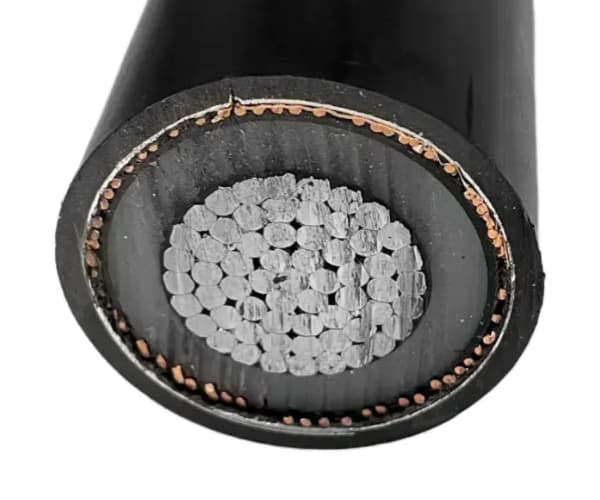
International Standards for 115kV XLPE Cable
High-voltage cables must comply with strict international standards to ensure safe and stable operation.
IEC Standards
| Padrão | Descrição |
|---|---|
| CEI 60840 | Power cables above 30kV up to 150kV |
| CEI 62067 | Extra high-voltage cable systems |
| CEI 60228 | Condutores de cabos isolados |
| CEI 60502 | Power cable insulation requirements |
| CEI 60229 | Oversheath testing |
American Standards
| Padrão | Descrição |
|---|---|
| ICEA S-108-720 | Shielded power cable standard |
| AEIC CS9 | Extruded dielectric cable specification |
| IEEE 48 | Cable terminations |
| IEEE 404 | Juntas de cabos |
| ASTM Standards | Conductor material standards |
Because many international projects require multiple certifications, manufacturers often produce cables according to both IEC and IEEE specifications.
Copper and Aluminum Conductors
Selecting the correct conductor material is an important part of cable system design.
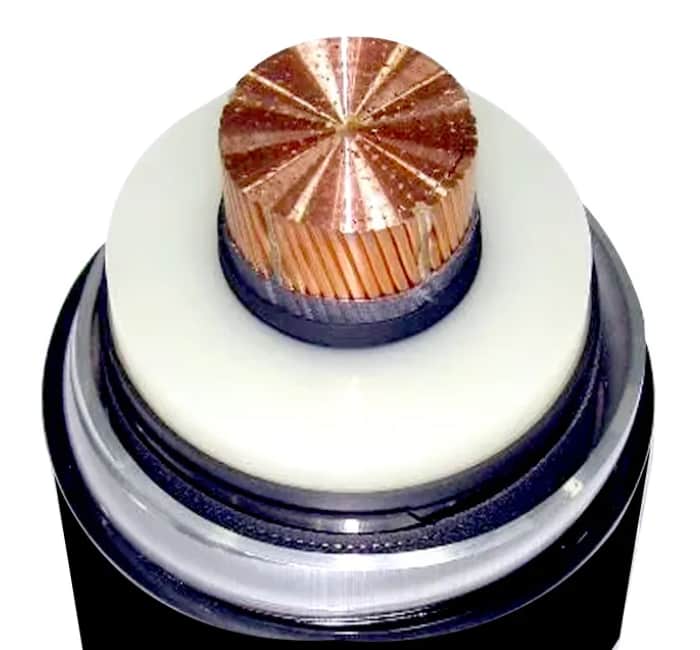
Condutores de cobre
Copper conductors provide:
- Maior condutividade
- Menores perdas de transmissão
- Better mechanical strength
- Smaller conductor diameter
Como resultado, copper is widely used in compact underground systems and metropolitan substations.
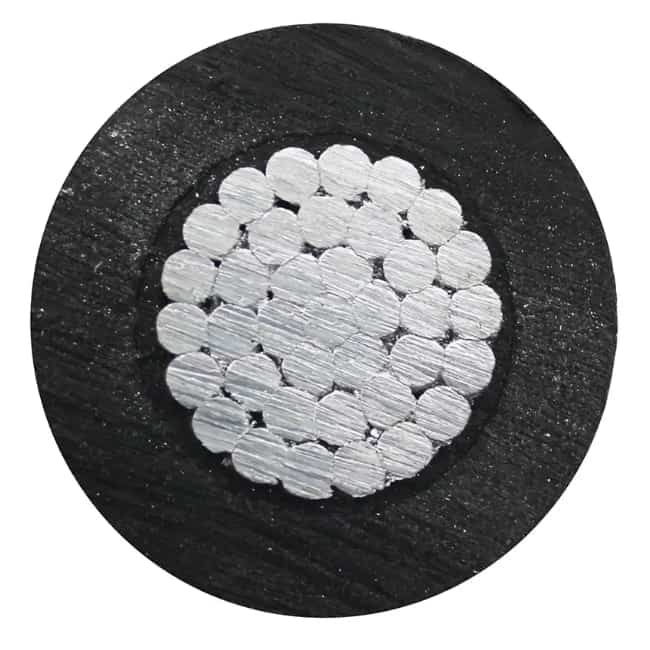
Condutores de Alumínio
Aluminum conductors offer several economic advantages.
Essas vantagens incluem:
- Menor custo de material
- Reduced cable weight
- Transporte mais fácil
- Lower installation tension
Portanto, utility-scale transmission projects frequently choose aluminum conductors for long-distance networks.
American Standard Sizes from 12AWG to 1000MCM
The North American market commonly uses AWG and MCM conductor sizing systems.
AWG and MCM Size Table
| AWG/MCM Size | Cross Section mm² |
|---|---|
| 12 AWG | 3.31 |
| 10 AWG | 5.26 |
| 8 AWG | 8.37 |
| 6 AWG | 13.3 |
| 4 AWG | 21.1 |
| 2 AWG | 33.6 |
| 1 AWG | 42.4 |
| 1/0 AWG | 53.5 |
| 2/0 AWG | 67.4 |
| 3/0 AWG | 85 |
| 4/0 AWG | 107.2 |
| 250 MCM | 126.7 |
| 300 MCM | 152 |
| 350 MCM | 177.3 |
| 400 MCM | 202.7 |
| 500 MCM | 253.4 |
| 600 MCM | 304 |
| 750 MCM | 380.1 |
| 800 MCM | 405.4 |
| 1000 MCM | 506.7 |
IEC Conductor Sizes from 50mm² to 3000mm²
Many international transmission projects follow IEC metric conductor standards.
IEC Metric Size Table
| Tamanho IEC | Aplicação Típica |
|---|---|
| 50 mm² | Light distribution systems |
| 70 mm² | Redes industriais |
| 95 mm² | Commercial power supply |
| 120 mm² | Urban distribution |
| 150 mm² | Medium-load transmission |
| 185 mm² | Utility systems |
| 240 mm² | Conexões de subestação |
| 300 mm² | Underground transmission |
| 400 mm² | Industrial infrastructure |
| 500 mm² | Power generation projects |
| 630 mm² | Sistemas de energia renovável |
| 800 mm² | High-capacity transmission |
| 1000 mm² | Utility power grids |
| 1200 mm² | Grandes subestações |
| 1400 mm² | High-load systems |
| 1600 mm² | Heavy industrial projects |
| 2000 mm² | Main transmission circuits |
| 2500 mm² | Extra-high-capacity systems |
| 3000 mm² | Large utility infrastructure |
Electrical Characteristics of 115kV Cable
Typical Technical Parameters
| Parâmetro | Valor |
|---|---|
| Tensão nominal | 69/115kV |
| Tensão máxima do sistema | 123kV |
| Freqüência | 50hertz / 60hertz |
| Maximum Conductor Temperature | 90°C |
| Temperatura de curto-circuito | 250°C |
| Lightning Impulse Voltage | 550kV |
| AC Test Voltage | 230kV |
Adicionalmente, manufacturers may customize cable parameters depending on local grid requirements.
Installation Methods for 115kV XLPE Cable
Direct Burial Installation
Direct burial is one of the most economical installation methods. Tipicamente, the cable is placed inside a trench with sand bedding and protective warning tape.
Duct Installation
Urban infrastructure projects often use duct systems because maintenance access becomes easier in the future.
Além disso, duct installations provide additional mechanical protection.
Tunnel Installation
Large cities and utility companies frequently use cable tunnels for critical transmission systems.
This method offers:
- Easier inspection
- Melhor dissipação de calor
- Simplified maintenance
- Space for multiple circuits
Common Applications of 115kV XLPE Cable
Projetos de energia renovável
Solar farms and wind power stations require stable transmission systems to connect generated power to the main electrical grid.
Consequentemente, XLPE high-voltage cables are widely used in renewable energy infrastructure.
Instalações Industriais
Heavy industries require continuous high-capacity power supply. Portanto, many factories install underground 115kV transmission systems to improve reliability.
Transportation Infrastructure
Modern transportation systems also depend on high-voltage cable networks.
Aplicações comuns incluem:
- Aeroportos
- Metro systems
- Railway electrification
- Seaport terminals
Cable Accessories Used in 115kV Systems
A complete high-voltage cable system requires specialized accessories.
Main Accessories
| Accessory | Função |
|---|---|
| Outdoor Termination | Conexão de subestação |
| Rescisão do SIG | Connection to GIS equipment |
| Straight Joint | Conexão de cabo |
| Insulated Joint | Electrical isolation |
| Link Box | Grounding management |
Without proper accessories, the cable system cannot operate safely or efficiently.
Testing Procedures for 115kV Cable
Manufacturers perform multiple tests before delivering high-voltage cables to customers.
Testes de rotina
Routine inspections usually include:
- Teste de resistência do condutor
- Teste de descarga parcial
- Teste de resistência de tensão
- Dimensional verification
Testes de tipo
Type tests confirm long-term cable reliability.
Esses testes podem incluir:
- Teste de impulso relâmpago
- Heating cycle testing
- Testes de flexão
- Short-circuit tests
Além disso, some utility projects require additional prequalification testing before commercial installation.
Important Factors When Choosing 115kV XLPE Cable
Several technical factors should be evaluated before selecting a cable system.
Capacidade de transporte atual
The conductor size must support the required electrical load safely.
Condições Ambientais
Engineers should evaluate:
- Soil thermal resistivity
- Temperatura ambiente
- Umidade
- Mechanical risks
Ambiente de instalação
Cable performance may vary depending on:
- Underground burial
- Duct installation
- Tunnel systems
- Wet environments
Padrões Aplicáveis
Finalmente, the selected cable should comply with required international standards and utility specifications.
Future Trends in High-Voltage XLPE Cable Technology
The global high-voltage cable market continues expanding due to increasing infrastructure investment. Ao mesmo tempo, manufacturers are developing advanced cable technologies to improve efficiency and sustainability.
Modern innovations include:
- Higher ampacity conductors
- Environmentally friendly sheath materials
- Improved moisture barriers
- Sistemas de monitoramento inteligentes
- Reduced transmission losses
As electrical grids become more complex, reliable underground cable systems will become even more important.
115kV XLPE cable
The 115kV XLPE cable is one of the most important components in modern underground power transmission infrastructure. Thanks to its superior insulation performance, high thermal resistance, longa vida útil, and low maintenance requirements, XLPE cable technology has become the preferred choice for utility companies and industrial projects worldwide.
Whether using American standard conductor sizes from 12AWG to 1000MCM or IEC metric sizes from 50mm² to 3000mm², proper cable selection remains essential for reliable and efficient electrical transmission.
No futuro, demand for high-quality 115kV XLPE cable systems will continue increasing as cities expand, renewable energy projects grow, and global power infrastructure modernizes.