
1. What Is a 220kV Cable GIS Termination?
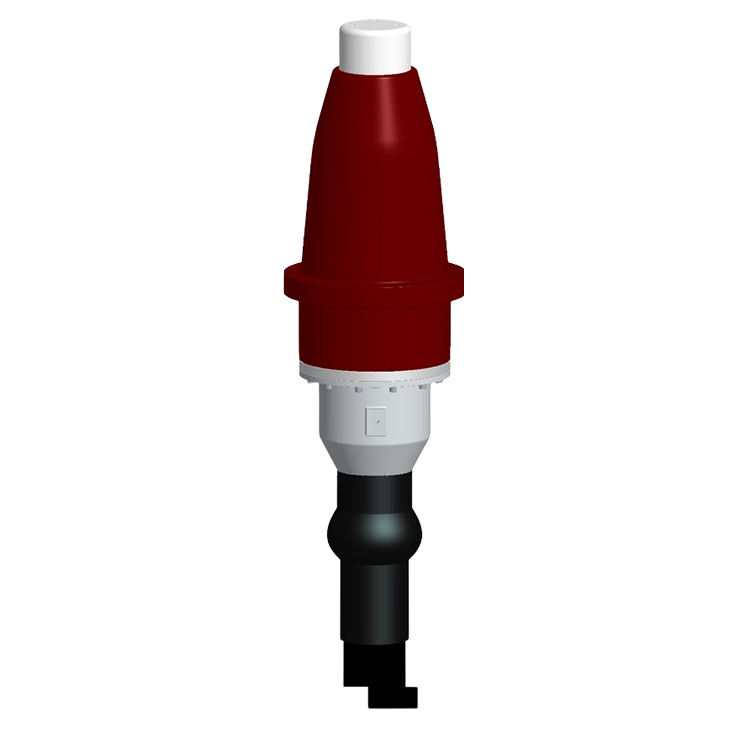
A 220kV Cable GIS Termination connects a high-voltage underground cable to Gas Insulated Switchgear (SIG). It provides a safe and reliable link between the XLPE power cable and the GIS equipment.
Hoje, many power utilities use GIS substations because they need less space than traditional air-insulated substations. Além disso, GIS equipment offers reliable operation and requires less outdoor installation space.
No entanto, connecting a 220kV XLPE cable to GIS equipment requires a special cable termination. This accessory must control the electric field, provide strong insulation, and maintain a reliable connection during long-term operation.
A 220kV Cable GIS Termination normally works with 127/220kV or other project-specific cable systems. Engineers must check the rated voltage and insulation level before selecting the product.
Ao contrário de uma terminação de cabo externa, a GIS termination connects directly to a GIS bushing inside a sealed switchgear compartment. Portanto, its design must match the GIS interface and the cable structure.
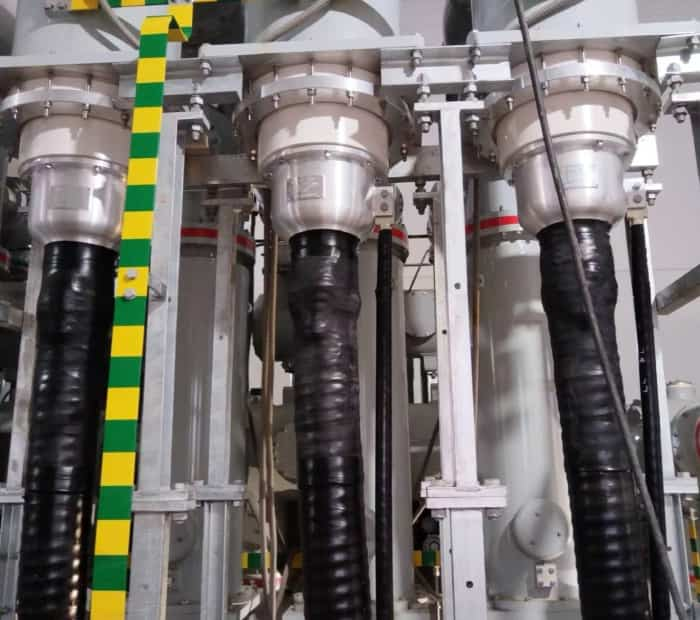
2. Main Components of a 220kV GIS Cable Termination
A typical 220kV GIS cable termination contains several important parts. Each part has a clear function in the electrical and mechanical system.
2.1 Corpo Isolante
The insulating body provides electrical insulation between the high-voltage conductor and the grounded GIS enclosure.
Manufacturers commonly use silicone rubber or epoxy-based materials for this component. These materials offer good insulation strength and stable performance.
Além disso, the insulating body must withstand normal operating voltage, lightning impulses, and switching impulses. Its design also needs to meet the requirements of the complete cable system.
2.2 Cone de controle de estresse
The stress control cone plays a key role in every high-voltage cable termination.
At the end of the cable insulation screen, the electric field can become very strong. If the termination does not control this stress, pode ocorrer descarga parcial. Ao longo do tempo, this problem can damage the insulation.
Portanto, a 220kV Cable GIS Termination uses a stress control cone or an integrated stress control structure. This design helps spread the electric field more evenly and improves insulation reliability.
2.3 Conector do condutor
The conductor connector links the cable conductor to the GIS contact system.
Dependendo do design do cabo, the conductor may use copper or aluminum. The connector must provide good electrical contact and enough mechanical strength.
Além disso, engineers must select the correct connector size according to the conductor cross-section and diameter.
2.4 GIS Plug-in Interface
The GIS plug-in interface connects the cable termination to the GIS bushing.
This component requires accurate dimensions and a suitable contact design. Even a small difference in the interface dimensions may cause installation problems.
Por esta razão, customers should provide the GIS manufacturer’s drawings and interface details before ordering a 220kV GIS cable termination.
2.5 Sealing and Grounding Parts
The sealing system protects the insulation area from moisture and external contamination. It also helps maintain the required sealing performance at the GIS connection.
Enquanto isso, the grounding parts connect the cable metallic screen or sheath to the substation grounding system.
The grounding arrangement depends on the cable bonding design. Portanto, engineers should confirm it during the project design stage.
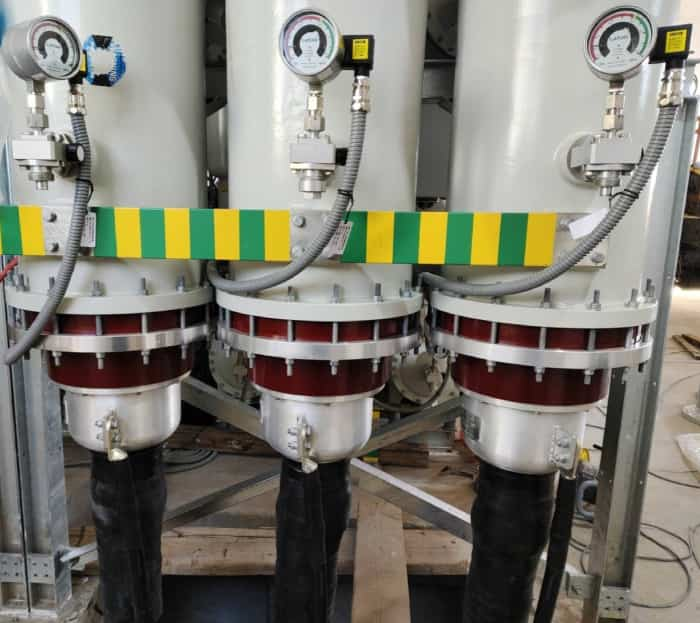
3. Key Features of a 220kV Cable GIS Termination
A reliable 220kV Cable GIS Termination must offer stable electrical performance and strong mechanical design.
Its main features include:
- High insulation strength: It supports safe operation in 220kV power systems.
- Good electric field control: The stress control structure reduces local electrical stress.
- Design compacto: It fits inside GIS equipment and helps save installation space.
- Reliable sealing: The sealing structure helps prevent moisture from entering the connection area.
- Low partial discharge: Good insulation design reduces the risk of internal electrical defects.
- Strong mechanical performance: The termination supports the mechanical loads that may occur during installation and operation.
- Longa vida útil: Quality materials and proper design help ensure stable performance over many years.
Além disso, manufacturers can design different termination sizes to match cable conductor areas, insulation thicknesses, and sheath structures.
4. 220kV GIS Termination for XLPE Power Cables
Most modern 220kV underground transmission projects use XLPE insulated power cables.
A typical 220kV XLPE cable includes the following layers:
- Condutor de cobre ou alumínio
- Tela semicondutora condutora
- Isolamento XLPE
- Tela semicondutora de isolamento
- Tela metálica, usually copper wires or tape
- Water-blocking layer, if required
- Aluminum or lead metallic sheath, depending on the design
- Outer protective jacket
The 220kV Cable GIS Termination must match the cable structure. Por exemplo, a copper conductor cable may need a different connector from an aluminum conductor cable.
De forma similar, different metallic screen and sheath designs may require different grounding arrangements.
Antes da produção, the customer should provide the following cable information:
- Tensão nominal
- Material condutor
- Área da seção transversal do condutor
- Diâmetro do condutor
- Espessura de isolamento XLPE
- Insulation screen diameter
- Estrutura de tela metálica
- Diâmetro externo do cabo
With these details, the manufacturer can check the cable dimensions and select a suitable termination design.
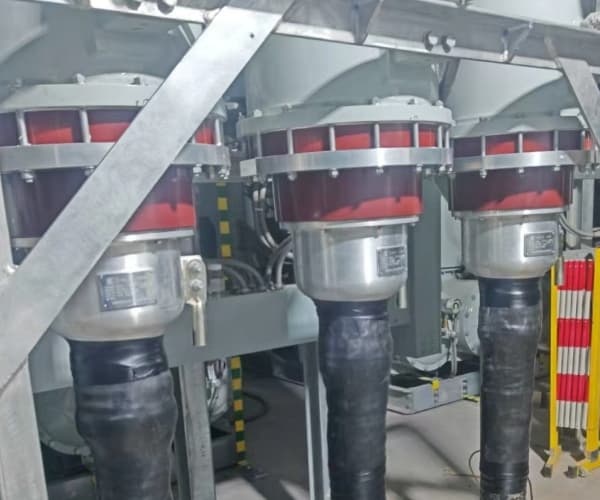
5. Installation Process of a 220kV Cable GIS Termination
Correct installation plays an important role in the performance of a 220kV GIS cable termination.
Because this product works in an extra-high-voltage system, qualified technicians should follow the manufacturer’s installation manual and approved project procedures.
O processo geral de instalação inclui as seguintes etapas.
Etapa 1: Prepare o cabo
Primeiro, technicians should check the cable length and installation position. They must also fix the cable securely before starting the work.
Próximo, they remove the outer jacket, bainha metálica, and other cable layers according to the installation dimensions.
Durante este processo, technicians must protect the XLPE insulation from scratches and other damage.
Etapa 2: Prepare the Insulation Surface
Depois de remover as camadas de cabos necessárias, technicians prepare the XLPE insulation surface.
The surface must remain clean, smooth, and free from dust or contamination. Any deep scratch or uneven area may affect the electric field distribution.
Portanto, technicians should use the correct tools and follow the manufacturer’s surface preparation instructions.
Etapa 3: Install the Stress Control Component
Próximo, technicians install the stress cone or integrated stress control unit.
They must place this component in the correct position because it controls the electric field around the insulation screen.
Incorrect positioning may increase electrical stress and reduce the service life of the termination.
Etapa 4: Conecte o condutor
After preparing the cable conductor, technicians connect it to the GIS contact connector.
They must clean the contact surfaces and follow the specified tightening torque or crimping procedure.
A good conductor connection reduces contact resistance and helps prevent overheating during operation.
Etapa 5: Conecte a interface GIS
Então, technicians connect the termination to the GIS bushing.
They should carefully check the alignment, profundidade de inserção, contact position, e componentes de vedação.
Além disso, the installation team must follow the GIS manufacturer’s requirements for the plug-in connection.
Etapa 6: Complete the Final Inspection
Finalmente, the installation team checks the complete assembly.
They should inspect the mechanical connection, sistema de aterramento, peças de vedação, and cable support structure.
Dependendo dos requisitos do projeto, the team may also carry out electrical tests before energizing the system.
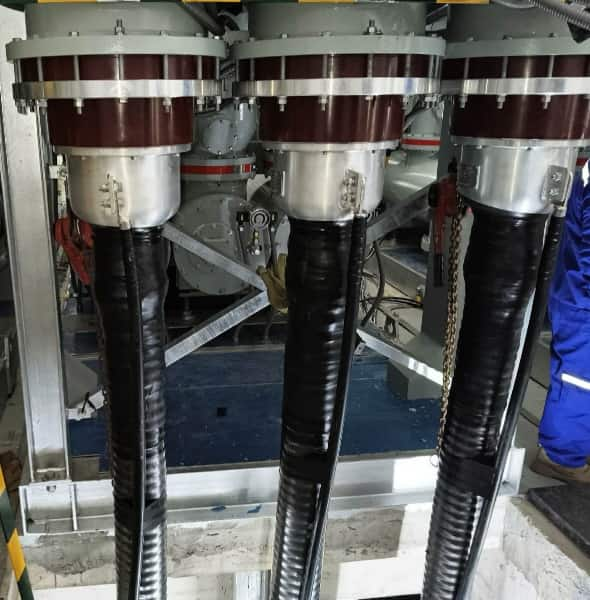
6. IEC Standards for 220kV Cable GIS Terminations
International standards help manufacturers and power utilities maintain product quality and electrical safety.
Several IEC standards are relevant to 220kV cable systems.
CEI 62067
CEI 62067 covers power cables with extruded insulation and their accessories for rated voltages above 150kV up to 500kV. Portanto, it is particularly important for 220kV XLPE cable systems.
CEI 62271-203
This standard covers gas-insulated metal-enclosed switchgear for rated voltages above 52kV. It provides important requirements for GIS equipment.
CEI 60270
CEI 60270 describes high-voltage test methods for partial discharge measurement. This test helps identify possible insulation defects.
CEI 60840
CEI 60840 covers extruded insulation power cables and their accessories for rated voltages above 30kV up to 150kV. Although it does not cover 220kV systems, it is relevant to lower-voltage cable projects.
For a 220kV Cable GIS Termination, engineers should pay special attention to IEC 62067 and the relevant GIS equipment requirements.
The project specification should also define the required type tests, routine tests, and acceptance tests.
7. Electrical Tests for 220kV GIS Cable Terminations
Electrical tests help confirm the insulation quality and operating performance of a 220kV cable termination.
The main tests may include the following:
Teste de Descarga Parcial
Partial discharge testing helps detect small electrical discharges inside the insulation system.
A low partial discharge level indicates good insulation quality. Portanto, this test plays an important role in high-voltage cable accessory qualification.
Power Frequency Voltage Test
This test checks whether the insulation system can withstand the required AC test voltage for a specified period.
It helps confirm the dielectric strength of the termination.
Teste de impulso relâmpago
Lightning impulse testing checks the ability of the insulation system to withstand short-duration high-voltage surges.
This test is important because lightning can create high transient voltages in power transmission networks.
Teste de impulso de comutação
For extra-high-voltage systems, switching impulse performance also plays an important role in insulation coordination.
The test checks the termination’s ability to withstand switching overvoltages under the specified test conditions.
Teste de Ciclismo Térmico
Thermal cycling tests help evaluate the performance of cable accessories under repeated heating and cooling.
During normal operation, the conductor temperature changes with the electrical load. Portanto, the termination must maintain stable electrical and mechanical performance during these temperature changes.
The exact test sequence and acceptance limits depend on the applicable IEC standard and project requirements.
8. Applications of 220kV Cable GIS Terminations
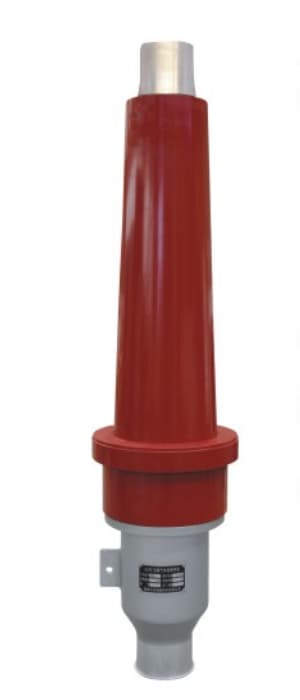
220kV GIS cable terminations support many types of high-voltage power projects.
220kV GIS Substations
Power utilities use GIS terminations to connect underground cables to GIS switchgear in high-voltage substations.
Transmissão Subterrânea Urbana
Large cities often use underground power cables to reduce the need for overhead transmission lines. GIS substations also help save valuable land.
Usinas Elétricas
Power plants use 220kV cable systems to connect transformers, comutador, e redes de transmissão.
Instalações Industriais
Large industrial plants need a stable electricity supply. A 220kV cable GIS termination helps connect their high-voltage cable circuits to GIS equipment.
Projetos de energia renovável
Wind farms and large solar power plants may use high-voltage underground cables to connect their substations to the main power grid.
In all these applications, the correct termination design helps maintain safe and reliable power transmission.
9. How to Choose a 220kV Cable GIS Termination
Selecting the correct 220kV Cable GIS Termination requires attention to both cable and GIS equipment specifications.
Antes de fazer um pedido, customers should confirm the following information:
| Parâmetro | Required Information |
|---|---|
| Tensão nominal | 127/220kV or project-specific rating |
| Material condutor | Cobre ou alumínio |
| Tamanho do condutor | Cross-sectional area in mm² |
| Isolamento de cabos | XLPE |
| Espessura do isolamento | De acordo com o design do cabo |
| Tela metálica | Fios de cobre, tape, or other structure |
| Diâmetro externo do cabo | Actual cable dimensions |
| Fabricante de SIG | Brand and equipment model |
| Interface SIG | Interface type and drawing |
| Installation position | Indoor GIS installation |
| Padrão aplicável | CEI 62067 e especificações do projeto |
Among these parameters, GIS interface compatibility is especially important.
Different GIS manufacturers may use different bushing designs and connection dimensions. Portanto, customers should provide the GIS interface drawings before ordering.
Além disso, the cable manufacturer and termination supplier should check all cable dimensions together. This step helps prevent installation problems and reduces project risks.
10. 220kV Cable GIS Termination Manufacturer – DOS Group
O Grupo DOS é um fabricante e fornecedor profissional de acessórios para cabos de alta tensão e produtos de transmissão de energia na China.
We provide cable termination and jointing solutions for high-voltage and extra-high-voltage power systems. Our product range covers 66kV, 110kV, 132kV, 145kV, 220kV, 245kV, and other project-specific voltage levels.
Our main products include:
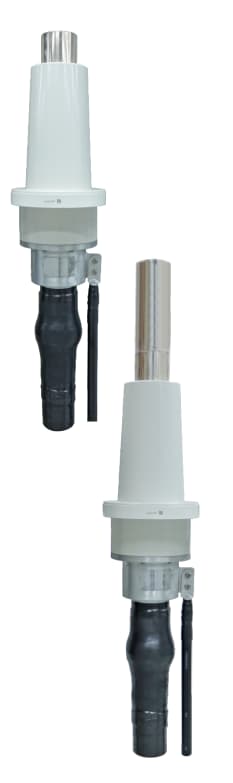
- 220kV Cable GIS Terminations
- 220kV Outdoor Cable Terminations
- High Voltage XLPE Cable Joints
- GIS Plug-in Cable Terminations
- Dry-Type Cable Terminations
- Underground Power Cable Accessories
DOS Group can develop suitable solutions according to cable specifications, GIS interface drawings, e requisitos do projeto.
We work with power utilities, Empreiteiros EPC, empresas de engenharia elétrica, and international project suppliers.
If you are looking for a reliable 220kV Cable GIS Termination manufacturer or supplier, contact DOS Group. Our team can provide technical specifications, product drawings, manuais de instalação, and competitive quotations for your project.