
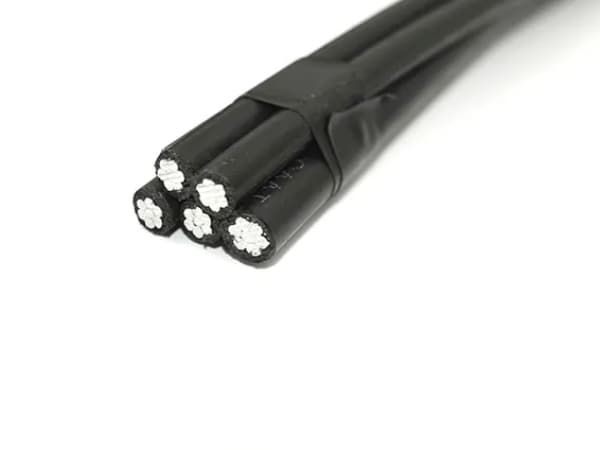
Entendimento 4 Cabo AWG
UM 4 Cabo AWG é um tamanho de condutor padrão definido pela American Wire Gauge (AWG) sistema. É amplamente utilizado em sistemas elétricos devido ao seu equilíbrio entre condutividade, resistência mecânica, e flexibilidade de instalação.
Parâmetros principais de 4 Cabo AWG:
- Área transversal: aproximadamente 21.1 mm²
- Diâmetro do condutor: sobre 5.2 milímetros
- Ampacidade típica: 85–95 A (dependendo do isolamento e das condições de instalação)
Este tamanho é comumente aplicado em sistemas de baixa e média tensão com diferentes projetos estruturais.
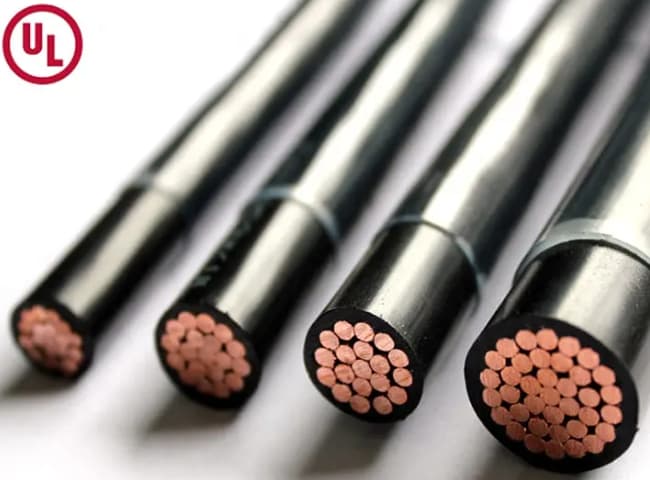
Materiais condutores para 4 Cabo AWG
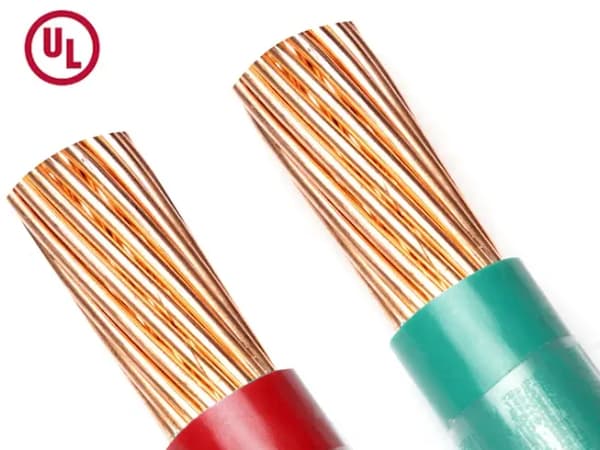
Condutor de cobre
- Alta condutividade elétrica
- Excelente flexibilidade
- Melhor desempenho em ambientes exigentes
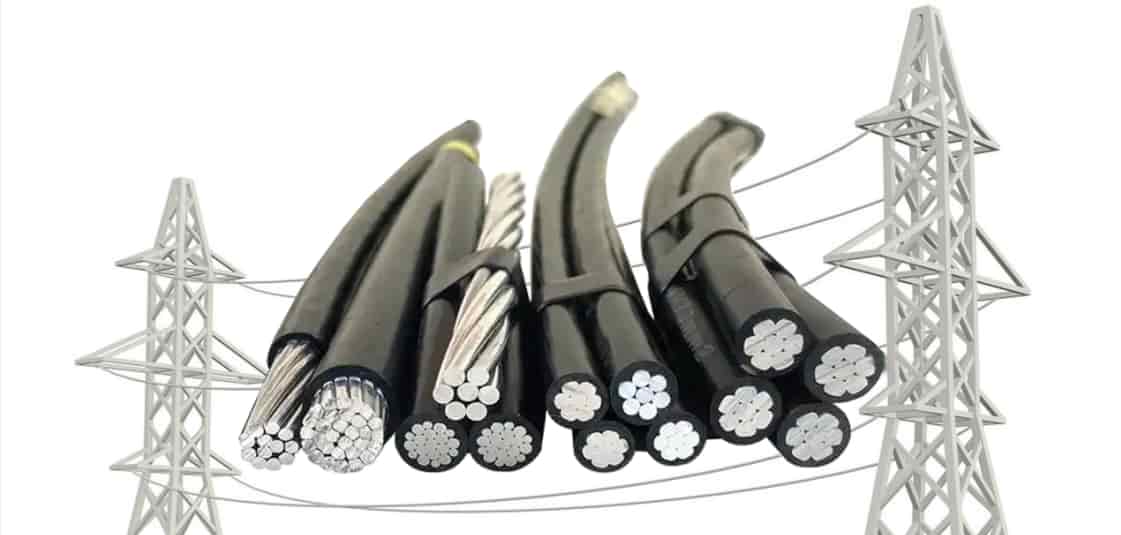
Condutor de Alumínio
- Leve
- Econômico
- Adequado para instalações de grande escala
Baixa Tensão 4 Estrutura do cabo AWG (0.6/1kV)
Baixa tensão 4 Cabo AWG é comumente usado em residências, comercial, e aplicações industriais.
Condutor
- Cobre ou alumínio
- Sólido ou encalhado
Isolamento
Materiais típicos:
- PVC
- XLPE
Funções:
- Isolamento elétrico
- Resistência ao calor
Preenchimento (para cabos multicondutores)
- Mantém a forma do cabo
- Melhora a estabilidade mecânica
Bainha Interna (Roupa de cama)
- Fornece suporte estrutural
- Protege as camadas internas
Blindagem (Opcional)
Armadura de fita de aço (STA)
- Adequado para proteção mecânica leve
Armadura de fio de aço (SWA)
- Adequado para uso subterrâneo pesado
Bainha Externa
- PVC ou PE
- Proteção contra umidade, abrasão, e produtos químicos
Média Tensão 4 Estrutura do cabo AWG (5kV/11kV/15kV/20kV/33kV/35kV)
Média tensão 4 Cabo AWG tem um design mais complexo para controlar o estresse elétrico e garantir a segurança.
Condutor
- Cobre trançado ou alumínio
- Construção compacta
Tela do condutor (Camada Semicondutora)
- Garante uma distribuição suave do campo elétrico
- Evita descarga parcial
Isolamento
Materiais:
- XLPE
- RPE
Características:
- Alta rigidez dielétrica
- Estabilidade térmica
Tela de isolamento
- Funciona com tela condutora
- Mantém campo elétrico uniforme
Tela Metálica
- Fita ou fios de cobre
Funções:
- Aterramento
- Caminho atual de falha
Camada de bloqueio de água (Opcional)
- Fita expansível em água
- Compostos de gel
Usado em:
- Ambientes subterrâneos ou submarinos
Bainha Interna
- Separa a tela metálica da armadura
Blindagem
Armadura de fio de aço (SWA)
- Fornece alta resistência mecânica
Armadura de fio de alumínio (AWA)
- Usado em ambientes específicos
Bainha Externa
- EDUCAÇAO FISICA, PEAD, ou PVC
- Resistente aos UV, umidade, e produtos químicos
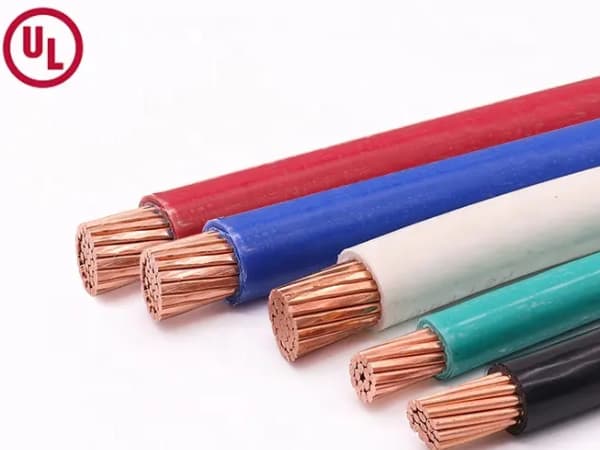
Diferenças elétricas entre BT e MT 4 Cabo AWG
Classificação de tensão
- Baixa tensão: 0.6/1kV
- Média tensão: 5kV–35kV
Sistema de Isolamento
- Lv: Isolamento básico (PVC/XLPE)
- MV: Isolamento avançado com camadas semicondutoras
Blindagem
- Lv: Não obrigatório
- MV: Obrigatório
Complexidade Estrutural
- Lv: Simples
- MV: Design de engenharia multicamadas
Aplicações de 4 Cabo AWG
Aplicações de baixa tensão
- Fiação predial
- Painéis de distribuição de energia
- Sistemas de energia solar
- Conexões de equipamentos
Aplicações de Média Tensão
- Redes de distribuição de energia
- Subestações
- Plantas industriais
- Sistemas de energia renovável
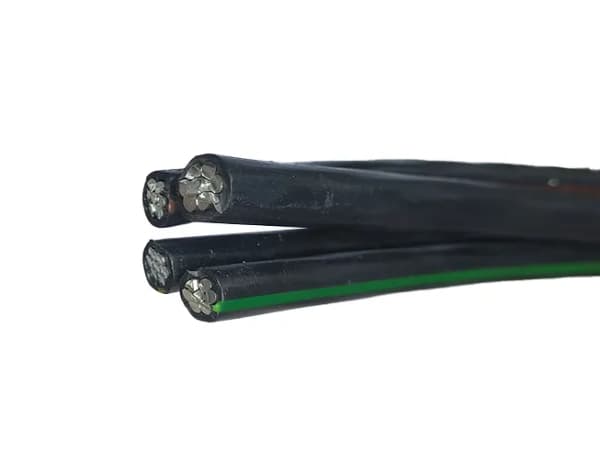
Considerações de seleção para 4 Cabo AWG
Requisitos elétricos
- Corrente de carga
- Nível de tensão
Condições de instalação
- Interior ou exterior
- Subterrâneo ou aéreo
Proteção Mecânica
- Necessidade de blindagem
- Exposição ambiental
Desempenho térmico
- Temperatura operacional
- Tipo de isolamento
DOIS CABOS – Fabricante e fornecedor
Dois cabos é um fabricante e fornecedor profissional especializado em soluções de cabos de baixa e média tensão, incluindo uma ampla gama de 4 Cabo AWG para diferentes aplicações industriais e energéticas.
A empresa oferece:
- Design personalizado de acordo com os requisitos do projeto
- Produção de acordo com as normas IEC, IEEE e padrões internacionais
- Opções completas em cabos de BT e MT com diferentes estruturas
- Rigoroso controle de qualidade e alto desempenho elétrico
Com experiência em projetos internacionais, Dois cabos fornece cabos confiáveis, durável e adaptado a ambientes exigentes, como instalações industriais, subterrâneo e subaquático.