
Em sistemas de energia elétrica modernos, selecionar o tipo de cabo correto é essencial para a segurança, eficiência, e confiabilidade a longo prazo. Entre os muitos cabos de energia utilizados na China e nos mercados internacionais, YJV, YJY, e cabos YJV22 são três dos tipos mais comuns. Embora esses cabos compartilhem algumas semelhanças estruturais, eles diferem em material da bainha externa, proteção mecânica, e ambiente de instalação.
Compreender essas diferenças ajuda os engenheiros, empreiteiros, e gerentes de compras selecionam o cabo certo para seus projetos. Este artigo explica o estrutura, características, formulários, e principais diferenças entre YJV, YJY, e cabos YJV22 em detalhes.
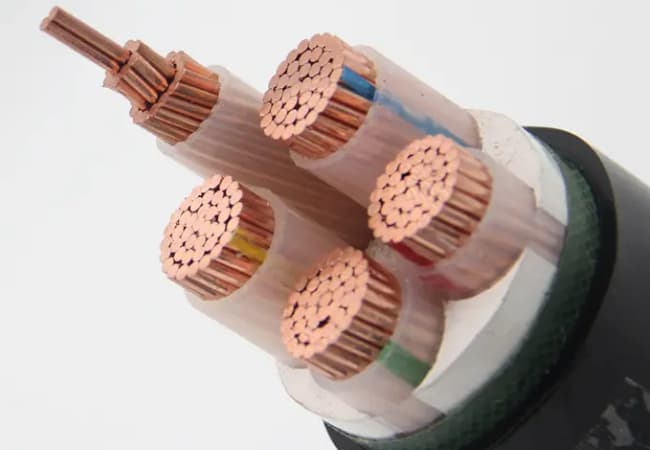
Visão geral do YJV, YJY, e cabo YJV22
Todos os três cabos pertencem ao Família de cabos de alimentação isolados em XLPE. Eles usam isolamento de polietileno reticulado, que proporciona excelente desempenho térmico e elétrico.
No entanto, o material da bainha externa e a proteção mecânica diferem.
| Tipo de cabo | Estrutura | Recurso principal |
|---|---|---|
| YJV | Cobre + Isolamento XLPE + Bainha de PVC | Cabo de alimentação interno padrão |
| YJY | Cobre + Isolamento XLPE + Bainha PE | Melhor resistência à umidade |
| YJV22 | Cobre + Isolamento XLPE + armadura de fita de aço + Bainha de PVC | Proteção mecânica forte |
A grande diferença reside em materiais de bainha externa e camadas de armadura.
Compreendendo os códigos dos modelos de cabos
Os modelos de cabos de alimentação chineses seguem um sistema de nomenclatura claro. Cada letra representa um material ou estrutura específica.
| Código | Significado |
|---|---|
| S | Isolamento XLPE |
| J. | Condutor de cobre |
| V | Bainha de PVC |
| S (segundo) | Bainha PE |
| 22 | Armadura de fita de aço |
Portanto:
- YJV = Isolamento XLPE + Bainha de PVC
- YJY = Isolamento XLPE + Bainha PE
- YJV22 = Isolamento XLPE + fita de aço blindada + Bainha de PVC
Esses cabos geralmente operam em tensões como 0.6/1kV, 6kV, 10kV, 20kV, ou 35kV.
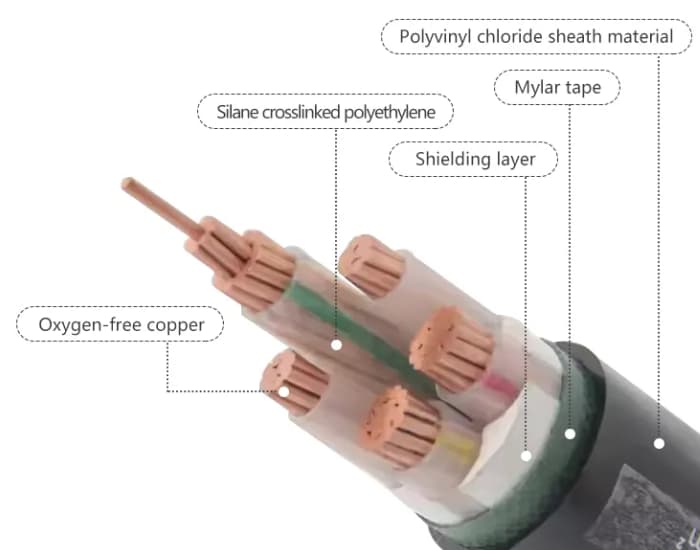
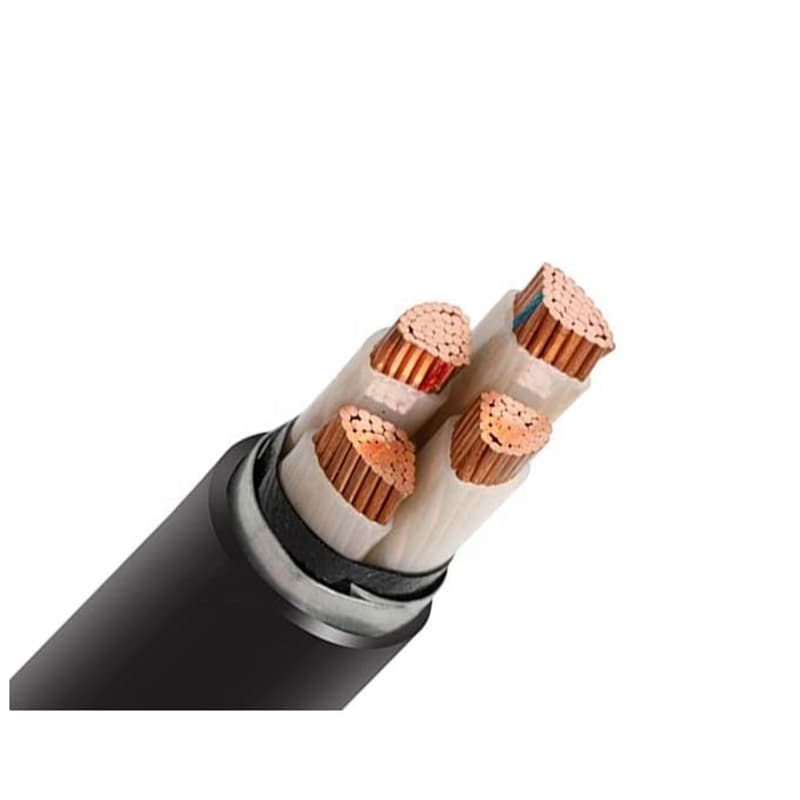
Estrutura do Cabo YJV
O cabo YJV é o mais comumente usado cabo de alimentação de baixa tensão em edifícios e sistemas industriais.
Estrutura típica
| Camada | Material | Função |
|---|---|---|
| Condutor | Cobre | Transmissão atual |
| Isolamento | XLPE | Isolamento elétrico |
| Preenchimento | PVC/PP | Manter o formato do cabo |
| Bainha externa | PVC | Proteção mecânica |
Devido à sua estrutura simples, O cabo YJV é leve, flexível, e fácil de instalar.
Características principais
- Temperatura operacional: 90°C
- Temperatura de curto-circuito: 250°C (5 segundos)
- Alta capacidade de carga de corrente
- Longa vida útil
Estas características tornam os cabos YJV amplamente utilizados em edifícios civis e redes de distribuição industrial.
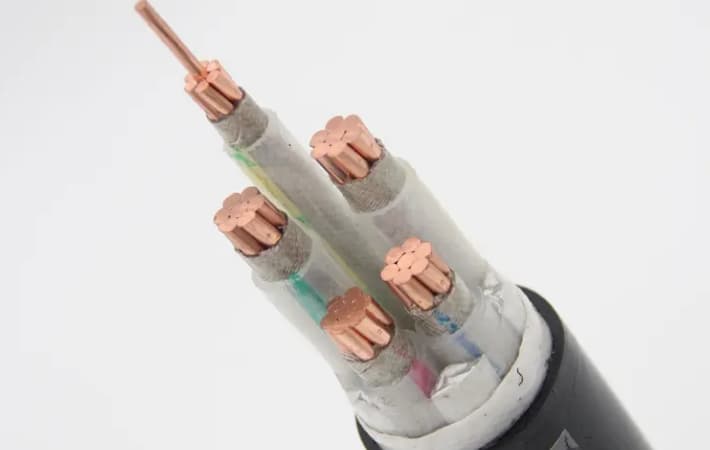
Estrutura do cabo YJY
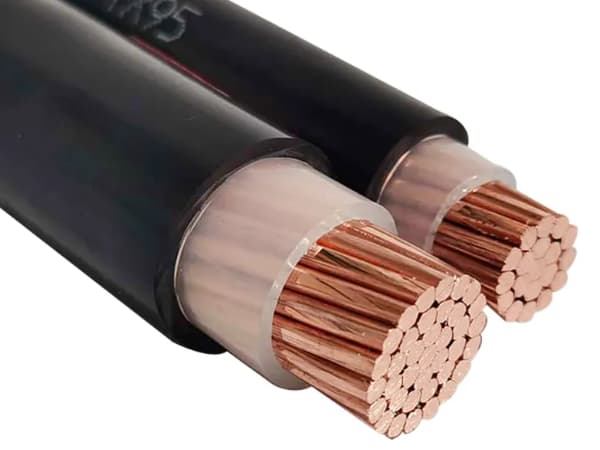
O cabo YJY é muito semelhante ao cabo YJV. A principal diferença é a material da bainha externa.
Em vez de PVC, YJY usa EDUCAÇAO FISICA (polietileno).
Estrutura típica
| Camada | Material |
|---|---|
| Condutor | Cobre |
| Isolamento | XLPE |
| Bainha externa | EDUCAÇAO FISICA |
Vantagens da bainha PE
Bainha PE oferece vários benefícios.
Primeiro, oferece melhor resistência à água.
Segundo, tem excelente resistência química.
Terceiro, fornece melhor Resistência UV.
Por causa dessas vantagens, Os cabos YJY têm melhor desempenho em ambientes externos.
No entanto, As bainhas de PE são geralmente mais duro e menos retardador de chama que o PVC, o que limita seu uso em instalações internas.
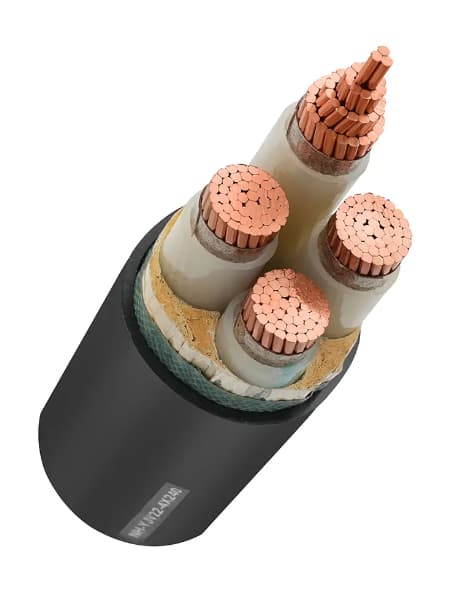
Estrutura do cabo YJV22
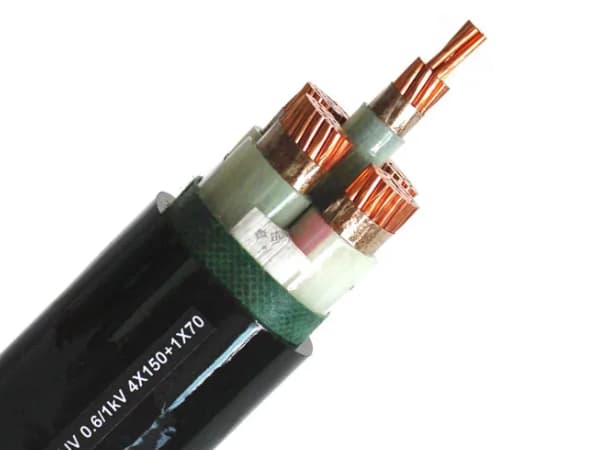
O cabo YJV22 pertence ao família de cabos de alimentação blindados. Inclui um adicional camada de armadura de fita de aço entre a bainha interna e externa.
Estrutura típica
| Camada | Material |
|---|---|
| Condutor | Cobre |
| Isolamento | XLPE |
| Bainha interna | PVC |
| Armadura | Fita de aço |
| Bainha externa | PVC |
A armadura de fita de aço melhora significativamente proteção mecânica e resistência à carga.
Portanto, Os cabos YJV22 podem suportar forças mecânicas externas, tornando-os adequados para instalação subterrânea.
Principais diferenças entre YJV, YJY, e YJV22
Embora esses cabos compartilhem o mesmo material de isolamento, deles estruturas e aplicações diferem significativamente.
1. Material da bainha externa
| Cabo | Bainha Externa |
|---|---|
| YJV | PVC |
| YJY | EDUCAÇAO FISICA |
| YJV22 | PVC |
As bainhas de PVC proporcionam boa flexibilidade e retardamento de chama.
As bainhas de PE oferecem melhor resistência ambiental.
2. Proteção Mecânica
Outra diferença importante é a resistência mecânica.
| Cabo | Armadura |
|---|---|
| YJV | Sem armadura |
| YJY | Sem armadura |
| YJV22 | Armadura de fita de aço |
Porque YJV22 inclui armadura de aço, ele pode resistir dano mecânico externo e pressão do solo.
3. Ambiente de instalação
Cada tipo de cabo é projetado para condições específicas de instalação.
| Tipo de cabo | Local de instalação |
|---|---|
| YJV | Interior, bandeja de cabos, túnel |
| YJY | Ambiente externo ou úmido |
| YJV22 | Enterro direto subterrâneo |
Por exemplo, Os cabos YJV são comumente instalados em bandejas de cabos ou conduítes, enquanto os cabos YJV22 podem ser enterrado diretamente no solo.
Faixa de tamanho do condutor
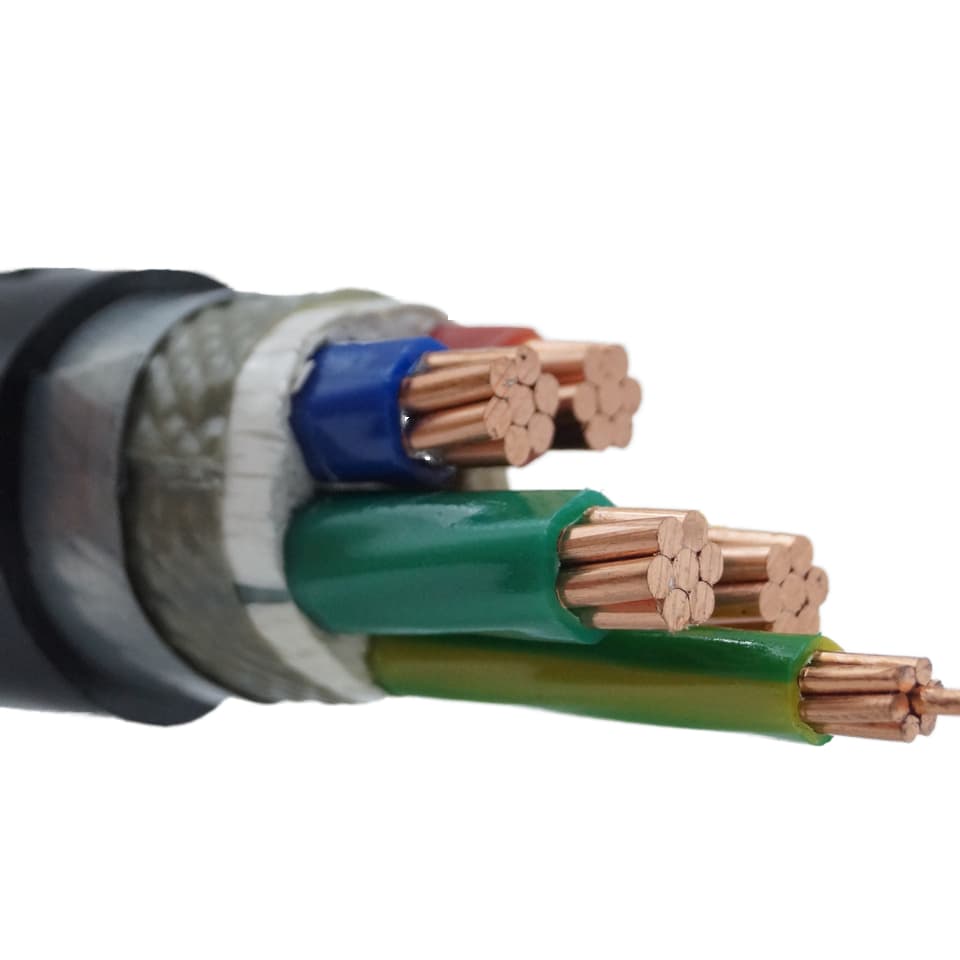
YJV, YJY, e cabos YJV22 estão disponíveis em vários tamanhos de condutores e configurações de núcleo.
As faixas típicas de seção transversal do condutor incluem:
| Número de núcleos | Faixa de tamanho do condutor |
|---|---|
| 1 essencial | 1.5 – 800 mm² |
| 2 essencial | 1.5 – 300 mm² |
| 3 essencial | 1.5 – 400 mm² |
| 3+1 essencial | 1.5 – 400 mm² |
| 4 essencial | 1.5 – 400 mm² |
| 4+1 essencial | 1.5 – 400 mm² |
| 5 essencial | 1.5 – 400 mm² |
Versões blindadas como YJV22 geralmente começam em 4 mm² ou tamanhos maiores.
Vantagens do cabo YJV
Os cabos YJV continuam sendo o tipo mais utilizado devido a diversas vantagens.
Alta capacidade atual
O isolamento XLPE permite temperaturas operacionais mais altas, o que aumenta a capacidade de suporte de corrente.
Bom desempenho elétrico
Baixa perda dielétrica melhora a eficiência.
Fácil instalação
Porque não tem armadura, o cabo é leve e flexível.
Econômico
Os cabos YJV são geralmente mais barato que cabos blindados.
Vantagens do cabo YJY
Os cabos YJY são especialmente úteis em instalações externas.
Melhor resistência às intempéries
As bainhas de PE resistem à radiação ultravioleta e à umidade.
Resistência Química Melhorada
O cabo pode operar em ambientes com produtos químicos ou substâncias corrosivas.
Maior vida útil ao ar livre
Porque o PE resiste melhor ao envelhecimento do que o PVC.
Vantagens do cabo YJV22
Os cabos YJV22 são projetados para ambientes agressivos.
Proteção Mecânica Forte
Armadura de fita de aço protege o cabo contra impactos externos.
Adequado para enterro direto
A armadura permite a instalação sem tubos de proteção adicionais.
Maior segurança
A proteção mecânica reduz o risco de danos ao cabo.
Aplicações Típicas
Diferentes tipos de cabos atendem a diferentes necessidades de engenharia.
Aplicações de cabos YJV
- Distribuição de energia em edifícios
- Sistemas elétricos industriais
- Bandejas de cabos e túneis
- Usinas de energia
Aplicações de cabo YJY
- Distribuição de energia externa
- Ambientes úmidos
- Áreas costeiras
- Plantas químicas
Aplicações de cabo YJV22
- Transmissão de energia subterrânea
- Instalações funerárias diretas
- Áreas industriais pesadas
- Trincheiras de cabos subterrâneos
Comparação de preços
A diferença de preço entre estes cabos depende principalmente materiais e estrutura.
| Tipo de cabo | Preço relativo |
|---|---|
| YJV | Mais baixo |
| YJY | Médio |
| YJV22 | Mais alto |
Os cabos YJV22 custam mais porque a armadura de aço aumenta materiais extras e etapas de fabricação.
Como escolher o cabo certo
A seleção do cabo correto depende de vários fatores.
Ambiente de instalação
Instalações internas geralmente usam Cabos YJV, enquanto as instalações subterrâneas exigem Cabos YJV22.
Proteção Mecânica
Se o cabo enfrentar danos mecânicos, cabos blindados são necessários.
Condições Ambientais
Ambientes externos geralmente favorecem Cabos YJY com bainha PE.
Orçamento
Os cabos YJV são geralmente a opção mais econômica.
Resumo
YJV, YJY, e cabos YJV22 são todos Cabos de alimentação isolados em XLPE, mas eles diferem significativamente na estrutura, nível de proteção, e cenários de aplicação.
As principais diferenças incluem:
- YJV: Isolamento XLPE + Bainha de PVC, amplamente utilizado dentro de casa.
- YJY: Isolamento XLPE + Bainha PE, melhor resistência ambiental.
- YJV22: Isolamento XLPE + armadura de fita de aço + Bainha de PVC, adequado para instalação subterrânea.
Na prática, engenheiros escolhem entre esses cabos com base em condições de instalação, requisitos de proteção mecânica, e orçamento do projeto.
Compreender essas diferenças garante segurança, confiável, e sistemas de distribuição de energia elétrica econômicos.