
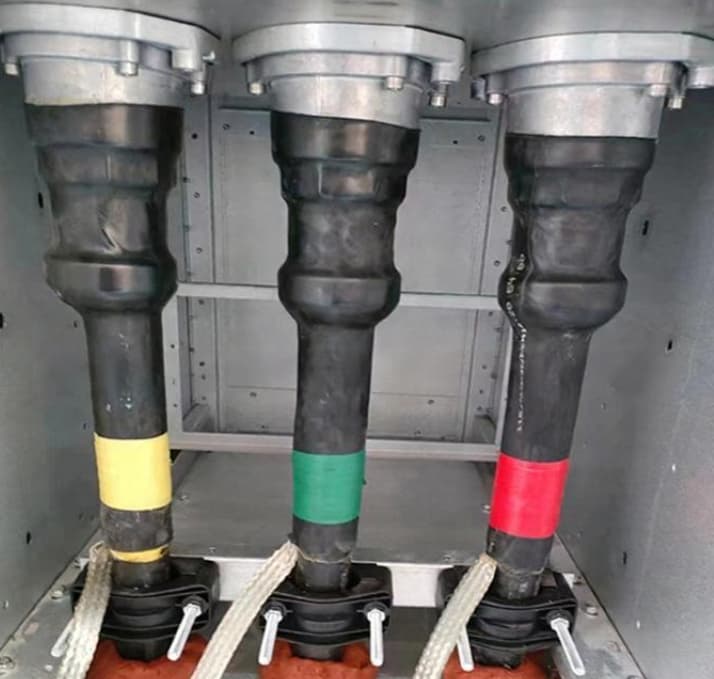
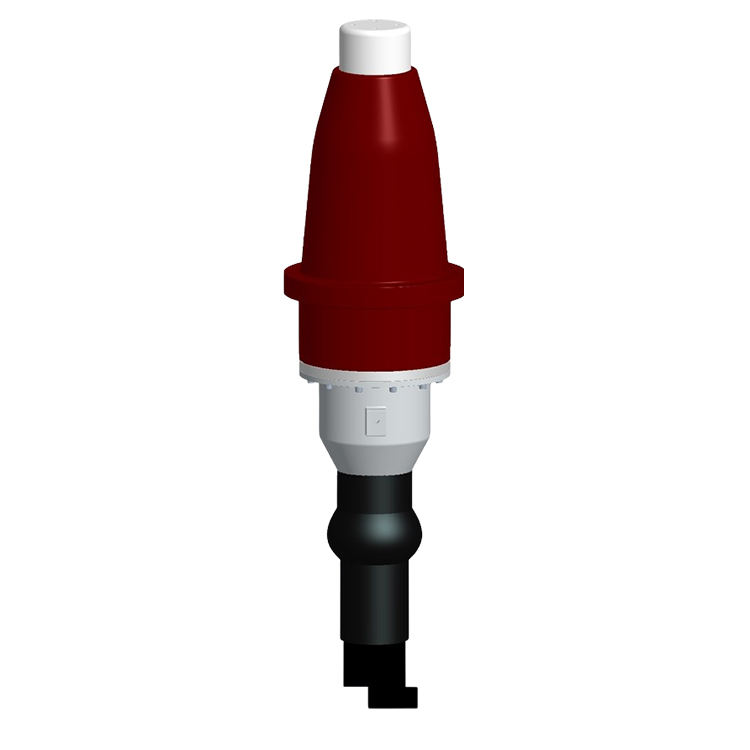
Um Fabricante de terminação plug-in de cone interno fornece acessórios de cabos especializados para conectar cabos de energia de alta tensão com GIS, transformadores, comutador, e outros equipamentos elétricos. A tecnologia utiliza uma interface plug-in compacta e um cone de tensão pré-moldado para controlar o campo elétrico ao redor do isolamento do cabo.
Comparado com terminações de cabos convencionais, o design do cone interno oferece uma estrutura de conexão compacta. Portanto, funciona particularmente bem em subestações onde o espaço de instalação permanece limitado. Além disso, muitos designs modernos usam tecnologia de isolamento seco, o que simplifica a instalação e reduz a necessidade de meios isolantes líquidos.
A tecnologia de plug-in de cone interno pode atender média tensão, alta tensão, e aplicações de extra-alta tensão. Dependendo do fabricante e do design do produto, as classes de tensão disponíveis podem variar em torno 10 kV para 500 kV.
O que é uma terminação de plug-in de cone interno?
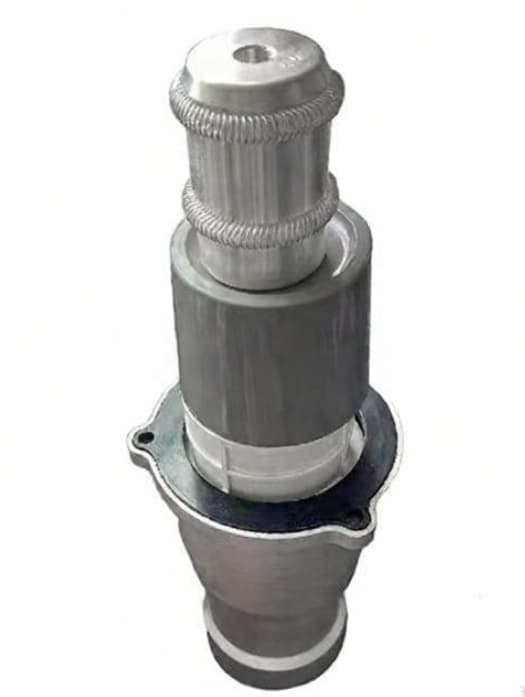
Um Terminação de plug-in de cone interno conecta um cabo de alimentação a um aparelho elétrico através de uma bucha cônica interna. O sistema normalmente inclui um cone de tensão, contato condutivo, interface de isolamento, componentes de vedação, e componentes de pressão mecânica.
O cone de tensão desempenha um papel crítico no controle do campo elétrico. Distribui o estresse elétrico ao redor do isolamento do cabo e reduz a concentração do campo elétrico na extremidade da blindagem semicondutora.
Durante a instalação, a terminação do cabo entra na bucha correspondente. A interface então cria uma conexão elétrica controlada entre o cabo e o equipamento.
Como resultado, a tecnologia de cone interno pode fornecer uma solução compacta para:
- Aparelhagem GIS
- Aparelhagem C-GIS
- Transformadores de potência
- Subestações isoladas a gás
- Aparelhagem de alta tensão
- Subestações de energia renovável
- Sistemas de energia eólica offshore
- Sistemas de transmissão subterrânea
- Sistemas de energia ferroviária
A interface da bucha deve corresponder precisamente à terminação. Consequentemente, os engenheiros devem confirmar as dimensões da interface antes de selecionar um Fabricante de terminação plug-in de cone interno.
Níveis de tensão de terminação do plug-in do cone interno
A classificação de tensão representa um dos critérios de seleção mais importantes. No entanto, os clientes devem distinguir entre a tensão nominal do cabo e a tensão máxima do equipamento.
A lista a seguir cobre níveis de tensão comuns ou potencialmente aplicáveis de 10 kV para 500 kV.
| Nominal / Tensão do equipamento | Aplicação Típica |
|---|---|
| 10 kV | Distribuição de média tensão |
| 11 kV | Redes de distribuição |
| 12 kV | Sistemas de média tensão |
| 15 kV | Sistemas de MT da América do Norte |
| 17.5 kV | Classe de equipamento MT |
| 20 kV | Redes de distribuição |
| 22 kV | Distribuição de média tensão |
| 24 kV | Aparelhagem de MT |
| 26 kV | Sistemas de cabos especiais |
| 27.5 kV | Tração ferroviária |
| 30 kV | Sistemas de média tensão |
| 33 kV | Distribuição e energia renovável |
| 35 kV | Redes de média tensão |
| 36 kV | Classe de equipamento MT |
| 38 kV | Sistemas utilitários selecionados |
| 40.5 kV | Classe de comutadores de MT |
| 42 kV | Aplicações especiais de MT |
| 45 kV | Aplicações especiais de alta tensão |
| 52 kV | Aplicações de alta tensão em MT |
| 66 kV | Distribuição de alta tensão |
| 69 kV | Transmissão norte-americana |
| 72.5 kV | Classe de equipamento de alta tensão IEC |
| 90 kV | Sistemas de alta tensão |
| 110 kV | Sistemas de transmissão |
| 115 kV | Transmissão norte-americana |
| 126 kV | Classe de equipamento IEC |
| 132 kV | Sistemas de transmissão |
| 138 kV | Transmissão norte-americana |
| 145 kV | Classe de equipamento IEC |
| 150 kV | Redes de transmissão selecionadas |
| 170 kV | Classe de equipamento IEC |
| 220 kV | Sistemas de transmissão |
| 230 kV | Transmissão norte-americana |
| 245 kV | Classe de equipamento IEC |
| 275 kV | Transmissão de alta tensão |
| 300 kV | Aplicações especiais de transmissão |
| 330 kV | Transmissão de alta tensão |
| 345 kV | Transmissão norte-americana |
| 362 kV | Classe de equipamento IEC |
| 400 kV | Transmissão de extra-alta tensão |
| 420 kV | Classe de equipamento IEC |
| 500 kV | Transmissão de extra-alta tensão |
Esta tabela inclui tensões nominais comumente usadas e classes de equipamentos. No entanto, nem todo nível de tensão representa um produto de cone interno padrão.
Por exemplo, alguns fabricantes oferecem sistemas de cone interno até 52 kV, enquanto outras famílias de produtos cobrem classes de tensão mais altas, como 72.5 kV, 145 kV, 245 kV, ou além. Portanto, os engenheiros devem avaliar cada projeto de acordo com a interface real do cabo e da bucha.
10Terminação plug-in de cone interno de kV a 52kV
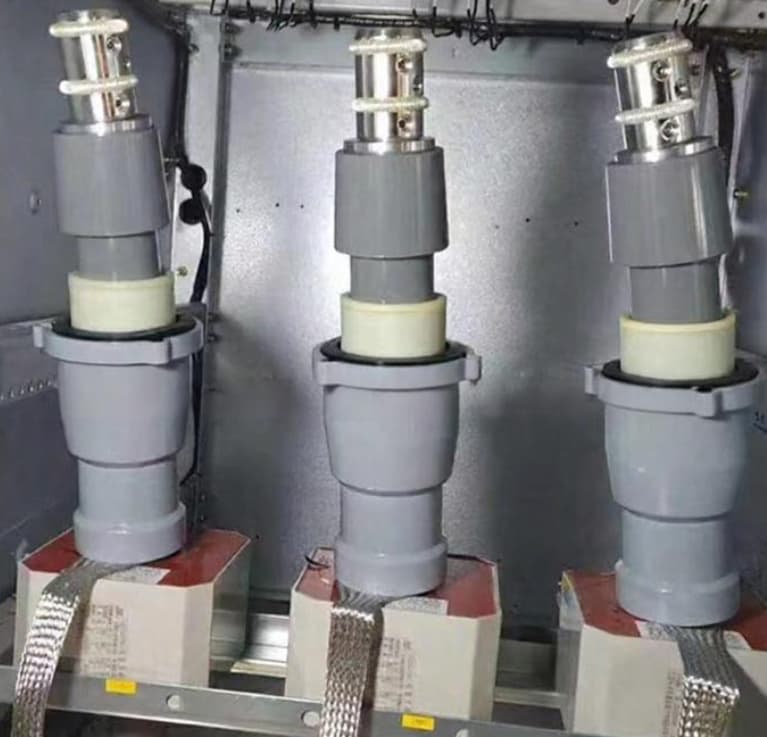
O 10 kV para 52 A faixa kV representa uma importante área de aplicação para acessórios de cabos plug-in.
As classificações de tensão de cabo comuns incluem:
- 6/10 kV
- 8.7/15 kV
- 12/20 kV
- 18/30 kV
- 19/33 kV
- 26/35 kV
Nestes níveis de tensão, os fabricantes geralmente usam cones de tensão de borracha de silicone pré-moldados. O silicone fornece bom isolamento elétrico e mantém a pressão de interface adequada em uma ampla faixa de temperatura operacional.
Além disso, a estrutura compacta de plug-in permite que os engenheiros instalem conexões de cabos dentro de painéis ou compartimentos de transformadores com espaço limitado.
Para 10 kV, 20 kV, 24 kV, 30 kV, 33 kV, e 35 sistemas kV, o fabricante normalmente seleciona a terminação de acordo com o diâmetro do isolamento do cabo e a seção transversal do condutor.
Portanto, os clientes devem fornecer dimensões completas do cabo em vez de apenas a classificação de tensão.
66Terminação plug-in de cone interno kV a 145 kV
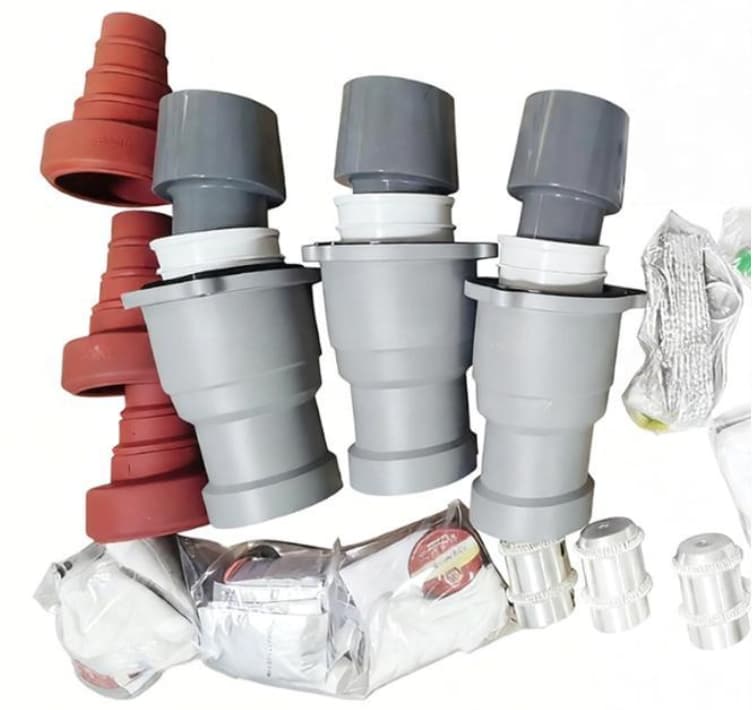
O 66 kV para 145 Gama kV entra no mercado de acessórios para cabos de alta tensão.
Os níveis de tensão típicos incluem 66 kV, 69 kV, 72.5 kV, 90 kV, 110 kV, 115 kV, 126 kV, 132 kV, 138 kV, e 145 kV.
Nestes níveis de tensão, o controle do campo elétrico torna-se cada vez mais importante. O fabricante deve coordenar cuidadosamente a geometria do cone de tensão com o isolamento XLPE, tela de semicondutor, e interface de bucha.
Por exemplo, a 110 kV ou 132 A terminação do cabo kV não pode simplesmente usar a mesma estrutura de um 20 Terminação em kV. Tensão operacional mais alta requer maior capacidade de isolamento e classificação de campo mais precisa.
Além disso, a terminação deve corresponder ao GIS ou à bucha do transformador mecânica e eletricamente.
CEI 62271-209 fornece requisitos importantes para conexões de cabos entre comutadores de alta tensão e cabos. Consequentemente, os clientes devem verificar o padrão de interface aplicável antes de fazer um pedido.
170Terminação plug-in de cone interno kV a 245 kV
O 170 kV para 245 A faixa kV cobre as principais aplicações de transmissão.
Classes de tensão comuns incluem:
- 170 kV
- 220 kV
- 230 kV
- 245 kV
Entre esses valores, 245 kV representa uma importante classe de tensão de equipamento IEC.
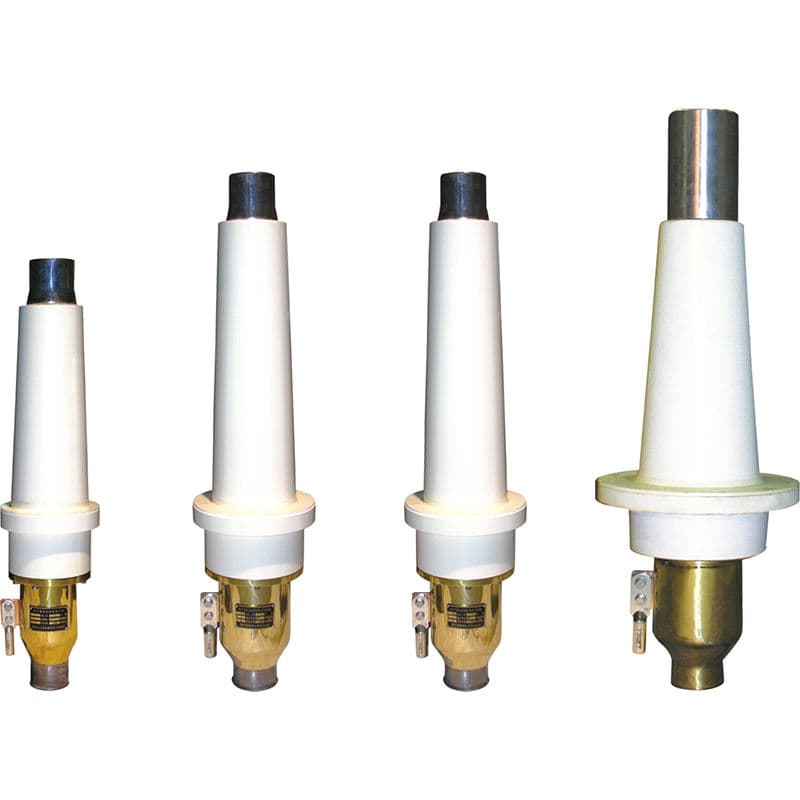
Uma terminação cônica interna de alta tensão requer controle cuidadoso da pressão da interface. O cone de tensão também deve manter um desempenho elétrico estável durante toda a vida útil do sistema de cabos..
Além disso, o fabricante deve avaliar o desempenho da descarga parcial, Tensão suportável CA, tensão suportável ao impulso relâmpago, e características térmicas.
Por um 220 kV ou 230 projeto kV, o cliente deve, portanto, fornecer a construção do cabo, tamanho do condutor, espessura do isolamento, diâmetro de isolamento, e informações de buchas GIS.
Esta informação permite Fabricante de terminação plug-in de cone interno para selecionar a interface correta e as dimensões de terminação.
275Terminação plug-in de cone interno de kV a 500kV
Aplicações acima 245 kV pertencem ao campo de transmissão de extra-alta tensão.
Os níveis potenciais de tensão do projeto incluem 275 kV, 300 kV, 330 kV, 345 kV, 362 kV, 400 kV, 420 kV, e 500 kV.
Nestes níveis de tensão, o design da terminação torna-se consideravelmente mais exigente. Os engenheiros devem considerar o sistema elétrico e mecânico completo, e não apenas a terminação.
Parâmetros de projeto importantes incluem:
- Diâmetro do condutor do cabo
- Seção transversal do condutor
- Espessura de isolamento XLPE
- Diâmetro de isolamento do cabo
- Tela semicondutora
- Geometria do cone de tensão
- Distribuição de campo elétrico
- Pressão de interface
- Desempenho de descarga parcial
- Tensão suportável CA
- Tensão suportável de impulso relâmpago
- Tensão suportável de impulso de comutação
- Desempenho de curto-circuito
- Desempenho térmico
- Dimensões da interface mecânica
UM 500 O sistema de cabos kV requer uma engenharia particularmente cuidadosa. A terminação deve funcionar em conjunto com o cabo, GIS ou bucha do transformador, sistema de aterramento, e ambiente de instalação.
Portanto, a 500 A terminação plug-in do cone interno de kV normalmente deve envolver engenharia e testes específicos do projeto. Os clientes não devem selecionar o produto apenas combinando a tensão nominal.
Por que escolher uma terminação plug-in de cone interno?
O design compacto oferece uma das principais vantagens da tecnologia de cone interno.
Primeiro, a conexão plug-in pode economizar espaço de instalação. Este recurso torna-se valioso em subestações GIS e instalações de transformadores compactos.
Segundo, muitos projetos usam isolamento do tipo seco. Portanto, o processo de instalação não requer sistemas de conexão de cabos cheios de óleo.
Terceiro, o cone de tensão pré-moldado fornece distribuição controlada do campo elétrico. Este design ajuda a manter um desempenho de isolamento confiável ao redor da área de terminação do cabo.
Além disso, uma conexão plug-in pode simplificar a conexão do equipamento e a manutenção futura quando o projeto do equipamento permitir a remoção da terminação do cabo.
No entanto, a equipe de instalação deve seguir cuidadosamente as instruções do fabricante. Preparação de cabos, remoção de semicondutores, posicionamento do cone de tensão, instalação de contato, e a limpeza da interface afetam o desempenho final.
Como selecionar um fabricante de terminação plug-in de cone interno
Os clientes devem considerar vários fatores técnicos ao selecionar um Fabricante de terminação plug-in de cone interno.
1. Tensão nominal
Confirme a tensão nominal do cabo e a tensão máxima do equipamento. Esses dois valores nem sempre têm o mesmo valor numérico.
2. Tamanho do condutor do cabo
A seção transversal do condutor afeta diretamente o contato de terminação e o projeto mecânico.
Os tamanhos típicos de condutores podem variar de pequenos condutores de média tensão a grandes condutores de cabos de transmissão.
3. Diâmetro de isolamento do cabo
O diâmetro do isolamento representa um dos parâmetros dimensionais mais importantes. Uma terminação projetada para um diâmetro de cabo pode não caber em outro cabo com a mesma tensão nominal.
4. Interface de bucha
A terminação do cone interno deve corresponder ao GIS correspondente ou à bucha do transformador.
Portanto, os clientes devem fornecer o tipo de bucha, dimensões da interface, e desenhos técnicos relevantes sempre que possível.
5. Requisitos de teste
Um fabricante qualificado deve fornecer documentação de teste relevante. Dependendo da classe de tensão, o projeto pode exigir testes de descarga parcial, Teste de resistência AC, teste de impulso, testes térmicos, e outras verificações.
6. Suporte de instalação
Um fabricante confiável também deve fornecer instruções de instalação e suporte técnico.
Para grandes projetos de transmissão, o treinamento de instalação pode reduzir ainda mais o risco de preparação incorreta de cabos.
Fabricante de terminação plug-in de cone interno para mercados globais
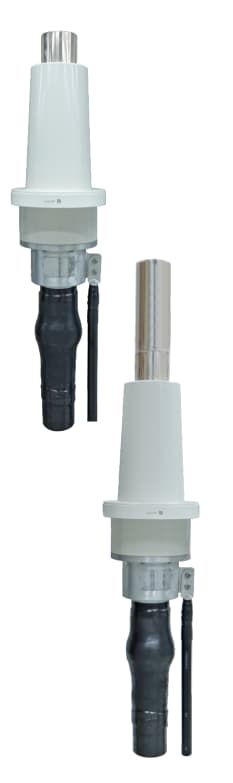
Diferentes países usam diferentes sistemas de tensão de transmissão e distribuição. Portanto, um fabricante internacional precisa entender vários padrões de tensão.
Para aplicações de média tensão, os clientes podem solicitar 10 kV, 11 kV, 12 kV, 15 kV, 20 kV, 22 kV, 24 kV, 30 kV, 33 kV, 35 kV, ou 36 sistemas kV.
Projetos norte-americanos podem usar 15 kV, 25 kV, 35 kV, 69 kV, 115 kV, 138 kV, 230 kV, ou 345 sistemas kV.
Enquanto isso, Redes de transmissão baseadas em IEC geralmente usam classes de equipamentos como 72.5 kV, 145 kV, 170 kV, 245 kV, 362 kV, e 420 kV.
Projetos de tensão extra-alta podem exigir 400 kV, 500 kV, ou outros níveis de tensão específicos do projeto.
Como resultado, um experiente Fabricante de terminação plug-in de cone interno deve avaliar a especificação completa do projeto antes de recomendar um produto.
Cabo Dosense como fabricante de terminação plug-in de cone interno
Dosense Cable concentra-se em sistemas de cabos de alimentação e acessórios de cabos para média tensão, alta tensão, e aplicações de extra-alta tensão.
Como um Fabricante de terminação plug-in de cone interno, A Dosense Cable pode desenvolver soluções de terminação de cabos de acordo com o nível de tensão, tamanho do condutor, diâmetro de isolamento, construção de cabos, Interface SIG, interface do transformador, e requisitos do projeto.
Para um novo projeto, os clientes podem fornecer as seguintes informações:
- Tensão do cabo
- Material condutor
- Seção transversal do condutor
- Tipo de isolamento de cabo
- Diâmetro de isolamento
- Espessura do isolamento
- Estrutura da tela do cabo
- GIS ou tipo de bucha de transformador
- Corrente nominal
- Ambiente de instalação
- Padrões de teste exigidos
Com esses parâmetros, o fabricante pode determinar o design apropriado do cone interno e fornecer uma proposta técnica.
Um Terminação de plug-in de cone interno oferece uma conexão compacta e confiável entre cabos de alta tensão e equipamentos elétricos. De 10 sistemas de média tensão kV para 500 Projetos de transmissão de extra-alta tensão kV, diferentes classes de tensão requerem diferentes sistemas de isolamento, interfaces, estruturas de controle de estresse, e procedimentos de teste.
Por esta razão, selecionando o certo Fabricante de terminação plug-in de cone interno requer mais do que verificar a classificação de tensão. Dimensões do cabo, interfaces de bucha, requisitos elétricos, condições mecânicas, e os padrões aplicáveis devem ser considerados cuidadosamente.
A Dosense Cable pode trabalhar com os clientes para desenvolver soluções de terminação de cabos adequadas para níveis de tensão e interfaces de equipamentos específicos.