
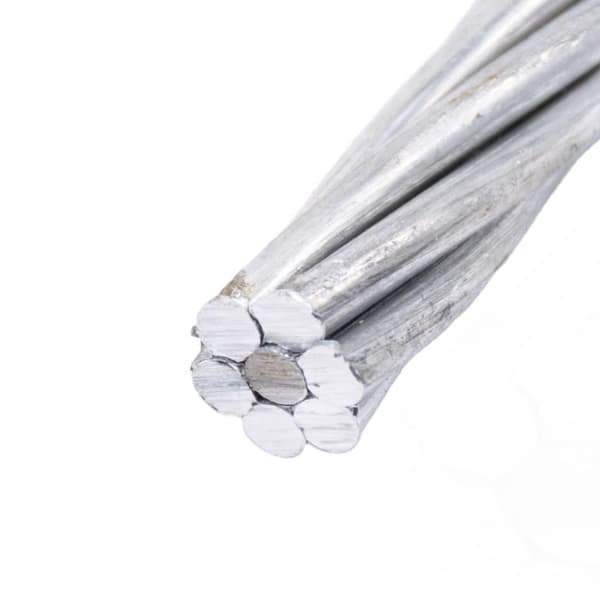
Dacă lucrați în inginerie electrică, construcție, energie regenerabilă, sau sisteme auto, probabil că ați întâlnit termenul 1/0 Cablu AWG. Este unul dintre cei mai frecvent folosiți conductori de grosime mare pentru aplicații cu curent ridicat, cu toate acestea, mulți oameni sunt încă neclari despre ce înseamnă de fapt, cum se comporta, și unde ar trebui folosit.
We will break down everything you need to know about 1/0 Cablu AWG, including its definition, caietul de sarcini, ampacitatea, aplicatii, avantaje, and how to choose the right type for your project. Whether you are a beginner or a professional buyer, acest articol vă va ajuta să luați decizii informate.
1. What Does 1/0 AWG Mean?
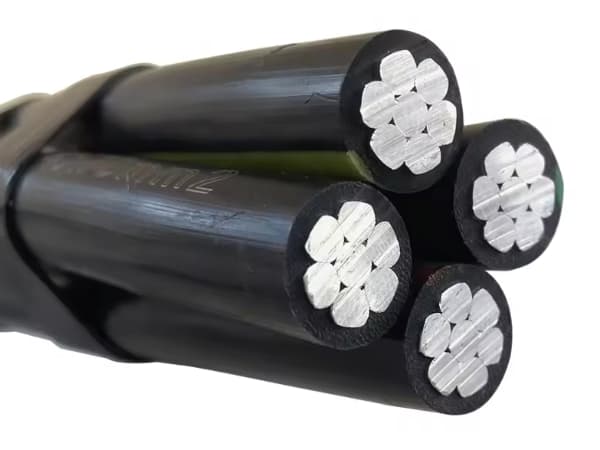
AWG stands for American Wire Gauge, a standardized system used primarily in North America to measure the diameter of electrical conductors.
The notation 1/0 AWG is also written as:
- 1/0 AWG
- 0 AWG (commonly confused but different size)
- “One aught” wire
The term “aught” (0) is used in wire sizing to represent larger wires beyond AWG 1.
Understanding the Size Relationship
The AWG system works inversely:
- The smaller the number, cel thicker the wire
- After AWG 1, the system goes: 1, 0 (1/0), 00 (2/0), 000 (3/0), 0000 (4/0)
Aşa 1/0 AWG is larger than AWG 1, but smaller than 2/0 AWG.
Diameter of 1/0 Cablu AWG
- Diametru: aproximativ 8.25 mm
- Zona de secțiune transversală: 53.5 mm²
- Circular mils: 105,600 cmil
This large cross-sectional area allows it to carry significant electrical current safely.
2. Construction of 1/0 Cablu AWG
A 1/0 AWG cable is not just about size—it also depends on its internal structure and materials.
2.1 Material conductor
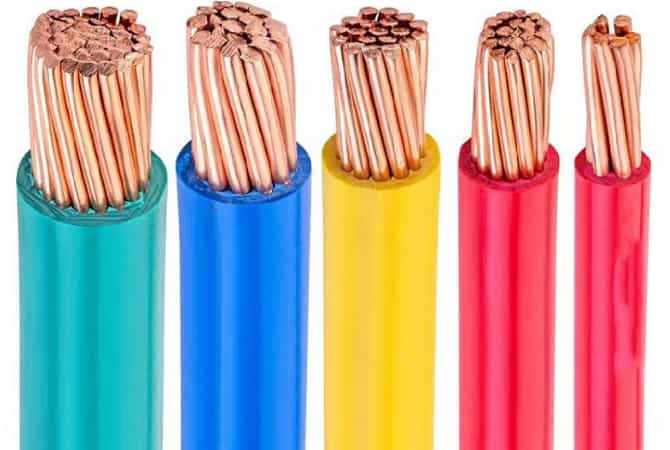
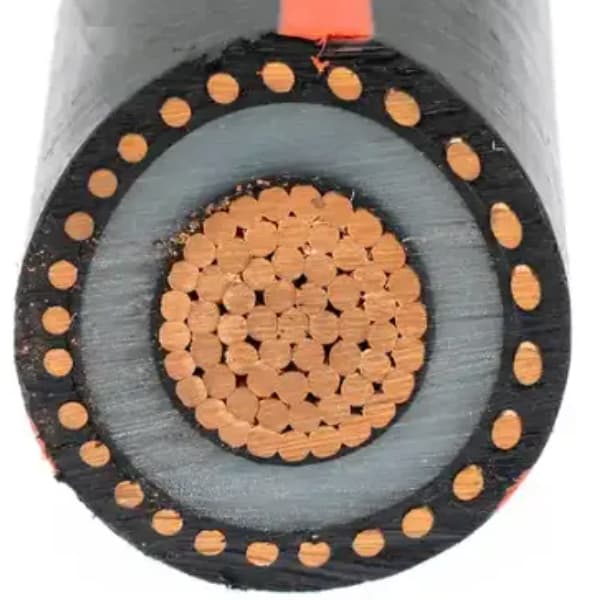
Cele mai multe 1/0 AWG cables are made of:
- Cupru (most common)
- Excellent conductivity
- High flexibility (when stranded)
- Higher cost
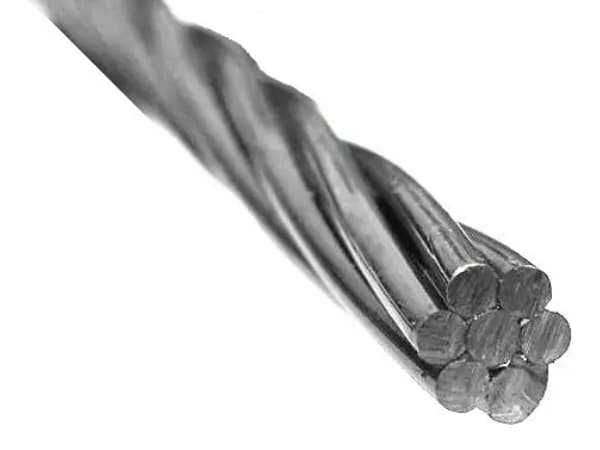
- Aluminiu
- Greutate mai ușoară
- Cost mai mic
- Slightly lower conductivity (~61% of copper)
2.2 Stranding Type
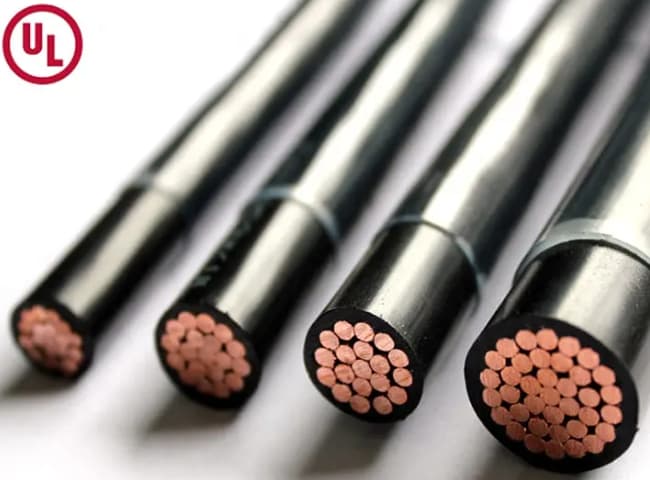
Because of its thickness, 1/0 AWG cable is usually stranded rather than solid.
Common stranding types:
- Fine strand (more flexible)
- Medium strand (general use)
- Coarse strand (industrial power distribution)
Stranded construction improves:
- Flexibilitate
- Vibration resistance
- Ease of installation
2.3 Materiale de izolare
Depending on application, insulation can include:
- PVC (Clorura de polivinil)
- XLPE (Polietilenă reticulata)
- Rubber (EPDM, EPR)
- TPE (Thermoplastic elastomer)
Each insulation type provides different benefits:
- Rezistenta la caldura
- Rezistenta UV
- Chemical resistance
- Durabilitate mecanică
3. Electrical Characteristics of 1/0 Cablu AWG
Understanding electrical performance is crucial when selecting cable sizes.
3.1 Ampacitate (Capacitate de transport curent)
The ampacity of 1/0 AWG depends on insulation and installation conditions.
Typical values:
| Material | Ampacitate (approx.) |
|---|---|
| Cupru (THHN insulation) | 150–170 amps |
| Cupru (industrial use) | până la 195 amperi |
| Aluminiu | 120–150 amps |
Nota: Ampacity decreases when cables are bundled or installed in high-temperature environments.
3.2 Rezistenţă
Lower resistance means better efficiency.
- Cupru 1/0 AWG resistance: ~0.1 ohms per 1000 ft
- Aluminiu 1/0 AWG resistance: higher than copper
Lower resistance reduces:
- Voltage drop
- Heat generation
- Pierderi de energie
3.3 Voltage Drop Considerations
For long cable runs, voltage drop becomes important.
1/0 AWG is commonly used because it maintains acceptable voltage levels in:
- Sisteme solare
- Banci de baterii
- Echipamente industriale
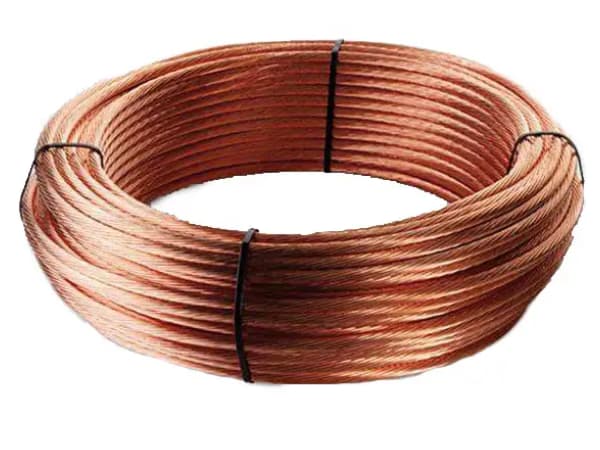
4. Ce este 1/0 AWG Cable Used For?
1/0 AWG cable is used in high-power applications where smaller wires would fail or overheat.
4.1 Automotive and Marine Applications
- Car audio systems (high-power amplifiers)
- Electric vehicles
- Boat battery connections
- Starter cables
Why it is used:
- High current demand
- Vibration resistance required
- Compact but powerful energy transfer
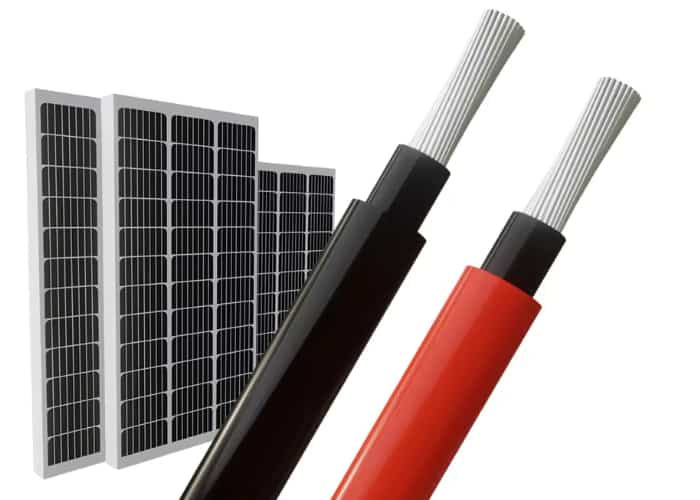
4.2 Solar Power Systems
In solar installations, 1/0 AWG cable is widely used for:
- Battery interconnections
- Conexiuni invertoare
- Charge controller wiring
Beneficii:
- Handles high DC current
- Reduces power loss
- Improves system efficiency
4.3 Distribuția de energie industrială
Used in factories and commercial buildings for:
- Motor feeders
- Control panels
- Backup generators
Avantaje:
- Capacitate mare de încărcare
- Durată lungă de viață
- Reliable under continuous operation
4.4 Welding Equipment
Welding machines require extremely high current. 1/0 AWG cable is commonly used for:
- Welding leads
- Ground cables
It ensures:
- Stable arc performance
- Reduced heat buildup
- Improved safety
4.5 Renewable Energy Storage Systems
In battery energy storage systems (BESS), 1/0 AWG is used to connect:
- Lithium battery packs
- Inverters
- DC bus systems
5. Advantages of 1/0 Cablu AWG
5.1 Capacitate mare de curent
Its most important feature is handling large electrical loads safely.
5.2 Reduced Energy Loss
Thicker conductor = lower resistance = higher efficiency.
5.3 Durabilitate
Stranded construction and strong insulation provide long service life.
5.4 Flexibilitate
Despite its size, stranded copper allows easier bending and routing.
5.5 Versatility
Potrivit pentru:
- DC systems
- AC systems
- Indoor and outdoor installations
6. Copper vs Aluminum 1/0 Cablu AWG
Choosing between copper and aluminum is a critical decision.
| Caracteristică | Cupru | Aluminiu |
|---|---|---|
| Conductivitate | Ridicat | Mediu |
| Greutate | Heavy | Light |
| Cost | Expensive | Cheaper |
| Flexibilitate | Excellent | Moderat |
| Rezistenta la coroziune | Mai bine | Requires protection |
Which One Should You Choose?
- Alege copper if you need efficiency, durabilitate, and high performance
- Alege aluminum if cost and weight are major concerns
7. Insulation Types and Their Importance
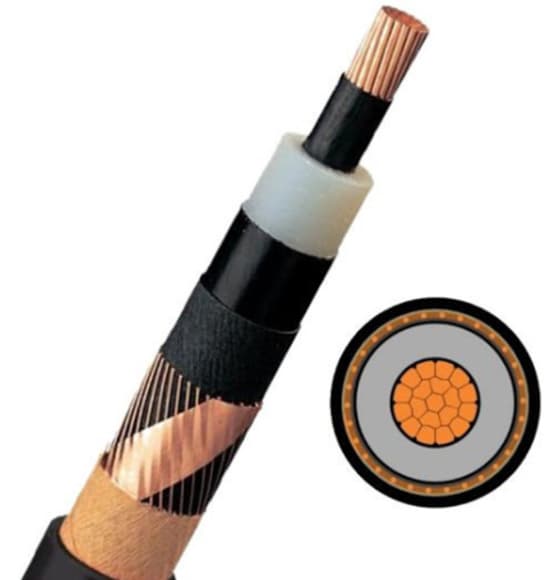
The insulation type determines where the cable can be used.
7.1 THHN / THWN
- Used in buildings
- Heat resistant
- Common in conduit wiring
7.2 XLPE
- Rezistenta termica ridicata
- Used in industrial environments
- Excellent electrical properties
7.3 PVC
- Eficient din punct de vedere al costurilor
- Suitable for general applications
- Moderate heat resistance
7.4 Rubber Insulation
- Flexibil
- Used in welding and portable systems
8. How to Choose the Right 1/0 Cablu AWG
When selecting a cable, consider the following:
8.1 Current Load
Always calculate:
- Continuous load
- Peak load
- Safety margin (usually +25%)
8.2 Distance
Longer distance = higher voltage drop → requires better sizing.
8.3 Environment
Ask:
- Interior sau exterior?
- High temperature?
- Exposure to oil or chemicals?
8.4 Application Type
- Automotive → flexible rubber cable
- Industrial → XLPE or PVC
- Solar → UV-resistant cable
9. Common Mistakes When Using 1/0 Cablu AWG
9.1 Underestimating Voltage Drop
Even thick cables can lose efficiency over long distances.
9.2 Mixing Aluminum and Copper Improperly
This can cause:
- Corrosion
- Connection failure
9.3 Incorrect Crimping
Poor connectors lead to:
- Heat buildup
- Electrical failure
9.4 Overloading Cable Beyond Rating
This reduces lifespan and increases fire risk.
10. Installation Tips
To ensure safe installation:
- Use proper crimping tools
- Apply correct torque on terminals
- Avoid sharp bends
- Use cable protection in high-friction areas
- Keep cables away from heat sources
11. 1/0 AWG Cable in Modern Energy Systems
Pe măsură ce sistemele energetice evoluează, 1/0 AWG cable plays a critical role in:
- Electric vehicle charging systems
- Off-grid solar installations
- Battery storage systems
- Smart grid infrastructure
Its ability to handle high current efficiently makes it a backbone component in modern electrical design.
12. Întrebări frecvente (FAQ)
Q1: Is 1/0 AWG the same as 0 AWG?
Nu. 1/0 AWG (unul ceva) is larger than 0 AWG.
Q2: How many amps can 1/0 AWG handle?
De obicei:
- 150–195 amps for copper depending on insulation and conditions.
Q3: Can 1/0 AWG be used for solar systems?
Da, it is widely used in solar battery and inverter connections.
Q4: Is copper always better than aluminum?
Copper performs better electrically, but aluminum is lighter and cheaper.
Q5: What is the main disadvantage of 1/0 Cablu AWG?
Its size and cost. It is more expensive and harder to handle than smaller wires.
Concluzie
1/0 Cablu AWG is a heavy-duty electrical conductor designed for high-current applications across automotive, industrial, solar, and energy storage systems. Its large cross-sectional area allows efficient power transmission with minimal loss, making it a reliable choice for demanding environments.
Whether you choose copper or aluminum, understanding ampacity, tip de izolare, and installation conditions is essential for safe and efficient performance.
As modern energy systems continue to grow in scale and complexity, 1/0 AWG cable will remain a fundamental component in delivering stable and efficient electrical power.