
Transmisia fiabilă a puterii depinde de conexiuni puternice și stabile. În sistemele de înaltă tensiune, una dintre cele mai critice interfețe se află între cablurile subterane și aparatele de comutare izolate cu gaz. În acest moment, cel Terminare GIS joacă un rol decisiv. La nivelul 132kV, chiar și probleme minore de proiectare sau instalare pot duce la defecțiuni grave. Prin urmare, inginerii acordă o atenție deosebită fiecărui detaliu al acestei componente.
Pe măsură ce orașele continuă să se extindă, substațiile se deplasează adesea în subteran sau în spații compacte. în consecinţă, aparate de comutare izolate cu gaz (GIS) devine mai frecventă. În același timp, utilitățile necesită o fiabilitate mai mare și o întreținere mai redusă. Din acest motiv, cererea de înaltă calitate 132Terminare GIS cablu kV soluțiile continuă să crească.
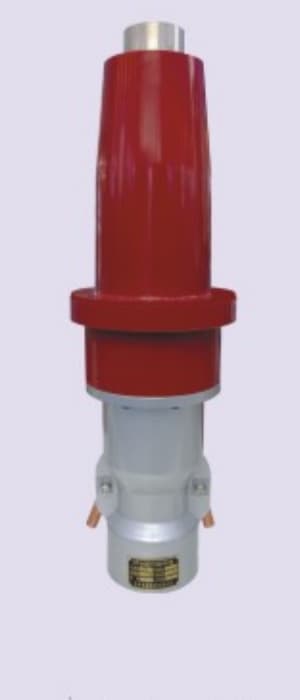
Ce este o terminare GIS?
A Terminare GIS conectează un cablu de înaltă tensiune la un tablou izolat cu gaz. Acesta creează o tranziție controlată de la sistemul de izolare a cablurilor, de obicei XLPE, în mediul de gaz SF₆ din interiorul GIS.
in orice caz, această tranziție nu este simplă. Câmpul electric se modifică semnificativ la interfață. Ca urmare, inginerii trebuie să gestioneze cu atenție stresul electric, menține performanța de izolare, și previne descărcarea parțială.
În termeni practici, o terminație GIS permite energiei electrice să circule în siguranță și eficient din cablu în tabloul de distribuție. Fără această interfață controlată, stabilitatea sistemului s-ar degrada rapid.
De ce este importantă terminarea cablului GIS de 132 kV
În sistemele de alimentare moderne, fiabilitatea rămâne prioritatea principală. O defecțiune la punctul de terminare poate închide o întreagă substație și poate întrerupe alimentarea.
Primul, Terminațiile GIS acceptă configurații compacte de substație. Deoarece echipamentele GIS utilizează izolație de gaz închisă, necesită mult mai puțin spațiu decât sistemele tradiționale izolate cu aer. Prin urmare, se potrivește mediilor urbane dense.
Doilea, ele îmbunătățesc fiabilitatea operațională. Structura etanșă protejează componentele interne de praf, umiditate, și poluare. în plus, reduce impactul condițiilor de mediu.
În plus, un proiectat corespunzător 132Terminare GIS kV minimizează concentrarea stresului electric. Ca urmare, atât cablul, cât și aparatul de comutare pot funcționa în siguranță pe o durată de viață mai lungă.
Componentele principale ale unei terminații GIS de 132 kV
O terminare GIS include mai multe componente esențiale. Fiecare contribuie la stabilitatea electrică și rezistența mecanică.
Sistem de control al stresului
Pentru început, sistemul de control al stresului gestionează câmpul electric la capătul cablului. Fără un control adecvat, câmpul devine neuniform și poate cauza defectarea izolației. Prin urmare, inginerii folosesc conuri de tensiune sau materiale de gradare a câmpului pentru a distribui câmpul electric în mod uniform.
Corp izolator
Următorul, corpul izolator asigură bariera dielectrică primară. Separă conductorul de înaltă tensiune de carcasa GIS cu împământare. De obicei, producătorii folosesc cauciuc siliconic sau rășină epoxidică deoarece aceste materiale oferă o izolare puternică și stabilitate termică.
Conexiune conductor
În același timp, conductorul trebuie să se conecteze bine la terminalul GIS. O conexiune fiabilă reduce rezistența și previne supraîncălzirea. În majoritatea cazurilor, tehnicienii folosesc conectori de compresie sau șuruburi pentru a realiza acest lucru.
Sistem de etanșare
Între timp, sistemul de etanșare previne scurgerea gazului SF₆ și blochează pătrunderea umezelii. Deoarece GIS depinde de presiunea stabilă a gazului, etanșarea eficientă rămâne esențială pentru performanța pe termen lung.
Flanșă și carcasă
In sfarsit, flanșa conectează terminația la echipamentul GIS, în timp ce carcasa protejează componentele interne de deteriorarea mecanică. Împreună, aceste piese asigură alinierea și durabilitatea corespunzătoare.
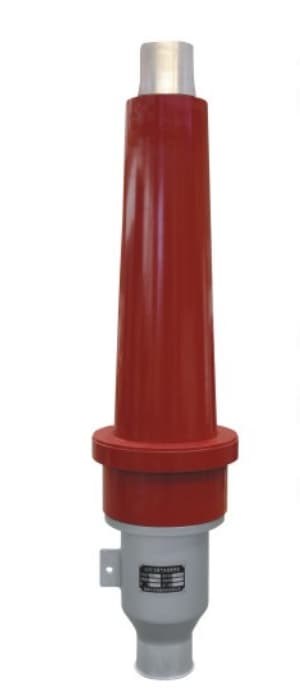
Tipuri de terminații GIS pentru cabluri de 132 kV
Aplicațiile diferite necesită modele diferite. Prin urmare, inginerii selectează tipul potrivit în funcție de condițiile proiectului.
Terminare GIS de tip uscat
În multe substații moderne, se preferă terminaţiile de tip uscat. Folosesc materiale izolante solide în loc de ulei. Ca urmare, oferă întreținere mai ușoară și risc redus pentru mediu.
Terminare GIS umplută cu ulei
Pe de altă parte, Terminațiile umplute cu ulei asigură o performanță excelentă de izolare. in orice caz, necesită etanșare atentă și întreținere regulată. Prin urmare, sunt mai puțin frecvente în instalațiile mai noi.
Terminare GIS plug-in
în plus, terminările plug-in permit o instalare mai rapidă. Datorită designului lor modular, reduc timpul de nefuncționare și îmbunătățesc eficiența, în special în sistemele GIS prefabricate.
Tabel de dimensiuni ale conductorilor de cablu (25 mm² la 3000 mm²)
La selectarea unui Terminare GIS, dimensiunea conductorului devine un factor cheie. Influenteaza capacitatea curenta, comportament termic, și compatibilitate mecanică. Prin urmare, inginerii trebuie să evalueze cu atenție dimensiunea cablului.
Secțiunea transversală a conductorului și parametrii tehnici
| Dimensiunea conductorului (mm²) | Aproximativ. AWG/MCM | Diametrul conductorului (mm) | Rezistență DC (Ω/km @20°C) | Capacitatea curentă tipică (A) | Nivel de aplicație |
|---|---|---|---|---|---|
| 25 | 4 AWG | 5.6 | 0.727 | 150–180 | Controla / sarcina mica |
| 35 | 2 AWG | 6.7 | 0.524 | 180–220 | Distribuția luminii |
| 50 | 1/0 AWG | 8.0 | 0.387 | 220–270 | Distributie |
| 70 | 2/0 AWG | 9.6 | 0.268 | 260–320 | Sarcina medie |
| 95 | 3/0 AWG | 11.0 | 0.193 | 300–370 | Alimentator substație |
| 120 | 4/0 AWG | 12.4 | 0.153 | 340–420 | HV medie |
| 150 | 300 MCM | 13.9 | 0.124 | 380–470 | Transmitere |
| 185 | 350 MCM | 15.5 | 0.099 | 420–520 | Transmitere |
| 240 | 500 MCM | 17.5 | 0.075 | 480–600 | 132kV standard |
| 300 | 600 MCM | 19.5 | 0.060 | 550–680 | Alimentator principal |
| 400 | 800 MCM | 22.6 | 0.047 | 650–800 | Sarcină grea |
| 500 | 1000 MCM | 25.2 | 0.036 | 750–920 | transmisie HV |
| 630 | 1250 MCM | 28.3 | 0.028 | 850–1050 | 132 kV comun |
| 800 | 1600 MCM | 31.9 | 0.022 | 1000–1200 | Putere în vrac |
| 1000 | 2000 MCM | 35.7 | 0.017 | 1150–1400 | Substații mari |
| 1200 | 2500 MCM | 39.1 | 0.015 | 1300–1550 | Coloana vertebrală a rețelei |
| 1400 | — | 42.2 | 0.013 | 1400–1700 | Sarcină foarte grea |
| 1600 | — | 45.2 | 0.011 | 1550–1850 | Transmisie mare |
| 2000 | — | 50.5 | 0.009 | 1750–2100 | Grilă majoră |
| 2500 | — | 56.4 | 0.007 | 2000–2400 | Cerere foarte mare |
| 3000 | — | 61.8 | 0.006 | 2200–2600 | Capacitate extremă |
Cum afectează dimensiunea conductorului proiectarea terminației GIS
Dimensiunea conductorului influențează direct proiectarea a Terminare GIS. Primul, conductoarele mai mari necesită un suport mecanic mai puternic. Ca urmare, terminația trebuie să facă față greutății mai mari și solicitărilor de instalare.
în plus, distribuția câmpului electric se modifică în funcție de dimensiunea conductorului. Prin urmare, inginerii trebuie să ajusteze componentele de control al tensiunii pentru a menține gradarea uniformă a câmpului.
În plus, un curent mai mare duce la o generare crescută de căldură. în consecinţă, managementul termic devine mai critic pentru cablurile cu secțiune transversală mare.
In sfarsit, instalarea devine mai complexă pe măsură ce dimensiunea cablului crește. De exemplu, cablurile mai mari necesită o rază de îndoire mai mare și o manipulare specializată.
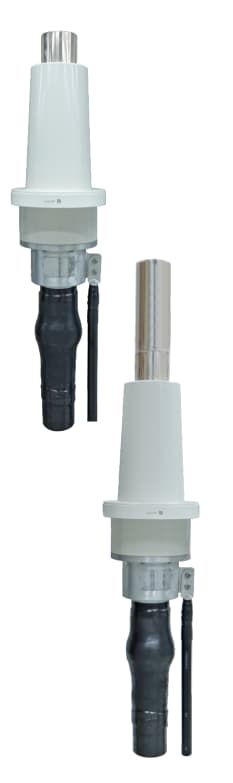
Dimensiuni tipice utilizate în sistemele de 132 kV
În practică, apare frecvent doar o gamă limitată de dimensiuni. Majoritatea utilităților preferă opțiuni standardizate pentru eficiență și controlul costurilor.
Dimensiunile comune ale conductorilor includ:
- 240 mm²
- 300 mm²
- 400 mm²
- 630 mm²
- 800 mm²
- 1000 mm²
Printre acestea, 630 mm² și 800 mm² asigură un echilibru puternic între capacitate și performanță economică. Prin urmare, sunt utilizate pe scară largă în proiectele de transmisie.
Instalarea Terminației GIS 132kV
Instalarea corectă determină fiabilitatea pe termen lung. Din acest motiv, tehnicienii trebuie să urmeze proceduri stricte în fiecare etapă.
Primul, pregătesc cablul prin îndepărtarea cu grijă a mantalei exterioare și a straturilor de izolație. În această etapă, curățenia este esențială.
Următorul, instalează componente de control al tensiunii și piese de izolație. Apoi, ele conectează conductorul și asamblează corpul de terminare.
După care, ele montează terminația pe flanșa GIS și completează etanșarea. In sfarsit, inginerii efectuează teste, inclusiv teste de descărcare parțială și de rezistență la înaltă tensiune.
Provocări comune și soluții practice
Lucrul cu terminații GIS prezintă mai multe provocări. in orice caz, practicile adecvate le pot aborda în mod eficient.
Concentrarea tensiunilor electrice poate apărea dacă instalarea este lipsită de precizie. Prin urmare, tehnicienii trebuie să urmeze îndeaproape liniile directoare de proiectare.
Pătrunderea umidității poate reduce performanța izolației. Pentru a preveni acest lucru, echipele trebuie să controleze umiditatea în timpul instalării.
Scurgerile de gaz prezintă, de asemenea, riscuri. Sistemele de etanșare de înaltă calitate ajută la evitarea acestei probleme.
în plus, nealinierea mecanică poate cauza probleme pe termen lung. Poziționarea precisă asigură o funcționare stabilă.
Avantajele terminației cablului GIS
Terminațiile GIS oferă mai multe avantaje în sistemele de alimentare moderne. Primul, ele suportă modele compacte potrivite pentru mediile urbane.
În plus, ele funcționează în mod fiabil în cadrul sistemelor sigilate. Ca urmare, rezistă factorilor de mediu precum praful și umiditatea.
în plus, necesită mai puțină întreținere în comparație cu sistemele tradiționale. Prin urmare, utilitățile pot reduce costurile operaționale în timp.
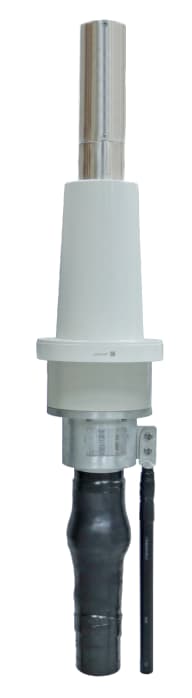
Aplicații ale terminației GIS 132kV
132Terminațiile GIS kV sunt utilizate pe scară largă în diferite sectoare. De exemplu, joacă un rol cheie în:
- Substații subterane urbane
- Sisteme industriale de distribuție a energiei
- Conexiuni la rețeaua de energie regenerabilă
- Proiecte de infrastructură, cum ar fi căile ferate și aeroporturile
Pe măsură ce infrastructura continuă să crească, aceste aplicații se extind în continuare.
132kV Producător de terminații GIS de cablu
A 132Terminare GIS cablu kV servește ca o legătură critică în sistemele de transport de înaltă tensiune. Conectează cablurile la aparatele de distribuție izolate cu gaz, asigurând în același timp siguranța și fiabilitatea electrică.
De la proiectarea componentelor până la alegerea dimensiunii conductorului, fiecare detaliu afectează performanța. Prin urmare, inginerii trebuie să evalueze fiecare factor cu atenție.
Pe măsură ce rețelele de energie evoluează, Tehnologia GIS continuă să câștige importanță. în consecinţă, selectarea soluției de terminare GIS potrivite – și potrivirea acesteia cu dimensiunea corespunzătoare a cablului – rămâne esențială pentru succesul pe termen lung de la 132Terminare GIS cablu kV.