
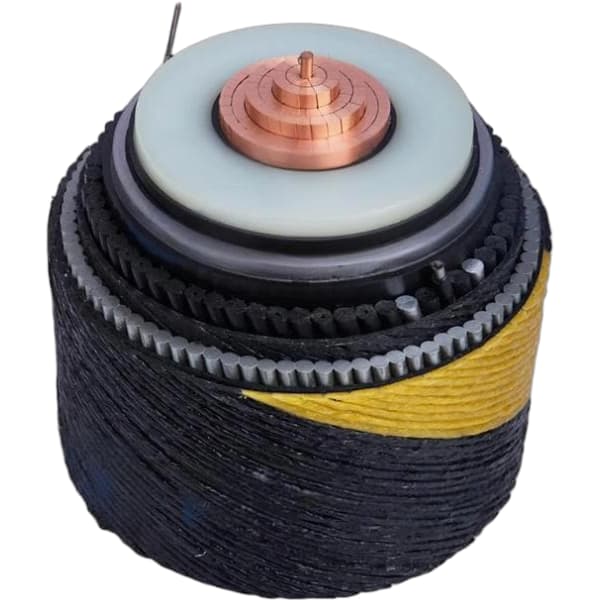
Introduction to 230kV Cable
Modern power transmission systems require reliable high-voltage infrastructure capable of transporting large amounts of electricity safely and efficiently over long distances. Among the most important components in these systems is the 230cablu kV, which is widely used in utility grids, industrial substations, proiecte de energie regenerabilă, underground transmission networks, and urban electrical infrastructure.
As global electricity demand continues to increase, utility companies and industrial operators are investing heavily in advanced transmission technologies. The 230kV cable plays a critical role in maintaining stable power delivery while reducing transmission losses and improving system reliability.
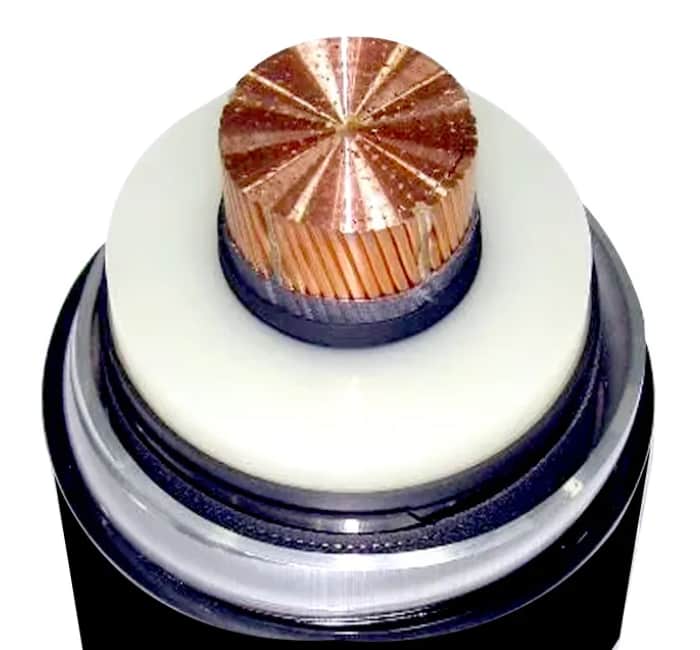
Compared with lower-voltage cables, 230kV power cables are engineered with sophisticated insulation systems, metallic shielding, and advanced protective layers. These features allow the cable to operate under extremely high electrical stress and harsh environmental conditions.
Astăzi, 230kV cable systems are commonly installed in:
- Rețelele electrice naționale
- Proiecte de energie regenerabilă
- Industrial power plants
- Metropolitan underground networks
- GIS substations
- Petrochemical facilities
- Operațiuni miniere
- Centre de date
- Railway infrastructure
What Is a 230kV Cable?
A 230kV cable is a high-voltage power cable designed to transmit electricity at a nominal voltage of 230 kilovolti.
These cables are used in electrical transmission systems where high-capacity energy transfer is required. They are engineered to withstand high electric fields while maintaining excellent insulation performance and thermal stability.
Most modern 230kV cables utilize XLPE insulation technology because of its outstanding electrical and mechanical properties.
Key characteristics include:
- Capacitate mare de purtare a curentului
- Rezistenta dielectrica excelenta
- Durată lungă de viață
- Resistance to thermal aging
- Reliable performance under heavy loads
- Low maintenance requirements
Structure of a 230kV Cable
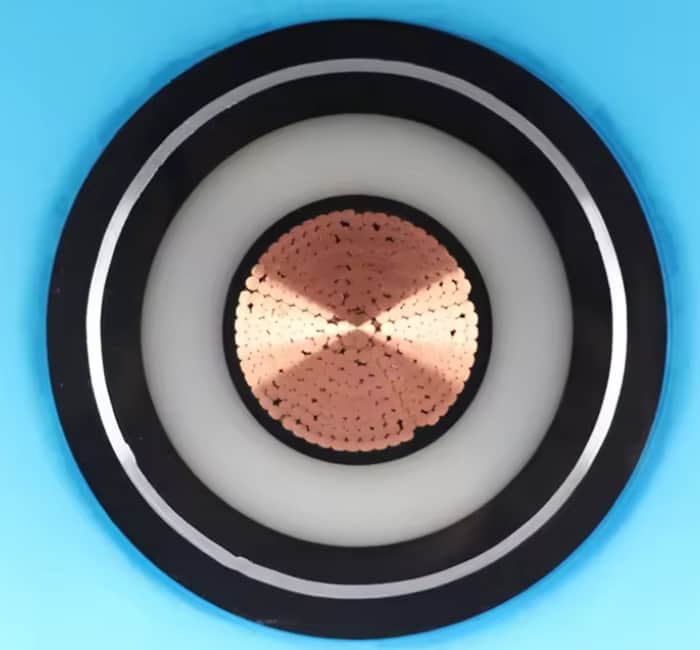
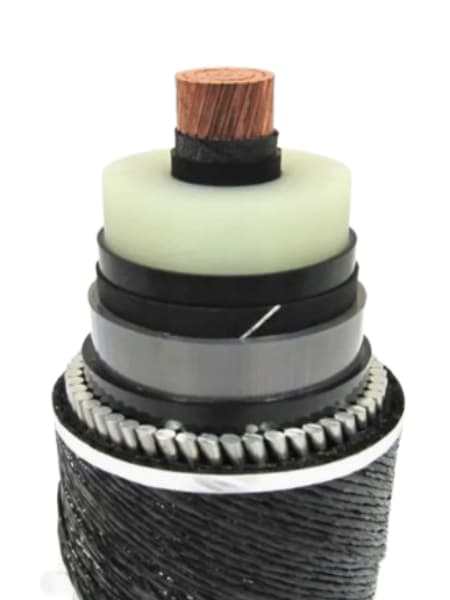
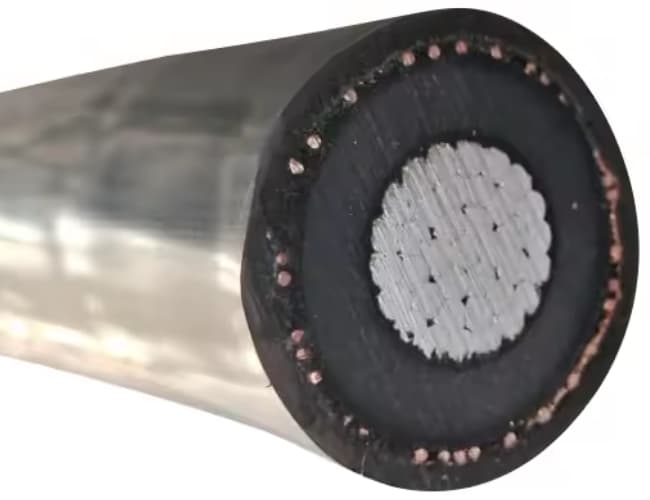
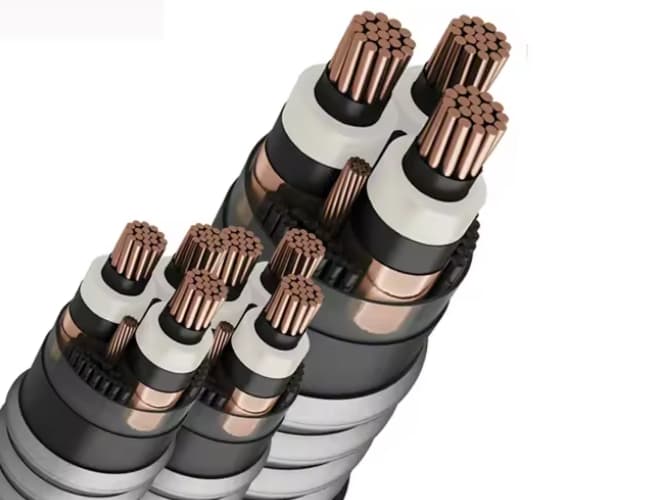
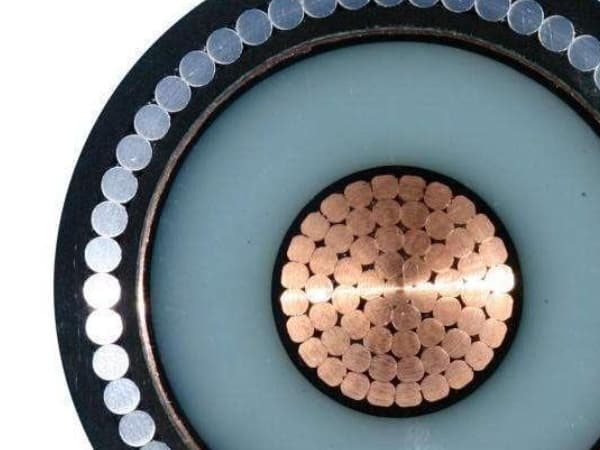
A typical 230kV cable consists of multiple layers designed to ensure safe and stable operation.
Conductor
Conductorul este componenta centrală responsabilă pentru transportul curentului electric.
Common conductor materials include:
- Cupru
- Aluminiu
Copper conductors provide:
- Conductivitate mai mare
- Rezistență mai mică
- Better overload performance
Aluminum conductors offer:
- Greutate mai mică
- Reduced material cost
- Transport mai ușor
- Better economics for long-distance transmission
Dimensiunile comune ale conductorilor includ:
- 400 mm²
- 630 mm²
- 800 mm²
- 1000 mm²
- 1200 mm²
- 1600 mm²
- 2500 mm²
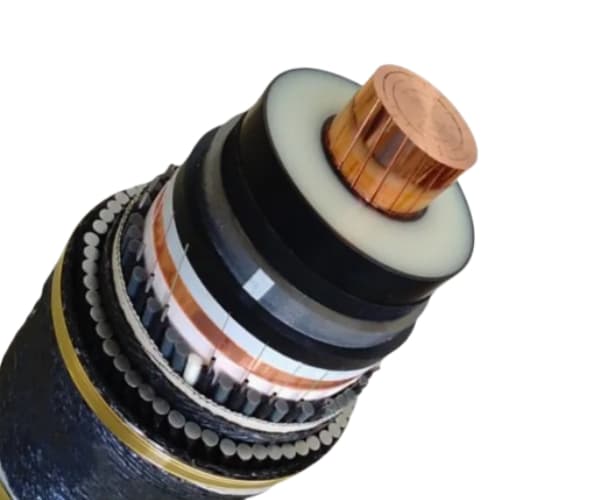
Ecran conductor
The conductor screen is a semiconductive layer placed around the conductor to ensure uniform electric field distribution.
This layer prevents electrical stress concentration and reduces the risk of partial discharge.
Izolație XLPE
XLPE (Polietilenă reticulata) insulation is the global standard for modern high-voltage cables.
Advantages of XLPE insulation include:
- Excellent dielectric performance
- Rezistenta termica ridicata
- Pierdere dielectrică scăzută
- Superior aging resistance
- Long operational lifespan
- Rezistență puternică la umiditate
XLPE cables are gradually replacing traditional oil-filled cable systems in many countries.
Ecran de izolare
The insulation screen is another semiconductive layer that surrounds the insulation and controls the electric field.
This layer works together with the conductor screen to maintain electrical stability.
Ecran metalic
The metallic screen is typically made from:
- Copper tape
- Copper wires
- Corrugated aluminum sheath
Functions include:
- Ground fault current conduction
- Electromagnetic shielding
- Protection against electrical faults
- Reduction of induced voltage
Strat de blocare a apei
Many modern 230kV cables include water-blocking materials to prevent moisture penetration.
Water ingress can seriously damage insulation performance over time.
Teaca exterioara
The outer sheath protects the cable against environmental and mechanical damage.
Common sheath materials include:
- PVC
- PE
- HDPE
- LSZH compounds
The sheath protects against:
- radiații UV
- Umiditate
- Corrosion
- Chemicals
- Abrasion
- Mechanical impacts
Types of 230kV Cables
XLPE Underground Cable
This is the most common type used in modern transmission systems.
Beneficiile includ:
- Fiabilitate ridicată
- Easy maintenance
- Compact installation
- Impact redus asupra mediului
EPR Insulated Cable
EPR insulated cables are used in specialized applications requiring greater flexibility.
Submarine 230kV Cable
Submarine cables are designed for underwater installations such as:
- Parcuri eoliene offshore
- Island interconnections
- Marine power transmission
These cables feature armored layers for mechanical protection in marine environments.
HVAC Transmission Cable
Alternating current transmission remains the most common system for 230kV cable applications.
HVDC Cable Systems
In some long-distance projects, high-voltage direct current systems may be preferred for efficiency reasons.
Applications of 230kV Cable
Utility Power Transmission
Power utilities use 230kV cables to connect:
- Substații
- Centrale electrice
- Regional grids
- Urban transmission networks
Proiecte de energie regenerabilă
Renewable energy installations often require high-voltage transmission infrastructure.
230kV cables are widely used in:
- Ferme solare
- Wind power plants
- Offshore wind projects
- Energy storage facilities
Industrial Infrastructure
Heavy industries consume enormous amounts of electricity.
Typical industries include:
- Mining
- Steel manufacturing
- Petrochemical plants
- Cement factories
- Aluminum smelters
Urban Underground Transmission
Large cities increasingly prefer underground cable systems instead of overhead transmission lines.
Beneficiile includ:
- Improved aesthetics
- Reduced weather-related failures
- Better public safety
- Întreținere redusă
GIS Substations
Gas-insulated substations require specially designed cable accessories and terminations compatible with GIS systems.
230kV Cable Accessories
A complete cable transmission system requires much more than the cable itself.
Accessories are essential for safe operation and long-term reliability.
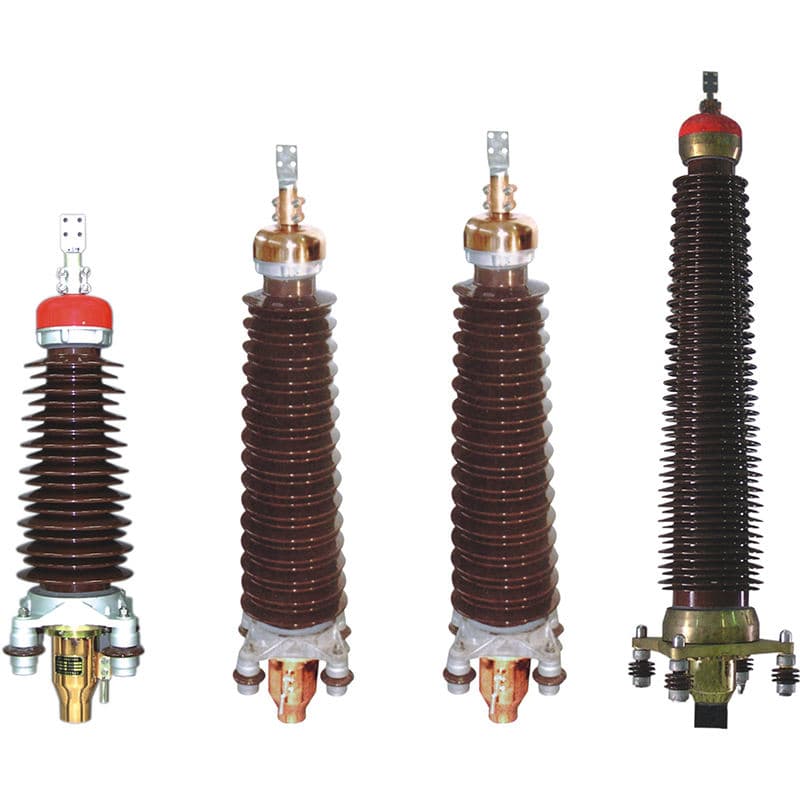
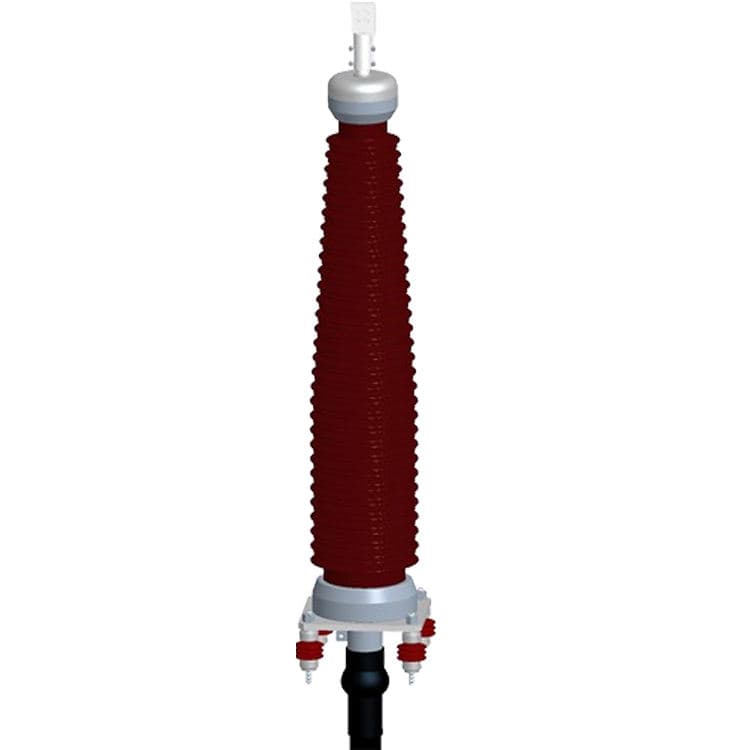
230kV Cable Terminations
Cable terminations connect the cable to electrical equipment.
Aplicațiile comune includ:
- Transformatoare
- Echipamente GIS
- Switchgear
- Outdoor substations
Types include:
Outdoor Termination
Designed for open-air environments.
Terminare GIS
Used in gas-insulated substations.
Indoor Termination
Used in protected electrical installations.
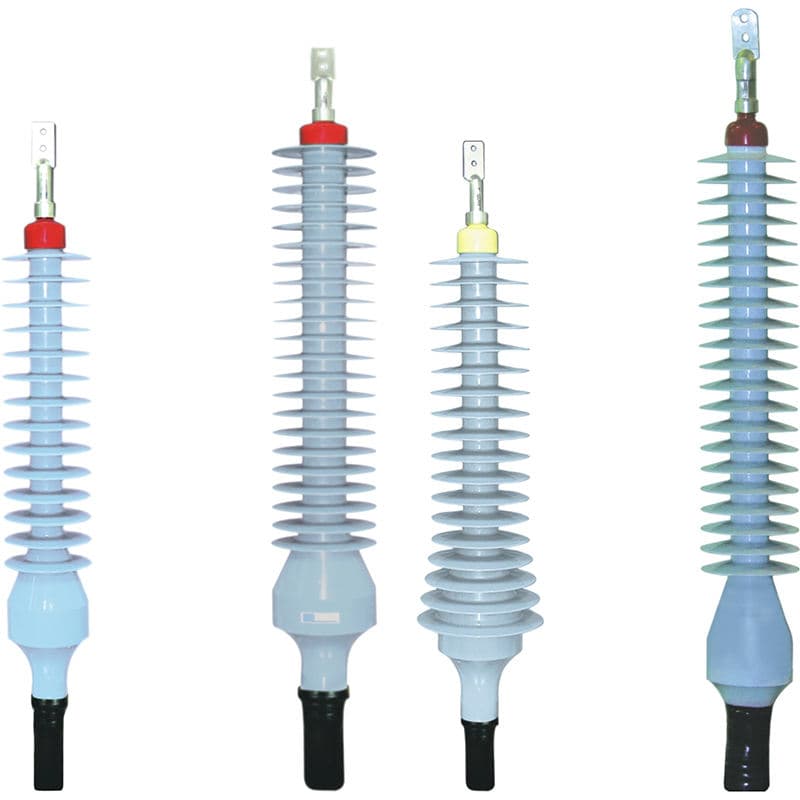
230kV Cable Joints
Cable joints connect two cable sections together.
Common joint types:
- Straight joint
- Insulated joint
- Sectionalized joint
Proper joint installation is critical because joint failures can lead to major system outages.
Link Box
Link boxes are used for:
- Sheath grounding
- Bonding systems
- Induced voltage control
Grounding System
Grounding systems provide:
- Personnel safety
- Fault current discharge
- System protection
Installation of 230kV Cable
Installing a 230kV cable system is a highly technical process requiring specialized engineering and strict quality control.
Route Planning
Route planning includes:
- Geological surveys
- Thermal analysis
- Civil engineering design
- Environmental assessment
Cable Pulling
Cable pulling operations must carefully control:
- Pulling tension
- Bending radius
- Sidewall pressure
Improper installation can damage the insulation system permanently.
Clean Installation Environment
Contamination during installation may cause:
- Descărcare parțială
- Electrical breakdown
- Premature insulation failure
Strict cleanliness standards are mandatory.
Jointing and Termination Installation
Only trained specialists should perform jointing and termination work.
Even minor installation errors can significantly reduce cable lifespan.
Post-Installation Testing
După instalare, extensive testing is performed.
Tests may include:
- AC withstand testing
- Testarea de descărcare parțială
- Sheath testing
- VLF testing
- Resonant testing
Factors Affecting 230kV Cable Price
The cost of a 230kV cable system depends on multiple factors.
Material conductor
Copper cables are generally more expensive than aluminum cables.
in orice caz, copper offers:
- Conductivitate mai mare
- Smaller conductor size
- Better thermal performance
Cable Size
Larger conductor cross-sections significantly increase cost.
Grosimea izolației
Higher insulation requirements increase manufacturing complexity and material consumption.
Mediul de instalare
Submarine and underground installations require additional protective structures and accessories.
Accesorii pentru cabluri
High-voltage accessories can account for a major portion of total project cost.
Testing and Certification
International certifications increase manufacturing costs but improve project reliability.
Standardele comune includ:
- IEC
- IEEE
- Type Test
- Routine Test
- Prequalification Test
Estimated 230kV Cable Price
Pricing varies according to market conditions and project specifications.
General international market references include:
| Product Type | Pret estimat |
|---|---|
| 230kV Aluminum XLPE Cable | USD 80–220 per meter |
| 230kV Copper XLPE Cable | USD 150–450 per meter |
| GIS Termination Kit | USD 8,000–35,000 |
| Straight Joint Kit | USD 5,000–20,000 |
| Submarine 230kV Cable | Significantly higher |
Prices depend on:
- Prețurile pieței cuprului
- Aluminum market prices
- Transportation costs
- Project quantity
- Technical requirements
Advantages of 230kV XLPE Cable
Excellent Electrical Performance
XLPE insulation provides superior dielectric properties.
Durată de viață lungă
Properly installed cables can operate for more than 40 ani.
Low Maintenance
Modern XLPE systems require minimal routine maintenance.
Beneficii pentru mediu
XLPE cables avoid oil leakage risks associated with older oil-filled systems.
High Thermal Capacity
These cables can handle high operating temperatures and emergency overload conditions.
Common Problems in 230kV Cable Systems
Partial Discharge
Partial discharge is one of the most dangerous problems in high-voltage cable systems.
It can gradually damage insulation and eventually cause catastrophic failure.
Water Penetration
Moisture ingress can reduce insulation reliability.
Mechanical Damage
Improper handling during transportation or installation can damage the cable.
Supraîncălzire
Poor thermal management may reduce cable lifespan.
Accessory Failure
Many cable system failures occur at joints or terminations rather than in the cable itself.
Maintenance of 230kV Cable Systems
Proper maintenance helps extend operational lifespan and reduce outage risks.
Maintenance activities include:
- Thermal monitoring
- Partial discharge monitoring
- Sheath integrity inspection
- Grounding system inspection
- Infrared scanning
- Load analysis
Modern monitoring systems increasingly use digital sensors and smart grid technologies.
Future Trends in 230kV Cable Technology
Smart Cable Monitoring
Real-time monitoring systems improve reliability and predictive maintenance.
Expansion of Renewable Energy
Global renewable energy projects continue driving demand for high-voltage cable systems.
Underground Transmission Growth
Urbanization is increasing demand for underground cable networks.
HVDC Expansion
Long-distance power transmission increasingly utilizes HVDC technology.
Environmentally Friendly Materials
Manufacturers are developing more sustainable insulation and sheath materials.
Choosing the Right 230kV Cable Manufacturer
Selecting a reliable manufacturer is essential for project success.
Important factors include:
Experienta in productie
The supplier should have proven experience in EHV cable production.
Controlul calității
Strict quality management systems are critical.
Certificari internationale
Manufacturers should comply with international standards.
Suport tehnic
Engineering support during installation and testing is extremely important.
Capacitatea de producție
Large infrastructure projects require stable production capability and delivery schedules.
230kV cable manufacturer – DOUA Cablu
The 230cablu kV este una dintre cele mai importante componente ale sistemelor moderne de transmisie electrică. Its ability to deliver large amounts of electricity safely and efficiently makes it essential for utilities, proiecte de energie regenerabilă, industrial infrastructure, and urban power networks.
As global electricity demand continues to rise, investment in reliable high-voltage transmission infrastructure will continue expanding. Advanced XLPE insulation technology, improved accessories, and modern monitoring systems are helping 230kV cable systems become safer, more efficient, and more durable than ever before.
Whether used in underground transmission, GIS substations, proiecte de energie regenerabilă, or industrial power systems, 230kV cables remain a critical foundation of modern energy infrastructure.