
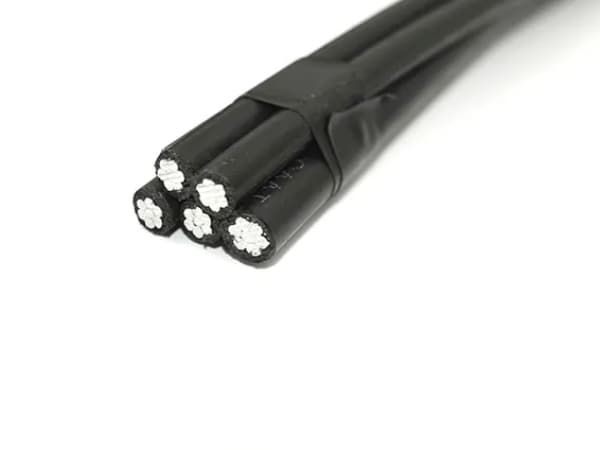
Understanding 4 AWG Cable
A 4 AWG cable is a standard conductor size defined by the American Wire Gauge (AWG) system. It is widely used in electrical systems due to its balance between conductivity, rezistenta mecanica, and installation flexibility.
Key parameters of 4 AWG cable:
- Cross-sectional area: approximately 21.1 mm²
- Conductor diameter: about 5.2 mm
- Typical ampacity: 85–95 A (depending on insulation and installation conditions)
This size is commonly applied in both low voltage and medium voltage systems with different structural designs.
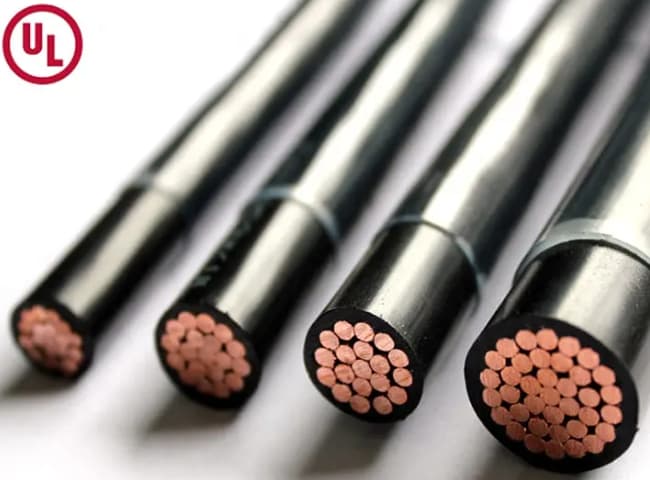
Conductor Materials for 4 AWG Cable
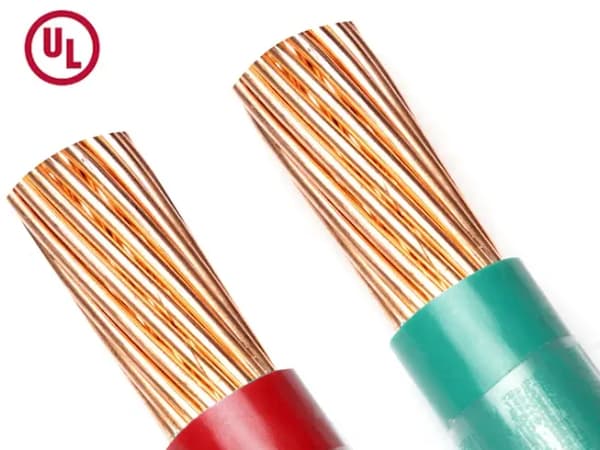
Conductor de cupru
- High electrical conductivity
- Flexibilitate excelentă
- Better performance in demanding environments
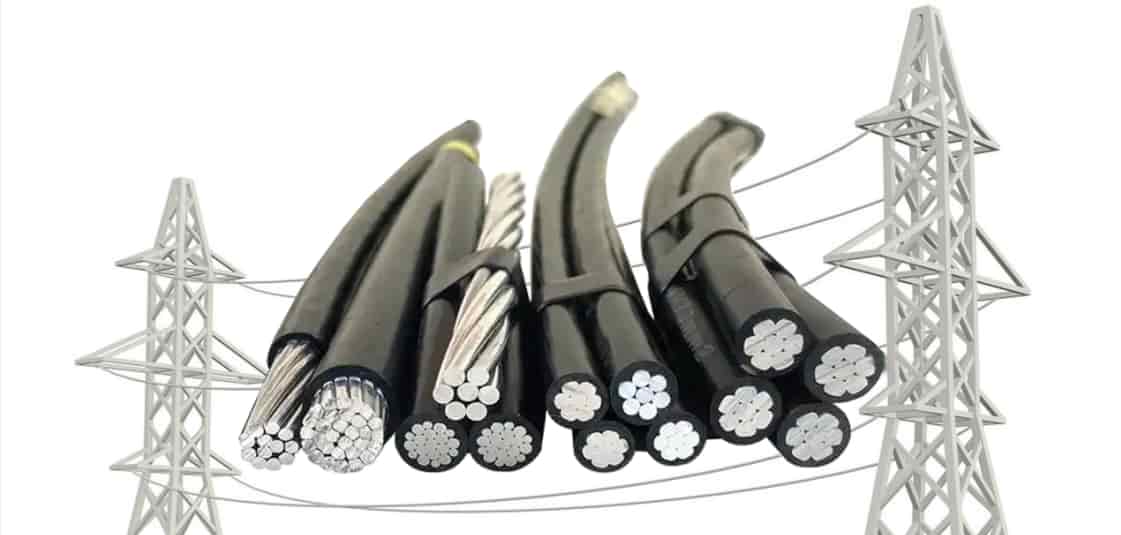
Conductor de aluminiu
- Ușoare
- Eficient din punct de vedere al costurilor
- Suitable for large-scale installations
Low Voltage 4 AWG Cable Structure (0.6/1kV)
Low voltage 4 AWG cable is commonly used in residential, comercial, and industrial applications.
Conductor
- Copper or aluminum
- Solid or stranded
Izolare
Typical materials:
- PVC
- XLPE
Funcții:
- Izolație electrică
- Heat resistance
Umplere (pentru cabluri cu mai multe fire)
- Maintains cable shape
- Îmbunătățește stabilitatea mecanică
Inner Sheath (Bedding)
- Provides structural support
- Protects internal layers
Blindare (Opțional)
Steel Tape Armor (STA)
- Suitable for light mechanical protection
Armură din sârmă de oțel (SWA)
- Suitable for heavy-duty underground use
Teaca exterioara
- PVC sau PE
- Protection against moisture, abrasion, and chemicals
Medium Voltage 4 AWG Cable Structure (5kV/11kV/15kV/20kV/33kV/35kV)
Medium voltage 4 AWG cable has a more complex design to control electrical stress and ensure safety.
Conductor
- Stranded copper or aluminum
- Compact construction
Ecran conductor (Semiconductive Layer)
- Ensures smooth electric field distribution
- Prevents partial discharge
Izolare
Materials:
- XLPE
- EPR
Caracteristici:
- Rigiditate dielectrică ridicată
- Thermal stability
Insulation Screen
- Works with conductor screen
- Maintains uniform electric field
Ecran metalic
- Copper tape or wires
Funcții:
- Grounding
- Fault current path
Strat de blocare a apei (Opțional)
- Water-swellable tape
- Gel compounds
Used in:
- Underground or submarine environments
Inner Sheath
- Separates metallic screen from armor
Blindare
Armură din sârmă de oțel (SWA)
- Provides high mechanical strength
Armura din sarma de aluminiu (AWA)
- Used in specific environments
Teaca exterioara
- PE, HDPE, or PVC
- Resistant to UV, moisture, and chemicals
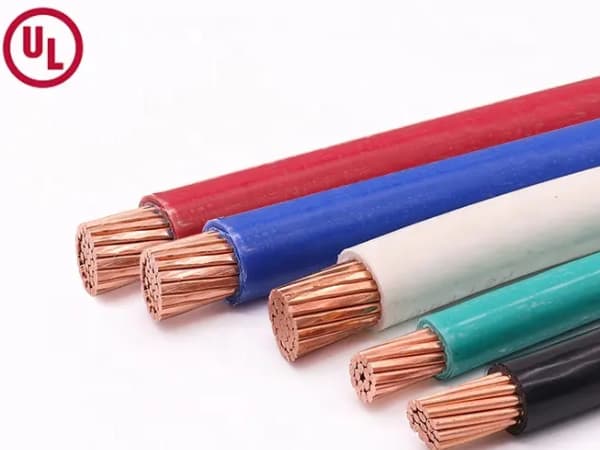
Electrical Differences Between LV and MV 4 AWG Cable
Tensiune nominală
- Low voltage: 0.6/1kV
- Medium voltage: 5kV–35kV
Sistem de izolare
- LV: Basic insulation (PVC/XLPE)
- MV: Advanced insulation with semiconductive layers
Ecranarea
- LV: Not required
- MV: Mandatory
Structural Complexity
- LV: Simple
- MV: Multi-layer engineered design
Applications of 4 AWG Cable
Low Voltage Applications
- Building wiring
- Power distribution panels
- Solar energy systems
- Equipment connections
Medium Voltage Applications
- Power distribution networks
- Substations
- Instalatii industriale
- Renewable energy systems
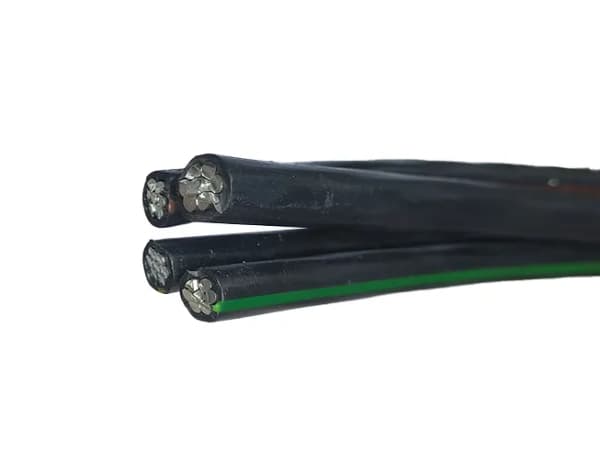
Selection Considerations for 4 AWG Cable
Electrical Requirements
- Load current
- Nivel de tensiune
Installation Conditions
- Indoor or outdoor
- Underground or aerial
Protectie mecanica
- Need for armoring
- Environmental exposure
Performanta termica
- Temperatura de functionare
- Insulation type
DOS CABLE – Fabricante y proveedor
DOUĂ FIRME es un fabricante y proveedor profesional especializado en soluciones de cables de baja y media tensión, incluyendo una amplia gama de 4 AWG cable para diferentes aplicaciones industriales y de energía.
La empresa ofrece:
- Diseño personalizado según requisitos del proyecto
- Producción conforme a normas IEC, IEEE y estándares internacionales
- Opciones completas en cables LV y MV con diferentes estructuras
- Estricto control de calidad y alto rendimiento eléctrico
Con experiencia en proyectos internacionales, DOUĂ FIRME suministra cables confiables, duraderos y adaptados a entornos exigentes como instalaciones industriales, subterráneas y submarinas.