
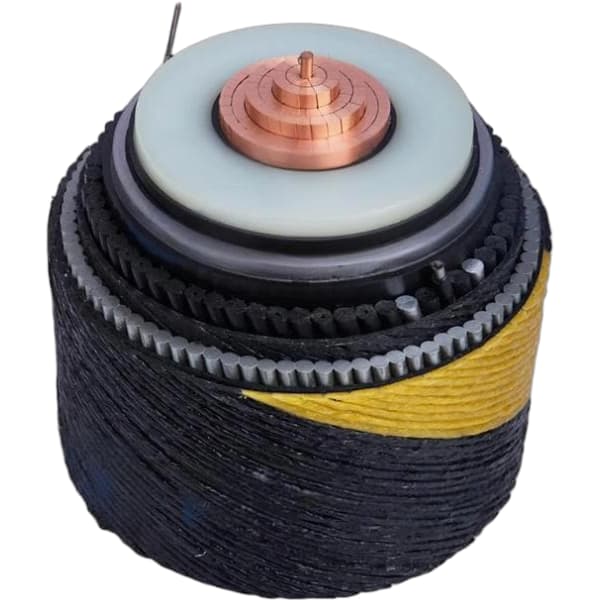
Введение в кабель 230 кВ
Современные системы передачи электроэнергии требуют надежной высоковольтной инфраструктуры, способной безопасно и эффективно транспортировать большие объемы электроэнергии на большие расстояния.. Одним из важнейших компонентов этих систем является 230КВ кабель, который широко используется в инженерных сетях, промышленные подстанции, Проекты возобновляемой энергии, подземные сети электропередачи, и городская электрическая инфраструктура.
Поскольку глобальный спрос на электроэнергию продолжает расти, коммунальные компании и промышленные операторы вкладывают значительные средства в передовые технологии передачи электроэнергии. Кабель 230 кВ играет решающую роль в поддержании стабильной подачи электроэнергии, одновременно снижая потери при передаче и повышая надежность системы..
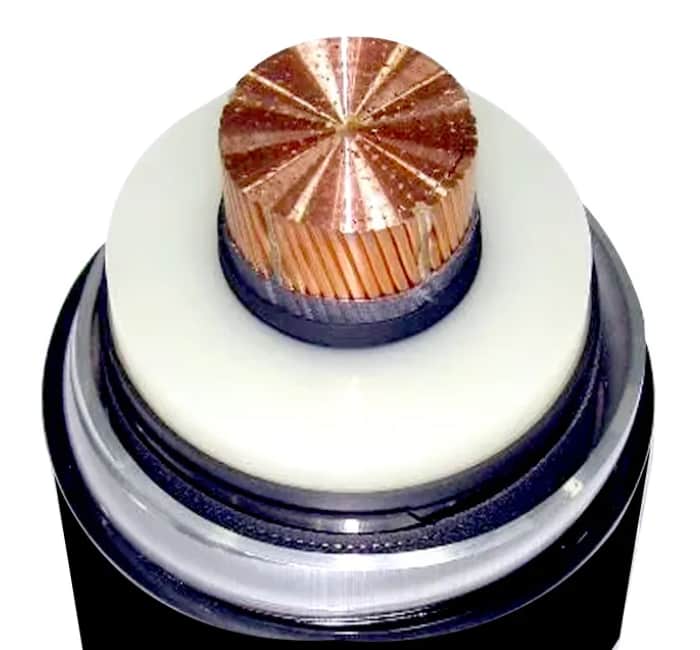
По сравнению с кабелями более низкого напряжения, 230Силовые кабели кВ имеют сложную систему изоляции., металлическое экранирование, и усовершенствованные защитные слои. Эти особенности позволяют кабелю работать в условиях чрезвычайно высоких электрических напряжений и суровых условий окружающей среды..
Сегодня, 230Кабельные системы кВ обычно устанавливаются в:
- Национальные электрические сети
- Проекты возобновляемой энергетики
- Промышленные электростанции
- Метрополитенские сети метрополитена
- КРУЭ подстанции
- Нефтехимические объекты
- Горные работы
- Дата-центры
- Железнодорожная инфраструктура
Что такое кабель 230 кВ?
Кабель напряжением 230 кВ – высоковольтный силовой кабель, предназначенный для передачи электроэнергии номинальным напряжением 230 киловольты.
Эти кабели используются в системах электропередачи, где требуется передача энергии с высокой пропускной способностью.. Они спроектированы так, чтобы выдерживать сильные электрические поля, сохраняя при этом отличные изоляционные характеристики и термическую стабильность..
В большинстве современных кабелей на напряжение 230 кВ используется технология изоляции из сшитого полиэтилена из-за его выдающихся электрических и механических свойств..
Ключевые характеристики включают в себя:
- Высокая токовая нагрузка
- Отличная диэлектрическая прочность
- Длительный срок службы
- Устойчивость к термическому старению
- Надежная работа при больших нагрузках
- Низкие требования к техническому обслуживанию
Структура кабеля 230 кВ
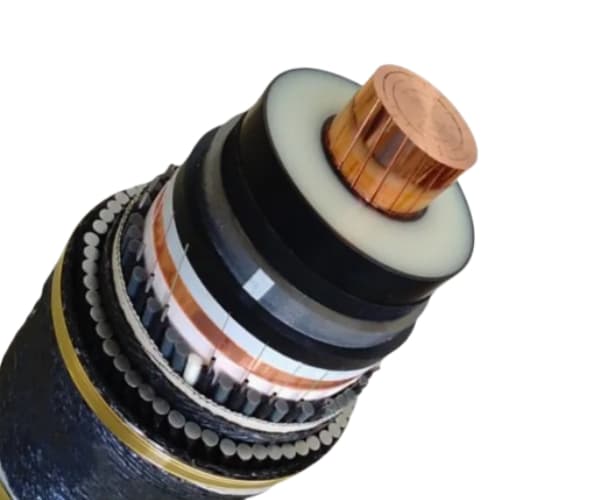
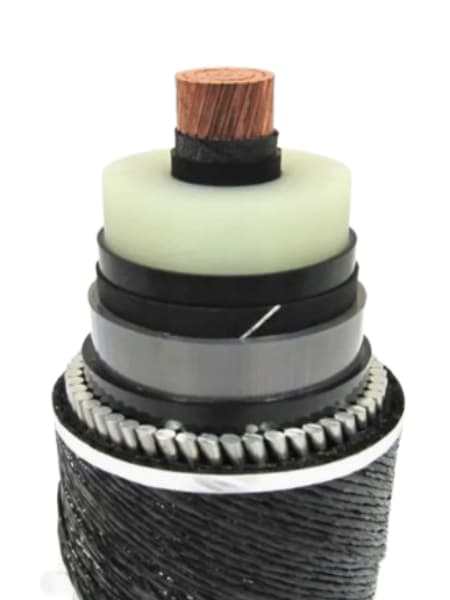
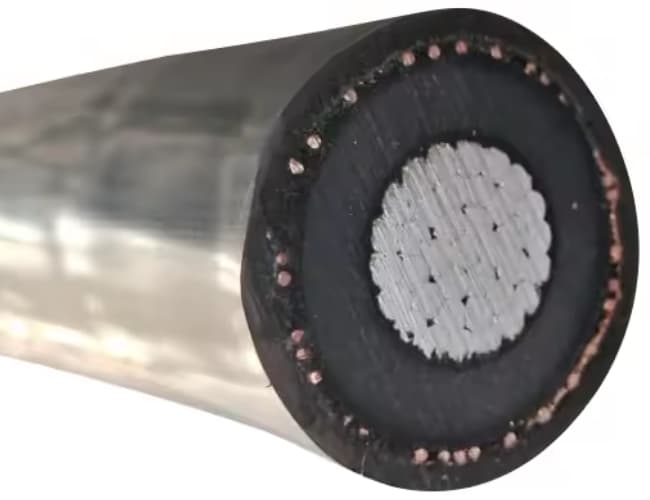
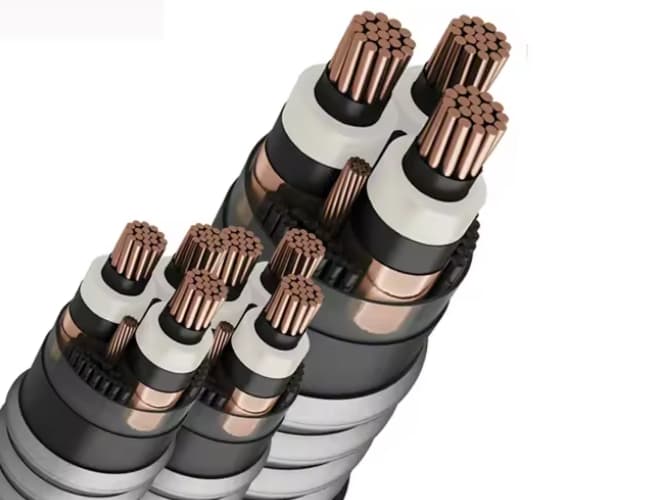
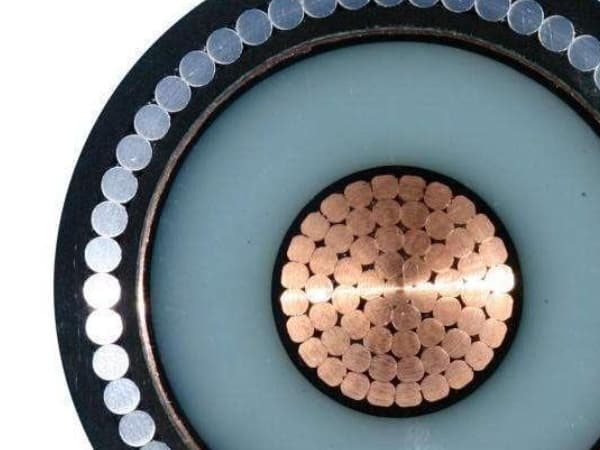
Типичный кабель 230 кВ состоит из нескольких слоев, предназначенных для обеспечения безопасной и стабильной работы..
Дирижер
Проводник является основным компонентом, ответственным за передачу электрического тока..
Общие материалы проводников включают в себя:
- Медь
- Алюминий
Медные проводники обеспечивают:
- Более высокая проводимость
- Более низкое сопротивление
- Улучшенная производительность при перегрузке
Алюминиевые проводники предлагают:
- Меньший вес
- Снижение затрат на материалы
- Упрощенная транспортировка
- Лучшая экономика для передачи на большие расстояния
Общие размеры проводников включают в себя:
- 400 мм²
- 630 мм²
- 800 мм²
- 1000 мм²
- 1200 мм²
- 1600 мм²
- 2500 мм²
Экран проводника
Экран проводника представляет собой полупроводниковый слой, расположенный вокруг проводника для обеспечения равномерного распределения электрического поля..
Этот слой предотвращает концентрацию электрического напряжения и снижает риск частичного разряда..
Изоляция из сшитого полиэтилена
СПЭ (Сшитый полиэтилен) изоляция является мировым стандартом для современных высоковольтных кабелей..
К преимуществам изоляции из сшитого полиэтилена относятся::
- Отличные диэлектрические характеристики
- Высокое термическое сопротивление
- Низкие диэлектрические потери
- Превосходная устойчивость к старению
- Длительный срок эксплуатации
- Сильная влагостойкость
Кабели из сшитого полиэтилена постепенно заменяют традиционные маслонаполненные кабельные системы во многих странах..
Изоляционный экран
Изоляционный экран — это еще один полупроводниковый слой, окружающий изоляцию и контролирующий электрическое поле..
Этот слой работает вместе с экраном проводника, обеспечивая электрическую стабильность..
Металлический экран
Металлический экран обычно изготавливается из:
- Медная лента
- Медные провода
- Гофрированная алюминиевая оболочка
Функции включают в себя:
- Проводимость тока замыкания на землю
- Электромагнитное экранирование
- Защита от электрических неисправностей
- Снижение наведенного напряжения
Водоблокирующий слой
Многие современные кабели на напряжение 230 кВ содержат водоблокирующие материалы для предотвращения проникновения влаги..
Попадание воды со временем может серьезно ухудшить характеристики изоляции..
Внешняя оболочка
Внешняя оболочка защищает кабель от воздействия окружающей среды и механических повреждений..
Обычные материалы оболочки включают в себя:
- ПВХ
- ЧП
- ПНД
- LSZH соединения
Оболочка защищает от:
- УФ-излучение
- Влага
- Коррозия
- Химикаты
- Истирание
- Механические воздействия
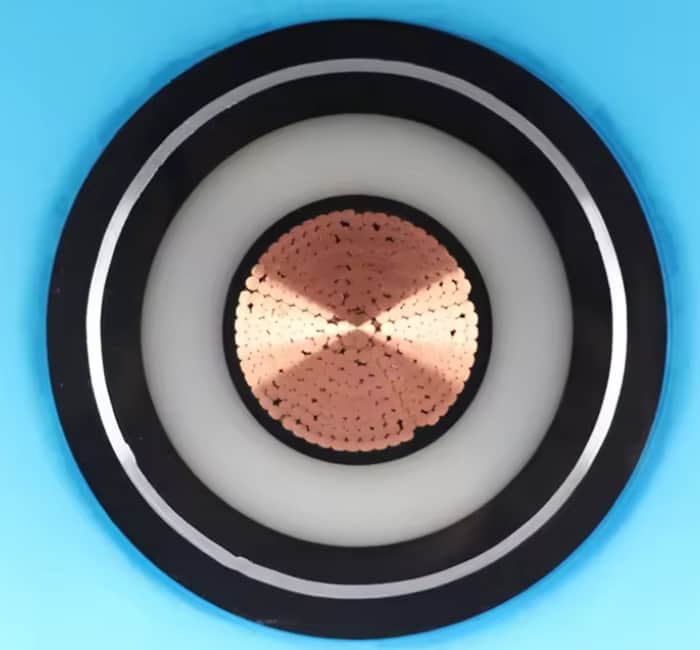
Виды кабелей 230 кВ
Подземный кабель из сшитого полиэтилена
Это наиболее распространенный тип, используемый в современных системах передачи..
Преимущества включают:
- Высокая надежность
- Простота обслуживания
- Компактная установка
- Снижение воздействия на окружающую среду
Кабель с изоляцией EPR
Кабели с изоляцией EPR используются в специализированных приложениях, требующих большей гибкости..
Подводный кабель 230 кВ
Подводные кабели предназначены для подводной прокладки, например:
- Оффшорные ветряные электростанции
- Островные соединения
- Морская передача энергии
Эти кабели имеют армированные слои для механической защиты в морской среде..
Кабель передачи HVAC
Передача переменного тока остается наиболее распространенной системой для кабелей 230 кВ..
Кабельные системы HVDC
В некоторых удаленных проектах, высоковольтные системы постоянного тока могут быть предпочтительными по соображениям эффективности..
Применение кабеля 230 кВ
Передача электроэнергии
Электроэнергетические предприятия используют для подключения кабели напряжением 230 кВ.:
- Подстанции
- Электростанции
- Региональные сети
- Городские сети электропередачи
Проекты возобновляемой энергетики
Установки возобновляемой энергии часто требуют инфраструктуры передачи высокого напряжения..
230КВ-кабели широко используются в:
- Солнечные фермы
- Ветровые электростанции
- Морские ветроэнергетические проекты
- Энергетические хранилища
Промышленная инфраструктура
Тяжелая промышленность потребляет огромное количество электроэнергии.
Типичные отрасли включают:
- Горное дело
- Производство стали
- Нефтехимические заводы
- Цементные заводы
- Алюминиевые заводы
Городская подземная передача
Крупные города все чаще отдают предпочтение подземным кабельным системам воздушным линиям электропередачи..
Преимущества включают:
- Улучшенная эстетика
- Снижение количества сбоев, связанных с погодными условиями
- Улучшение общественной безопасности
- Сокращенное обслуживание
КРУЭ-подстанции
Подстанции с элегазовой изоляцией требуют специально разработанных кабельных аксессуаров и концевых заделок, совместимых с системами КРУЭ..
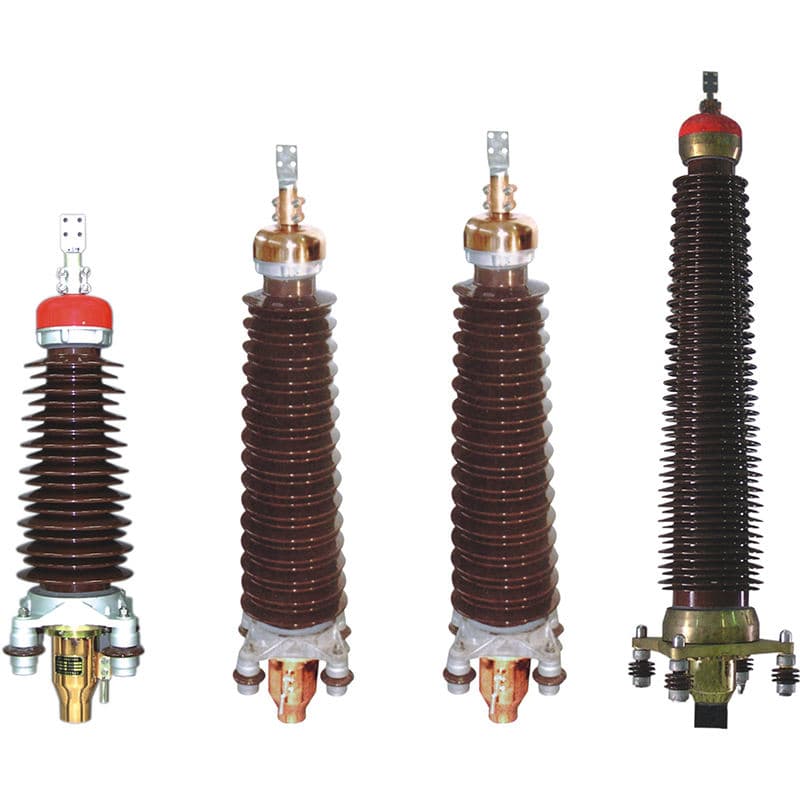
230Аксессуары для кВ-кабелей
Полная система кабельной передачи требует гораздо большего, чем сам кабель..
Аксессуары необходимы для безопасной эксплуатации и долгосрочной надежности..
230Кабельные наконечники кВ
Кабельные наконечники соединяют кабель с электрооборудованием..
Общие приложения включают в себя:
- Трансформеры
- ГИС-оборудование
- Распределительное устройство
- Наружные подстанции
Типы включают в себя:
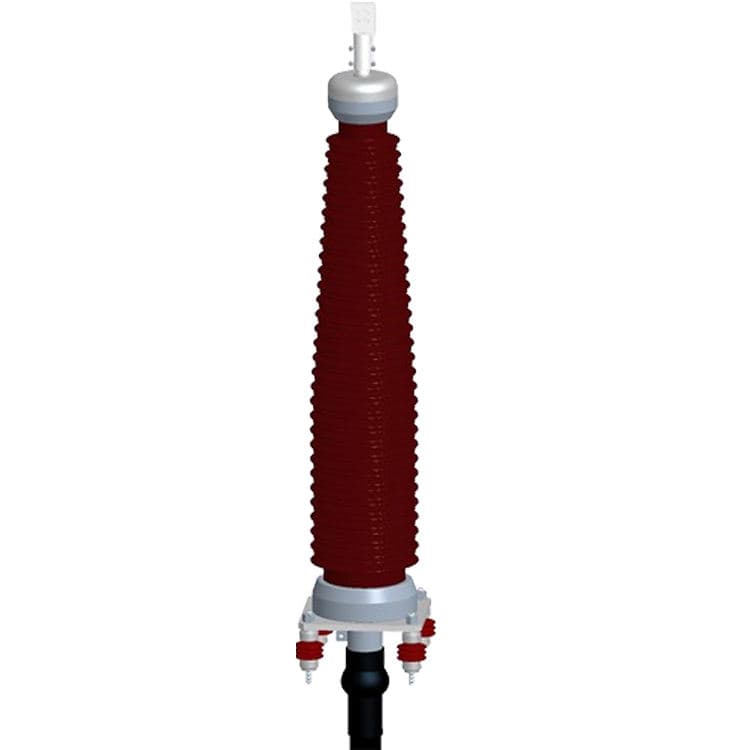
Наружное прекращение
Предназначен для использования на открытом воздухе..
Завершение ГИС
Применяется на элегазовых подстанциях..
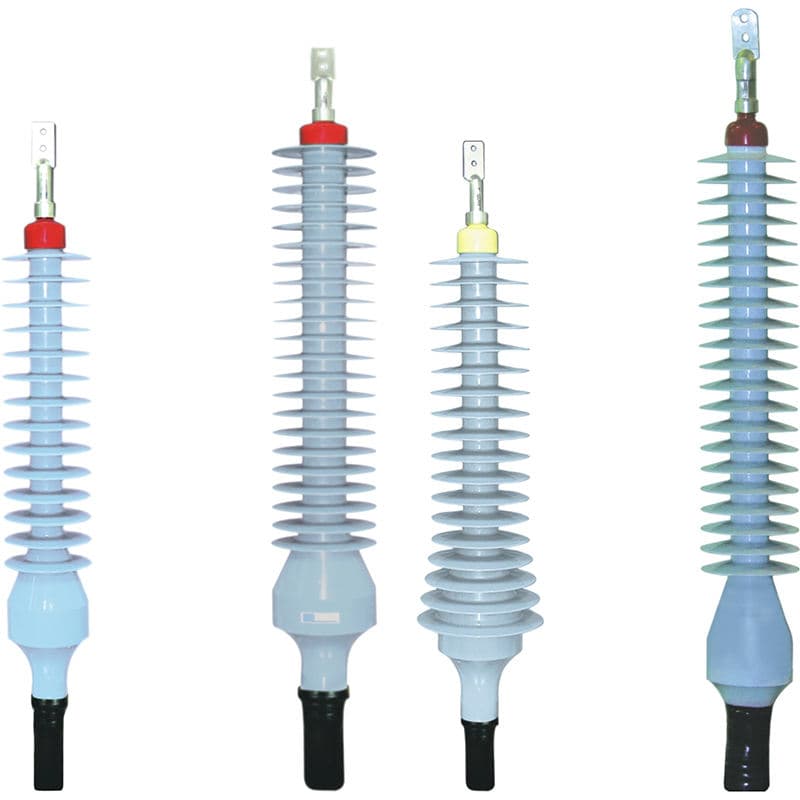
Внутреннее прекращение
Используется в защищенных электроустановках..
230кВ кабельные соединения
Кабельные муфты соединяют две секции кабеля вместе..
Распространенные типы суставов:
- Прямой сустав
- Изолированное соединение
- Секционированное соединение
Правильная установка соединений имеет решающее значение, поскольку неисправности соединений могут привести к серьезным сбоям в работе системы..
Поле ссылок
Поля ссылок используются для:
- Заземление оболочки
- Системы склеивания
- Контроль наведенного напряжения
Система заземления
Системы заземления обеспечивают:
- Безопасность персонала
- Разряд тока повреждения
- Защита системы
Монтаж кабеля 230кВ
Монтаж кабельной системы 230 кВ — высокотехнологичный процесс, требующий специализированного проектирования и строгого контроля качества..
Планирование маршрута
Планирование маршрута включает в себя:
- Геологические изыскания
- Термический анализ
- Гражданское инженерное проектирование
- Экологическая оценка
Протяжка кабеля
Операции по протягиванию кабеля должны тщательно контролироваться.:
- Вытягивание напряжения
- Радиус изгиба
- Давление на боковую стенку
Неправильный монтаж может привести к необратимому повреждению системы изоляции..
Чистая среда установки
Загрязнение во время установки может привести к:
- Частичный разряд
- Электрический пробой
- Преждевременный выход из строя изоляции
Строгие стандарты чистоты обязательны..
Установка соединения и заделки
Работы по соединению и заделке должны выполнять только обученные специалисты..
Даже незначительные ошибки при монтаже могут существенно сократить срок службы кабеля..
Постинсталляционное тестирование
После установки, проводится обширное тестирование.
Тесты могут включать в себя:
- Испытание на устойчивость к переменному току
- Тестирование частичного разряда
- Испытание оболочки
- ОНЧ-тестирование
- Резонансное тестирование
Факторы, влияющие на цену кабеля 230 кВ
Стоимость кабельной системы 230 кВ зависит от множества факторов..
Материал проводника
Медные кабели обычно дороже алюминиевых кабелей..
Однако, предложения меди:
- Более высокая проводимость
- Меньший размер проводника
- Улучшенные тепловые характеристики
Размер кабеля
Провода большего сечения значительно увеличивают стоимость..
Толщина изоляции
Более высокие требования к изоляции увеличивают сложность производства и расход материалов..
Среда установки
Подводные и подземные установки требуют дополнительных защитных конструкций и аксессуаров..
Кабельные аксессуары
Высоковольтные аксессуары могут составлять большую часть общей стоимости проекта..
Тестирование и сертификация
Международные сертификаты увеличивают производственные затраты, но повышают надежность проекта..
Общие стандарты включают в себя:
- МЭК
- IEEE
- Типовое испытание
- Плановый тест
- Предварительный квалификационный тест
Ориентировочная цена кабеля 230 кВ
Цены варьируются в зависимости от рыночных условий и спецификаций проекта..
Общие ссылки на международные рынки включают в себя:
| Тип продукта | Ориентировочная цена |
|---|---|
| 230кВ Алюминиевый кабель из сшитого полиэтилена | 80–220 долларов США за метр |
| 230Медный кабель из сшитого полиэтилена, кВ | 150–450 долларов США за метр |
| Комплект подключения ГИС | 8 000–35 000 долларов США |
| Комплект прямых соединений | 5 000–20 000 долларов США |
| Подводный кабель 230 кВ | Значительно выше |
Цены зависят от:
- Цены на медь на рынке
- Рыночные цены на алюминий
- Транспортные расходы
- Количество проектов
- Технические требования
Преимущества кабеля из сшитого полиэтилена 230 кВ
Отличные электрические характеристики
Изоляция из сшитого полиэтилена обеспечивает превосходные диэлектрические свойства..
Долгой срок службы
Правильно установленные кабели могут работать более 40 годы.
Низкие эксплуатационные расходы
Современные системы из сшитого полиэтилена требуют минимального регулярного обслуживания..
Экологические преимущества
Кабели из сшитого полиэтилена позволяют избежать риска утечки масла, связанного со старыми маслонаполненными системами..
Высокая теплоемкость
Эти кабели могут выдерживать высокие рабочие температуры и условия аварийной перегрузки..
Распространенные проблемы в кабельных системах 230 кВ
Частичный разряд
Частичный разряд – одна из самых опасных проблем в высоковольтных кабельных системах..
Это может постепенно повредить изоляцию и в конечном итоге привести к катастрофическому выходу из строя..
Проникновение воды
Попадание влаги может снизить надежность изоляции..
Механические повреждения
Неправильное обращение во время транспортировки или установки может привести к повреждению кабеля..
Перегрев
Плохое управление температурным режимом может сократить срок службы кабеля.
Отказ аксессуара
Многие отказы кабельной системы происходят в местах соединений или оконечных соединений, а не в самом кабеле..
Обслуживание кабельных систем 230кВ
Правильное техническое обслуживание помогает продлить срок службы и снизить риски простоев..
Работы по техническому обслуживанию включают в себя:
- Термический мониторинг
- Мониторинг частичного разряда
- Проверка целостности оболочки
- Проверка системы заземления
- Инфракрасное сканирование
- Анализ нагрузки
Современные системы мониторинга все чаще используют цифровые датчики и технологии интеллектуальных сетей..
Будущие тенденции в кабельной технологии 230 кВ
Интеллектуальный мониторинг кабеля
Системы мониторинга в реальном времени повышают надежность и обеспечивают профилактическое обслуживание..
Расширение возобновляемых источников энергии
Глобальные проекты в области возобновляемых источников энергии продолжают стимулировать спрос на высоковольтные кабельные системы.
Рост подземных перевозок
Урбанизация увеличивает спрос на подземные кабельные сети.
Расширение HVDC
Для передачи электроэнергии на большие расстояния все чаще используется технология HVDC..
Экологически чистые материалы
Производители разрабатывают более экологичные материалы изоляции и оболочки..
Выбор подходящего производителя кабеля 230 кВ
Выбор надежного производителя имеет важное значение для успеха проекта..
Важные факторы включают в себя:
Опыт производства
Поставщик должен иметь подтвержденный опыт производства кабелей сверхвысокого напряжения..
Контроль качества
Строгие системы управления качеством имеют решающее значение.
Международные сертификаты
Производители должны соблюдать международные стандарты.
Техническая поддержка
Инженерная поддержка при установке и тестировании крайне важна..
Производственная мощность
Крупные инфраструктурные проекты требуют стабильных производственных мощностей и графиков поставок..
230производитель кВ кабеля – Два кабеля
The 230КВ кабель является одним из важнейших компонентов современных систем электропередачи.. Его способность безопасно и эффективно доставлять большие объемы электроэнергии делает его незаменимым для коммунальных предприятий., Проекты возобновляемой энергии, промышленная инфраструктура, и городские электросети.
Поскольку глобальный спрос на электроэнергию продолжает расти, инвестиции в надежную инфраструктуру передачи высокого напряжения будут продолжать расти. Передовая технология изоляции из сшитого полиэтилена, улучшенные аксессуары, и современные системы мониторинга помогают кабельным системам 230 кВ стать безопаснее, более эффективный, и более прочный, чем когда-либо прежде.
Используется ли в подземной передаче, КРУЭ подстанции, Проекты возобновляемой энергии, или промышленные энергосистемы, 230кВ-кабели остаются важнейшей основой современной энергетической инфраструктуры.