
A Complete Guide to Understanding the Global Submarine Cable Map
In today’s hyper-connected world, almost every email, video call, financial transaction, and cloud-based application relies on one invisible but critical infrastructure: submarine cable map . While satellites often capture the public imagination, more than 95% of international data traffic actually travels through fiber optic cables laid across the ocean floor.
If you’ve ever searched for global connectivity routes, you’ve likely encountered the term submarine cable map. But what exactly is a submarine cable map? Why is it important? And what does it reveal about the future of global communication?
In this in-depth guide, we will explore everything you need to know about the submarine cable map, how it works, why it matters, and how leading manufacturers like DOS Cable submarine cable help build the backbone of the digital world.
What Is a Submarine Cable Map?
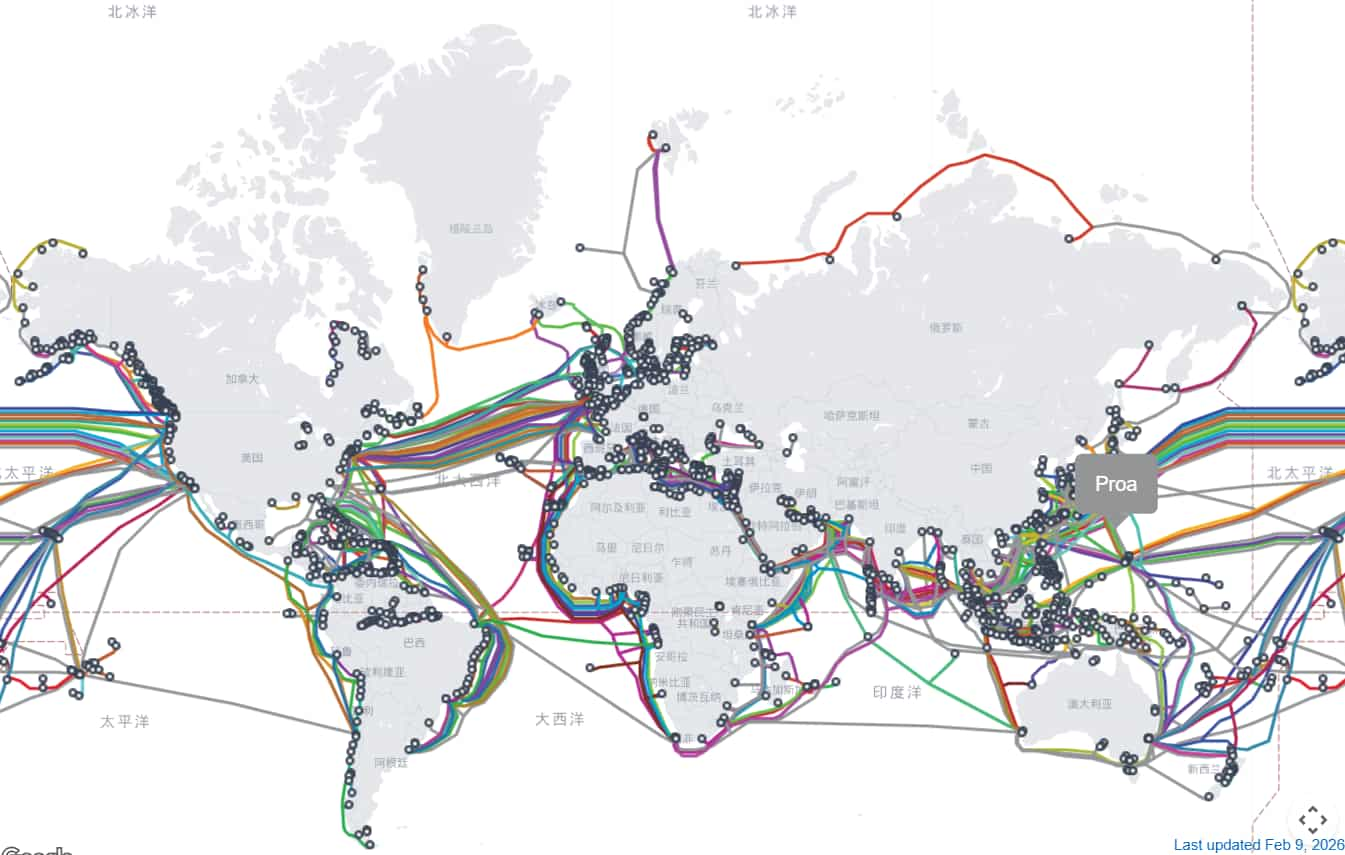
A submarine cable map is a visual representation of the global network of undersea fiber optic cables that connect continents and countries. These maps display:
- Cable routes across oceans
- Landing stations along coastlines
- Connection hubs between regions
- Cable system names
- Cable ownership and operators
- Planned and in-construction projects
Simply put, a submarine cable map shows how the world is physically connected beneath the sea.
Unlike conceptual internet diagrams, these maps reflect real-world infrastructure laid thousands of meters underwater. They reveal the true physical backbone of the global internet.
Why Is the Submarine Cable Map Important?
The submarine cable map is not just a technical visualization—it is a strategic, economic, and geopolitical tool.
1. It Shows the Backbone of Global Internet Infrastructure
The global digital economy depends on stable, high-capacity submarine cables. Cloud computing, streaming platforms, AI systems, international banking, and global enterprises all rely on these undersea networks.
By examining a submarine cable map, we can see:
- Major connectivity corridors
- High-traffic regions
- Redundant routes for resilience
- Emerging digital hubs
2. It Reflects Economic Growth
Regions with dense cable connectivity typically experience:
- Faster internet speeds
- Lower bandwidth costs
- Stronger data center markets
- Greater digital innovation
When a new cable appears on the submarine cable map, it often signals investment, economic expansion, and improved global integration.
3. It Reveals Network Redundancy and Security
A well-developed submarine cable map shows multiple cable routes between regions. This redundancy ensures that if one cable is damaged—due to natural disasters, fishing activities, or anchor drags—traffic can be rerouted.
Network resilience is critical for:
- Financial markets
- Government communications
- Military operations
- Cloud service providers
How Submarine Cables Work Beneath the Ocean
To fully understand the submarine cable map, we must understand the cables themselves.
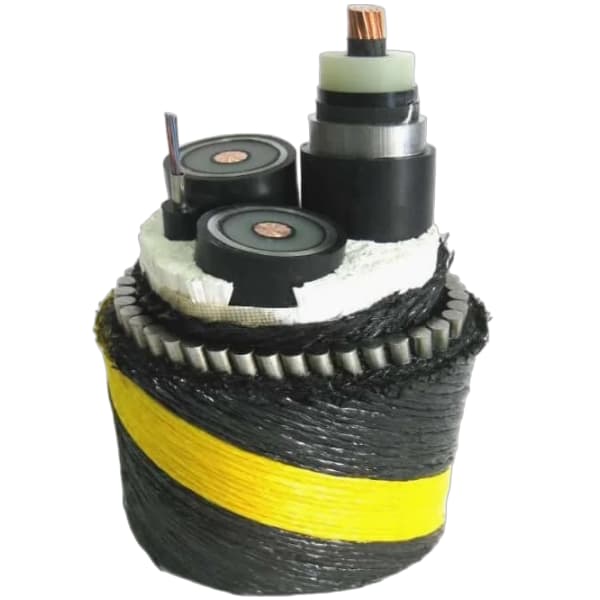
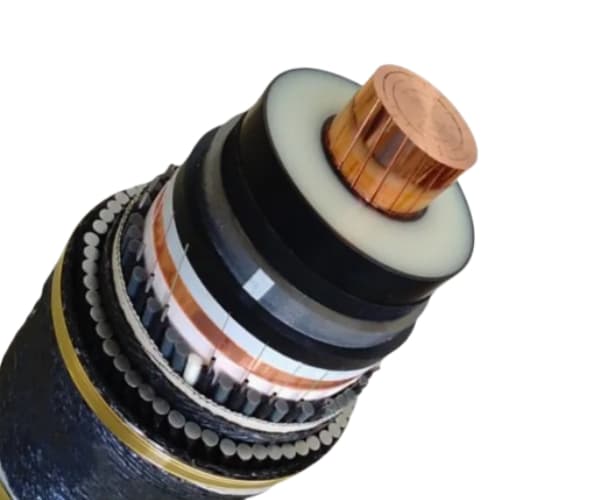
The Structure of a Submarine Fiber Optic Cable
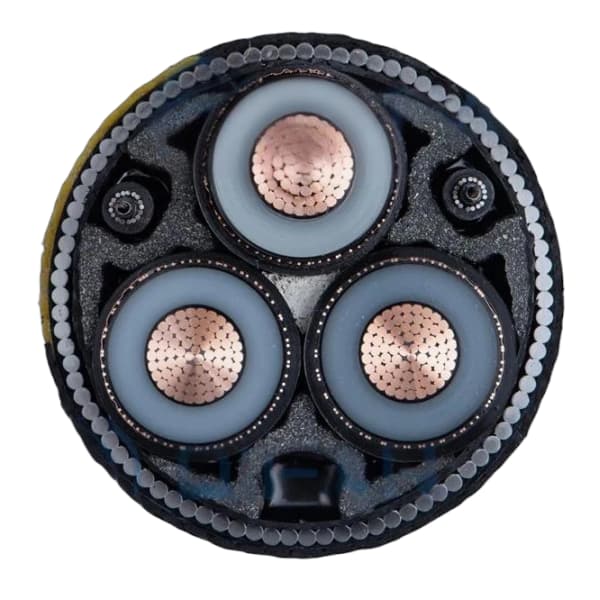
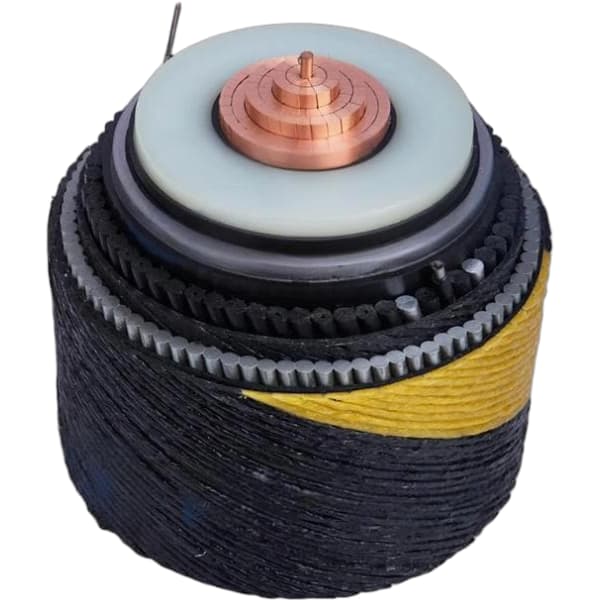
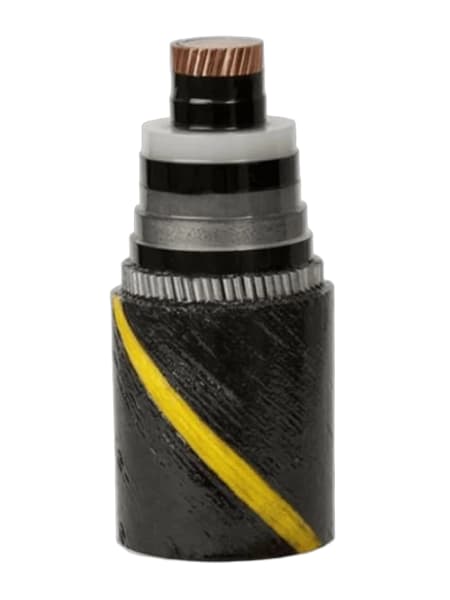
A typical submarine cable includes:
- Fiber optic core (for data transmission)
- Protective steel layers
- Copper conductor (for powering repeaters)
- Waterproof insulation
- Armoring (in shallow waters)
These cables are designed to withstand:
- Deep ocean pressure
- Abrasion from seabed terrain
- Marine life interaction
- Temperature variations
At DOS Cable, we design and manufacture submarine cable systems that meet international standards for durability, signal integrity, and long-term performance.
Key Components Shown on a Submarine Cable Map
When analyzing a submarine cable map, you will typically see several elements:
1. Cable Routes
Lines across oceans represent cable pathways. These are carefully engineered routes selected through marine surveys that assess:
- Seabed topography
- Seismic activity
- Environmental impact
- Shipping lanes
2. Landing Stations
Landing stations are coastal facilities where submarine cables connect to terrestrial fiber networks. These facilities include:
- Power feed equipment
- Network monitoring systems
- Security infrastructure
Landing stations serve as critical nodes in global communications.
3. Repeater Spacing (Not Always Visible)
Although not always shown visually, repeaters are installed along long-distance submarine cables every 60–100 km to amplify optical signals.
Major Global Submarine Cable Corridors
A modern submarine cable map reveals several major connectivity corridors:
Transatlantic Routes
Connecting North America and Europe, these are among the busiest data routes globally.
Transpacific Routes
Linking North America and Asia, supporting cloud providers and global trade.
Asia–Europe Routes
Often passing through the Indian Ocean and the Middle East.
Intra-Asia Networks
Rapidly expanding due to digital growth in Southeast Asia.
Africa Connectivity Expansion
New projects are significantly improving bandwidth availability across Africa.
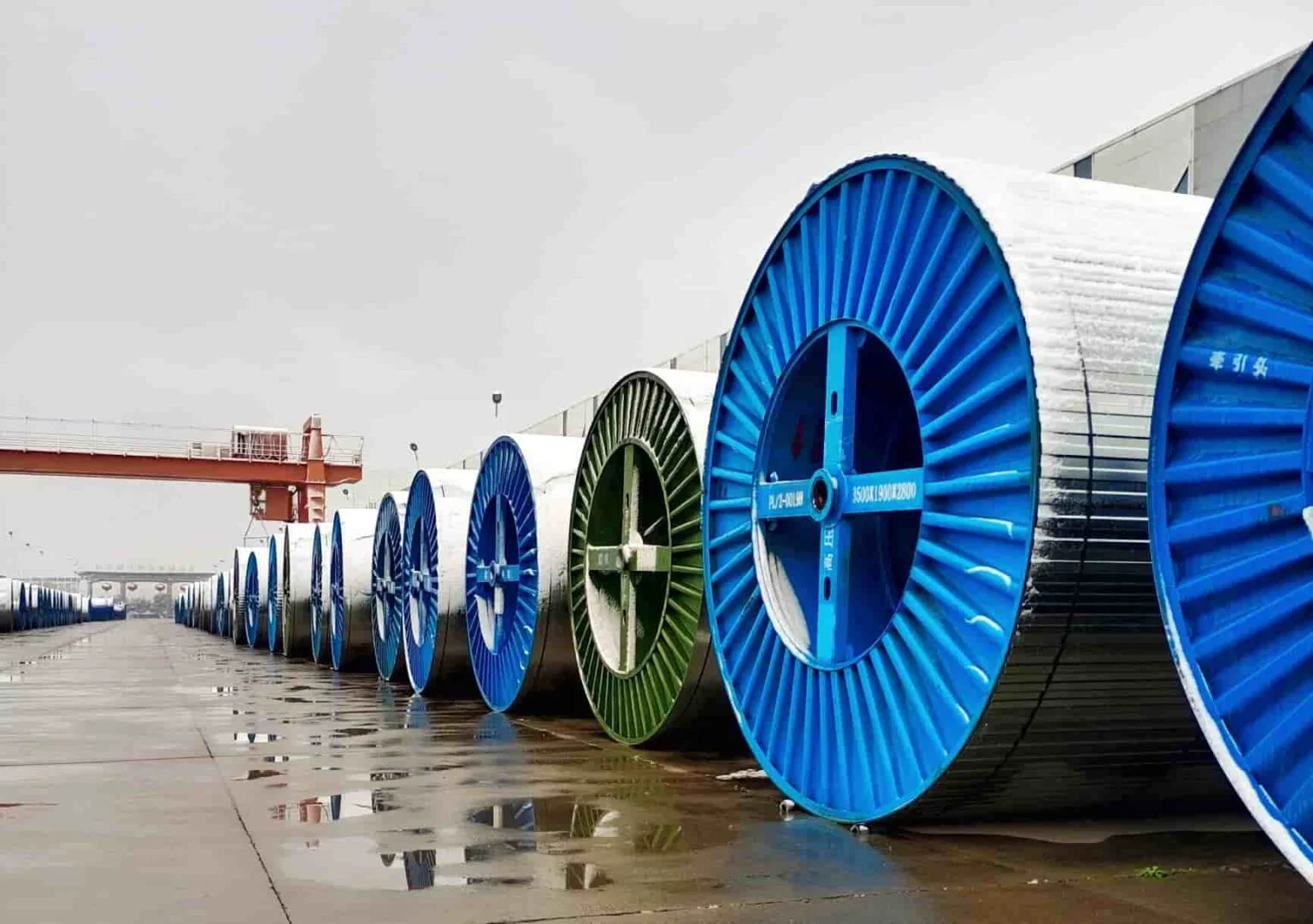
As a submarine cable manufacturer, DOS Cable closely monitors emerging corridors to support operators and consortiums developing next-generation systems.
How Submarine Cable Maps Are Used
For Telecom Operators
- Network planning
- Route diversification
- Capacity upgrades
For Data Center Providers
- Selecting optimal locations
- Understanding latency advantages
- Ensuring redundancy
For Governments
- National infrastructure planning
- Digital sovereignty strategies
- Cybersecurity assessments
For Investors
- Identifying emerging markets
- Evaluating digital infrastructure opportunities
The Evolution of the Submarine Cable Map
1. Telegraph Era (19th Century)
The first submarine telegraph cable was laid in 1858, connecting North America and Europe.
2. Coaxial Telephone Cables (20th Century)
Improved capacity but limited bandwidth.
3. Fiber Optic Revolution (1980s–Present)
Modern submarine cable maps are dominated by fiber optic systems offering terabits per second capacity.
4. Hyperscaler-Driven Expansion
Technology giants now directly invest in submarine cables to support cloud and AI infrastructure.
This shift has dramatically reshaped the submarine cable map in the last decade.
Future Trends in Submarine Cable Maps
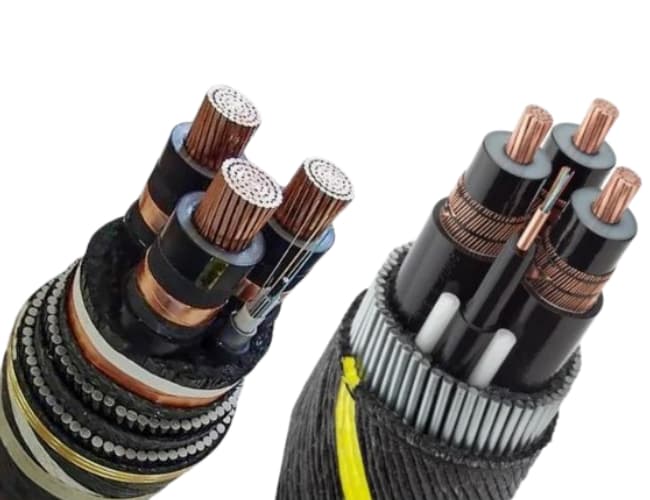
The next-generation submarine cable map will likely include:
- Higher fiber counts
- Space-division multiplexing (SDM)
- Green energy integration
- Arctic routes
- Increased private ownership
As global data demand continues to grow, submarine cable infrastructure will expand in both capacity and geographic diversity.
Challenges Facing the Submarine Cable Industry
Even though submarine cable maps appear clean and simple, the underlying projects face complex challenges:
Environmental Regulations
Marine protection laws require careful route planning and impact mitigation.
Geopolitical Tensions
International waters and cross-border infrastructure can become politically sensitive.
Physical Risks
- Earthquakes
- Fishing activities
- Ship anchors
- Sabotage concerns
Reliable manufacturing quality is critical to minimizing long-term risk.
The Role of High-Quality Manufacturing in Global Connectivity
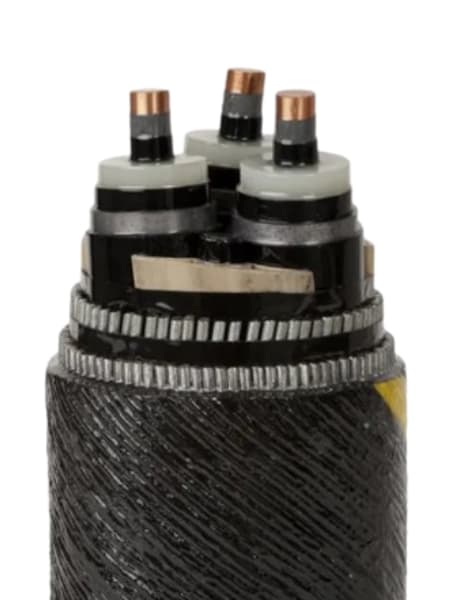
Behind every line on a submarine cable map lies a highly engineered cable system.
At DOS Cable, we understand that:
- Precision fiber alignment affects signal loss
- Armoring design determines mechanical protection
- Material quality impacts service lifespan
- Manufacturing standards ensure global compliance
We specialize in manufacturing submarine cable solutions that meet the evolving needs of telecom operators, offshore energy developers, and international infrastructure projects.
Our commitment includes:
- Advanced production lines
- Strict quality control systems
- Custom engineering solutions
- International certification compliance
When infrastructure planners examine a submarine cable map and plan a new route, they require manufacturing partners capable of delivering performance and reliability at scale. That is where DOS Cable plays a vital role.
Why Submarine Cable Maps Matter for Businesses
For businesses expanding internationally, understanding the submarine cable map can provide strategic insight into:
- Latency-sensitive applications
- Regional connectivity advantages
- Data center investment decisions
- Network resilience planning
Companies operating in finance, gaming, cloud computing, and content streaming especially benefit from studying submarine cable connectivity.
How to Interpret a Submarine Cable Map Effectively
If you are new to reading a submarine cable map, consider the following steps:
- Identify major landing hubs
- Examine cable density between regions
- Look for redundancy routes
- Review planned projects
- Assess connectivity gaps
Understanding these elements helps stakeholders make informed infrastructure decisions.
The Digital Future Depends on the Ocean Floor
Although invisible to most internet users, submarine cables form the foundation of global digital civilization. The submarine cable map is not merely a technical chart—it is a representation of how humanity connects across continents.
As data consumption grows due to:
- Artificial intelligence
- 5G expansion
- Cloud computing
- Streaming media
- IoT deployment
The submarine cable network will continue expanding.
Why Choose DOS Cable for Submarine Cable Solutions?
As a professional submarine cable manufacturer, DOS Cable is committed to supporting the next generation of global connectivity.
We offer:
- High-performance submarine fiber optic cables
- Custom armoring solutions
- Offshore power and communication cable manufacturing
- End-to-end production support
- Engineering consultation
Our expertise ensures that every kilometer of cable we manufacture contributes to a stronger, more reliable global network.
When you look at a submarine cable map, remember: behind every route is precision engineering, advanced manufacturing, and dedicated industry expertise.

What Is Submarine Cable Map?
So, what is submarine cable map?
A submarine cable map is a visual blueprint of the global digital backbone. It shows how continents connect, how economies grow, and how the world communicates in real time.
But beyond the lines and landing points, it represents innovation, infrastructure investment, and engineering excellence.
As global demand for bandwidth continues to surge, submarine cables will remain the core of international connectivity. And manufacturers like DOS Cable will continue to support this growth by delivering durable, high-capacity, and future-ready submarine cable solutions.
If your organization is planning a new project or upgrading existing infrastructure, contact DOS Cable to explore how our manufacturing expertise can power your next submarine cable deployment.
The ocean floor carries the future of the internet. Let’s build it together.