
A 220kV Cable Joint plays an important role in high-voltage power transmission systems. It connects two sections of power cables and helps electricity flow safely and smoothly. Today, many underground power networks, substations, and renewable energy projects use 220kV cable joints.
As cities grow and electricity demand increases, power companies need reliable high-voltage cable systems. Therefore, they also need high-quality cable joints that can work safely for many years.
A 220kV XLPE Cable Joint must provide good electrical insulation, strong mechanical protection, and stable conductor connections. In addition, it must control the electric field and prevent moisture from entering the joint.
We will explain the main types of 220kV cable joints, their design, installation process, technical requirements, and applications. We will also discuss how to choose a reliable 220kV Cable Joint Manufacturer.
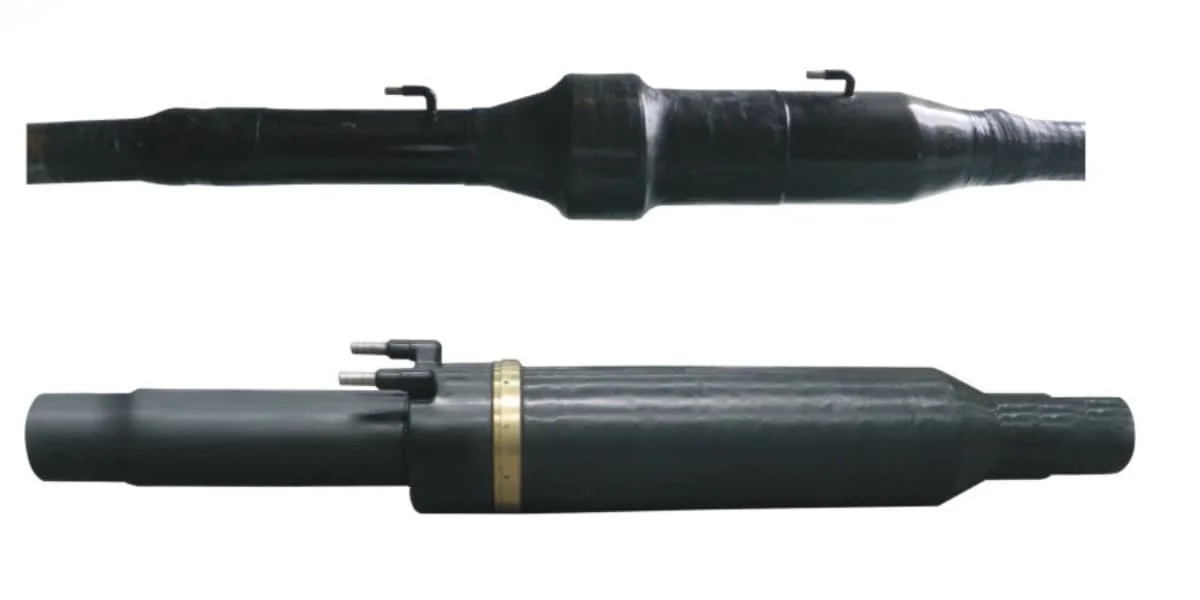
1. What Is a 220kV Cable Joint?
A 220kV Cable Joint connects two sections of high-voltage power cables. Engineers also call it a 220kV Cable Splice or High Voltage Cable Joint.
Its main purpose is to maintain electrical continuity between two cable sections. At the same time, it restores the insulation and protective layers around the connection.
Unlike low-voltage cable connectors, a 220kV high-voltage cable joint needs a special insulation structure. This structure must control electrical stress and prevent partial discharge.
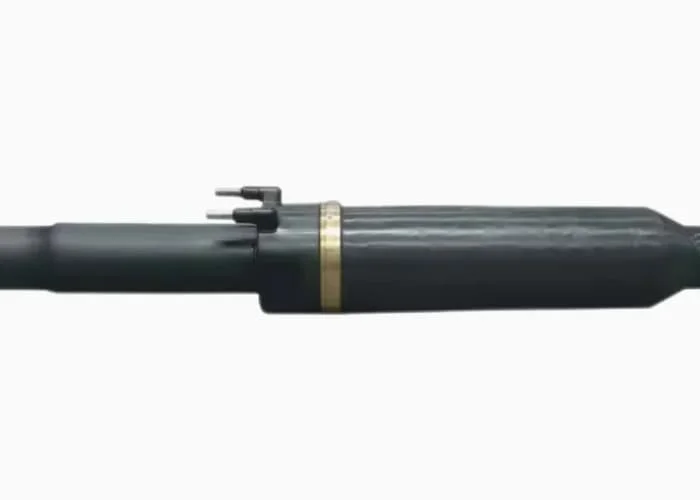
A typical 220kV XLPE cable joint includes several important components:
- Conductor connector: Connects the conductors of two cable sections.
- Main insulation: Provides electrical insulation around the conductor connection.
- Stress control unit: Controls the electric field and reduces electrical stress.
- Metallic screen: Restores the cable screen structure.
- Metal sheath connection: Provides the required sheath bonding arrangement.
- Outer protection: Protects the joint from water, dust, and mechanical damage.
Each component plays an important role. Therefore, engineers must consider the cable design and project requirements when they select a suitable joint.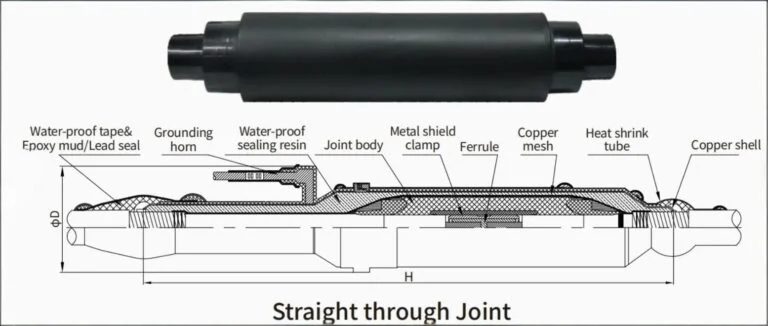
2. Main Types of 220kV Cable Joints
Different power transmission projects need different types of cable joints. The cable structure, installation location, and grounding method all affect the selection.
2.1 220kV Straight Through Joint
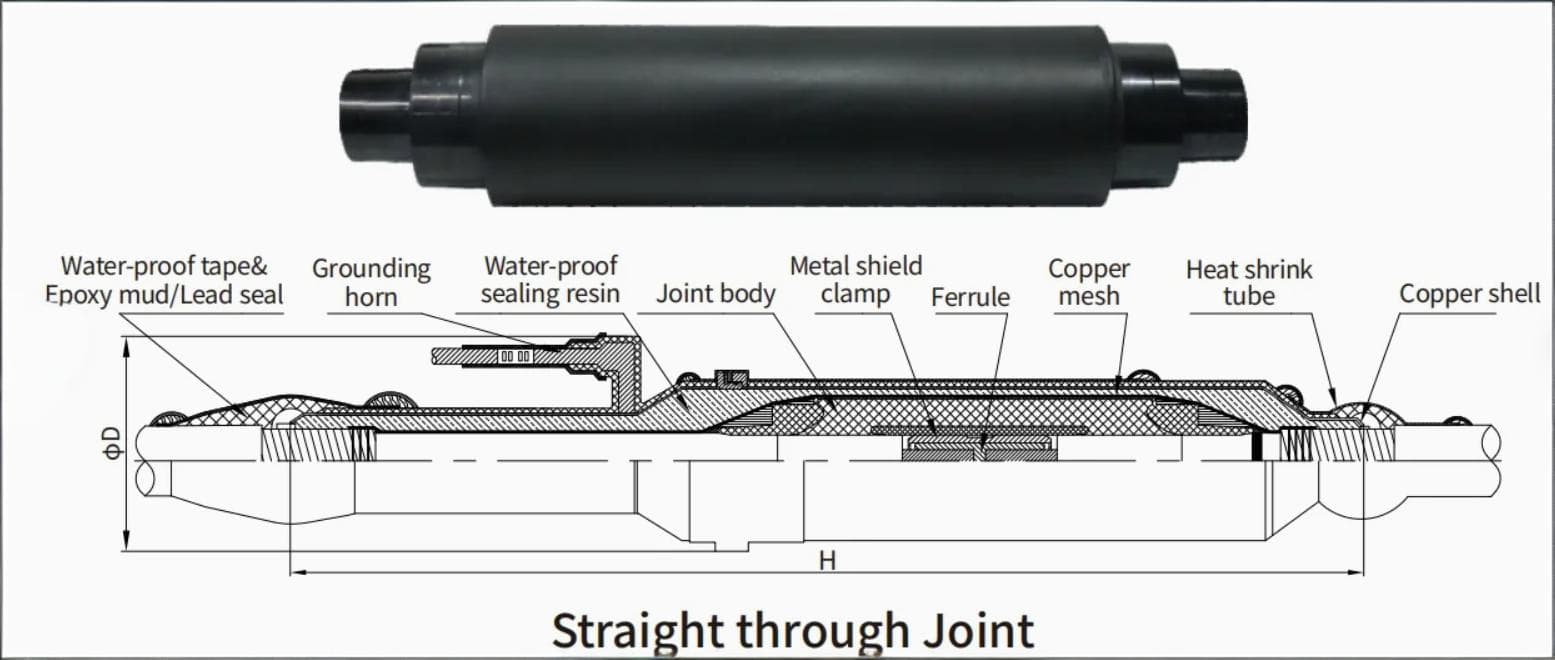
A 220kV Straight Through Joint connects two cables with the same voltage rating and compatible designs.
Engineers mainly use this type of joint in underground power transmission systems. For example, when a cable route exceeds the standard manufacturing length, they use straight through joints to connect separate cable sections.
This type of 220kV cable joint performs several important functions:
- Connects two cable conductors.
- Restores the XLPE insulation.
- Reconnects the metallic screens.
- Maintains the required metallic sheath arrangement.
- Provides reliable electrical insulation.
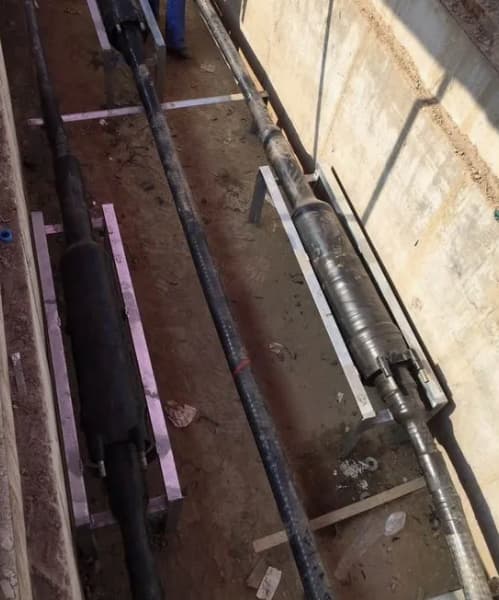
Furthermore, engineers often install straight through joints in underground joint bays. Proper installation helps the cable system operate safely for many years.
2.2 220kV Sectionalized Insulation Joint
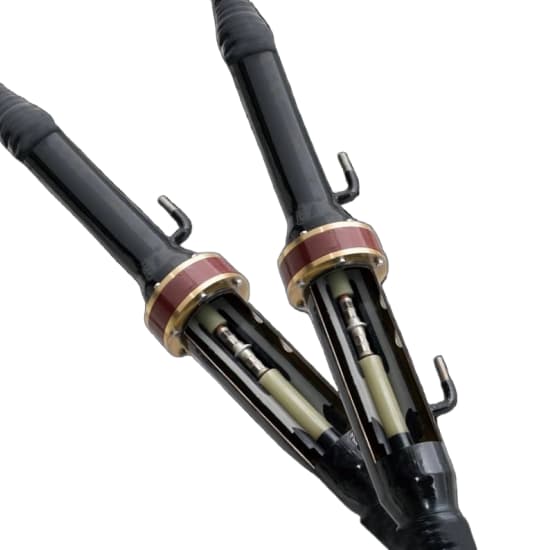
A 220kV Sectionalized Insulation Joint separates the metallic sheaths of two cable sections while keeping the main conductors electrically connected.
This design plays an important role in high-voltage cable bonding systems.
For long underground cable routes, induced voltage can appear on the metallic sheath. As a result, circulating current may increase sheath losses and cable temperature.
To solve this problem, engineers often use a cross-bonding system. In this arrangement, sectionalized insulation joints help divide the cable route into smaller sections.
Therefore, engineers can reduce sheath circulating current and improve the overall efficiency of the 220kV cable system.
2.3 220kV Transition Joint
A 220kV Transition Joint connects two cables with different designs or specifications.
For example, a project may require a connection between:
- Copper conductor cable and aluminum conductor cable.
- Different conductor cross-sections.
- Different insulation structures.
- Different metallic sheath designs.
In these situations, engineers must select a suitable conductor connector and insulation system.
They must also check the thermal and electrical performance of the connection. Otherwise, the joint may develop high contact resistance or uneven electric field distribution.
2.4 220kV Prefabricated Cable Joint
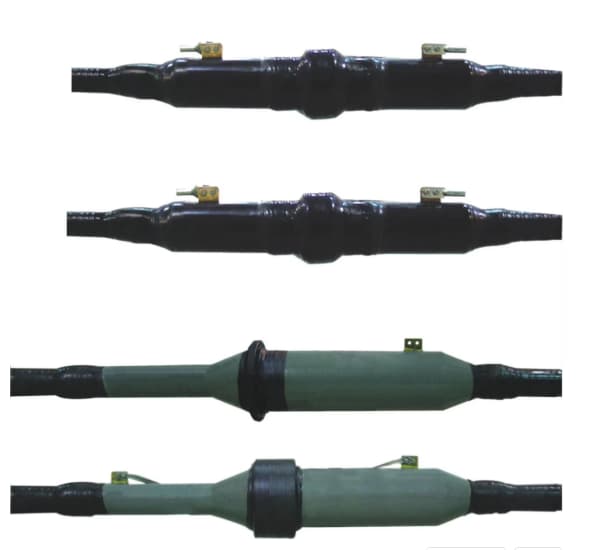
A 220kV Prefabricated Cable Joint uses factory-made insulation components. Manufacturers produce these components under controlled conditions to maintain stable quality and accurate dimensions.
Most prefabricated joints use premolded rubber insulation or silicone rubber insulation.
Compared with some traditional joint designs, prefabricated cable joints can simplify the installation process. In addition, they offer consistent insulation properties when technicians follow the manufacturer’s instructions.
Today, many high-voltage transmission projects use prefabricated 220kV cable joints because they offer reliable performance and convenient installation.
3. Technical Requirements for a 220kV XLPE Cable Joint
A 220kV XLPE Cable Joint must meet strict electrical, thermal, and mechanical requirements.
First, engineers must check the cable specifications. Then, they must select a joint that matches the cable structure and operating conditions.
3.1 Electrical Insulation Performance
Electrical insulation is one of the most important parts of a 220kV cable joint.
The insulation system must withstand normal operating voltage and temporary overvoltage. It must also meet the required electrical test conditions.
Engineers normally check the following parameters:
- Rated voltage.
- Maximum system voltage.
- Power-frequency withstand voltage.
- Lightning impulse withstand voltage.
- Partial discharge performance.
- Insulation resistance.
Moreover, the insulation system must maintain stable performance throughout the expected service life.
3.2 Electric Field Control
Electric field control directly affects the reliability of a 220kV high-voltage cable joint.
When two cables connect, the conductor connection creates a change in the original insulation structure. Consequently, the electric field may become concentrated around the connector.
Without proper stress control, this concentration may cause partial discharge and insulation damage.
For this reason, manufacturers use special stress control components in 220kV XLPE cable joints.
These components help distribute the electric field more evenly. As a result, they reduce electrical stress and improve long-term insulation performance.
3.3 Thermal Performance
During normal operation, electric current generates heat inside the cable conductor.
Therefore, a 220kV cable joint must handle the conductor’s continuous operating temperature and specified short-circuit current.
The conductor connector also needs good electrical contact. Otherwise, high contact resistance may cause local overheating.
In addition, manufacturers must consider thermal expansion and contraction when they design the joint.
3.4 Mechanical Performance
A 220kV cable joint must also withstand mechanical forces during installation and operation.
For example, underground cable systems may experience:
- Cable pulling forces.
- Thermal expansion and contraction.
- Short-circuit forces.
- External pressure.
- Soil movement and vibration.
Furthermore, the outer protection must prevent water from entering the joint. This feature becomes especially important in underground joint bays and areas with high groundwater levels.
4. International Standards for 220kV Cable Joints
International standards help engineers and manufacturers control product quality and electrical performance.
For 220kV cable accessories, IEC 62067 provides the main reference.
IEC 62067
IEC 62067 covers power cables and their accessories with extruded insulation for rated voltages above 150kV up to 500kV.
Therefore, engineers normally use this standard when they design and test 220kV XLPE cable joints.
It covers important requirements for cable systems, including electrical tests and accessory performance.
IEC 60840
IEC 60840 covers power cables and accessories with extruded insulation for rated voltages above 30kV up to 150kV.
For example, engineers commonly use it for 66kV, 110kV, and 132kV cable systems.
However, IEC 60840 does not cover 220kV cable joints. For this voltage level, IEC 62067 provides the relevant standard.
Project-Specific Requirements
Apart from IEC standards, some power companies also have their own technical specifications.
Therefore, buyers should check the project requirements before ordering 220kV cable accessories.
5. 220kV Cable Joint Installation Process
Correct installation directly affects the service life of a 220kV cable joint.
Even a high-quality product may fail if technicians make mistakes during installation. For this reason, trained cable jointers must follow the manufacturer’s installation instructions.
Step 1: Prepare the Cable
First, technicians inspect both cable ends and check their specifications.
Then, they remove the outer sheath, metallic sheath, and insulation layers according to the installation drawing.
They must also control every stripping dimension carefully. In particular, the XLPE insulation surface must remain smooth and clean.
Step 2: Connect the Conductors
Next, technicians connect the two conductors with a suitable conductor connector.
They must select the connector according to the conductor material and cross-section.
For example, copper and aluminum conductors may require different connector designs.
After making the connection, technicians check its dimensions and contact quality. This step helps prevent high contact resistance and local overheating.
Step 3: Install the Main Insulation
After connecting the conductors, technicians install the main insulation components.
For a prefabricated 220kV cable joint, they position the premolded insulation body according to the installation instructions.
Before installation, they must clean the cable insulation surface and remove all dust, moisture, and other contamination.
This step requires great care because even small surface defects may affect insulation performance.
Step 4: Restore the Metallic Screen and Sheath
Next, technicians restore the metallic screen and sheath according to the cable bonding design.
Depending on the project, the system may use:
- Single-point bonding.
- Both-end bonding.
- Cross-bonding.
Each method has different electrical characteristics. Therefore, engineers must select the correct arrangement according to the cable route and sheath voltage calculations.
Step 5: Complete the Outer Protection
After completing the electrical connections, technicians install the outer protective structure.
This structure protects the joint against water, dust, and mechanical damage.
For underground installations, technicians may also need additional waterproofing and corrosion protection.
Step 6: Perform Electrical Tests
Finally, technicians and testing engineers check the completed cable system before energization.
The project may require several tests, including:
- Visual inspection.
- Conductor continuity testing.
- Metallic sheath continuity testing.
- Sheath integrity testing.
- Electrical withstand testing.
- Partial discharge measurement, where specified.
These tests help engineers confirm the quality of the cable installation and accessory system.

6. Applications of 220kV Cable Joints
220kV cable joints support many types of high-voltage power transmission projects.
Underground Power Transmission
Large cities often use underground 220kV cables to supply electricity to residential and commercial areas.
Because manufacturers cannot always produce cables in the full route length, engineers use straight through joints to connect different cable sections.
Electrical Substations
220kV cable joints also play an important role in electrical substations.
They connect cable sections and help maintain reliable power transmission between substations and underground networks.
Renewable Energy Projects
Renewable energy projects continue to increase the demand for high-voltage cable systems.
For example, offshore wind farms and large solar power plants may use 220kV cable systems to transmit electricity to the grid.
Therefore, reliable 220kV cable accessories help improve the safety and stability of these projects.
Industrial Power Systems
Large industrial facilities need stable electricity supplies.
For example, steel plants, mining projects, petrochemical facilities, and heavy manufacturing plants may use 220kV underground power cables.
In these applications, high-quality cable joints help reduce the risk of unexpected power interruptions.
7. How to Choose a Reliable 220kV Cable Joint Manufacturer
Choosing the right 220kV Cable Joint Manufacturer is important for every high-voltage transmission project.
However, buyers should not focus only on the product price. They should also consider technical experience, product quality, and after-sales support.
Here are several important factors.
Manufacturing Experience
First, check whether the manufacturer has experience in high-voltage cable accessories.
A professional manufacturer should understand the design and technical requirements of 220kV XLPE cable joints.
Product Compatibility
Next, check whether the cable joint matches your cable specifications.
Important details include conductor material, conductor cross-section, insulation thickness, metallic sheath, and outer sheath design.
Testing Capability
A reliable manufacturer should have suitable testing equipment and quality control procedures.
In addition, buyers should request relevant type test reports and product test documents.
International Standards
Always check whether the product meets the applicable international standards.
For 220kV cable joints, IEC 62067 is particularly important.
Technical Support
Finally, consider the manufacturer’s technical support.
Good suppliers can provide product drawings, technical data sheets, installation manuals, and engineering assistance.
These services help customers complete their projects more efficiently.
8. DOS Cable – 220kV Cable Joint Manufacturer
DOS Cable is a professional manufacturer and supplier of high-voltage power cables and cable accessories for international markets.
We provide cable solutions for underground transmission networks, electrical substations, renewable energy projects, and industrial power systems.
Our product range includes high-voltage cable accessories and customized solutions for different project requirements.
Dosense Cable can support customers with:
- 220kV Straight Through Cable Joints.
- 220kV Sectionalized Insulation Joints.
- 220kV XLPE Cable Joints.
- High Voltage Cable Accessories.
- Customized cable joint solutions.
- Technical drawings and product documentation.
Furthermore, we understand that every high-voltage project has different requirements. Therefore, our technical team can review cable specifications and help customers select suitable cable joint solutions.
When selecting a 220kV cable joint,