
Khi lựa chọn dây cáp điện cho dân dụng, công nghiệp, ô tô, hàng hải, hoặc hệ thống năng lượng mặt trời, kích thước dây đóng một vai trò quan trọng trong an toàn và hiệu suất. Một trong những câu hỏi phổ biến nhất mà các thợ điện và kỹ sư hỏi là: “Có gì khác biệt giữa 1 AWG và 1/0 AWG?”
Thoạt nhìn, hệ thống đặt tên có vẻ khó hiểu vì nhiều người cho rằng 1 AWG và 1/0 AWG gần như giống hệt nhau. Tuy nhiên, sự khác biệt thực sự có ý nghĩa. Trong hệ thống đo dây của Mỹ, 1/0 AWG lớn hơn 1 AWG.
Sự khác biệt hoàn toàn giữa 1 AWG và 1/0 AWG, bao gồm đường kính dây, độ khuếch đại, sức chống cự, sụt áp, ứng dụng, tính linh hoạt, và chi phí. Đến cuối, bạn sẽ hiểu rõ kích thước cáp nào tốt hơn cho dự án của bạn.
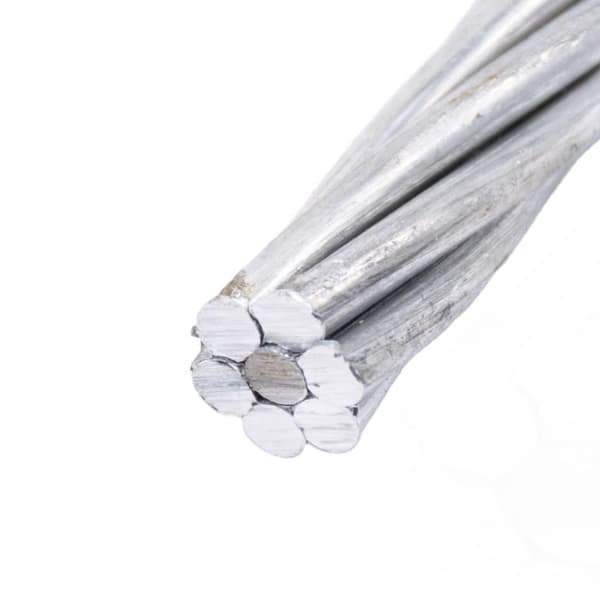
Tìm hiểu hệ thống dây AWG
AWG là viết tắt của Máy đo dây Mỹ., một hệ thống định cỡ dây tiêu chuẩn được sử dụng chủ yếu ở Bắc Mỹ. Hệ thống AWG hoạt động khác với kích thước cáp hệ mét vì số đo nhỏ hơn cho biết dây dẫn lớn hơn.
Ví dụ:
- 10 AWG lớn hơn 12 AWG
- 4 AWG lớn hơn 6 AWG
- 1 AWG nhỏ hơn 1/0 AWG
Sau đó 1 AWG, việc định cỡ tiếp tục thành các kích cỡ “aught”:
- 1/0 AWG (một cái gì đó)
- 2/0 AWG
- 3/0 AWG
- 4/0 AWG
Vì thế, 1/0 AWG là kích thước lớn hơn tiếp theo sau 1 AWG.
Nhiều người mới bắt đầu hiểu lầm điểm này khi chọn cáp ắc quy, cáp năng lượng mặt trời, hoặc dây dẫn điện công nghiệp.
Là gì 1 Dây AWG?
1 Dây AWG là dây dẫn hạng nặng thường được sử dụng trong các hệ thống điện có dòng điện từ trung bình đến cao. Nó cung cấp khả năng mang dòng điện mạnh trong khi vẫn dễ lắp đặt hơn các loại cáp lớn hơn.
Các ứng dụng điển hình bao gồm:
- Hệ thống pin năng lượng mặt trời
- Cáp ắc quy ô tô
- Hệ thống dây điện biển
- Nối đất công nghiệp
- Kết nối biến tần
- Hệ thống điện RV
Vì sự cân bằng giữa hiệu suất và tính linh hoạt, 1 AWG là một trong những kích thước dây dẫn lớn phổ biến nhất.
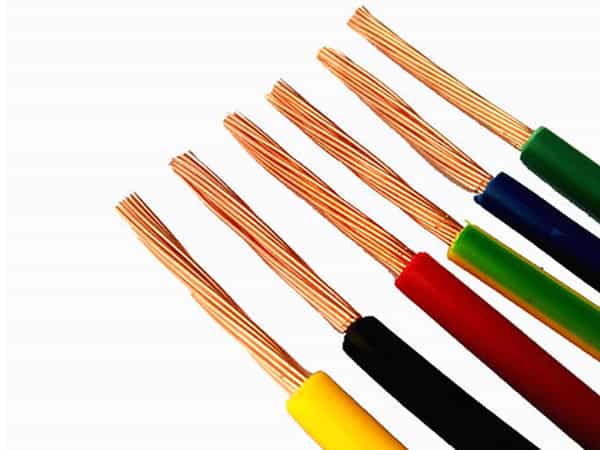
Thông số kỹ thuật điển hình của 1 AWG
| tham số | Giá trị |
|---|---|
| Đường kính | 7.35 mm |
| Diện tích mặt cắt ngang | 42.4 mm² |
| Sức chống cự | 0.4066 Ω/1000 ft |
| Độ khuếch đại điển hình | 130–150A |
| Tính linh hoạt | Tốt |
Độ khuếch đại thực tế phụ thuộc vào điều kiện lắp đặt và loại cách điện.
Là gì 1/0 Dây AWG?
1/0 dây AWG, còn được gọi là “một cái gì đó,” là dây dẫn lớn hơn được thiết kế cho các ứng dụng có công suất cao hơn. Nó chứa nhiều đồng hoặc nhôm, cho phép nó mang dòng điện lớn hơn với điện trở thấp hơn.
Nó thường được sử dụng trong:
- Bộ cấp nguồn chính
- Động cơ công nghiệp
- Ngân hàng pin lớn
- Hệ thống sạc EV
- Thiết bị hàn
- Biến tần công suất cao
So với 1 AWG, 1/0 AWG mang lại hiệu quả sử dụng điện tốt hơn, đặc biệt là trên khoảng cách xa hơn.
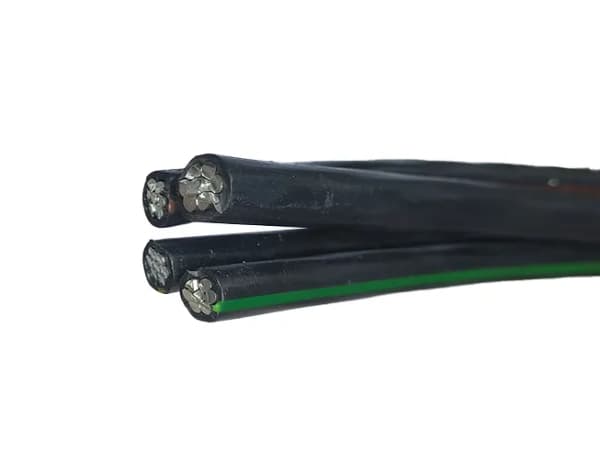
Thông số kỹ thuật điển hình của 1/0 AWG
| tham số | Giá trị |
| Đường kính | 8.25 mm |
| Diện tích mặt cắt ngang | 53.5 mm² |
| Sức chống cự | 0.321 Ω/1000 ft |
| Độ khuếch đại điển hình | 150–170A |
| Tính linh hoạt | Vừa phải |
Sự khác biệt chính giữa 1 AWG và 1/0 AWG
Sự khác biệt lớn nhất là kích thước dây dẫn.
Mặc dù sự khác biệt về kích thước vật lý có vẻ nhỏ, về mặt điện nó rất quan trọng.
So với 1 AWG, 1/0 ưu đãi AWG:
- Khả năng mang dòng điện cao hơn
- Sức đề kháng thấp hơn
- Giảm điện áp thấp hơn
- Hiệu quả tốt hơn
- Cải thiện hiệu suất nhiệt
Tuy nhiên, 1/0 AWG cũng vậy:
- Chi phí nhiều hơn
- Cân nặng hơn
- Yêu cầu kết nối lớn hơn
- Khó uốn cong hơn
Việc lựa chọn giữa chúng phụ thuộc vào tải điện và môi trường lắp đặt.
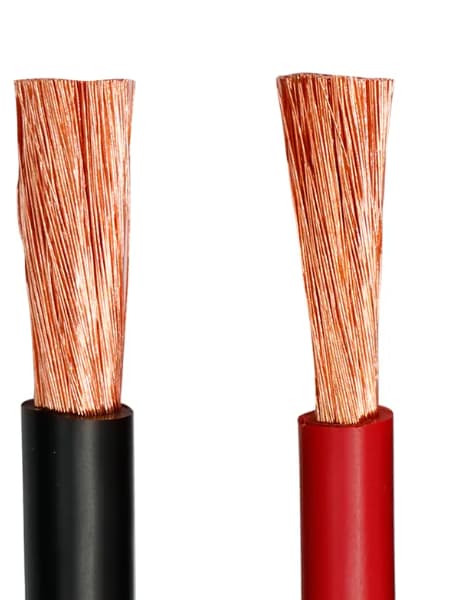
So sánh kích thước giữa 1 AWG và 1/0 AWG
Nhiều người đánh giá thấp việc lớn hơn bao nhiêu 1/0 AWG thực sự là.
| Kích thước dây | Đường kính |
| 1 AWG | 7.35 mm |
| 1/0 AWG | 8.25 mm |
Mặc dù đường kính tăng ít hơn 1 mm, diện tích mặt cắt dây dẫn tăng lên đáng kể.
So sánh diện tích mặt cắt ngang
| Kích thước dây | Khu vực |
| 1 AWG | 42.4 mm² |
| 1/0 AWG | 53.5 mm² |
Điều này có nghĩa 1/0 AWG có khoảng 26% nhiều vật liệu dẫn điện hơn 1 AWG.
Diện tích dây dẫn bổ sung đó cải thiện đáng kể hiệu suất điện.
Sự khác biệt về cường độ
Cường độ dòng điện đề cập đến dòng điện tối đa mà dây dẫn có thể mang theo một cách an toàn mà không bị quá nóng.
1 Độ khuếch đại AWG
Độ khuếch đại đồng điển hình:
- 130A đến 150A
Độ khuếch đại nhôm điển hình:
- 100A đến 120A
1/0 Độ khuếch đại AWG
Độ khuếch đại đồng điển hình:
- 150A đến 170A
Độ khuếch đại nhôm điển hình:
- 120A đến 150A
Độ khuếch đại chính xác phụ thuộc vào một số yếu tố:
- Nhiệt độ môi trường xung quanh
- Cách điện cáp
- Phương pháp cài đặt
- Số lượng dây dẫn đi kèm
- Mã điện địa phương
So sánh sụt áp
Sụt áp trở nên cực kỳ quan trọng khi chạy cáp dài.
Bởi vì 1/0 AWG có điện trở thấp hơn, nó bị mất điện áp ít hơn theo khoảng cách.
Tại sao sụt áp lại quan trọng
Sự sụt giảm điện áp quá mức có thể gây ra:
- Giảm hiệu suất thiết bị
- Động cơ quá nóng
- Tắt biến tần
- Vấn đề sạc pin
- Mất năng lượng
Vì thế, nhiều kỹ sư lựa chọn 1/0 AWG dành cho hệ thống dòng điện cao với chiều dài cáp dài.
Ví dụ về sụt áp
Giả sử một hệ thống điện hoạt động ở:
- 150 ampe
- 100 chiều dài cáp chân
sử dụng 1 AWG có thể dẫn đến sụt áp cao hơn đáng kể.
sử dụng 1/0 AWG có thể giảm sụt áp khoảng 20–25%.
Sự cải thiện này rất quan trọng trong:
- Hệ mặt trời
- Hệ thống điện hàng hải
- Máy móc công nghiệp
- Ngân hàng pin
So sánh kháng chiến
Điện trở thấp hơn cải thiện hiệu suất điện.
| Kích thước dây | Kháng mỗi 1000 ft |
| 1 AWG | 0.4066 Ồ |
| 1/0 AWG | 0.321 Ồ |
Điện trở thấp hơn có nghĩa là:
- Ít sinh nhiệt hơn
- Giảm tổn thất điện năng
- Ổn định điện áp tốt hơn
- Tuổi thọ cáp dài hơn
Đối với các ứng dụng dòng điện cao, sức đề kháng thấp hơn là vô cùng có lợi.
Sự khác biệt về trọng lượng
Từ 1/0 AWG chứa nhiều vật liệu dẫn điện hơn, nó nặng hơn đáng kể.
Điều này ảnh hưởng:
- Chi phí vận chuyển
- Tải khay cáp
- Nhân công lắp đặt
- Xử lý khó khăn
Trong các dự án công nghiệp lớn, trọng lượng cáp trở thành một yếu tố kỹ thuật quan trọng cần cân nhắc.
Tính linh hoạt và cài đặt
1 AWG thường dễ cài đặt hơn.
Nó uốn cong dễ dàng hơn và cần ít không gian lắp đặt hơn.
1/0 AWG là:
- Cứng hơn
- Nặng hơn
- Khó định tuyến hơn
- Khó khăn hơn trong không gian chật hẹp
Vì thế, người cài đặt thường thích 1 AWG khi không gian bị hạn chế.
Tuy nhiên, thiết kế cáp mềm dẻo có thể cải thiện tính linh hoạt đáng kể.
Chênh lệch chi phí giữa 1 AWG và 1/0 AWG
Cáp lớn hơn đòi hỏi nhiều vật liệu dẫn điện hơn, Vì thế 1/0 AWG đắt hơn.
Sự khác biệt về giá phụ thuộc vào:
- Giá đồng trên thị trường
- giá nhôm
- Thương hiệu cáp
- loại cách nhiệt
- Thiết kế mắc kẹt
Nói chung:
1/0 AWG có giá cao hơn khoảng 15–30% so với 1 AWG.
Phiên bản dây dẫn đồng đắt hơn đáng kể so với phiên bản nhôm.
Phiên bản đồng và nhôm
Cả hai 1 AWG và 1/0 AWG có sẵn bằng đồng và nhôm.
Ưu điểm của đồng
- Độ dẫn cao hơn
- Tính linh hoạt tốt hơn
- Chống ăn mòn tốt hơn
- Đường kính nhỏ hơn
Ưu điểm của nhôm
- Chi phí thấp hơn
- Trọng lượng nhẹ hơn
- Vận chuyển dễ dàng hơn
Tuy nhiên, dây dẫn nhôm yêu cầu:
- Kích thước dây dẫn lớn hơn
- Phương pháp chấm dứt thích hợp
- Hợp chất chống oxy hóa
Đồng vẫn là lựa chọn ưu tiên cho các hệ thống hiệu suất cao quan trọng.
Các ứng dụng phổ biến cho 1 AWG
1 AWG được sử dụng rộng rãi trong các ứng dụng dòng điện trung bình.
Sử dụng điển hình
- Hệ thống điện RV
- Kết nối pin năng lượng mặt trời
- Cáp ắc quy hàng hải
- Nâng cấp ô tô
- Nối đất công nghiệp
- Hệ thống biến tần nhỏ
Nó cung cấp một sự cân bằng tuyệt vời giữa hiệu suất, tính linh hoạt, và chi phí.
Các ứng dụng phổ biến cho 1/0 AWG
1/0 AWG được ưu tiên cho các yêu cầu lắp đặt dòng điện cao.
Sử dụng điển hình
- Nguồn cung cấp dịch vụ chính
- Thiết bị công nghiệp
- Biến tần năng lượng mặt trời công suất cao
- Hệ thống sạc EV
- Ngân hàng pin lớn
- Máy hàn
Dây dẫn lớn hơn cải thiện độ tin cậy khi tải điện nặng.
Cáp nào tốt hơn cho hệ mặt trời?
Cả hai kích cỡ dây đều có thể hoạt động tốt trong các ứng dụng năng lượng mặt trời.
Chọn 1 AWG Khi nào
- Hiện tại là dưới 150A
- Đường dây cáp ngắn
- Không gian lắp đặt bị hạn chế
- Ngân sách là quan trọng
Chọn 1/0 AWG Khi nào
- Hiện tại vượt quá 150A
- Khoảng cách cáp dài
- Sự sụt giảm điện áp phải được giảm thiểu
- Dự kiến mở rộng hệ thống
Nhiều hệ thống năng lượng mặt trời không nối lưới sử dụng 1/0 AWG dành cho kết nối pin vì dòng điện cao liên quan.
Cáp nào tốt hơn cho âm thanh xe hơi?
Hệ thống âm thanh ô tô thường yêu cầu dây dẫn lớn vì bộ khuếch đại tiêu thụ dòng điện đáng kể.
1 AWG hoạt động tốt cho
- Hệ thống khuếch đại trung bình
- Lắp đặt điện năng thấp hơn
- Chạy cáp ngắn
1/0 AWG hoạt động tốt hơn cho
- Bộ khuếch đại công suất cao
- Nhiều thiết lập bộ khuếch đại
- Hệ thống trên 2000W
Nhiều nhà lắp đặt âm thanh xe hơi chuyên nghiệp khuyên dùng 1/0 AWG để nâng cấp linh hoạt trong tương lai.
Ứng dụng hàng hải và RV
Hệ thống hàng hải và RV thường gặp dòng điện khởi động cao và đường cáp dài.
Trong những môi trường này:
- Ổn định điện áp là rất quan trọng
- Vấn đề chống ăn mòn
- Độ tin cậy là điều cần thiết
1/0 AWG thường được chọn cho các hệ thống lớn hơn vì điện áp rơi thấp hơn.
Tuy nhiên, 1 AWG vẫn phổ biến trong việc lắp đặt RV và hàng hải nhỏ hơn.
Có thể 1 AWG Thay thế 1/0 AWG?
Đôi khi nó có thể, nhưng không phải lúc nào cũng an toàn.
Sử dụng dây dẫn nhỏ hơn có thể dẫn đến:
- Quá nóng
- Giảm điện áp quá mức
- Giảm hiệu quả
- Nguy cơ hỏa hoạn
Luôn xác minh:
- Yêu cầu về mã điện
- Tính toán cường độ
- Điều kiện môi trường
- Tải hệ thống
Không bao giờ giảm kích thước cáp trong các ứng dụng dòng điện cao.
Có thể 1/0 AWG Thay thế 1 AWG?
Đúng.
Sử dụng dây dẫn lớn hơn nói chung là an toàn.
Ưu điểm bao gồm:
- Sức đề kháng thấp hơn
- Giảm nhiệt
- Hiệu quả tốt hơn
- Khả năng mở rộng trong tương lai
Tuy nhiên, cáp quá khổ tăng:
- Khó cài đặt
- Trị giá
- Yêu cầu về kích thước đầu nối
Hiểu thuật ngữ “One Aught”
Thợ điện thường đề cập đến 1/0 AWG như:
“Một chút”
Tương tự:
- 2/0 AWG = hai cái gì đó
- 3/0 AWG = ba cái gì đó
- 4/0 AWG = bốn giờ
Thuật ngữ này là tiêu chuẩn ở Bắc Mỹ.
Những cân nhắc về NEC và Bộ luật Điện
Bộ luật điện quốc gia (NEC) cung cấp các quy tắc cho:
- Độ khuếch đại
- Hiệu chỉnh nhiệt độ
- Kích thước dây dẫn
- Phương pháp cài đặt
Lựa chọn cáp phù hợp không bao giờ chỉ dựa vào biểu đồ trực tuyến.
Đánh giá kỹ thuật chuyên nghiệp được khuyến nghị cho:
- Hệ thống công nghiệp
- Công trình tiện ích
- Cài đặt hiện tại cao
- Hệ thống năng lượng tái tạo
Đánh giá nhiệt độ và cách nhiệt
Cách điện của cáp ảnh hưởng lớn đến độ khuếch đại cho phép.
Các loại cách nhiệt phổ biến bao gồm:
- THHN
- XLPE
- XHHW
- PVC
- EPDM
Xếp hạng nhiệt độ cao hơn cho phép cáp mang nhiều dòng điện hơn một cách an toàn.
Xếp hạng nhiệt độ điển hình bao gồm:
- 60°C
- 75°C
- 90°C
Dây dẫn bị mắc kẹt và dây dẫn rắn
Cả hai 1 AWG và 1/0 AWG có thể được sản xuất dưới dạng:
- Dây dẫn rắn
- Dây dẫn bị mắc kẹt
Dây dẫn bị mắc kẹt
Thuận lợi:
- Tính linh hoạt tốt hơn
- Cài đặt dễ dàng hơn
- Chống rung tốt hơn
Phổ biến ở:
- Cáp ắc quy
- Hệ thống dây điện biển
- Cáp hàn
Dây dẫn rắn
Thuận lợi:
- Chi phí thấp hơn
- Xây dựng đơn giản hơn
Thường được sử dụng trong cài đặt cố định.
Làm thế nào để lựa chọn giữa 1 AWG và 1/0 AWG
Kích thước cáp chính xác phụ thuộc vào một số yếu tố.
Yêu cầu hiện tại
Dòng điện cao hơn thường yêu cầu 1/0 AWG.
Khoảng cách cáp
Dây cáp dài hơn được hưởng lợi từ dây dẫn lớn hơn.
Ngân sách
1 AWG tiết kiệm hơn.
Không gian lắp đặt
Ưu tiên không gian nhỏ hơn 1 AWG.
Mở rộng tương lai
1/0 AWG có thể ngăn cản việc nâng cấp cáp trong tương lai.
Luôn xem xét hiệu suất hệ thống lâu dài thay vì chỉ chi phí ban đầu.
Bảng so sánh nhanh
| Tính năng | 1 AWG | 1/0 AWG |
| Đường kính | Nhỏ hơn | lớn hơn |
| Độ khuếch đại | Thấp hơn | Cao hơn |
| Sức chống cự | Cao hơn | Thấp hơn |
| Giảm điện áp | Cao hơn | Thấp hơn |
| Tính linh hoạt | Tốt hơn | Giảm |
| Cân nặng | Bật lửa | Nặng hơn |
| Trị giá | Thấp hơn | Cao hơn |
| Sử dụng chính | Dòng điện trung bình | Dòng điện cao |
suy nghĩ cuối cùng
Hiểu sự khác biệt giữa 1 AWG và 1/0 AWG rất cần thiết cho việc thiết kế hệ thống điện an toàn và hiệu quả.
Mặc dù ban đầu hệ thống đặt tên có vẻ khó hiểu, hãy nhớ quy tắc quan trọng này:
1/0 AWG lớn hơn 1 AWG.
Vì kích thước dây dẫn lớn hơn, 1/0 AWG cung cấp:
- Độ khuếch đại cao hơn
- Sức đề kháng thấp hơn
- Hiệu quả tốt hơn
- Giảm điện áp rơi
Trong khi đó, 1 ưu đãi AWG:
- Chi phí thấp hơn
- Cài đặt dễ dàng hơn
- Tính linh hoạt tốt hơn
Sự lựa chọn tốt nhất phụ thuộc vào ứng dụng cụ thể của bạn, tải điện, môi trường cài đặt, và kế hoạch mở rộng trong tương lai từ nhà sản xuất cáp.
Đối với hệ thống điện quan trọng, luôn luôn nên tham khảo ý kiến của một thợ điện hoặc kỹ sư điện được cấp phép.