
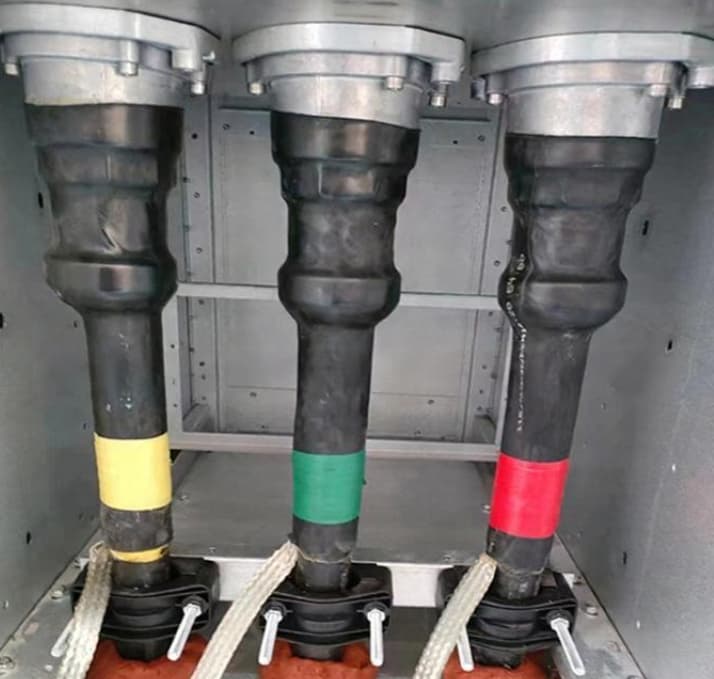
MỘT Nhà sản xuất đầu cuối plug-in hình nón bên trong cung cấp phụ kiện cáp chuyên dụng kết nối cáp điện cao thế với GIS, máy biến áp, thiết bị chuyển mạch, và các thiết bị điện khác. Công nghệ này sử dụng giao diện plug-in nhỏ gọn và hình nón ứng suất đúc sẵn để điều khiển điện trường xung quanh lớp cách điện của cáp.
So với các đầu cáp thông thường, thiết kế hình nón bên trong mang lại cấu trúc kết nối nhỏ gọn. Vì thế, nó hoạt động đặc biệt tốt trong các trạm biến áp nơi không gian lắp đặt còn hạn chế. Ngoài ra, nhiều thiết kế hiện đại sử dụng công nghệ cách nhiệt khô, giúp đơn giản hóa việc lắp đặt và giảm nhu cầu sử dụng phương tiện cách điện bằng chất lỏng.
Công nghệ plug-in hình nón bên trong có thể phục vụ điện áp trung thế, điện áp cao, và các ứng dụng điện áp cực cao. Tùy thuộc vào nhà sản xuất và thiết kế sản phẩm, các loại điện áp có sẵn có thể dao động từ khoảng 10 kV đến 500 kV.
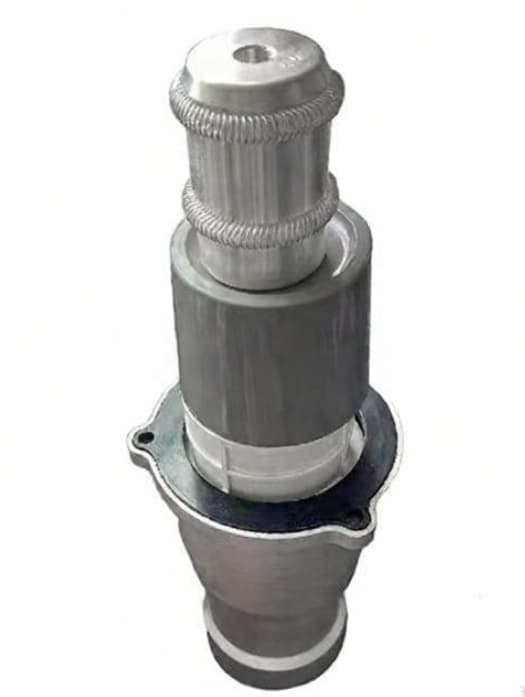
Chấm dứt trình cắm hình nón bên trong là gì?
MỘT Chấm dứt trình cắm hình nón bên trong kết nối cáp nguồn với thiết bị điện thông qua ống lót hình nón bên trong. Hệ thống thường bao gồm một hình nón căng thẳng, tiếp xúc dẫn điện, giao diện cách nhiệt, thành phần niêm phong, và các thành phần áp suất cơ học.
Nón ứng suất đóng vai trò quan trọng trong việc điều khiển điện trường. Nó phân phối ứng suất điện xung quanh lớp cách điện của cáp và làm giảm nồng độ điện trường ở cuối màn hình bán dẫn.
Trong quá trình cài đặt, đầu cáp đi vào ống lót tương ứng. Sau đó, giao diện sẽ tạo kết nối điện được điều khiển giữa cáp và thiết bị.
Kết quả là, Công nghệ hình nón bên trong có thể cung cấp một giải pháp nhỏ gọn cho:
- Thiết bị chuyển mạch GIS
- Thiết bị đóng cắt C-GIS
- Máy biến áp điện
- Trạm biến áp cách điện bằng khí
- Thiết bị chuyển mạch cao áp
- Trạm biến áp năng lượng tái tạo
- Hệ thống điện gió ngoài khơi
- Hệ thống truyền tải ngầm
- Hệ thống điện đường sắt
Giao diện ống lót phải khớp chính xác với điểm cuối. Do đó, các kỹ sư nên xác nhận kích thước giao diện trước khi chọn Nhà sản xuất đầu cuối plug-in hình nón bên trong.
Mức điện áp kết thúc plug-in hình nón bên trong
Đánh giá điện áp đại diện cho một trong những tiêu chí lựa chọn quan trọng nhất. Tuy nhiên, khách hàng nên phân biệt giữa điện áp danh định của cáp và điện áp tối đa của thiết bị.
Danh sách sau đây bao gồm các mức điện áp phổ biến hoặc có khả năng áp dụng từ 10 kV đến 500 kV.
| danh nghĩa / Điện áp thiết bị | Ứng dụng điển hình |
|---|---|
| 10 kV | Phân phối trung thế |
| 11 kV | Mạng lưới phân phối |
| 12 kV | Hệ thống trung thế |
| 15 kV | Hệ thống MV Bắc Mỹ |
| 17.5 kV | Lớp thiết bị MV |
| 20 kV | Mạng lưới phân phối |
| 22 kV | Phân phối trung thế |
| 24 kV | Thiết bị đóng cắt MV |
| 26 kV | Hệ thống cáp đặc biệt |
| 27.5 kV | Lực kéo đường sắt |
| 30 kV | Hệ thống trung thế |
| 33 kV | Phân phối và năng lượng tái tạo |
| 35 kV | Mạng trung thế |
| 36 kV | Lớp thiết bị MV |
| 38 kV | Hệ thống tiện ích được lựa chọn |
| 40.5 kV | Lớp thiết bị đóng cắt MV |
| 42 kV | Ứng dụng MV đặc biệt |
| 45 kV | Ứng dụng điện áp cao đặc biệt |
| 52 kV | Ứng dụng MV cao cấp |
| 66 kV | Phân phối điện áp cao |
| 69 kV | Truyền dẫn Bắc Mỹ |
| 72.5 kV | Lớp thiết bị điện áp cao IEC |
| 90 kV | Hệ thống điện cao thế |
| 110 kV | Hệ thống truyền tải |
| 115 kV | Truyền dẫn Bắc Mỹ |
| 126 kV | Lớp thiết bị IEC |
| 132 kV | Hệ thống truyền tải |
| 138 kV | Truyền dẫn Bắc Mỹ |
| 145 kV | Lớp thiết bị IEC |
| 150 kV | Mạng truyền dẫn được lựa chọn |
| 170 kV | Lớp thiết bị IEC |
| 220 kV | Hệ thống truyền tải |
| 230 kV | Truyền dẫn Bắc Mỹ |
| 245 kV | Lớp thiết bị IEC |
| 275 kV | Truyền tải điện áp cao |
| 300 kV | Ứng dụng truyền dẫn đặc biệt |
| 330 kV | Truyền tải điện áp cao |
| 345 kV | Truyền dẫn Bắc Mỹ |
| 362 kV | Lớp thiết bị IEC |
| 400 kV | Truyền tải điện áp cực cao |
| 420 kV | Lớp thiết bị IEC |
| 500 kV | Truyền tải điện áp cực cao |
Bảng này bao gồm các điện áp danh định thường được sử dụng và các loại thiết bị. Tuy nhiên, không phải mọi cấp điện áp đều đại diện cho một sản phẩm hình nón bên trong tiêu chuẩn.
Ví dụ, một số nhà sản xuất cung cấp hệ thống hình nón bên trong lên đến 52 kV, trong khi các dòng sản phẩm khác bao gồm các loại điện áp cao hơn như 72.5 kV, 145 kV, 245 kV, hoặc xa hơn. Vì thế, các kỹ sư nên đánh giá từng dự án theo giao diện cáp và ống lót thực tế.
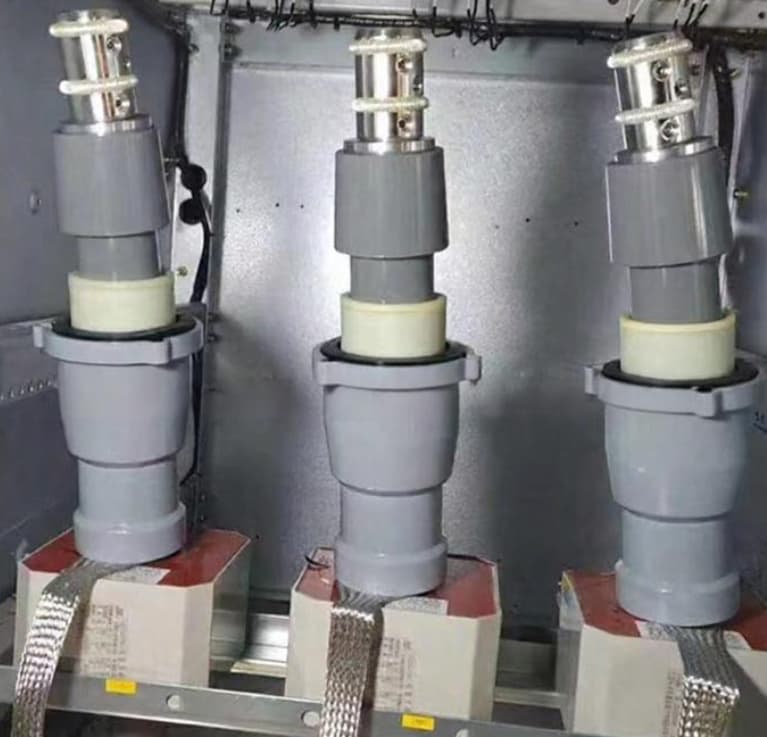
10Đầu cuối plug-in hình nón bên trong kV đến 52kV
các 10 kV đến 52 Phạm vi kV đại diện cho một lĩnh vực ứng dụng quan trọng đối với các phụ kiện cáp cắm.
Xếp hạng điện áp cáp phổ biến bao gồm:
- 6/10 kV
- 8.7/15 kV
- 12/20 kV
- 18/30 kV
- 19/33 kV
- 26/35 kV
Ở các mức điện áp này, các nhà sản xuất thường sử dụng nón căng thẳng bằng cao su silicon đúc sẵn. Silicone cung cấp khả năng cách điện tốt và duy trì áp suất bề mặt phù hợp trong phạm vi nhiệt độ hoạt động rộng.
Hơn nữa, Cấu trúc plug-in nhỏ gọn cho phép các kỹ sư lắp đặt kết nối cáp bên trong thiết bị đóng cắt hoặc ngăn máy biến áp với không gian hạn chế.
Vì 10 kV, 20 kV, 24 kV, 30 kV, 33 kV, Và 35 hệ thống kV, nhà sản xuất thường chọn đầu nối theo đường kính cách điện của cáp và tiết diện dây dẫn.
Vì thế, khách hàng nên cung cấp kích thước cáp đầy đủ thay vì chỉ định mức điện áp.
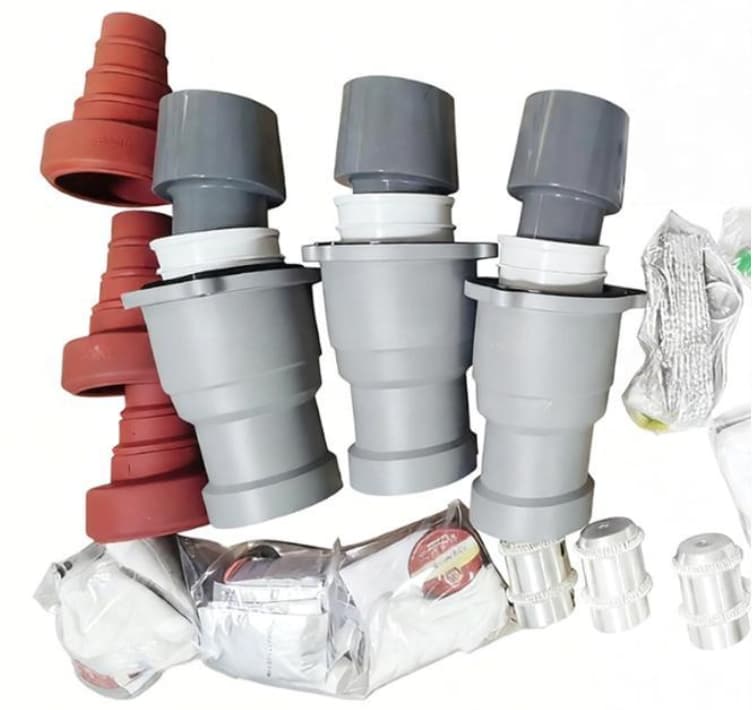
66Đầu cuối plug-in hình nón bên trong kV đến 145kV
các 66 kV đến 145 Dải kV gia nhập thị trường phụ kiện cáp cao thế.
Các mức điện áp điển hình bao gồm 66 kV, 69 kV, 72.5 kV, 90 kV, 110 kV, 115 kV, 126 kV, 132 kV, 138 kV, Và 145 kV.
Ở các mức điện áp này, Điều khiển điện trường ngày càng trở nên quan trọng. Nhà sản xuất phải phối hợp cẩn thận hình dạng hình nón ứng suất với lớp cách nhiệt XLPE, màn hình bán dẫn, và giao diện ống lót.
Ví dụ, Một 110 kV hoặc 132 Đầu cuối cáp kV không thể đơn giản sử dụng cấu trúc giống như đầu cuối cáp kV. 20 chấm dứt kV. Điện áp hoạt động cao hơn đòi hỏi khả năng cách điện cao hơn và phân loại trường chính xác hơn.
Ngoài ra, điểm kết thúc phải phù hợp với GIS hoặc ống lót máy biến áp về mặt cơ học và điện.
IEC 62271-209 cung cấp các yêu cầu quan trọng đối với kết nối cáp giữa thiết bị đóng cắt điện áp cao và cáp. Do đó, khách hàng nên kiểm tra tiêu chuẩn giao diện hiện hành trước khi đặt hàng.
170Đầu cuối plug-in hình nón bên trong kV đến 245kV
các 170 kV đến 245 Phạm vi kV bao gồm các ứng dụng truyền tải chính.
Các lớp điện áp phổ biến bao gồm:
- 170 kV
- 220 kV
- 230 kV
- 245 kV
Trong số những giá trị này, 245 kV đại diện cho cấp điện áp quan trọng của thiết bị IEC.
Đầu cuối hình nón bên trong điện áp cao yêu cầu kiểm soát cẩn thận áp suất giao diện. Nón ứng suất cũng phải duy trì hiệu suất điện ổn định trong suốt thời gian sử dụng của hệ thống cáp.
Hơn thế nữa, nhà sản xuất nên đánh giá hiệu suất phóng điện cục bộ, AC chịu được điện áp, Điện áp chịu xung sét, và đặc tính nhiệt.
Đối với một 220 kV hoặc 230 dự án kV, do đó khách hàng nên cung cấp kết cấu cáp, kích thước dây dẫn, độ dày cách nhiệt, đường kính cách nhiệt, và thông tin ống lót GIS.
Thông tin này cho phép Nhà sản xuất đầu cuối plug-in hình nón bên trong để chọn đúng kích thước giao diện và điểm kết thúc.
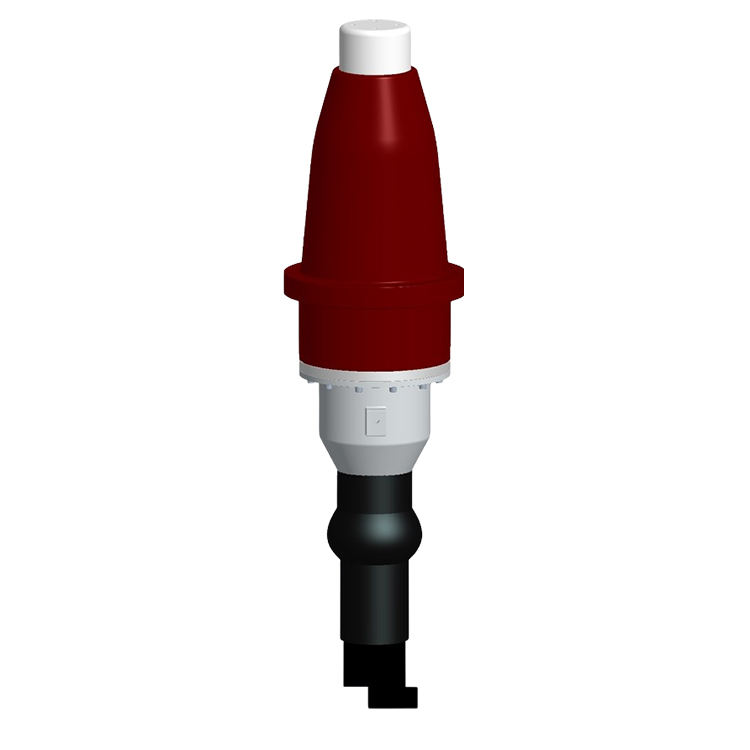
275Chấm dứt trình cắm hình nón bên trong kV đến 500kV
Ứng dụng trên 245 kV thuộc trường truyền tải siêu cao áp.
Các mức điện áp tiềm năng của dự án bao gồm 275 kV, 300 kV, 330 kV, 345 kV, 362 kV, 400 kV, 420 kV, Và 500 kV.
Ở các mức điện áp này, thiết kế chấm dứt trở nên khắt khe hơn đáng kể. Các kỹ sư phải xem xét hệ thống cơ và điện hoàn chỉnh thay vì chỉ dừng lại.
Các thông số thiết kế quan trọng bao gồm:
- Đường kính dây dẫn cáp
- Mặt cắt dây dẫn
- Độ dày cách nhiệt XLPE
- Đường kính cách điện cáp
- Màn hình bán dẫn
- Hình học ứng suất hình nón
- Phân bố điện trường
- Áp lực giao diện
- Hiệu suất xả một phần
- AC chịu được điện áp
- Điện áp chịu xung sét
- Chuyển mạch điện áp chịu xung
- Hiệu suất ngắn mạch
- Hiệu suất nhiệt
- Kích thước giao diện cơ khí
MỘT 500 Hệ thống cáp kV yêu cầu kỹ thuật đặc biệt cẩn thận. Đầu cuối phải hoạt động cùng với cáp, Ống lót GIS hoặc máy biến áp, hệ thống nối đất, và môi trường cài đặt.
Vì thế, Một 500 Việc chấm dứt trình cắm hình nón kV bên trong thường liên quan đến kỹ thuật và thử nghiệm dành riêng cho dự án. Khách hàng không nên chỉ lựa chọn sản phẩm bằng cách phù hợp với điện áp danh định.
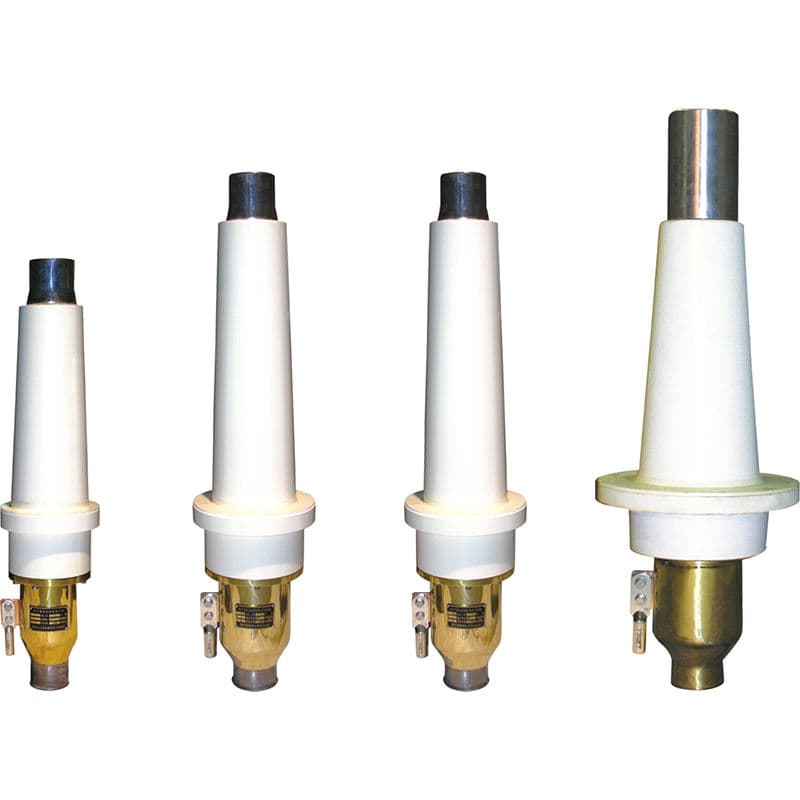
Tại sao nên chọn đầu cuối plug-in hình nón bên trong?
Thiết kế nhỏ gọn mang lại một trong những ưu điểm chính của công nghệ hình nón bên trong.
Đầu tiên, kết nối plug-in có thể tiết kiệm không gian cài đặt. Tính năng này trở nên có giá trị trong các trạm biến áp GIS và lắp đặt máy biến áp nhỏ gọn.
Thứ hai, nhiều thiết kế sử dụng vật liệu cách nhiệt loại khô. Vì thế, Quá trình lắp đặt không yêu cầu hệ thống kết nối cáp dầu.
thứ ba, hình nón ứng suất đúc sẵn cung cấp khả năng phân phối điện trường được kiểm soát. Thiết kế này giúp duy trì hiệu suất cách điện đáng tin cậy xung quanh khu vực đầu cáp.
Ngoài ra, kết nối plug-in có thể đơn giản hóa việc kết nối thiết bị và bảo trì trong tương lai khi thiết kế thiết bị cho phép loại bỏ đầu cuối cáp.
Tuy nhiên, đội lắp đặt phải làm theo hướng dẫn của nhà sản xuất một cách cẩn thận. Chuẩn bị cáp, loại bỏ chất bán dẫn, định vị hình nón ứng suất, liên hệ cài đặt, và làm sạch giao diện đều ảnh hưởng đến hiệu suất cuối cùng.
Cách chọn nhà sản xuất đầu cuối plug-in hình nón bên trong
Khách hàng nên xem xét một số yếu tố kỹ thuật khi lựa chọn một Nhà sản xuất đầu cuối plug-in hình nón bên trong.
1. Điện áp định mức
Xác nhận điện áp danh định của cáp và điện áp tối đa của thiết bị. Hai giá trị này không phải lúc nào cũng có cùng giá trị số.
2. Kích thước dây dẫn cáp
Mặt cắt dây dẫn ảnh hưởng trực tiếp đến tiếp điểm đầu cuối và thiết kế cơ khí.
Kích thước dây dẫn điển hình có thể từ dây dẫn trung thế nhỏ đến dây dẫn cáp truyền tải lớn.
3. Đường kính cách điện cáp
Đường kính cách nhiệt đại diện cho một trong những thông số kích thước quan trọng nhất. Đầu nối được thiết kế cho một đường kính cáp có thể không vừa với cáp khác có cùng điện áp danh định.
4. Giao diện ống lót
Đầu côn bên trong phải phù hợp với ống lót GIS hoặc máy biến áp tương ứng.
Vì thế, khách hàng nên cung cấp loại ống lót, kích thước giao diện, và các bản vẽ kỹ thuật liên quan bất cứ khi nào có thể.
5. Yêu cầu kiểm tra
Nhà sản xuất đủ tiêu chuẩn phải cung cấp tài liệu kiểm tra liên quan. Tùy theo cấp điện áp, dự án có thể yêu cầu thử nghiệm phóng điện cục bộ, Kiểm tra khả năng chịu đựng AC, kiểm tra xung, thử nghiệm nhiệt, và xác minh khác.
6. Hỗ trợ cài đặt
Một nhà sản xuất đáng tin cậy cũng nên cung cấp hướng dẫn cài đặt và hỗ trợ kỹ thuật.
Đối với các dự án truyền tải lớn, đào tạo lắp đặt có thể làm giảm hơn nữa nguy cơ chuẩn bị cáp không chính xác.
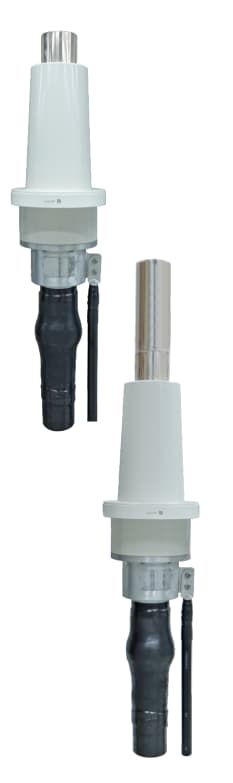
Nhà sản xuất đầu cuối plug-in hình nón bên trong cho thị trường toàn cầu
Các quốc gia khác nhau sử dụng hệ thống điện áp truyền tải và phân phối khác nhau. Vì thế, một nhà sản xuất quốc tế cần hiểu nhiều tiêu chuẩn điện áp.
Đối với ứng dụng trung thế, khách hàng có thể yêu cầu 10 kV, 11 kV, 12 kV, 15 kV, 20 kV, 22 kV, 24 kV, 30 kV, 33 kV, 35 kV, hoặc 36 hệ thống kV.
Các dự án ở Bắc Mỹ có thể sử dụng 15 kV, 25 kV, 35 kV, 69 kV, 115 kV, 138 kV, 230 kV, hoặc 345 hệ thống kV.
Trong khi đó, Mạng truyền dẫn dựa trên IEC thường sử dụng các loại thiết bị như 72.5 kV, 145 kV, 170 kV, 245 kV, 362 kV, Và 420 kV.
Các dự án điện áp cực cao có thể yêu cầu 400 kV, 500 kV, hoặc các mức điện áp dành riêng cho dự án khác.
Kết quả là, một người có kinh nghiệm Nhà sản xuất đầu cuối plug-in hình nón bên trong nên đánh giá đặc điểm kỹ thuật hoàn chỉnh của dự án trước khi đề xuất một sản phẩm.
Cáp Dosense như một nhà sản xuất đầu cuối plug-in hình nón bên trong
Dosense Cable tập trung vào hệ thống cáp điện và phụ kiện cáp cho trung thế, điện áp cao, và các ứng dụng điện áp cực cao.
Là một Nhà sản xuất đầu cuối plug-in hình nón bên trong, Dosense Cable có thể phát triển các giải pháp đầu cuối cáp theo cấp điện áp, kích thước dây dẫn, đường kính cách nhiệt, xây dựng cáp, Giao diện GIS, giao diện máy biến áp, và yêu cầu của dự án.
Đối với một dự án mới, khách hàng có thể cung cấp các thông tin sau:
- Điện áp cáp
- Vật liệu dẫn điện
- Mặt cắt dây dẫn
- Loại cách điện cáp
- Đường kính cách nhiệt
- Độ dày cách nhiệt
- Cấu trúc màn hình cáp
- GIS hoặc loại ống lót máy biến áp
- Đánh giá hiện tại
- Môi trường cài đặt
- Tiêu chuẩn kiểm tra bắt buộc
Với những thông số này, nhà sản xuất có thể xác định thiết kế hình nón bên trong phù hợp và đưa ra đề xuất kỹ thuật.
MỘT Chấm dứt trình cắm hình nón bên trong cung cấp một kết nối nhỏ gọn và đáng tin cậy giữa cáp điện áp cao và thiết bị điện. Từ 10 hệ thống điện trung thế kV 500 Dự án truyền tải siêu cao áp kV, các cấp điện áp khác nhau yêu cầu hệ thống cách điện khác nhau, giao diện, cấu trúc kiểm soát căng thẳng, và thủ tục kiểm tra.
Vì lý do này, chọn đúng Nhà sản xuất đầu cuối plug-in hình nón bên trong yêu cầu nhiều hơn là kiểm tra định mức điện áp. Kích thước cáp, giao diện ống lót, yêu cầu về điện, điều kiện cơ khí, và các tiêu chuẩn áp dụng đều phải được xem xét cẩn thận.
Dosense Cable có thể làm việc với khách hàng để phát triển các giải pháp đầu cuối cáp phù hợp cho các mức điện áp và giao diện thiết bị cụ thể.