
Submarine cables are the backbone of global communication and international energy transmission. Hidden beneath the ocean floor, these cables connect continents, transmit electricity from offshore wind farms, and support the infrastructure of the modern digital economy. Behind every reliable subsea cable system stands a Nhà sản xuất cáp ngầm, a specialized company responsible for designing, engineering, sản xuất, and supporting these highly complex cables.
MỘT Nhà sản xuất cáp ngầm does far more than simply produce cable products. Their role covers the entire lifecycle of a submarine cable project—from research and development to engineering design, manufacturing, testing, installation support, and long-term maintenance. Because submarine cables must operate in extremely harsh underwater environments for decades, the work of a submarine cable manufacturer requires advanced technology, kiểm soát chất lượng nghiêm ngặt, and extensive industry experience.
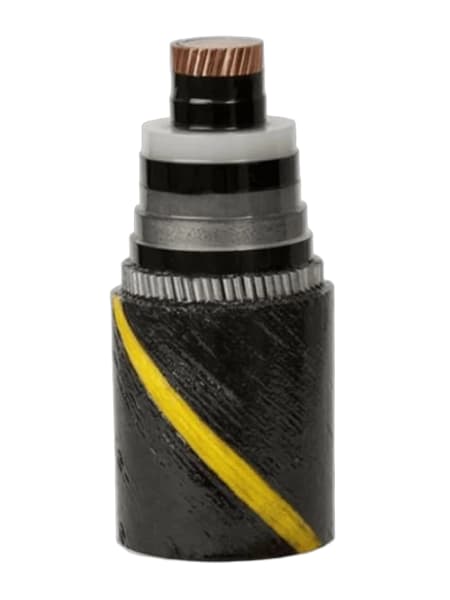
Understanding Submarine Cable Systems
Before exploring the work of a Nhà sản xuất cáp ngầm, it is important to understand what submarine cables are and how they function.
Submarine cables are specially designed cables laid on the seabed to transmit electrical power or communication signals across oceans, biển, and rivers. They are engineered to withstand high pressure, ăn mòn, căng thẳng cơ học, and temperature changes under the ocean.
Submarine cables are generally divided into two main categories.
Cáp thông tin ngầm dưới biển
These cables use fiber optic technology to transmit massive volumes of digital data. They form the foundation of the global internet, enabling communication between countries and continents.
Submarine communication cables support:
- Lưu lượng truy cập internet quốc tế
- Global telecommunications networks
- Data centers and cloud infrastructure
- Financial trading networks
Qua 95 percent of global data transmission relies on submarine fiber optic cables.
Cáp điện ngầm
Submarine power cables transmit electricity across bodies of water. These cables are widely used in renewable energy and cross-border power grids.
Common applications include:
- Trang trại gió ngoài khơi
- Island power supply
- Interconnection between national power grids
- Oil and gas offshore platforms
Both types of cables require extremely high reliability because repairing submarine cables in deep water can be technically difficult and very expensive. This is why the expertise of a Nhà sản xuất cáp ngầm is so critical.
Research and Development
One of the primary responsibilities of a Nhà sản xuất cáp ngầm is research and development. Submarine cables must operate reliably for 25 to 40 years in challenging marine environments, so continuous technological innovation is essential.
Manufacturers invest heavily in developing new materials, insulation technologies, and structural designs that improve cable performance and durability.
Research typically focuses on several key areas.
Advanced Insulation Materials
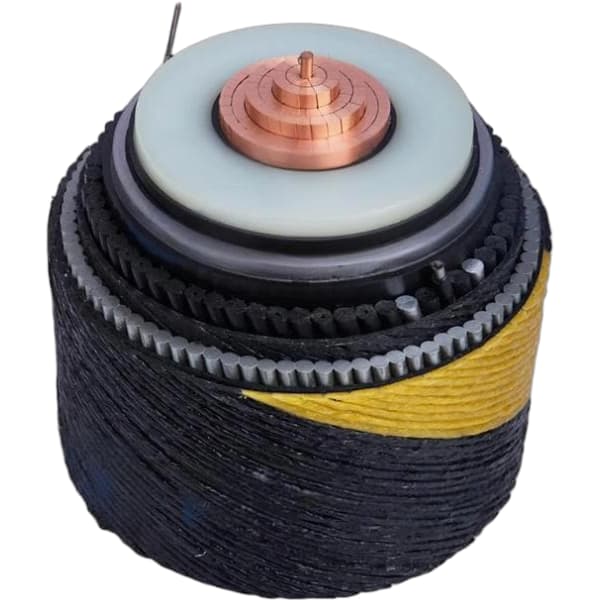
Insulation materials must withstand high voltage, áp lực , and temperature variations. Manufacturers develop specialized compounds such as cross-linked polyethylene (XLPE) or ethylene propylene rubber (EPR) to ensure electrical stability.
Chống ăn mòn
Seawater is extremely corrosive. Submarine cable manufacturers research protective layers and coatings that prevent corrosion and extend the lifespan of the cable.
Độ bền cơ học
Submarine cables must survive installation, seabed movement, hoạt động đánh bắt cá, and ocean currents. Engineers design reinforced armoring systems to protect the cable core.
High-Capacity Data Transmission
For fiber optic submarine cables, manufacturers continuously improve data transmission capacity, allowing cables to carry larger amounts of information across longer distances.
Through ongoing innovation, Một Nhà sản xuất cáp ngầm ensures that modern submarine cable systems remain efficient, đáng tin cậy, and capable of meeting growing global demand.
Engineering Design
After research and development, the next major task of a Nhà sản xuất cáp ngầm is engineering design. Each submarine cable project is unique, and cables must be customized based on environmental conditions and operational requirements.
Engineers analyze many factors before designing the cable.
These factors include:
- Độ sâu nước
- Điều kiện đáy biển
- Ocean currents
- Electrical voltage requirements
- Transmission capacity
- Installation methods
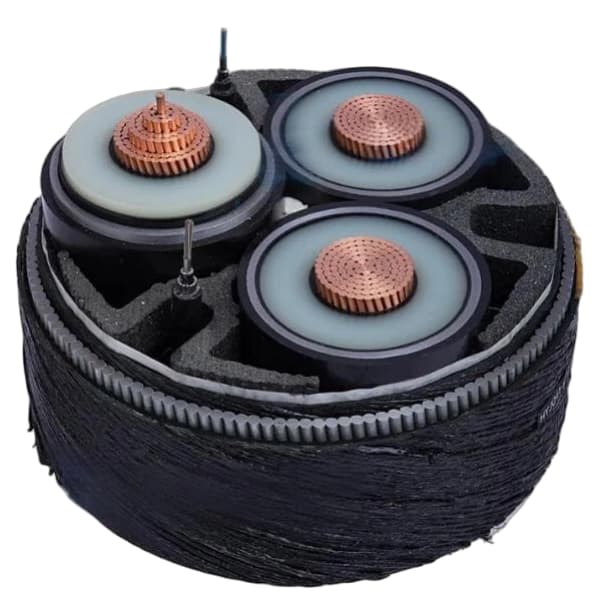
Based on these factors, engineers determine the cable structure, conductor size, insulation thickness, armoring type, and protective layers.
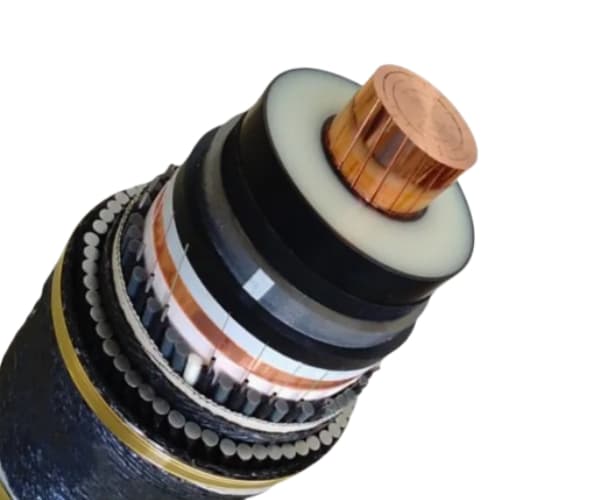
A typical submarine power cable may include the following layers:
- Dây dẫn bằng đồng hoặc nhôm
- Màn hình dây dẫn
- Electrical insulation
- Màn cách nhiệt
- Waterproof barrier
- Metallic sheath
- Lớp đệm
- Steel armoring
- Outer protective sheath
Designing a reliable submarine cable requires advanced simulation tools, mechanical analysis, and electrical engineering expertise. This stage is a critical responsibility of every Nhà sản xuất cáp ngầm.
Manufacturing Submarine Cables
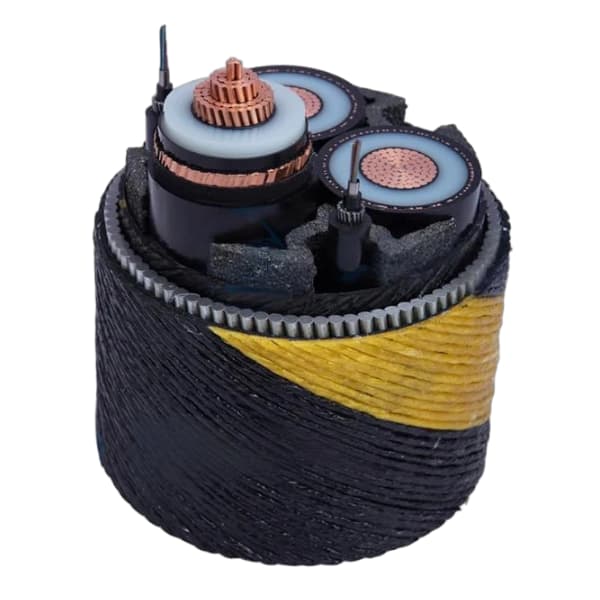
The core function of a Nhà sản xuất cáp ngầm is the production of submarine cables. Manufacturing these cables involves complex processes and specialized equipment.
The production process typically includes several major stages.
Conductor Production
The conductor is the central component responsible for transmitting electricity or signals. Copper and aluminum are the most common materials used.
Manufacturers produce conductors through processes such as:
- Wire drawing
- Stranding
- Compaction
These processes ensure the conductor has the required electrical conductivity and mechanical strength.
Insulation Extrusion
After the conductor is manufactured, insulation is applied using high-precision extrusion technology.
For power cables, insulation materials such as XLPE are commonly used because they provide excellent dielectric properties and thermal resistance.
During extrusion, strict temperature and pressure control is required to prevent defects in the insulation layer.
Metallic Sheath Application
Submarine cables require a waterproof barrier to prevent seawater from entering the cable core. Manufacturers apply a metallic sheath, often made of lead or aluminum, to provide this protection.
The metallic sheath also helps maintain electrical stability and mechanical strength.
bọc thép
To protect the cable from mechanical damage, steel armoring is applied around the cable. The type and thickness of armoring depend on the installation environment.
For shallow water installations where fishing activity is common, heavy double armoring may be required.
For deep-sea installations, lighter armoring may be sufficient.
Outer Sheath
Cuối cùng, an outer protective sheath made of polyethylene or similar materials is applied. This layer protects the cable from abrasion, ăn mòn, and environmental damage.
Throughout the manufacturing process, Một Nhà sản xuất cáp ngầm must maintain extremely strict quality standards to ensure reliability.
Quality Control and Testing
Submarine cables must meet international technical standards and pass extensive testing before installation.
MỘT Nhà sản xuất cáp ngầm performs numerous tests to verify cable performance.
These tests may include:
Kiểm tra điện
Electrical tests ensure the cable can safely operate at its rated voltage and current.
Common electrical tests include:
- Kiểm tra phóng điện cục bộ
- High-voltage testing
- Insulation resistance testing
Mechanical Testing
Mechanical tests verify the cable’s ability to withstand tension and bending during installation.
Examples include:
- Tensile strength testing
- Bending tests
- Impact resistance tests
Environmental Testing
Environmental testing simulates the harsh conditions found in marine environments.
These tests evaluate:
- Temperature resistance
- Water penetration
- Corrosion resistance
Only after passing these rigorous tests can the cable be delivered for installation.
Project Engineering and Customization
Every submarine cable project is unique. MỘT Nhà sản xuất cáp ngầm works closely with project developers, utility companies, and installation contractors to customize the cable system.
Project engineering services may include:
- Route analysis and seabed surveys
- Cable system design
- Technical documentation
- Installation planning
- Logistics coordination
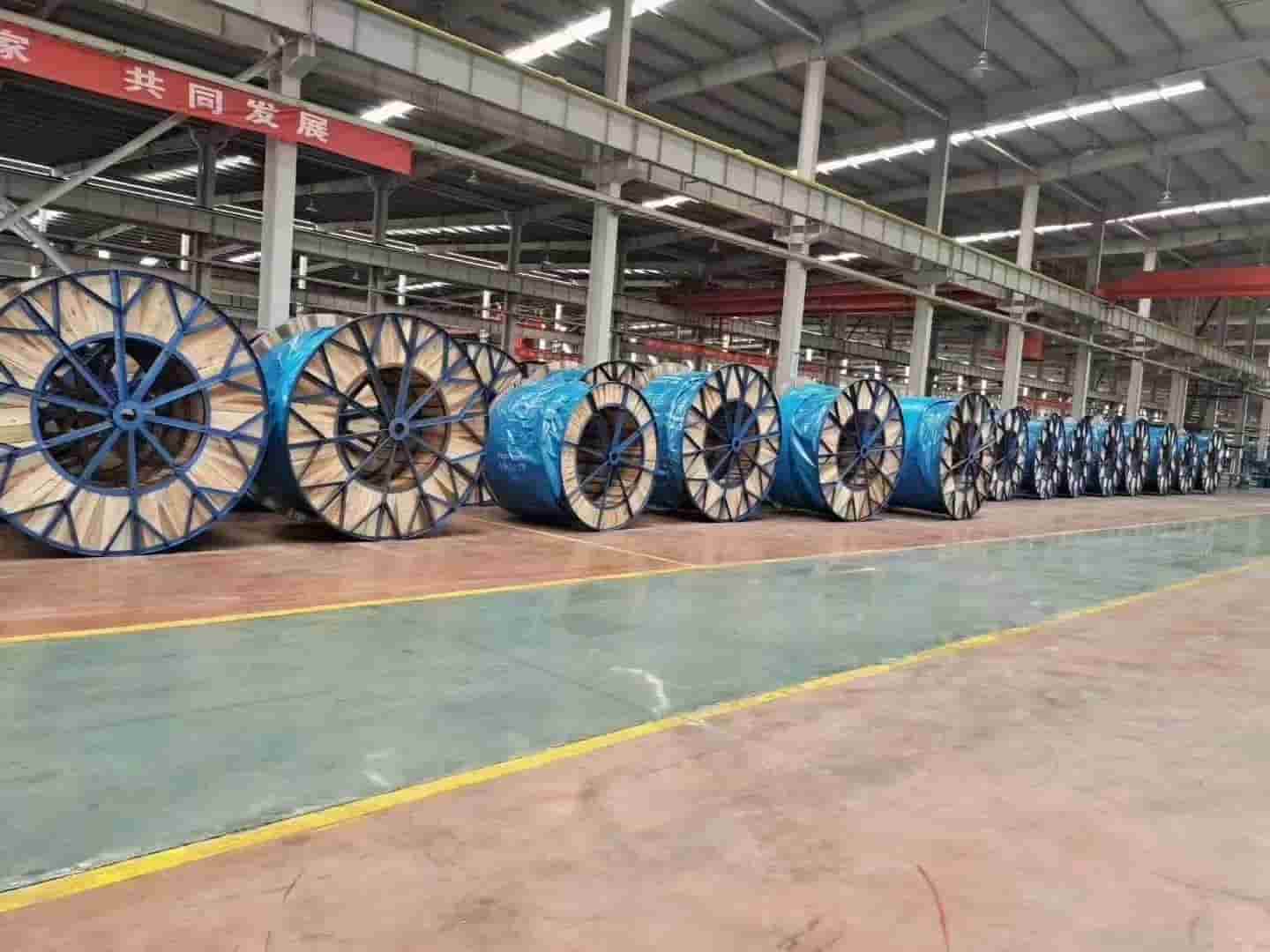
Because submarine cables are often manufactured in extremely long continuous lengths, manufacturers must carefully plan transportation and handling.
Large turntables and specialized cable ships are used to transport and deploy submarine cables during installation.
Installation Support
Although cable manufacturers typically do not perform the full installation themselves, they provide significant technical support during the process.
Installation support from a Nhà sản xuất cáp ngầm may include:
- Engineering consultation
- Cable handling procedures
- Installation monitoring
- Splicing and jointing support
Submarine cable installation requires specialized vessels equipped with cable-laying equipment, dynamic positioning systems, and underwater robotics.
Manufacturers ensure the cable is installed correctly to prevent damage and maintain long-term reliability.
Maintenance and Repair Services
Even though submarine cables are designed for long service lives, maintenance and repair services are sometimes required.
MỘT Nhà sản xuất cáp ngầm may assist with:
- Fault detection and diagnosis
- Repair joint supply
- Replacement cable sections
- Technical inspection
In cases of cable damage caused by anchors, earthquakes, or fishing activities, specialized repair vessels must retrieve the damaged section and install a replacement.
The manufacturer plays an important role in ensuring the repair components match the original cable specifications.
Importance of Submarine Cable Manufacturers in Global Infrastructure
The role of a Nhà sản xuất cáp ngầm extends far beyond cable production. These companies support critical global infrastructure.
Submarine cables enable:
- International internet connectivity
- Global financial networks
- Cross-border electricity transmission
- Renewable energy integration
- Offshore oil and gas operations
Without reliable submarine cable systems, global communication and energy distribution would be severely limited.
As digitalization and renewable energy continue to expand, demand for submarine cables is expected to grow significantly.
The Future of Submarine Cable Manufacturing
The submarine cable industry is evolving rapidly due to technological and economic changes.
Sự phát triển trong tương lai có thể bao gồm:
Higher Data Capacity
New fiber optic technologies will enable submarine communication cables to carry even larger volumes of data.
Tích hợp năng lượng tái tạo
Offshore wind farms and intercontinental power grids will require more high-voltage submarine power cables.
Advanced Materials
New materials may improve cable flexibility, độ bền, and electrical efficiency.
Smart Monitoring Systems
Future submarine cables may include integrated sensors that monitor cable performance and environmental conditions in real time.
MỘT Nhà sản xuất cáp ngầm will play a key role in developing these innovations and supporting the infrastructure of the future.
Nhà sản xuất cáp ngầm
MỘT Nhà sản xuất cáp ngầm is responsible for designing, sản xuất, and supporting the complex cable systems that connect the world beneath the ocean. Their work includes research and development, engineering design, large-scale manufacturing, testing, project support, and maintenance services.
Because cáp ngầm must operate reliably for decades in harsh underwater environments, the expertise and technology provided by submarine cable manufacturers are essential. These companies enable global communication, support international power transmission, and help drive the expansion of renewable energy.
As global connectivity and energy demand continue to grow, the role of the Nhà sản xuất cáp ngầm will become even more important in building the infrastructure that powers the modern world.