
Giới thiệu
Submarine cable repair is a critical activity that ensures the continuous operation of offshore power transmission and global communication networks. Là trang trại gió ngoài khơi, kết nối dưới biển, and international telecommunications systems expand rapidly, subsea cables have become indispensable infrastructure. Tuy nhiên, even with advanced engineering and protection methods, subsea cables can still suffer damage due to environmental forces and human activities.
When a fault occurs, fast and effective submarine cable repair becomes essential. Without timely repair, power outages, data transmission interruptions, and major economic losses may occur. Vì thế, subsea cable repair is not only a technical task but also a strategic operation that safeguards energy security and digital connectivity.
We will show what submarine cable repair is, why it is necessary, how it is performed, and which challenges are commonly encountered. Ngoài ra, it highlights the differences between repairing subsea power cables and subsea fiber optic cables.
Sửa chữa cáp ngầm là gì?
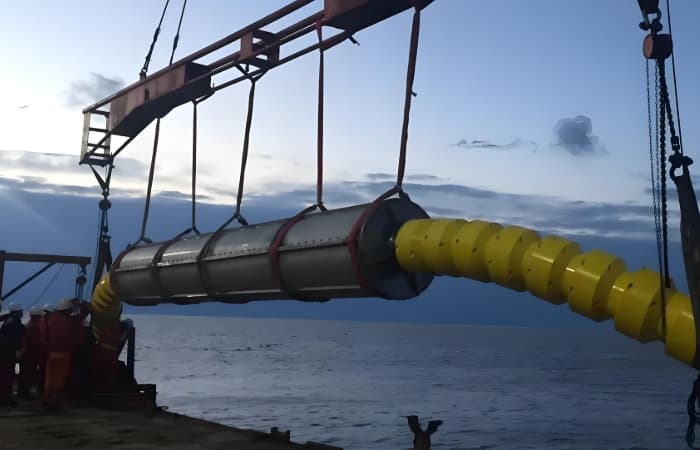
submarine cable repair is the offshore engineering process used to restore damaged submarine cables installed on or beneath the seabed. These cables may transmit electrical power or carry optical signals for data communication. Unlike onshore repairs, subsea cable repair requires specialized vessels, marine equipment, and experienced technicians operating in challenging offshore environments.
Tiêu biểu, engineers locate the fault, recover the damaged cable from the seabed, remove the faulty section, and install a new cable segment using subsea cable joints. After testing, crews re-lay and bury the cable to ensure long-term protection. Kết quả là, subsea cable repair restores system performance while extending the service life of the cable network.
Why Submarine Cable Repair Is Important
Submarine cable repair plays a vital role in maintaining the reliability of critical infrastructure. Offshore power and communication systems depend on continuous and stable cable operation. When damage occurs, even a single fault can disrupt large geographic areas.
Hơn thế nữa, subsea cables support:
- Offshore wind farms and renewable energy projects
- Cross-border power interconnectors
- Nền tảng dầu khí ngoài khơi
- International fiber optic communication networks
For these reasons, operators invest heavily in proven subsea cable repair solutions to reduce downtime and financial risk. Ngoài ra, many regulatory frameworks require operators to maintain emergency repair capabilities.
Types of Submarine Cables That Require Repair
Cáp điện ngầm
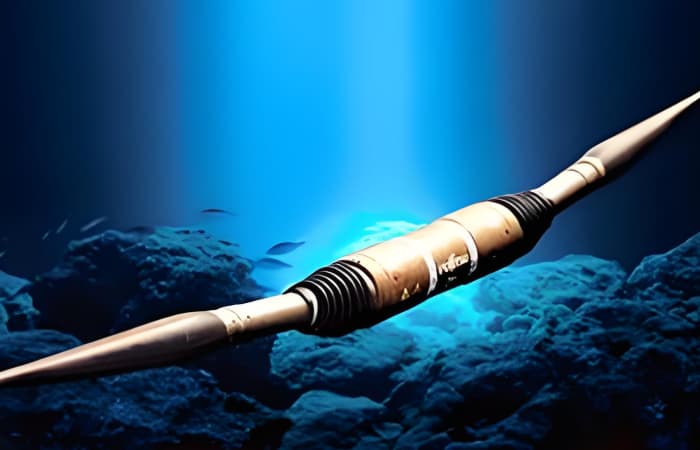
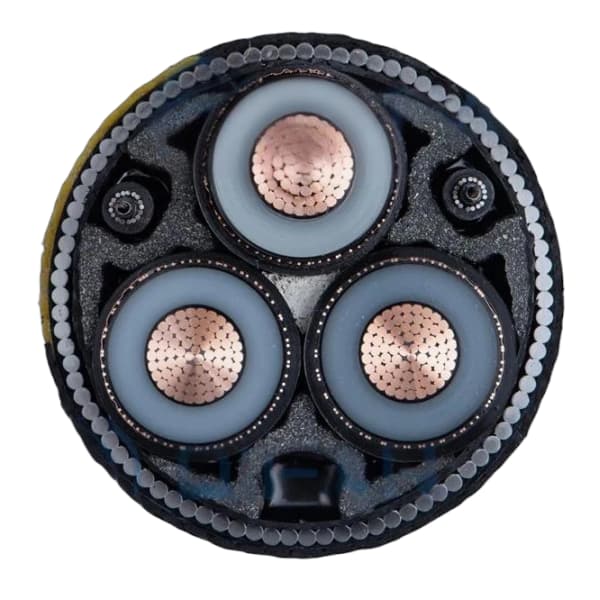
Submarine power cables transmit electricity across seas and oceans. These cables often operate at medium voltage, high voltage, or extra-high voltage levels. Because of their large conductor size and complex insulation systems, repairing subsea power cables requires strict quality control and advanced jointing techniques.
Submarine Fiber Optic Cables
Subsea fiber optic cables transmit data and communication signals. Although these cables are smaller and lighter than power cables, they still require precise handling during repair. In particular, technicians must ensure extremely low signal loss after jointing.
Common Causes of Submarine Cable Damage
Understanding failure causes helps operators reduce repair frequency. Trong thực tế, several factors commonly lead to subsea cable repair.
Đầu tiên, anchor dragging and fishing activities frequently damage cables in shallow waters. Even armored cables may fail under repeated mechanical stress.
Thứ hai, natural hazards such as seabed movement, underwater landslides, and earthquakes can expose or bend cables beyond their design limits.
thứ ba, electrical and thermal stress may degrade insulation over time, especially when cables operate near their maximum capacity.
Cuối cùng, ăn mòn, aging, installation errors, or manufacturing defects may also shorten cable lifespan. Do đó, preventive measures remain essential.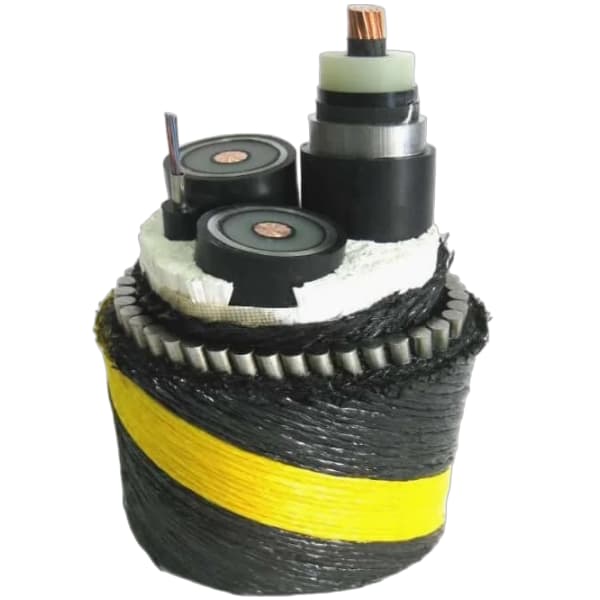
Submarine Cable Repair Process: Step by Step
Fault Detection and Localization
Initially, engineers identify the fault location. Đối với cáp điện, electrical testing methods help determine the damaged section. For fiber optic cables, OTDR testing provides accurate distance measurements. Kết quả là, repair teams can plan recovery operations efficiently.
Mobilization of Repair Vessel
Kế tiếp, operators mobilize a subsea cable repair vessel. This vessel carries cable tanks, jointing rooms, testing equipment, and ROV systems. Trong khi đó, project teams monitor weather forecasts to select a suitable working window.
Cable Recovery from the Seabed
After arrival at the site, crews recover the damaged cable. Ở vùng nước nông, grapnels are commonly used. In deeper waters, ROV-assisted operations improve accuracy and safety. Throughout this stage, crews carefully control tension and bending radius.
Removal of Damaged Section
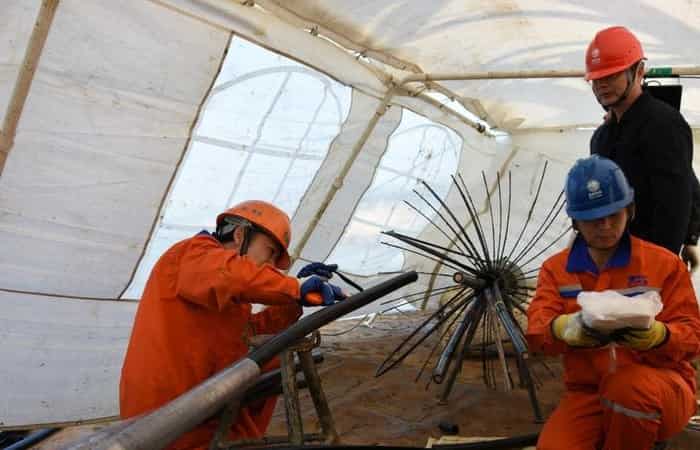
Once on deck, technicians cut out the damaged cable section. Then they prepare the cable ends by removing outer layers according to strict procedures. Proper preparation ensures reliable joint performance.
Submarine Cable Jointing
Subsea cable jointing connects the replacement cable section to the existing cable. These joints must provide mechanical strength, electrical or optical continuity, and long-term sealing. Vì thế, experienced jointing technicians play a critical role in subsea cable repair.
Kiểm tra và đảm bảo chất lượng
Before re-installation, crews perform comprehensive testing. Power cables undergo high-voltage and insulation tests, while fiber optic cables receive optical performance checks. Only after successful testing does re-laying begin.
Re-Laying and Burial
Cuối cùng, the repaired cable is re-laid on the seabed. Burial tools such as jetting or ploughing machines protect the cable from future external damage. Kết quả là, the repaired section achieves similar protection to the original installation.
Equipment Used in Submarine Cable Repair
Submarine cable repair relies on specialized offshore equipment. Typical tools include cable repair vessels, ROVs, grapnels, jointing systems, and cable burial machines. Cùng nhau, these tools enable safe and efficient repair operations in various water depths.
Challenges in Submarine Cable Repair
Although technology continues to improve, submarine cable repair remains challenging. Weather conditions can delay offshore work. Ngoài ra, deepwater operations increase complexity and cost. Hơn nữa, environmental regulations may restrict working periods in sensitive marine areas.
Nevertheless, careful planning and experienced contractors help overcome these challenges.
Power Cable Repair vs Fiber Optic Cable Repair
| Aspect | Power Cable Repair | Fiber Optic Cable Repair |
|---|---|---|
| Main function | Power transmission | Data transmission |
| Joint complexity | Very high | Cao |
| Kiểm tra | HV and insulation | OTDR and signal loss |
| Repair duration | Longer | Shorter |
Preventive Measures to Reduce Repair Frequency
To reduce subsea cable repair needs, operators adopt preventive strategies. Ví dụ, adequate burial depth, route risk assessment, and regular ROV inspections significantly lower damage risk. Do đó, preventive investment often reduces long-term operating costs.
Submarine Cable Repair
Submarine cable repair is an essential offshore operation that restores the performance and reliability of submarine cable systems. By following structured procedures and using advanced equipment, repair teams can successfully address cable faults even in challenging marine environments.
As offshore energy and communication networks continue to expand, submarine cable repair will remain a key component of asset management strategies. Ultimately, effective repair and prevention measures ensure long-term system resilience and operational security.
About Submarine Cable Joint manufacturer, Please contact us!