
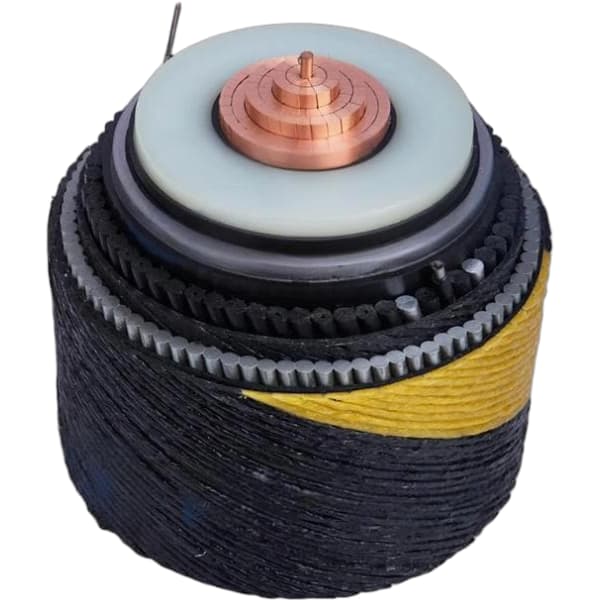
مقدمة لكابل XLPE 115 كيلو فولت
البنية التحتية الكهربائية الحديثة تتطلب موثوقة, فعال, وأنظمة نقل الطاقة طويلة الأمد. مع استمرار المدن في التوسع وزيادة مشاريع الطاقة المتجددة في جميع أنحاء العالم, أصبحت أنظمة الكابلات ذات الجهد العالي تحت الأرض أكثر أهمية من أي وقت مضى. ومن بين هذه الحلول, كابل XLPE 115 كيلو فولت معروف على نطاق واسع بأدائه الكهربائي الممتاز واستقراره التشغيلي.
على عكس الكابلات التقليدية المعزولة بالورق أو المملوءة بالزيت, توفر الكابلات المعزولة XLPE مقاومة حرارية أفضل, متطلبات صيانة أقل, وتحسين حماية البيئة. بالتالي, شركات المرافق, مقاولو EPC, مطورو الطاقة المتجددة, وتختار المنشآت الصناعية بشكل متزايد كابلات XLPE بقدرة 115 كيلو فولت لشبكات النقل المتوسطة والعالية السعة.
في العديد من البلدان, تحل مشاريع النقل تحت الأرض محل الخطوط الهوائية في البيئات الحضرية. نتيجة ل, يستمر الطلب على أنظمة الكابلات XLPE عالية الجودة 115 كيلو فولت في النمو بسرعة.
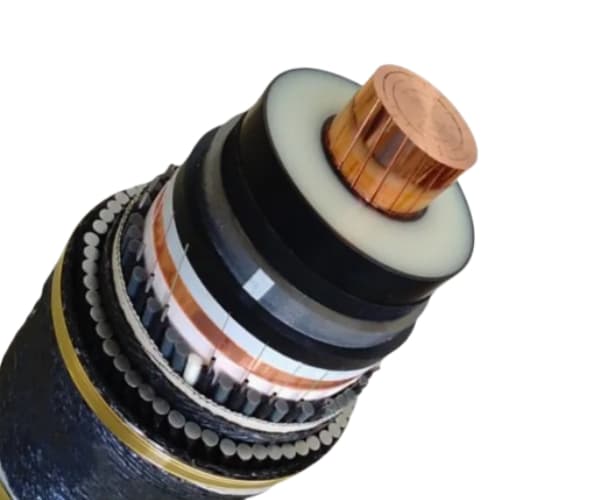
ما هو كابل XLPE 115 كيلو فولت?
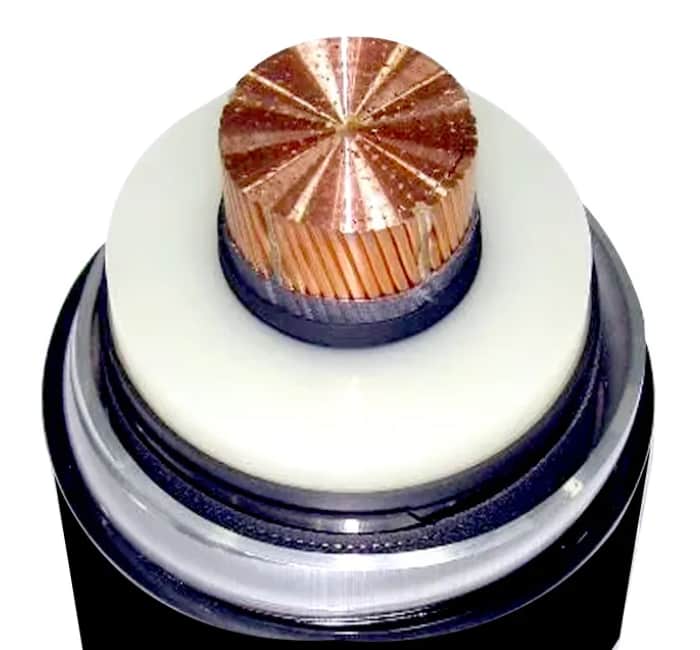
كابل XLPE 115 كيلو فولت هو كابل طاقة عالي الجهد معزول بمادة البولي إيثيلين المتقاطعة. تم تصميم الكابل لأنظمة النقل الكهربائية التي تعمل بفئات جهد 69/115 كيلو فولت أو 64/110 كيلو فولت.
لأن عزل XLPE له خصائص عازلة ممتازة, فهو يعمل بكفاءة في ظل ظروف الضغط الكهربائي العالية. فضلاً عن ذلك, توفر المادة مقاومة فائقة للرطوبة, الشيخوخة الحرارية, والتآكل الكيميائي.
اليوم, 115يتم تثبيت كابلات kV XLPE بشكل شائع:
- أنظمة النقل الحضرية تحت الأرض
- مشاريع الطاقة المتجددة
- محطات فرعية صناعية
- أنظمة كهربة السكك الحديدية
- البنية التحتية للمطار
- عمليات التعدين
- مرافق النفط والغاز
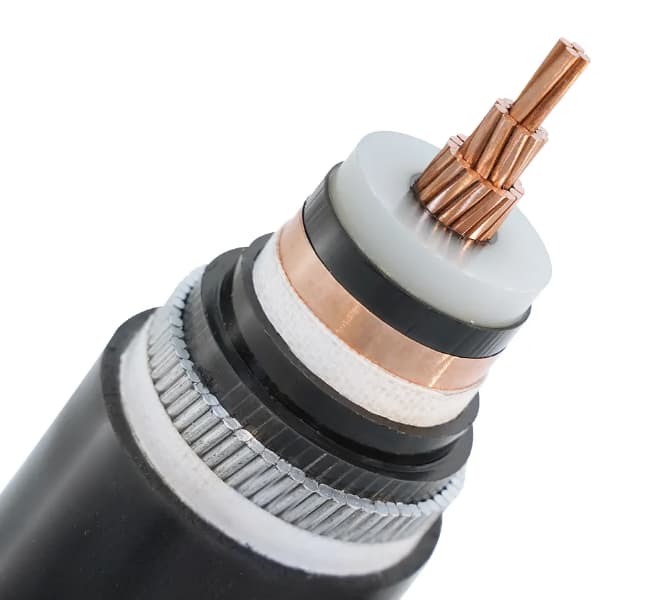
الهيكل الرئيسي لكابل XLPE 115 كيلو فولت
يتكون كابل الجهد العالي الحديث من عدة طبقات مصممة بعناية. تؤدي كل طبقة وظيفة كهربائية أو ميكانيكية محددة.
بناء الكابلات النموذجية
| عنصر | الوظيفة الرئيسية |
|---|---|
| موصل | يحمل تيارًا كهربائيًا |
| شاشة الموصل | يتحكم في الإجهاد الكهربائي |
| عزل XLPE | العزل الكهربائي الرئيسي |
| شاشة العزل | توزيع المجال الكهربائي الموحد |
| شاشة معدنية | خطأ مسار العودة الحالي |
| طبقة حجب المياه | يمنع تغلغل الماء |
| طبقة الفراش | توسيد ميكانيكي |
| التدريع | الحماية الميكانيكية |
| الغلاف الخارجي | حماية البيئة |
بالإضافة إلى, قد يقوم المصنعون بتخصيص الهيكل وفقًا لظروف التثبيت ومتطلبات العملاء.
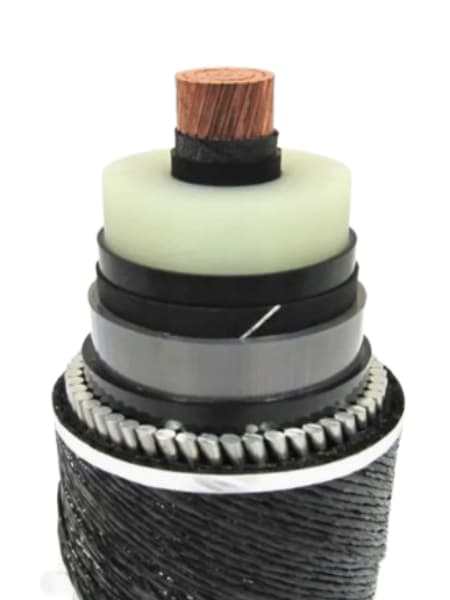
مزايا كابل XLPE 115 كيلو فولت
أداء حراري ممتاز
يسمح عزل XLPE للكابل بالعمل تحت درجات حرارة عالية بأمان.
تشمل تقييمات درجة الحرارة النموذجية:
| حالة التشغيل | درجة حرارة |
|---|---|
| عملية عادية | 90درجة مئوية |
| الزائد في حالات الطوارئ | 130درجة مئوية |
| ماس كهربائى | 250درجة مئوية |
لذلك, يمكن لكابلات XLPE نقل تيار أكثر من العديد من أنظمة الكابلات التقليدية.
انخفاض الخسائر الكهربائية
خسائر العزل الكهربائي لعزل XLPE منخفضة نسبيًا. بالتالي, تتحسن كفاءة النقل بشكل ملحوظ في شبكات الطاقة لمسافات طويلة.
عمر خدمة أطول
عند تركيبها وصيانتها بشكل صحيح, يمكن لنظام كابل XLPE 115 كيلو فولت أن يعمل لأكثر من 30 ل 40 سنين. علاوة على ذلك, يظل هيكل العزل مستقرًا حتى في ظل ظروف الحمل المتقلبة.
انخفاض متطلبات الصيانة
غالبًا ما تتطلب أنظمة الكابلات المملوءة بالزيت معدات معقدة لمراقبة الضغط. لكن, تلغي كابلات XLPE الحاجة إلى أنظمة صيانة السوائل, مما يقلل من تكاليف التشغيل إلى حد كبير.
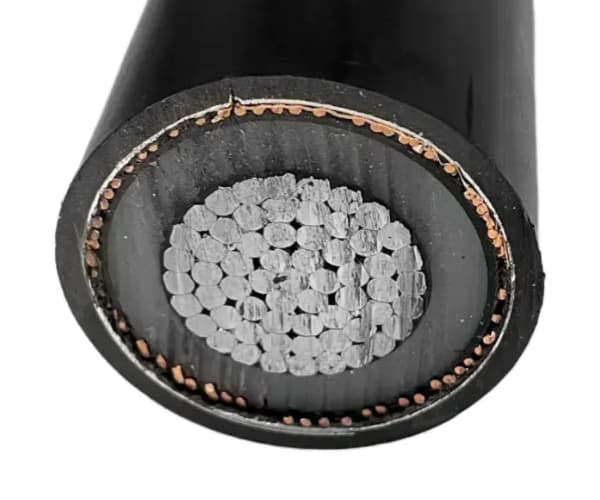
المعايير الدولية لكابل XLPE 115 كيلو فولت
يجب أن تتوافق كابلات الجهد العالي مع المعايير الدولية الصارمة لضمان التشغيل الآمن والمستقر.
معايير اللجنة الانتخابية المستقلة
| معيار | وصف |
|---|---|
| اللجنة الانتخابية المستقلة 60840 | كابلات الكهرباء فوق 30 كيلو فولت وحتى 150 كيلو فولت |
| اللجنة الانتخابية المستقلة 62067 | أنظمة كابلات الجهد العالي الإضافية |
| اللجنة الانتخابية المستقلة 60228 | موصلات الكابلات المعزولة |
| اللجنة الانتخابية المستقلة 60502 | متطلبات عزل كابلات الطاقة |
| اللجنة الانتخابية المستقلة 60229 | اختبار التجاوز |
المعايير الأمريكية
| معيار | وصف |
|---|---|
| آي سي إيه إس-108-720 | معيار كابل الطاقة المحمي |
| إيك CS9 | مواصفات الكابلات العازلة المبثوقة |
| IEEE 48 | إنهاء الكابلات |
| IEEE 404 | وصلات الكابلات |
| معايير ASTM | معايير المواد الموصلة |
لأن العديد من المشاريع الدولية تتطلب شهادات متعددة, غالبًا ما تنتج الشركات المصنعة الكابلات وفقًا لمواصفات IEC وIEEE.
موصلات النحاس والألومنيوم
يعد اختيار مادة الموصل الصحيحة جزءًا مهمًا من تصميم نظام الكابلات.
الموصلات النحاسية
توفر الموصلات النحاسية:
- الموصلية أعلى
- انخفاض خسائر الإرسال
- قوة ميكانيكية أفضل
- قطر موصل أصغر
نتيجة ل, يستخدم النحاس على نطاق واسع في أنظمة تحت الأرض المدمجة والمحطات الفرعية الحضرية.
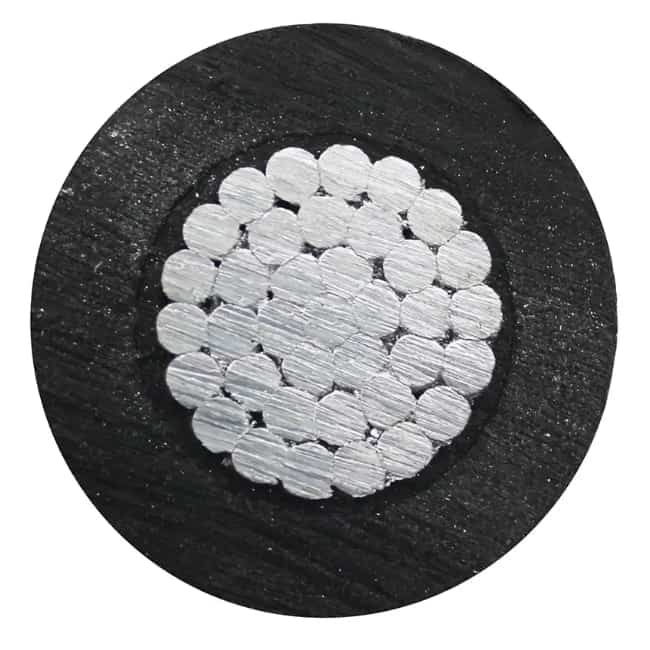
الموصلات الألومنيوم
توفر موصلات الألومنيوم العديد من المزايا الاقتصادية.
وتشمل هذه المزايا:
- انخفاض تكلفة المواد
- انخفاض وزن الكابل
- نقل أسهل
- انخفاض التوتر التثبيت
لذلك, غالبًا ما تختار مشاريع النقل على نطاق المرافق موصلات الألومنيوم لشبكات المسافات الطويلة.
الأحجام القياسية الأمريكية من 12AWG إلى 1000MCM
يستخدم سوق أمريكا الشمالية عادةً أنظمة تحجيم الموصلات AWG وMCM.
جدول حجم AWG وMCM
| حجم AWG/MCM | المقطع العرضي مم² |
|---|---|
| 12 الفريق العامل المخصص | 3.31 |
| 10 الفريق العامل المخصص | 5.26 |
| 8 الفريق العامل المخصص | 8.37 |
| 6 الفريق العامل المخصص | 13.3 |
| 4 الفريق العامل المخصص | 21.1 |
| 2 الفريق العامل المخصص | 33.6 |
| 1 الفريق العامل المخصص | 42.4 |
| 1/0 الفريق العامل المخصص | 53.5 |
| 2/0 الفريق العامل المخصص | 67.4 |
| 3/0 الفريق العامل المخصص | 85 |
| 4/0 الفريق العامل المخصص | 107.2 |
| 250 مليون متر مكعب | 126.7 |
| 300 مليون متر مكعب | 152 |
| 350 مليون متر مكعب | 177.3 |
| 400 مليون متر مكعب | 202.7 |
| 500 مليون متر مكعب | 253.4 |
| 600 مليون متر مكعب | 304 |
| 750 مليون متر مكعب | 380.1 |
| 800 مليون متر مكعب | 405.4 |
| 1000 مليون متر مكعب | 506.7 |
مقاسات الموصلات IEC من 50 مم² إلى 3000 مم²
تتبع العديد من مشاريع النقل الدولية معايير الموصلات المترية الصادرة عن IEC.
جدول الحجم المتري IEC
| حجم اللجنة الانتخابية المستقلة | تطبيق نموذجي |
|---|---|
| 50 مم² | أنظمة توزيع الضوء |
| 70 مم² | الشبكات الصناعية |
| 95 مم² | إمدادات الطاقة التجارية |
| 120 مم² | التوزيع الحضري |
| 150 مم² | نقل الحمولة المتوسطة |
| 185 مم² | أنظمة المرافق |
| 240 مم² | اتصالات المحطات الفرعية |
| 300 مم² | النقل تحت الأرض |
| 400 مم² | البنية التحتية الصناعية |
| 500 مم² | مشاريع توليد الطاقة |
| 630 مم² | أنظمة الطاقة المتجددة |
| 800 مم² | نقل عالي السعة |
| 1000 مم² | شبكات الطاقة المرافق |
| 1200 مم² | محطات فرعية كبيرة |
| 1400 مم² | أنظمة الحمل العالي |
| 1600 مم² | المشاريع الصناعية الثقيلة |
| 2000 مم² | دوائر النقل الرئيسية |
| 2500 مم² | أنظمة ذات قدرة عالية للغاية |
| 3000 مم² | بنية تحتية كبيرة للمرافق |
الخصائص الكهربائية لكابل 115 كيلو فولت
المعلمات التقنية النموذجية
| المعلمة | قيمة |
|---|---|
| الجهد المقنن | 69/115كيلو فولت |
| الحد الأقصى لجهد النظام | 123كيلو فولت |
| تكرار | 50هرتز / 60هرتز |
| الحد الأقصى لدرجة حرارة الموصل | 90درجة مئوية |
| درجة حرارة الدائرة القصيرة | 250درجة مئوية |
| البرق دفعة الجهد | 550كيلو فولت |
| اختبار الجهد المتردد | 230كيلو فولت |
بالإضافة إلى ذلك, قد تقوم الشركات المصنعة بتخصيص معلمات الكابلات وفقًا لمتطلبات الشبكة المحلية.
طرق التثبيت لكابل XLPE 115 كيلو فولت
تركيب الدفن المباشر
يعد الدفن المباشر أحد أكثر طرق التثبيت اقتصادا. عادة, يتم وضع الكابل داخل خندق مزود بفراش رملي وشريط تحذيري وقائي.
تركيب مجاري الهواء
غالبًا ما تستخدم مشاريع البنية التحتية الحضرية أنظمة مجاري الهواء لأن الوصول إلى الصيانة يصبح أسهل في المستقبل.
علاوة على ذلك, توفر تركيبات مجاري الهواء حماية ميكانيكية إضافية.
تركيب النفق
كثيرًا ما تستخدم المدن الكبرى وشركات المرافق أنفاق الكابلات لأنظمة النقل الحيوية.
تقدم هذه الطريقة:
- تفتيش أسهل
- تبديد أفضل للحرارة
- صيانة مبسطة
- مساحة لدوائر متعددة
التطبيقات الشائعة لكابل XLPE 115 كيلو فولت
مشاريع الطاقة المتجددة
تتطلب مزارع الطاقة الشمسية ومحطات طاقة الرياح أنظمة نقل مستقرة لتوصيل الطاقة المولدة بالشبكة الكهربائية الرئيسية.
بالتالي, تُستخدم كابلات الجهد العالي XLPE على نطاق واسع في البنية التحتية للطاقة المتجددة.
منشأت صناعية
تتطلب الصناعات الثقيلة إمدادات طاقة مستمرة عالية السعة. لذلك, تقوم العديد من المصانع بتركيب أنظمة نقل بجهد 115 كيلو فولت تحت الأرض لتحسين الموثوقية.
البنية التحتية للنقل
وتعتمد أنظمة النقل الحديثة أيضًا على شبكات الكابلات ذات الجهد العالي.
تشمل التطبيقات الشائعة:
- المطارات
- أنظمة المترو
- كهربة السكك الحديدية
- محطات الموانئ البحرية
ملحقات الكابلات المستخدمة في أنظمة 115 كيلو فولت
يتطلب نظام الكابلات عالي الجهد الكامل ملحقات متخصصة.
الملحقات الرئيسية
| ملحق | وظيفة |
|---|---|
| الإنهاء في الهواء الطلق | اتصال المحطة الفرعية |
| إنهاء نظم المعلومات الجغرافية | الاتصال بمعدات نظم المعلومات الجغرافية |
| مشترك مستقيم | اتصال الكابل |
| مشترك معزول | العزل الكهربائي |
| صندوق الرابط | إدارة التأريض |
بدون الملحقات المناسبة, لا يمكن لنظام الكابل أن يعمل بأمان أو بكفاءة.
إجراءات الاختبار لكابل 115 كيلو فولت
يقوم المصنعون بإجراء اختبارات متعددة قبل تسليم كابلات الجهد العالي للعملاء.
الاختبارات الروتينية
تشمل عمليات التفتيش الروتينية عادة:
- اختبار مقاومة الموصلات
- اختبار التفريغ الجزئي
- اختبار تحمل الجهد
- التحقق من الأبعاد
اختبارات النوع
تؤكد اختبارات النوع موثوقية الكابل على المدى الطويل.
قد تشمل هذه الاختبارات:
- اختبار نبض البرق
- اختبار دورة التدفئة
- اختبارات الانحناء
- اختبارات ماس كهربائى
بالإضافة إلى, تتطلب بعض مشاريع المرافق اختبارات تأهيل مسبقة إضافية قبل التثبيت التجاري.
عوامل مهمة عند اختيار كابل XLPE 115 كيلو فولت
يجب تقييم العديد من العوامل الفنية قبل اختيار نظام الكابل.
قدرة الاستيعاب الحالية
يجب أن يدعم حجم الموصل الحمل الكهربائي المطلوب بشكل آمن.
الظروف البيئية
يجب على المهندسين التقييم:
- المقاومة الحرارية للتربة
- درجة الحرارة المحيطة
- رطوبة
- المخاطر الميكانيكية
بيئة التثبيت
قد يختلف أداء الكابل حسب:
- الدفن تحت الارض
- تركيب مجاري الهواء
- أنظمة الأنفاق
- البيئات الرطبة
المعايير المعمول بها
أخيراً, يجب أن يتوافق الكابل المحدد مع المعايير الدولية المطلوبة ومواصفات المرافق.
الاتجاهات المستقبلية في تكنولوجيا كابلات XLPE ذات الجهد العالي
يستمر سوق الكابلات عالية الجهد العالمي في التوسع بسبب زيادة الاستثمار في البنية التحتية. في نفس الوقت, يقوم المصنعون بتطوير تقنيات الكابلات المتقدمة لتحسين الكفاءة والاستدامة.
وتشمل الابتكارات الحديثة:
- الموصلات ذات السعة العالية
- مواد غمد صديقة للبيئة
- تحسين حواجز الرطوبة
- أنظمة المراقبة الذكية
- تقليل خسائر الإرسال
كما أصبحت الشبكات الكهربائية أكثر تعقيدا, ستصبح أنظمة الكابلات تحت الأرض الموثوقة أكثر أهمية.
115كابل كيلو فولت XLPE
يعد كابل XLPE 115 كيلو فولت أحد أهم المكونات في البنية التحتية الحديثة لنقل الطاقة تحت الأرض. بفضل أداء العزل الفائق, مقاومة حرارية عالية, عمر خدمة طويل, ومتطلبات الصيانة المنخفضة, أصبحت تقنية كابلات XLPE الخيار المفضل لشركات المرافق والمشاريع الصناعية في جميع أنحاء العالم.
سواء كنت تستخدم أحجام الموصلات القياسية الأمريكية من 12AWG إلى 1000MCM أو الأحجام المترية IEC من 50 مم² إلى 3000 مم², يظل اختيار الكابل المناسب ضروريًا لنقل الكهرباء بشكل موثوق وفعال.
في المستقبل, سيستمر الطلب على أنظمة الكابلات XLPE عالية الجودة بقدرة 115 كيلو فولت في التزايد مع توسع المدن, مشاريع الطاقة المتجددة تنمو, وتحديث البنية التحتية العالمية للطاقة.