
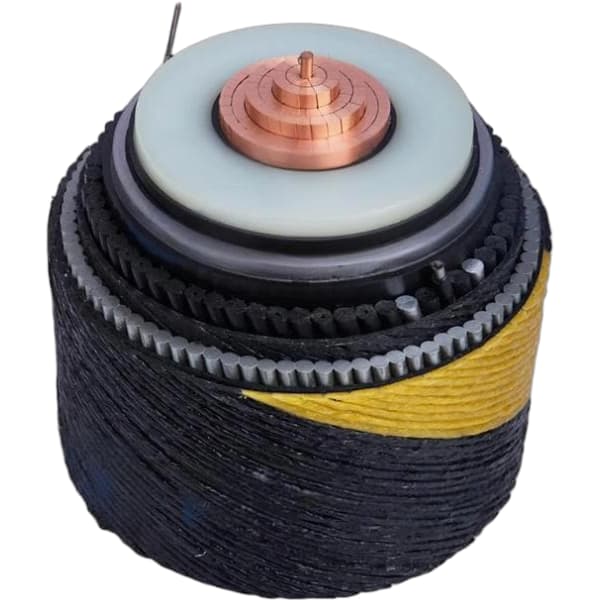
مقدمة لكابل 230 كيلو فولت
تتطلب أنظمة نقل الطاقة الحديثة بنية تحتية موثوقة عالية الجهد قادرة على نقل كميات كبيرة من الكهرباء بأمان وكفاءة عبر مسافات طويلة. ومن أهم مكونات هذه الأنظمة 230كابل كيلو فولت, والذي يستخدم على نطاق واسع في شبكات المرافق, المحطات الفرعية الصناعية, مشاريع الطاقة المتجددة, شبكات النقل تحت الأرض, والبنية التحتية الكهربائية في المناطق الحضرية.
مع استمرار الطلب العالمي على الكهرباء في الزيادة, تستثمر شركات المرافق والمشغلون الصناعيون بكثافة في تقنيات النقل المتقدمة. يلعب كابل 230 كيلو فولت دورًا حاسمًا في الحفاظ على توصيل الطاقة المستقر مع تقليل خسائر النقل وتحسين موثوقية النظام.
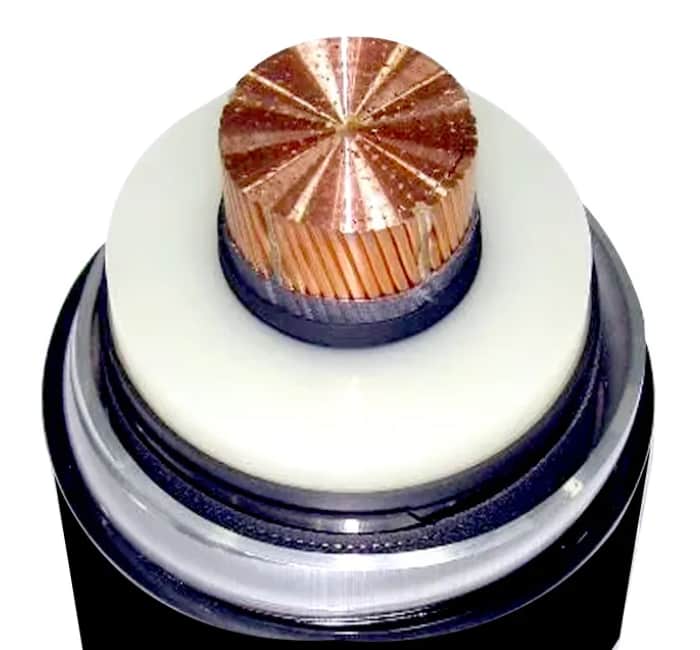
بالمقارنة مع الكابلات ذات الجهد المنخفض, 230تم تصميم كابلات الطاقة كيلوفولت بأنظمة عزل متطورة, التدريع المعدني, وطبقات حماية متقدمة. تسمح هذه الميزات للكابل بالعمل تحت ضغط كهربائي مرتفع للغاية وظروف بيئية قاسية.
اليوم, 230يتم تثبيت أنظمة كابلات كيلوفولت بشكل شائع في:
- شبكات الكهرباء الوطنية
- مشاريع الطاقة المتجددة
- محطات توليد الطاقة الصناعية
- شبكات مترو الأنفاق الحضرية
- محطات فرعية لنظم المعلومات الجغرافية
- مرافق البتروكيماويات
- عمليات التعدين
- مراكز البيانات
- البنية التحتية للسكك الحديدية
ما هو كابل 230 كيلو فولت?
كابل 230 كيلو فولت هو كابل طاقة عالي الجهد مصمم لنقل الكهرباء بجهد اسمي قدره 230 كيلوفولتس.
تُستخدم هذه الكابلات في أنظمة النقل الكهربائية التي تتطلب نقل طاقة عالي السعة. لقد تم تصميمها لتحمل المجالات الكهربائية العالية مع الحفاظ على أداء عزل ممتاز وثبات حراري.
تستخدم معظم الكابلات الحديثة بقدرة 230 كيلو فولت تقنية العزل XLPE بسبب خصائصها الكهربائية والميكانيكية المتميزة.
تشمل الخصائص الرئيسية:
- قدرة حمل عالية للتيار
- قوة عازلة ممتازة
- عمر خدمة طويل
- مقاومة الشيخوخة الحرارية
- أداء موثوق به تحت الأحمال الثقيلة
- متطلبات صيانة منخفضة
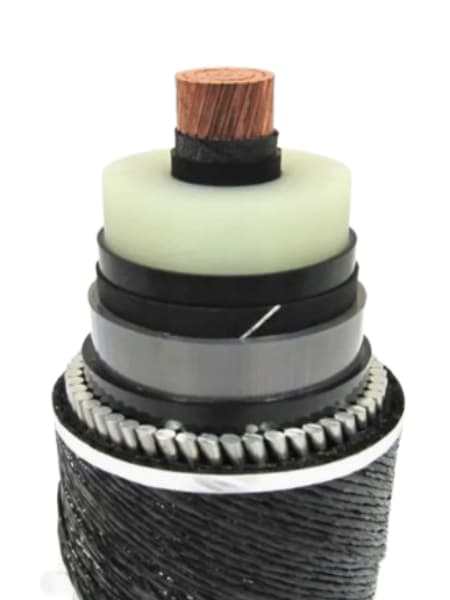
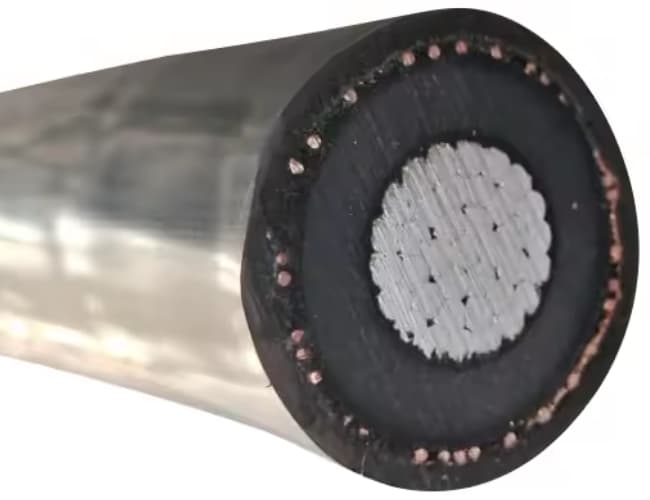
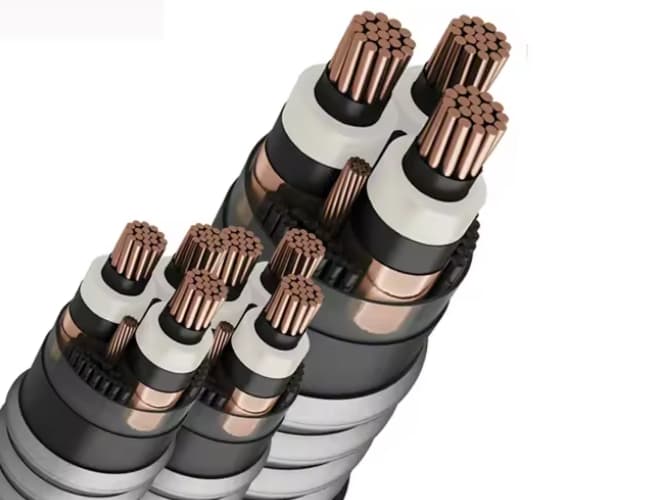
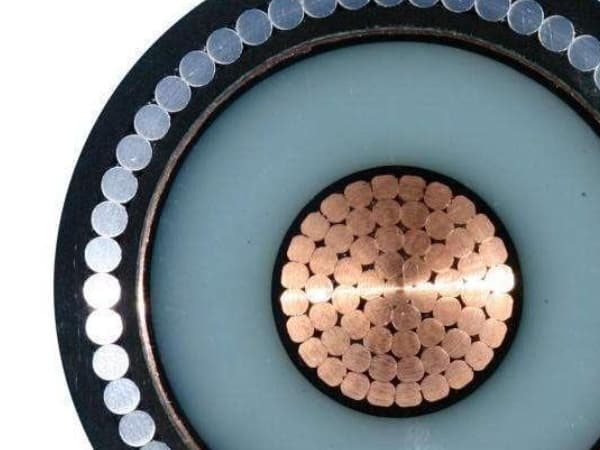
هيكل كابل 230 كيلو فولت
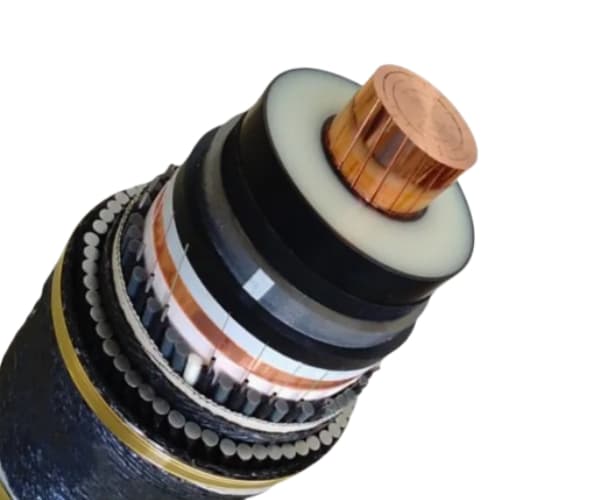
يتكون كابل 230 كيلو فولت النموذجي من طبقات متعددة مصممة لضمان التشغيل الآمن والمستقر.
موصل
الموصل هو المكون الأساسي المسؤول عن حمل التيار الكهربائي.
وتشمل المواد الموصلة المشتركة:
- نحاس
- الألومنيوم
توفر الموصلات النحاسية:
- الموصلية أعلى
- مقاومة أقل
- أداء أفضل عند التحميل الزائد
تقدم موصلات الألومنيوم:
- وزن أقل
- انخفاض تكلفة المواد
- نقل أسهل
- اقتصاديات أفضل للنقل لمسافات طويلة
تشمل أحجام الموصلات الشائعة:
- 400 مم²
- 630 مم²
- 800 مم²
- 1000 مم²
- 1200 مم²
- 1600 مم²
- 2500 مم²
شاشة الموصل
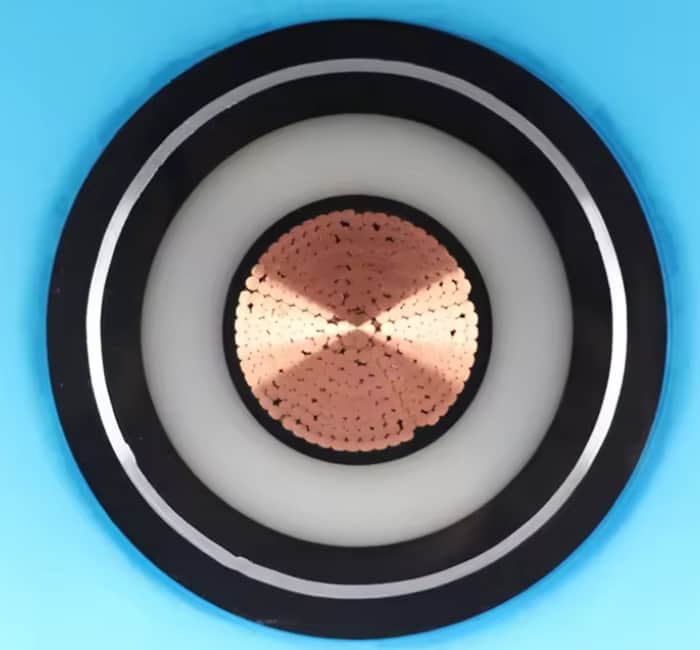
شاشة الموصل عبارة عن طبقة شبه موصلة توضع حول الموصل لضمان توزيع المجال الكهربائي بشكل موحد.
تمنع هذه الطبقة تركيز الإجهاد الكهربائي وتقلل من خطر التفريغ الجزئي.
عزل XLPE
XLPE (البولي إيثيلين المتقاطع) العزل هو المعيار العالمي للكابلات الحديثة ذات الجهد العالي.
تشمل مزايا العزل XLPE:
- أداء عازل ممتاز
- مقاومة حرارية عالية
- خسارة عازلة منخفضة
- مقاومة الشيخوخة متفوقة
- العمر التشغيلي الطويل
- مقاومة قوية للرطوبة
تحل كابلات XLPE محل أنظمة الكابلات التقليدية المملوءة بالنفط تدريجيًا في العديد من البلدان.
شاشة العزل
شاشة العزل هي طبقة شبه موصلة أخرى تحيط بالعزل وتتحكم في المجال الكهربائي.
تعمل هذه الطبقة مع شاشة الموصل للحفاظ على الاستقرار الكهربائي.
شاشة معدنية
عادة ما تكون الشاشة المعدنية مصنوعة من:
- الشريط النحاسي
- أسلاك نحاسية
- غمد الألومنيوم المموج
تشمل الوظائف:
- التوصيل الحالي للخطأ الأرضي
- التدريع الكهرومغناطيسي
- الحماية من الأعطال الكهربائية
- تخفيض الجهد المستحث
طبقة حجب المياه
تشتمل العديد من الكابلات الحديثة بقدرة 230 كيلو فولت على مواد مانعة للماء لمنع اختراق الرطوبة.
يمكن أن يؤدي دخول الماء إلى إتلاف أداء العزل بشكل خطير بمرور الوقت.
الغلاف الخارجي
يحمي الغلاف الخارجي الكابل من الأضرار البيئية والميكانيكية.
وتشمل المواد غمد المشتركة:
- بولي كلوريد الفينيل
- بي
- البولي إثيلين عالي الكثافة
- مركبات LSZH
الغلاف يحمي من:
- الأشعة فوق البنفسجية
- رُطُوبَة
- تآكل
- المواد الكيميائية
- كشط
- التأثيرات الميكانيكية
أنواع الكابلات 230 كيلو فولت
كابل XLPE تحت الأرض
هذا هو النوع الأكثر شيوعًا المستخدم في أنظمة النقل الحديثة.
تشمل الفوائد:
- موثوقية عالية
- صيانة سهلة
- تركيب مدمج
- انخفاض التأثير البيئي
كابل معزول EPR
تُستخدم الكابلات المعزولة EPR في التطبيقات المتخصصة التي تتطلب قدرًا أكبر من المرونة.
كابل بحري 230 ك.ف
تم تصميم الكابلات البحرية للمنشآت تحت الماء مثل:
- مزارع الرياح البحرية
- ترابط الجزيرة
- نقل الطاقة البحرية
تتميز هذه الكابلات بطبقات مدرعة للحماية الميكانيكية في البيئات البحرية.
كابل نقل التدفئة والتهوية وتكييف الهواء (HVAC).
يظل نقل التيار المتناوب هو النظام الأكثر شيوعًا لتطبيقات الكابلات 230 كيلو فولت.
أنظمة كابلات HVDC
في بعض المشاريع البعيدة, قد تكون أنظمة التيار المباشر ذات الجهد العالي مفضلة لأسباب تتعلق بالكفاءة.
تطبيقات كابل 230 كيلو فولت
نقل الطاقة المساعدة
تستخدم مرافق الطاقة كابلات 230 كيلو فولت للاتصال:
- المحطات الفرعية
- محطات توليد الطاقة
- الشبكات الإقليمية
- شبكات النقل الحضرية
مشاريع الطاقة المتجددة
غالبًا ما تتطلب منشآت الطاقة المتجددة بنية تحتية لنقل الجهد العالي.
230تستخدم كابلات كيلوفولت على نطاق واسع في:
- مزارع الطاقة الشمسية
- محطات طاقة الرياح
- مشاريع الرياح البحرية
- مرافق تخزين الطاقة
البنية التحتية الصناعية
الصناعات الثقيلة تستهلك كميات هائلة من الكهرباء.
وتشمل الصناعات النموذجية:
- التعدين
- تصنيع الصلب
- مصانع البتروكيماويات
- مصانع الاسمنت
- مصاهر الألمنيوم
النقل الحضري تحت الأرض
تفضل المدن الكبرى بشكل متزايد أنظمة الكابلات تحت الأرض بدلاً من خطوط النقل الهوائية.
تشمل الفوائد:
- تحسين الجماليات
- تقليل الأعطال المرتبطة بالطقس
- سلامة عامة أفضل
- انخفاض الصيانة
محطات فرعية لنظم المعلومات الجغرافية
تتطلب المحطات الفرعية المعزولة بالغاز ملحقات كابلات ونهايات مصممة خصيصًا متوافقة مع أنظمة المعلومات الجغرافية.
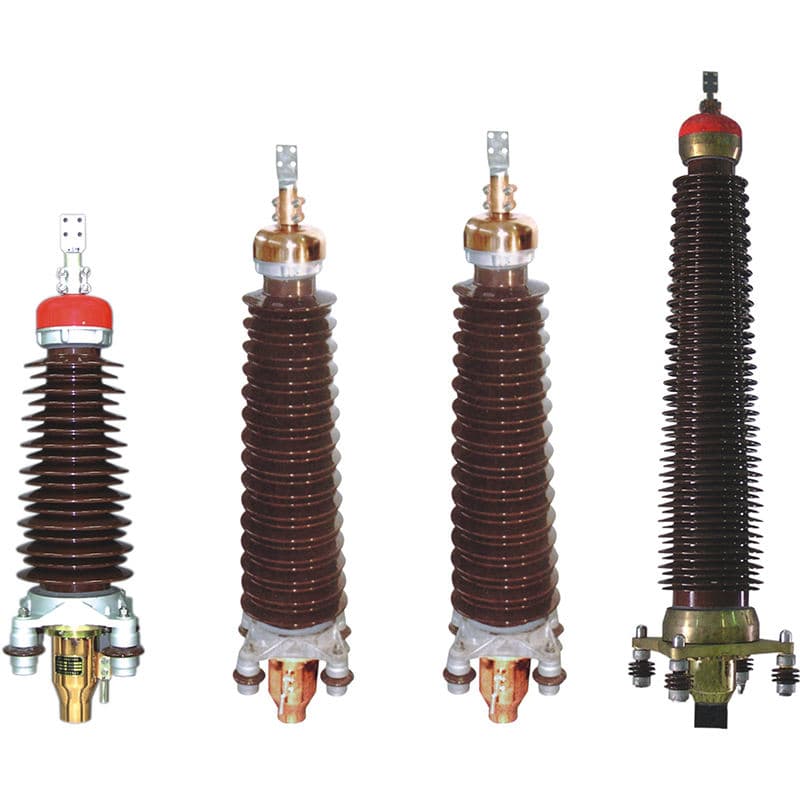
230ملحقات كابلات كيلو فولت
يتطلب نظام نقل الكابل الكامل أكثر بكثير من الكابل نفسه.
تعتبر الملحقات ضرورية للتشغيل الآمن والموثوقية على المدى الطويل.
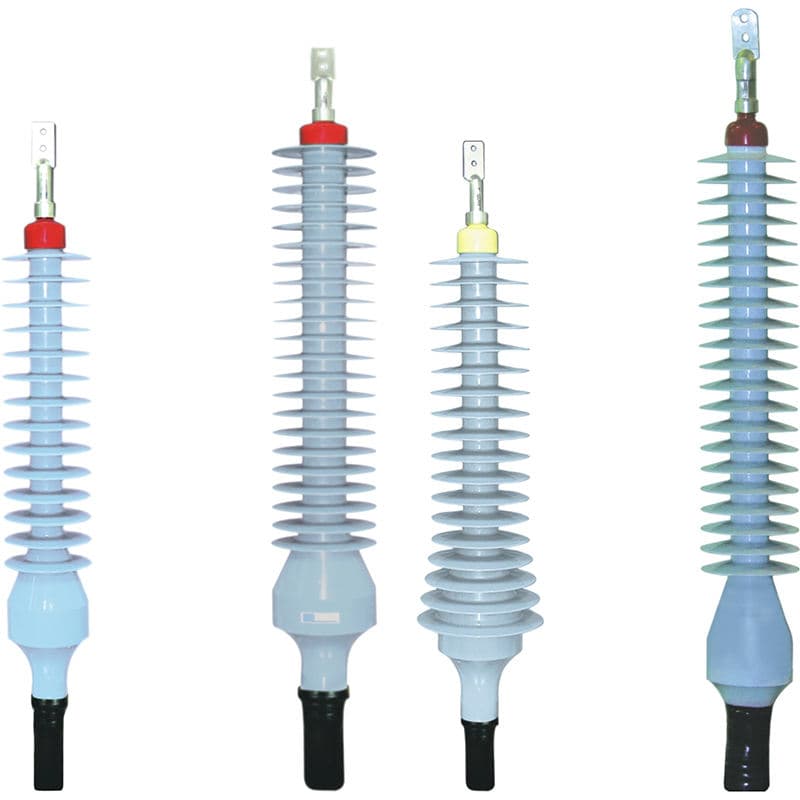
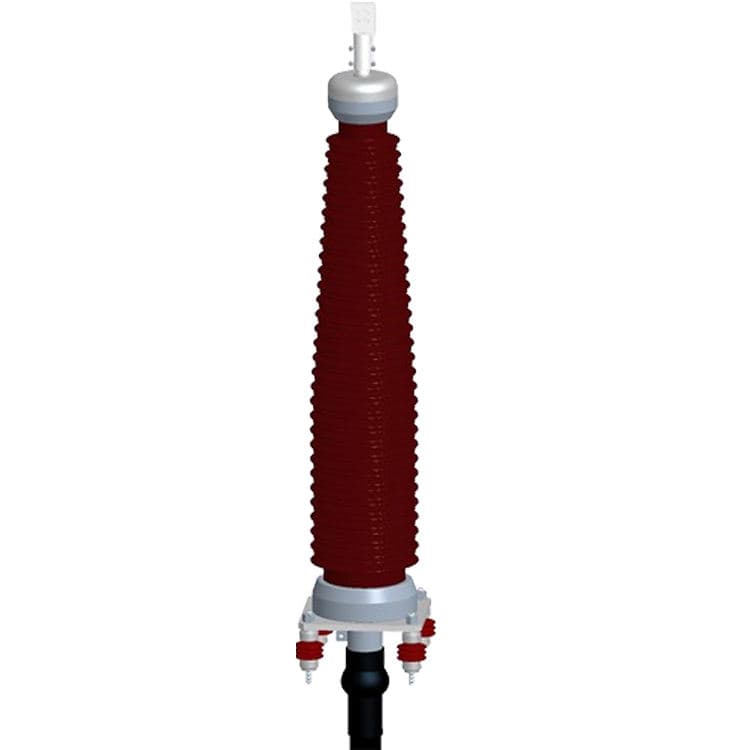
230نهايات الكابلات كيلو فولت
تقوم أطراف الكابل بتوصيل الكابل بالمعدات الكهربائية.
تشمل التطبيقات الشائعة:
- محولات
- معدات نظم المعلومات الجغرافية
- المفاتيح الكهربائية
- محطات فرعية خارجية
تشمل الأنواع:
الإنهاء في الهواء الطلق
مصممة لبيئات الهواء الطلق.
إنهاء نظم المعلومات الجغرافية
تستخدم في المحطات الفرعية المعزولة بالغاز.
الإنهاء الداخلي
تستخدم في التركيبات الكهربائية المحمية.
230وصلات كابلات كيلوفولت
تربط وصلات الكابل قسمين من الكابلات معًا.
أنواع المفاصل الشائعة:
- مفصل مستقيم
- مشترك معزول
- مشترك مقطعي
يعد التثبيت المشترك المناسب أمرًا بالغ الأهمية لأن فشل المفاصل يمكن أن يؤدي إلى انقطاعات كبيرة في النظام.
صندوق الرابط
تستخدم صناديق الارتباط ل:
- التأريض غمد
- أنظمة الربط
- التحكم في الجهد المستحث
نظام التأريض
توفر أنظمة التأريض:
- سلامة الموظفين
- خطأ التفريغ الحالي
- حماية النظام
تركيب كابل 230 ك.ف
يعد تركيب نظام كابلات 230 كيلو فولت عملية تقنية عالية تتطلب هندسة متخصصة ومراقبة صارمة للجودة.
تخطيط الطريق
يتضمن تخطيط الطريق:
- المسوحات الجيولوجية
- التحليل الحراري
- تصميم الهندسة المدنية
- التقييم البيئي
سحب الكابلات
يجب التحكم في عمليات سحب الكابلات بعناية:
- سحب التوتر
- نصف قطر الانحناء
- الضغط الجانبي
قد يؤدي التثبيت غير الصحيح إلى إتلاف نظام العزل بشكل دائم.
بيئة التثبيت النظيفة
قد يسبب التلوث أثناء التثبيت:
- التفريغ الجزئي
- عطل كهربائي
- فشل العزل المبكر
معايير النظافة الصارمة إلزامية.
تركيب التوصيل والإنهاء
يجب على المتخصصين المدربين فقط تنفيذ أعمال التوصيل والإنهاء.
حتى أخطاء التثبيت البسيطة يمكن أن تقلل بشكل كبير من عمر الكابل.
اختبار ما بعد التثبيت
بعد التثبيت, يتم إجراء اختبارات واسعة النطاق.
قد تشمل الاختبارات:
- اختبار تحمل التيار المتردد
- اختبار التفريغ الجزئي
- اختبار غمد
- اختبار الترددات المنخفضة جداً (VLF).
- اختبار الرنين
العوامل المؤثرة على سعر كابلات 230 كيلو فولت
تعتمد تكلفة نظام الكابلات 230 كيلو فولت على عوامل متعددة.
مادة الموصل
عادةً ما تكون الكابلات النحاسية أكثر تكلفة من كابلات الألومنيوم.
لكن, عروض النحاس:
- الموصلية أعلى
- حجم موصل أصغر
- أداء حراري أفضل
حجم الكابل
تزيد المقاطع العرضية للموصل الأكبر من التكلفة بشكل كبير.
سماكة العزل
تزيد متطلبات العزل الأعلى من تعقيد التصنيع واستهلاك المواد.
بيئة التثبيت
تتطلب المنشآت تحت سطح البحر وتحت الأرض هياكل وملحقات حماية إضافية.
ملحقات الكابلات
يمكن أن تمثل الملحقات ذات الجهد العالي جزءًا كبيرًا من إجمالي تكلفة المشروع.
الاختبار والشهادة
تزيد الشهادات الدولية من تكاليف التصنيع ولكنها تعمل على تحسين موثوقية المشروع.
تشمل المعايير المشتركة:
- اللجنة الانتخابية المستقلة
- IEEE
- اختبار النوع
- الاختبار الروتيني
- اختبار التأهيل المسبق
السعر التقديري لكابل 230 كيلو فولت
ويختلف السعر حسب ظروف السوق ومواصفات المشروع.
تشمل مراجع السوق الدولية العامة:
| نوع المنتج | السعر المقدر |
|---|---|
| 230كابل ألومنيوم XLPE كيلو فولت | 80-220 دولارًا أمريكيًا للمتر |
| 230كابل XLPE النحاسي كيلو فولت | 150-450 دولارًا أمريكيًا للمتر |
| مجموعة إنهاء نظم المعلومات الجغرافية | 8,000-35,000 دولار أمريكي |
| طقم مشترك مستقيم | 5,000-20,000 دولار أمريكي |
| كابل بحري 230 ك.ف | أعلى بكثير |
الأسعار تعتمد على:
- أسعار سوق النحاس
- أسعار سوق الألمنيوم
- تكاليف النقل
- كمية المشروع
- المتطلبات الفنية
مزايا كابل XLPE 230 كيلو فولت
أداء كهربائي ممتاز
يوفر عزل XLPE خصائص عازلة فائقة.
عمر خدمة طويل
يمكن للكابلات المثبتة بشكل صحيح أن تعمل لأكثر من 40 سنين.
صيانة منخفضة
تتطلب أنظمة XLPE الحديثة الحد الأدنى من الصيانة الروتينية.
الفوائد البيئية
تتجنب كابلات XLPE مخاطر تسرب الزيت المرتبطة بالأنظمة القديمة المملوءة بالزيت.
قدرة حرارية عالية
يمكن لهذه الكابلات التعامل مع درجات حرارة التشغيل العالية وظروف التحميل الزائد في حالات الطوارئ.
المشاكل الشائعة في أنظمة الكابلات 230 كيلو فولت
التفريغ الجزئي
يعد التفريغ الجزئي أحد أخطر المشاكل في أنظمة الكابلات ذات الجهد العالي.
يمكن أن يؤدي ذلك إلى إتلاف العزل تدريجيًا ويؤدي في النهاية إلى فشل كارثي.
اختراق المياه
دخول الرطوبة يمكن أن يقلل من موثوقية العزل.
الأضرار الميكانيكية
قد يؤدي التعامل غير السليم أثناء النقل أو التثبيت إلى تلف الكابل.
ارتفاع درجة الحرارة
قد تؤدي الإدارة الحرارية السيئة إلى تقليل عمر الكابل.
فشل الملحقات
تحدث العديد من حالات فشل نظام الكابلات عند المفاصل أو النهايات وليس في الكابل نفسه.
صيانة أنظمة الكابلات 230 كيلو فولت
تساعد الصيانة المناسبة على إطالة العمر التشغيلي وتقليل مخاطر انقطاع الخدمة.
تشمل أنشطة الصيانة:
- المراقبة الحرارية
- مراقبة التفريغ الجزئي
- فحص سلامة الغمد
- فحص نظام التأريض
- المسح بالأشعة تحت الحمراء
- تحليل الحمل
تستخدم أنظمة المراقبة الحديثة بشكل متزايد أجهزة الاستشعار الرقمية وتقنيات الشبكة الذكية.
الاتجاهات المستقبلية في تكنولوجيا الكابلات 230 كيلو فولت
مراقبة الكابلات الذكية
تعمل أنظمة المراقبة في الوقت الفعلي على تحسين الموثوقية والصيانة التنبؤية.
التوسع في الطاقة المتجددة
تستمر مشاريع الطاقة المتجددة العالمية في زيادة الطلب على أنظمة الكابلات عالية الجهد.
نمو النقل تحت الأرض
يؤدي التحضر إلى زيادة الطلب على شبكات الكابلات تحت الأرض.
توسيع HVDC
يستخدم نقل الطاقة لمسافات طويلة بشكل متزايد تقنية HVDC.
مواد صديقة للبيئة
يقوم المصنعون بتطوير مواد عازلة وغمد أكثر استدامة.
اختيار الشركة المصنعة للكابلات 230 كيلو فولت المناسبة
يعد اختيار الشركة المصنعة الموثوقة أمرًا ضروريًا لنجاح المشروع.
وتشمل العوامل الهامة:
تجربة التصنيع
يجب أن يتمتع المورد بخبرة مثبتة في إنتاج كابلات EHV.
ضبط الجودة
أنظمة إدارة الجودة الصارمة أمر بالغ الأهمية.
الشهادات الدولية
يجب على الشركات المصنعة الامتثال للمعايير الدولية.
الدعم الفني
الدعم الهندسي أثناء التثبيت والاختبار مهم للغاية.
القدرة الإنتاجية
تتطلب مشاريع البنية التحتية الكبيرة قدرة إنتاجية مستقرة وجداول زمنية للتسليم.
230الشركة المصنعة لكابلات كيلو فولت – كابلان
ال 230كابل كيلو فولت يعد أحد أهم المكونات في أنظمة النقل الكهربائية الحديثة. إن قدرتها على توصيل كميات كبيرة من الكهرباء بأمان وكفاءة تجعلها ضرورية للمرافق العامة, مشاريع الطاقة المتجددة, البنية التحتية الصناعية, وشبكات الطاقة الحضرية.
مع استمرار الطلب العالمي على الكهرباء في الارتفاع, وسوف يستمر الاستثمار في البنية التحتية الموثوقة لنقل الجهد العالي في التوسع. تقنية عزل XLPE المتقدمة, تحسين الملحقات, وتساعد أنظمة المراقبة الحديثة على أن تصبح أنظمة الكابلات بجهد 230 كيلو فولت أكثر أمانًا, أكثر كفاءة, وأكثر متانة من أي وقت مضى.
سواء تم استخدامها في النقل تحت الأرض, محطات فرعية لنظم المعلومات الجغرافية, مشاريع الطاقة المتجددة, أو أنظمة الطاقة الصناعية, 230تظل كابلات كيلوفولت أساسًا مهمًا للبنية التحتية الحديثة للطاقة.