
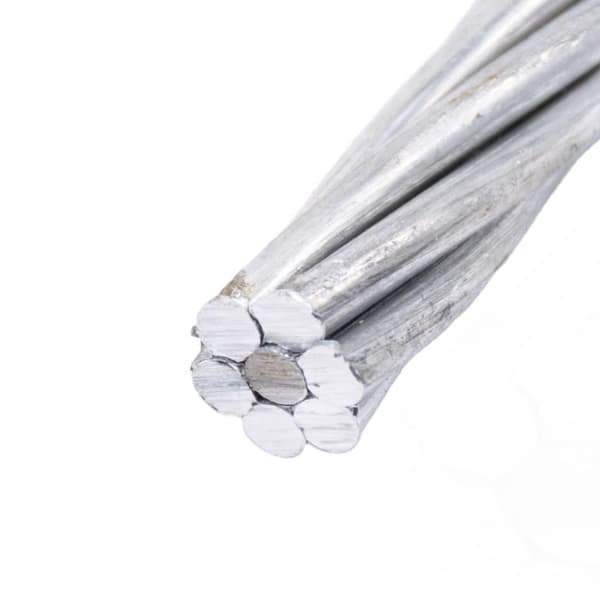
Si trabajas en ingeniería eléctrica., construcción, energía renovable, o sistemas automotrices, probablemente hayas encontrado el término 1/0 cable awg. Es uno de los conductores de gran calibre más utilizados para aplicaciones de alta corriente., Sin embargo, muchas personas todavía no tienen claro lo que realmente significa., cómo se desempeña, y donde se debe utilizar.
Desglosaremos todo lo que necesitas saber sobre 1/0 cable awg, incluyendo su definición, presupuesto, ampacidad, aplicaciones, ventajas, y cómo elegir el tipo adecuado para su proyecto. Si eres un principiante o un comprador profesional, este artículo le ayudará a tomar decisiones informadas.
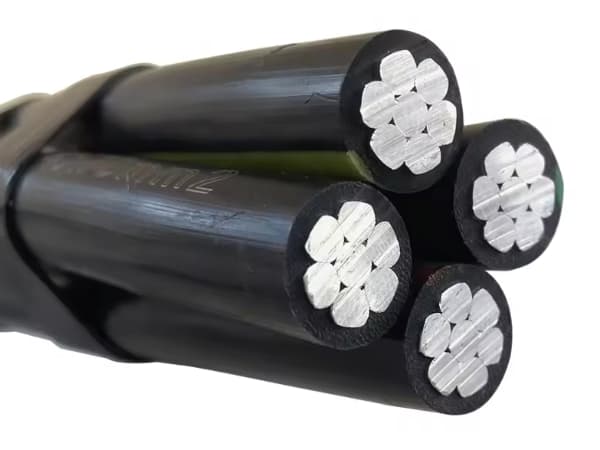
1. ¿Qué hace? 1/0 AWG media?
AWG significa Calibre de alambre americano, un sistema estandarizado utilizado principalmente en América del Norte para medir el diámetro de los conductores eléctricos..
la notación 1/0 AWG también se escribe como:
- 1/0 AWG
- 0 AWG (comúnmente confundido pero de diferente tamaño)
- Cable "uno y nada"
El término "nada" (0) se utiliza en el dimensionamiento de cables para representar cables más grandes más allá de AWG 1.
Comprender la relación de tamaño
El sistema AWG funciona a la inversa.:
- El menor el numero, el más grueso el alambre
- Después de AWG 1, el sistema va: 1, 0 (1/0), 00 (2/0), 000 (3/0), 0000 (4/0)
Entonces 1/0 AWG es más grande que AWG 1, pero más pequeño que 2/0 AWG.
Diámetro de 1/0 cable awg
- Diámetro: aproximadamente 8.25 mm
- Área transversal: 53.5 mm²
- Milésimas de pulgada circulares: 105,600 cmil
Esta gran área de sección transversal le permite transportar una corriente eléctrica importante de forma segura..
2. Construcción de 1/0 cable awg
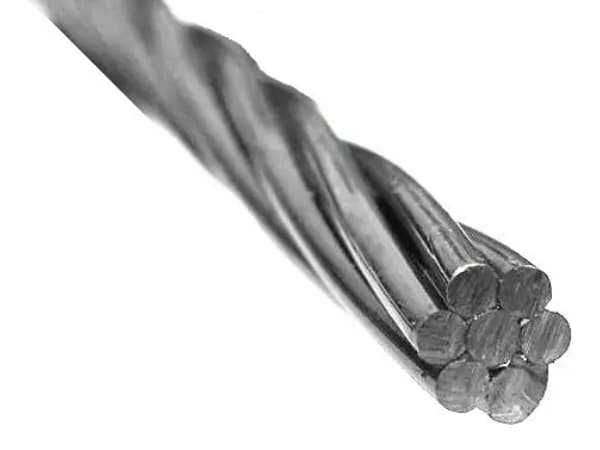
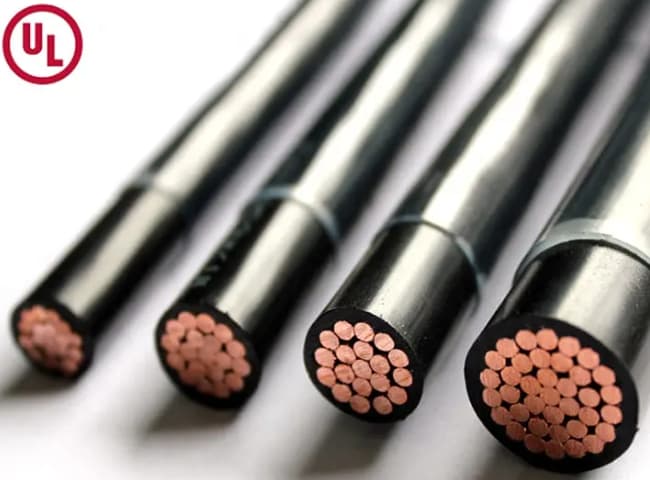
A 1/0 El cable AWG no se trata sólo de tamaño: también depende de su estructura interna y sus materiales..
2.1 Material conductor
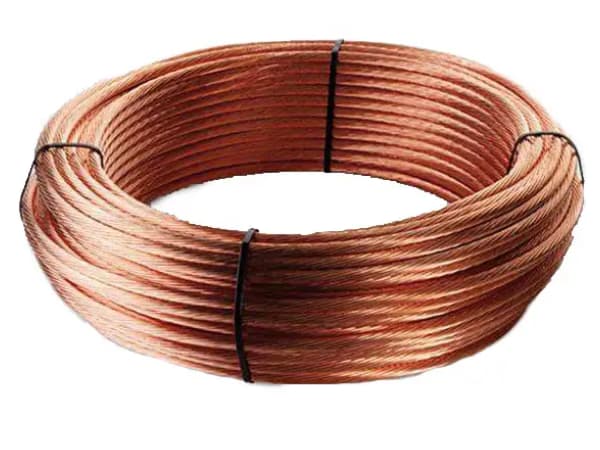
Mayoría 1/0 Los cables AWG están hechos de:
- Cobre (más común)
- Excelente conductividad
- Alta flexibilidad (cuando está varado)
- Mayor costo
- Aluminio
- Peso más ligero
- Menor costo
- Conductividad ligeramente menor (~61% del cobre)
2.2 Tipo de varada
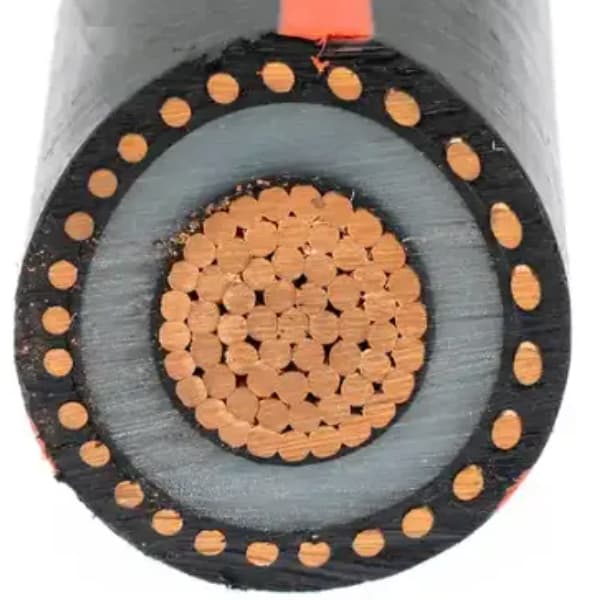
Por su espesor, 1/0 El cable AWG suele ser trenzado en lugar de sólido..
Tipos comunes de varamiento:
- Hilo fino (más flexible)
- Hilo medio (uso general)
- Hilo grueso (distribución de energía industrial)
La construcción trenzada mejora:
- Flexibilidad
- Resistencia a las vibraciones
- Facilidad de instalación
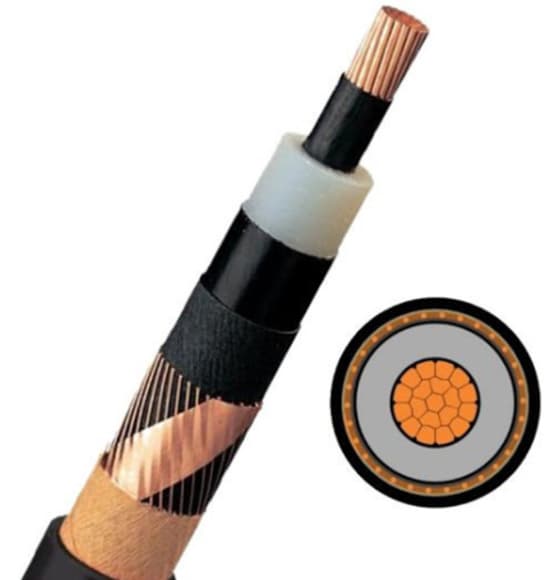
2.3 Materiales de aislamiento
Dependiendo de la aplicación, El aislamiento puede incluir:
- CLORURO DE POLIVINILO (Cloruro de polivinilo)
- XLPE (Polietileno reticulado)
- Goma (EPDM, EPR)
- TPE (Elastómero termoplástico)
Cada tipo de aislamiento proporciona diferentes beneficios.:
- Resistencia al calor
- resistencia a los rayos ultravioleta
- Resistencia química
- Durabilidad mecánica
3. Características eléctricas de 1/0 cable awg
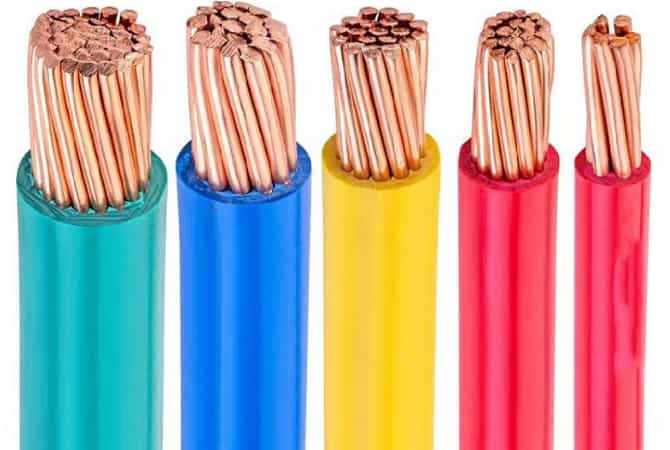
Comprender el rendimiento eléctrico es crucial al seleccionar tamaños de cables.
3.1 Ampacidad (Capacidad de carga actual)
La ampacidad de 1/0 AWG depende del aislamiento y de las condiciones de instalación..
Valores típicos:
| Material | Ampacidad (aprox.) |
|---|---|
| Cobre (Aislamiento THHN) | 150–170 amperios |
| Cobre (uso industrial) | arriba a 195 amperios |
| Aluminio | 120–150 amperios |
Nota: La ampacidad disminuye cuando los cables se agrupan o instalan en entornos de alta temperatura.
3.2 Resistencia
Una menor resistencia significa una mejor eficiencia.
- Cobre 1/0 resistencia AWG: ~0,1 ohmios por 1000 pie
- Aluminio 1/0 resistencia AWG: más alto que el cobre
La menor resistencia reduce:
- Caída de voltaje
- Generación de calor
- Pérdida de energía
3.3 Consideraciones de caída de voltaje
Para cables largos, La caída de voltaje se vuelve importante..
1/0 AWG se usa comúnmente porque mantiene niveles de voltaje aceptables en:
- Sistemas solares
- Bancos de baterías
- Equipos industriales
4. Qué es 1/0 Cable AWG utilizado para?
1/0 El cable AWG se utiliza en aplicaciones de alta potencia donde los cables más pequeños fallarían o se sobrecalentarían..
4.1 Aplicaciones automotrices y marinas
- Sistemas de audio para automóviles (amplificadores de alta potencia)
- Vehículos eléctricos
- Conexiones de batería de barco
- Cables de arranque
Por que se usa:
- Alta demanda actual
- Se requiere resistencia a las vibraciones
- Transferencia de energía compacta pero potente
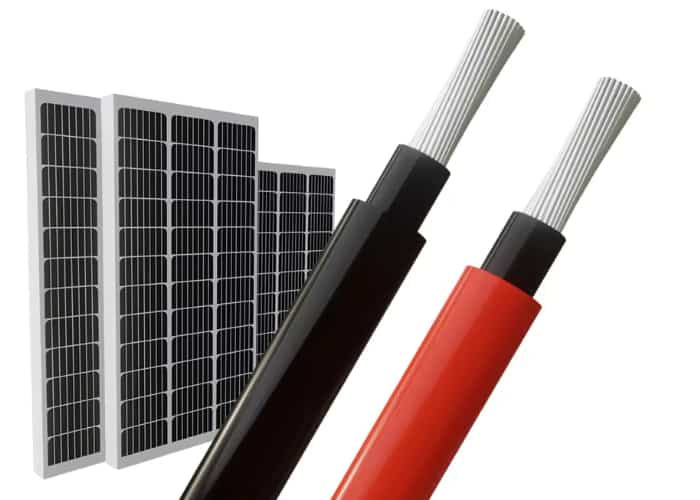
4.2 Sistemas de energía solar
En instalaciones solares, 1/0 El cable AWG se usa ampliamente para:
- Interconexiones de baterías
- Conexiones del inversor
- Cableado del controlador de carga
Beneficios:
- Maneja alta corriente CC
- Reduce la pérdida de energía
- Mejora la eficiencia del sistema
4.3 Distribución de energía industrial
Utilizado en fábricas y edificios comerciales para:
- Alimentadores de motor
- Paneles de control
- Generadores de respaldo
Ventajas:
- Alta capacidad de carga
- Larga vida útil
- Fiable en funcionamiento continuo
4.4 Equipo de soldadura
Las máquinas de soldar requieren una corriente extremadamente alta. 1/0 El cable AWG se utiliza comúnmente para:
- Cables de soldadura
- Cables de tierra
Asegura:
- Rendimiento de arco estable
- Reducción de la acumulación de calor
- Seguridad mejorada
4.5 Sistemas de almacenamiento de energía renovable
En sistemas de almacenamiento de energía en baterías. (BESS), 1/0 AWG se utiliza para conectar:
- Paquetes de baterías de litio
- Inversores
- Sistemas de bus de CC
5. Ventajas de 1/0 cable awg
5.1 Alta capacidad de corriente
Su característica más importante es el manejo seguro de grandes cargas eléctricas..
5.2 Pérdida de energía reducida
Conductor más grueso = menor resistencia = mayor eficiencia.
5.3 Durabilidad
La construcción trenzada y el fuerte aislamiento proporcionan una larga vida útil.
5.4 Flexibilidad
A pesar de su tamaño, El cobre trenzado permite doblarlo y enrutarlo más fácilmente..
5.5 Versatilidad
Adecuado para:
- sistemas CC
- sistemas de aire acondicionado
- Instalaciones interiores y exteriores.
6. Cobre vs Aluminio 1/0 cable awg
Elegir entre cobre y aluminio es una decisión crítica.
| Característica | Cobre | Aluminio |
|---|---|---|
| Conductividad | Alto | Medio |
| Peso | Pesado | Luz |
| Costo | Caro | Más económico |
| Flexibilidad | Excelente | Moderado |
| Resistencia a la corrosión | Mejor | Requiere protección |
¿Cuál deberías elegir??
- Elegir cobre si necesitas eficiencia, durabilidad, y alto rendimiento
- Elegir aluminio si el costo y el peso son preocupaciones importantes
7. Tipos de aislamiento y su importancia
El tipo de aislamiento determina dónde se puede utilizar el cable..
7.1 THHN / THWN
- Utilizado en edificios
- resistente al calor
- Común en cableado de conductos
7.2 XLPE
- Alta resistencia térmica
- Utilizado en entornos industriales.
- Excelentes propiedades eléctricas
7.3 CLORURO DE POLIVINILO
- Rentable
- Adecuado para aplicaciones generales
- Resistencia al calor moderada
7.4 Aislamiento de caucho
- Flexible
- Utilizado en soldadura y sistemas portátiles.
8. Cómo elegir lo correcto 1/0 cable awg
Al seleccionar un cable, considere lo siguiente:
8.1 Carga actual
Calcula siempre:
- Carga continua
- Carga máxima
- Margen de seguridad (generalmente +25%)
8.2 Distancia
Mayor distancia = mayor caída de voltaje → requiere un mejor dimensionamiento.
8.3 Ambiente
Preguntar:
- Interior o exterior?
- Temperatura alta?
- Exposición al petróleo o productos químicos.?
8.4 Tipo de aplicación
- Automoción → cable de goma flexible
- Industriales → XLPE o PVC
- Solar → cable resistente a los rayos UV
9. Errores comunes al usar 1/0 cable awg
9.1 Subestimar la caída de voltaje
Incluso los cables gruesos pueden perder eficiencia en largas distancias.
9.2 Mezclar incorrectamente aluminio y cobre
Esto puede causar:
- Corrosión
- Fallo de conexión
9.3 Engarzado incorrecto
Los conectores deficientes provocan:
- Acumulación de calor
- Falla electrica
9.4 Cable de sobrecarga más allá de la clasificación
Esto reduce la vida útil y aumenta el riesgo de incendio..
10. Consejos de instalación
Para garantizar una instalación segura:
- Utilice herramientas de engarce adecuadas
- Aplique el torque correcto en los terminales
- Evite curvas cerradas
- Utilice protección de cables en áreas de alta fricción.
- Mantenga los cables alejados de fuentes de calor.
11. 1/0 Cable AWG en sistemas energéticos modernos
A medida que los sistemas energéticos evolucionan, 1/0 El cable AWG desempeña un papel fundamental en:
- Sistemas de carga de vehículos eléctricos.
- Instalaciones solares aisladas
- Sistemas de almacenamiento de baterías
- Infraestructura de red inteligente
Su capacidad para manejar alta corriente de manera eficiente lo convierte en un componente central en el diseño eléctrico moderno..
12. Preguntas frecuentes (Preguntas frecuentes)
Q1: Es 1/0 AWG lo mismo que 0 AWG?
No. 1/0 AWG (uno nada) es más grande que 0 AWG.
Q2: cuantos amperios puede 1/0 mango AWG?
Típicamente:
- 150–195 amperios para cobre dependiendo del aislamiento y las condiciones..
Q3: Poder 1/0 AWG se utilizará para sistemas solares.?
Sí, Es ampliamente utilizado en baterías solares y conexiones de inversores..
Q4: ¿El cobre siempre es mejor que el aluminio??
El cobre tiene un mejor rendimiento eléctrico, pero el aluminio es más ligero y barato.
Q5: ¿Cuál es la principal desventaja de 1/0 cable awg?
Su tamaño y costo.. Es más caro y más difícil de manejar que los cables más pequeños..
Conclusión
1/0 cable awg Es un conductor eléctrico de alta resistencia diseñado para aplicaciones de alta corriente en la industria automotriz., industrial, solar, y sistemas de almacenamiento de energía. Su gran área transversal permite una transmisión de potencia eficiente con pérdidas mínimas., convirtiéndolo en una opción confiable para entornos exigentes.
Ya sea que elija cobre o aluminio, entender la ampacidad, tipo de aislamiento, y las condiciones de instalación son esenciales para un rendimiento seguro y eficiente.
A medida que los sistemas energéticos modernos continúan creciendo en escala y complejidad, 1/0 El cable AWG seguirá siendo un componente fundamental para entregar energía eléctrica estable y eficiente.