
Al seleccionar cables eléctricos para uso residencial., industrial, automotor, marina, o sistemas de energía solar, El tamaño del cable juega un papel importante en la seguridad y el rendimiento.. Una de las preguntas más comunes que hacen los electricistas e ingenieros es: “¿Cuál es la diferencia entre 1 AWG y 1/0 AWG?"
A primera vista, El sistema de nombres parece confuso porque mucha gente supone que 1 AWG y 1/0 AWG son casi idénticos. Sin embargo, la diferencia es realmente significativa. En el sistema americano de calibre de alambre, 1/0 AWG es mayor que 1 AWG.
La diferencia completa entre 1 AWG y 1/0 AWG, incluyendo el diámetro del alambre, ampacidad, resistencia, caída de voltaje, aplicaciones, flexibilidad, y costo. Al final, comprenderá claramente qué tamaño de cable es mejor para su proyecto.
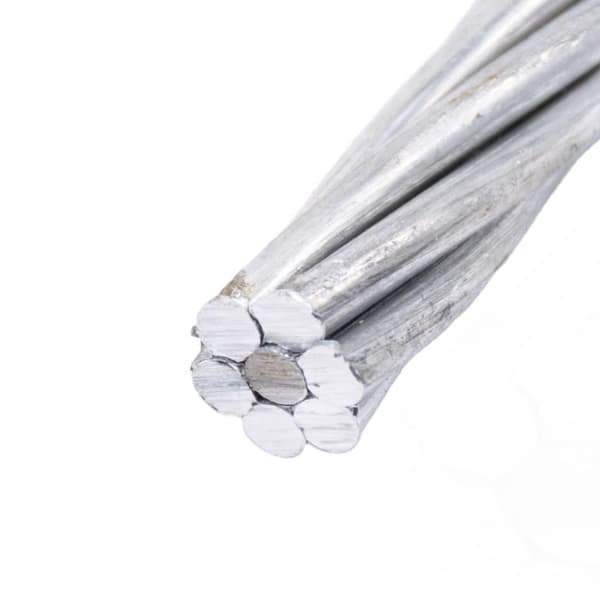
Comprender el sistema de cables AWG
AWG significa calibre de alambre americano, un sistema de dimensionamiento de cables estándar utilizado principalmente en América del Norte. El sistema AWG funciona de manera diferente al dimensionamiento de cables métrico porque los números de calibre más pequeños indican conductores más grandes..
Por ejemplo:
- 10 AWG es mayor que 12 AWG
- 4 AWG es mayor que 6 AWG
- 1 AWG es más pequeño que 1/0 AWG
Después 1 AWG, el tamaño continúa en tamaños "nada":
- 1/0 AWG (uno nada)
- 2/0 AWG
- 3/0 AWG
- 4/0 AWG
Por lo tanto, 1/0 AWG es el siguiente tamaño más grande después 1 AWG.
Muchos principiantes no entienden este punto al seleccionar los cables de la batería., cables solares, o conductores de energía industriales.
Qué es 1 Cable AWG?
1 El cable AWG es un conductor de alta resistencia comúnmente utilizado en sistemas eléctricos de corriente media a alta.. Proporciona una fuerte capacidad de transporte de corriente y, al mismo tiempo, sigue siendo más fácil de instalar que cables más grandes..
Las aplicaciones típicas incluyen:
- Sistemas de baterías solares
- Cables de batería para automóviles
- cableado marino
- Puesta a tierra industrial
- Conexiones del inversor
- Sistemas eléctricos para vehículos recreativos
Por su equilibrio entre rendimiento y flexibilidad., 1 AWG es uno de los tamaños de conductores grandes más populares..
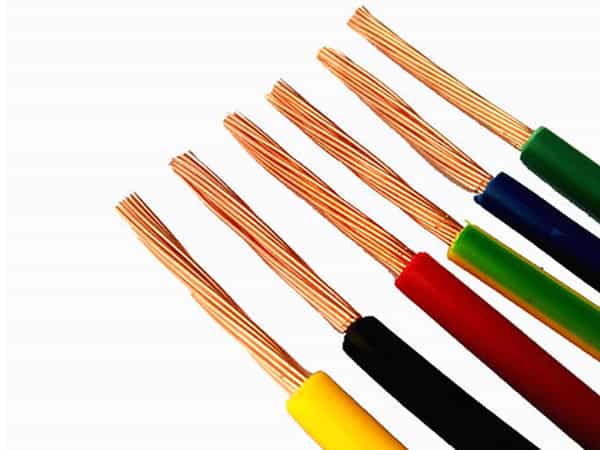
Especificaciones típicas de 1 AWG
| Parámetro | Valor |
|---|---|
| Diámetro | 7.35 mm |
| Área transversal | 42.4 mm² |
| Resistencia | 0.4066 Ω/1000 pies |
| Ampacidad típica | 130–150A |
| Flexibilidad | Bien |
La ampacidad real depende de las condiciones de instalación y del tipo de aislamiento..
Qué es 1/0 Cable AWG?
1/0 cable AWG, también llamado "uno y nada","Es un conductor más grande diseñado para aplicaciones de mayor potencia.. Contiene más cobre o aluminio., permitiéndole transportar mayor corriente eléctrica con menor resistencia.
Se utiliza comúnmente en:
- Alimentadores de energía principales
- motores industriales
- Grandes bancos de baterías
- Sistemas de carga de vehículos eléctricos
- Equipos de soldadura
- Inversores de alta potencia
comparado con 1 AWG, 1/0 AWG ofrece una mejor eficiencia eléctrica, especialmente en distancias más largas.
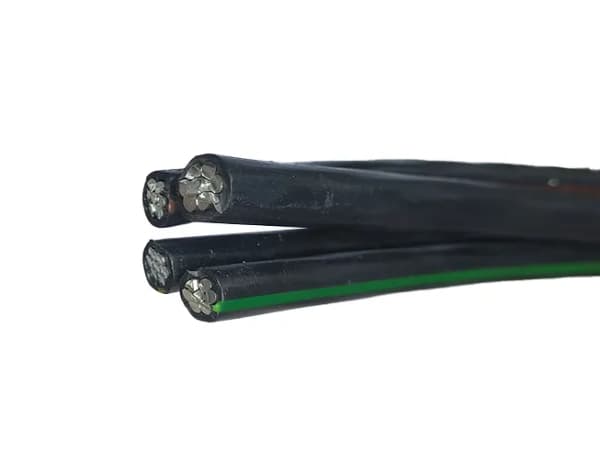
Especificaciones típicas de 1/0 AWG
| Parámetro | Valor |
| Diámetro | 8.25 mm |
| Área transversal | 53.5 mm² |
| Resistencia | 0.321 Ω/1000 pies |
| Ampacidad típica | 150–170A |
| Flexibilidad | Moderado |
La principal diferencia entre 1 AWG y 1/0 AWG
La mayor diferencia es el tamaño del conductor..
Aunque la diferencia de tamaño físico parece pequeña, electricamente es muy importante.
comparado con 1 AWG, 1/0 ofertas AWG:
- Mayor capacidad de carga de corriente
- Menor resistencia
- Caída de voltaje más baja
- Mejor eficiencia
- Rendimiento térmico mejorado
Sin embargo, 1/0 AWG también:
- Cuesta más
- pesa mas
- Requiere conectores más grandes
- Es más difícil de doblar
La elección entre ellos depende de la carga eléctrica y del entorno de instalación..
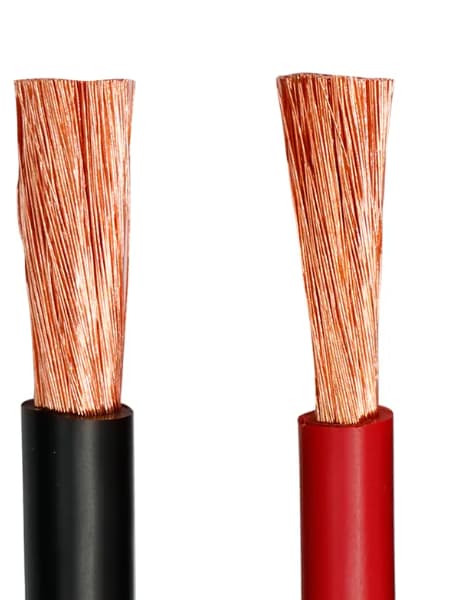
Comparación de tamaño entre 1 AWG y 1/0 AWG
Mucha gente subestima cuánto más grande 1/0 AWG en realidad es.
| Tamaño del cable | Diámetro |
| 1 AWG | 7.35 mm |
| 1/0 AWG | 8.25 mm |
Aunque el diámetro aumenta en menos de 1 mm, El área de la sección transversal del conductor aumenta dramáticamente..
Comparación de áreas transversales
| Tamaño del cable | Área |
| 1 AWG | 42.4 mm² |
| 1/0 AWG | 53.5 mm² |
Esto significa 1/0 AWG tiene aproximadamente 26% más material conductor que 1 AWG.
Esa área conductora adicional mejora enormemente el rendimiento eléctrico..
Diferencias de ampacidad
La ampacidad se refiere a la corriente eléctrica máxima que un conductor puede transportar de manera segura sin sobrecalentarse..
1 Ampacidad AWG
Ampacidad típica del cobre:
- 130A a 150A
Ampacidad típica del aluminio:
- 100A a 120A
1/0 Ampacidad AWG
Ampacidad típica del cobre:
- 150A a 170A
Ampacidad típica del aluminio:
- 120A a 150A
La ampacidad exacta depende de varios factores.:
- Temperatura ambiente
- Aislamiento de cables
- Método de instalación
- Número de conductores agrupados
- código eléctrico local
Comparación de caída de voltaje
La caída de voltaje se vuelve extremadamente importante en tramos de cable largos.
Porque 1/0 AWG tiene menor resistencia, experimenta menos pérdida de voltaje a lo largo de la distancia.
Por qué es importante la caída de voltaje
Una caída excesiva de voltaje puede causar:
- Eficiencia reducida del equipo
- sobrecalentamiento del motor
- Apagado del inversor
- Problemas de carga de la batería
- Pérdida de energía
Por lo tanto, muchos ingenieros seleccionan 1/0 AWG para sistemas de alta corriente con cables de gran longitud.
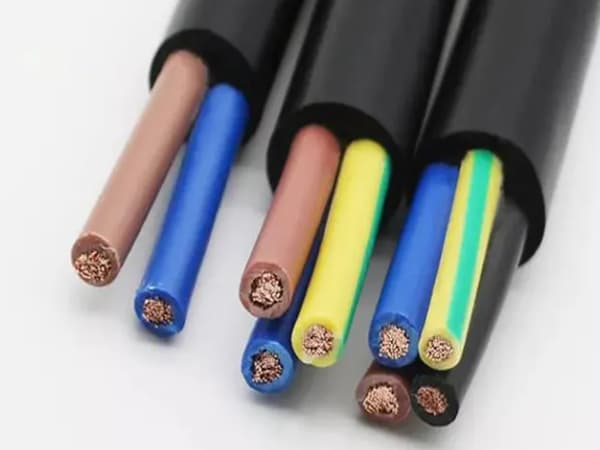
Ejemplo de caída de voltaje
Supongamos que un sistema eléctrico opera a:
- 150 amperios
- 100 longitud del cable en pies
Usando 1 AWG puede resultar en una caída de voltaje notablemente mayor.
Usando 1/0 AWG puede reducir la caída de voltaje aproximadamente entre un 20% y un 25%.
Esta mejora es importante en:
- Sistemas solares
- Sistemas de energía marina
- Maquinaria industrial
- Bancos de baterías
Comparación de resistencia
Una menor resistencia mejora la eficiencia eléctrica..
| Tamaño del cable | Resistencia por 1000 pie |
| 1 AWG | 0.4066 Oh |
| 1/0 AWG | 0.321 Oh |
Menor resistencia significa:
- Menos generación de calor
- Pérdida de energía reducida
- Mejor estabilidad de voltaje
- Mayor vida útil del cable
Para aplicaciones de alta corriente, una menor resistencia es extremadamente beneficiosa.
Diferencias de peso
Desde 1/0 AWG contiene más material conductor, es significativamente más pesado.
Esto afecta:
- Costo de envío
- Carga de bandeja portacables
- Mano de obra de instalación
- Dificultad de manejo
En grandes proyectos industriales, El peso del cable se convierte en una consideración importante de ingeniería..
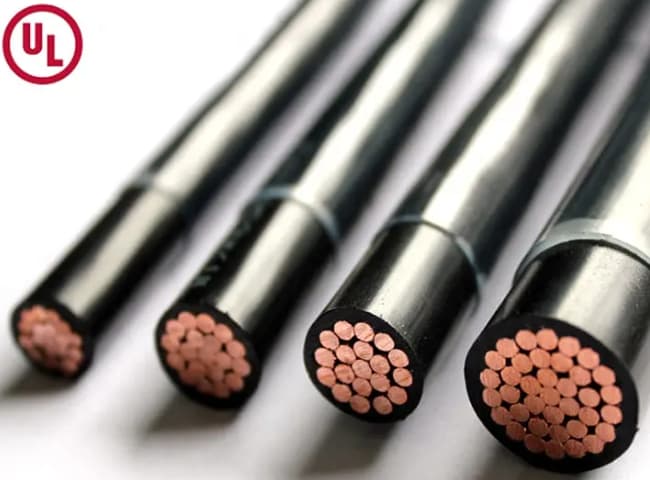
Flexibilidad e instalación
1 AWG es generalmente más fácil de instalar.
Se dobla más fácilmente y requiere menos espacio de instalación..
1/0 AWG es:
- Más rígido
- mas pesado
- Más difícil de encaminar
- Más difícil en espacios reducidos
Por lo tanto, Los instaladores suelen preferir 1 AWG cuando el espacio es limitado.
Sin embargo, Los diseños de cables flexibles de hilo fino pueden mejorar considerablemente la flexibilidad..
Diferencia de costo entre 1 AWG y 1/0 AWG
Los cables más grandes requieren más material conductor, entonces 1/0 AWG es más caro.
La diferencia de precio depende de:
- Precios de mercado del cobre
- Precios del aluminio
- Marca de cables
- Tipo de aislamiento
- Diseño de varado
En general:
1/0 AWG cuesta aproximadamente entre un 15% y un 30% más que 1 AWG.
Las versiones con conductor de cobre son significativamente más caras que las versiones de aluminio..
Versiones de cobre versus aluminio
Ambos 1 AWG y 1/0 AWG están disponibles en cobre y aluminio..
Ventajas del cobre
- Mayor conductividad
- Mejor flexibilidad
- Mejor resistencia a la corrosión
- Diámetro más pequeño
Ventajas del aluminio
- Menor costo
- Peso más ligero
- Transporte más fácil
Sin embargo, Los conductores de aluminio requieren:
- Tamaño de conductor más grande
- Métodos de terminación adecuados
- Compuestos antioxidantes
El cobre sigue siendo la opción preferida para sistemas críticos de alto rendimiento.
Aplicaciones comunes para 1 AWG
1 AWG se usa ampliamente en aplicaciones de corriente media.
Usos típicos
- Sistemas de energía para vehículos recreativos
- Conexiones de baterías solares
- Cables de baterías marinas
- Actualizaciones automotrices
- Puesta a tierra industrial
- Pequeños sistemas inversores
Ofrece un excelente equilibrio entre rendimiento, flexibilidad, y costo.
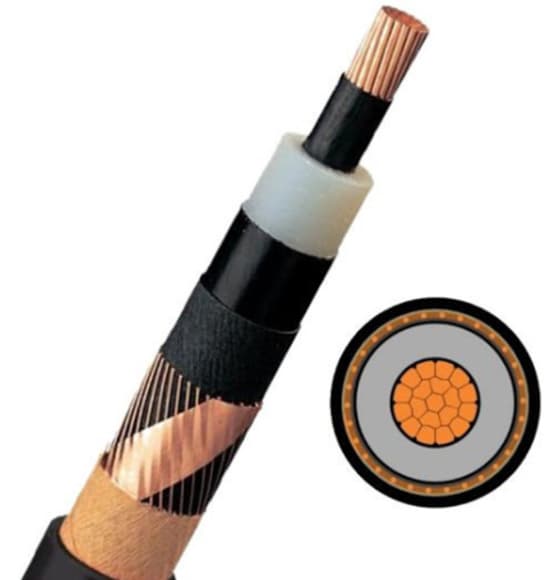
Aplicaciones comunes para 1/0 AWG
1/0 Se prefiere AWG para instalaciones exigentes de alta corriente..
Usos típicos
- Alimentadores de servicio principales
- Equipos industriales
- Inversores solares de alta potencia
- Sistemas de carga de vehículos eléctricos
- Grandes bancos de baterías
- maquinas de soldar
El conductor más grande mejora la confiabilidad bajo cargas eléctricas pesadas..
¿Qué cable es mejor para los sistemas solares??
Ambos tamaños de cables pueden funcionar bien en aplicaciones solares..
Elegir 1 AWG cuando
- La corriente está por debajo de 150A.
- Los tramos de cable son cortos
- El espacio de instalación es limitado.
- El presupuesto es importante
Elegir 1/0 AWG cuando
- La corriente supera los 150A.
- La distancia del cable es larga.
- Se debe minimizar la caída de voltaje.
- Se espera expansión del sistema
Muchos sistemas solares fuera de la red utilizan 1/0 AWG para interconexiones de baterías debido a la alta corriente involucrada.
¿Qué cable es mejor para el audio del automóvil??
Los sistemas de audio para automóviles a menudo requieren conductores grandes porque los amplificadores consumen una corriente sustancial..
1 AWG funciona bien para
- Sistemas de amplificadores medianos.
- Instalaciones de menor potencia
- Cables cortos
1/0 AWG funciona mejor para
- amplificadores de alta potencia
- Múltiples configuraciones de amplificador
- Sistemas superiores a 2000W
Muchos instaladores profesionales de audio para automóviles recomiendan 1/0 AWG para flexibilidad en futuras actualizaciones.
Aplicaciones marinas y de vehículos recreativos
Los sistemas marinos y de vehículos recreativos a menudo experimentan altas corrientes de arranque y largos recorridos de cables..
En estos ambientes:
- La estabilidad del voltaje es crítica
- La resistencia a la corrosión importa
- La confiabilidad es esencial
1/0 AWG se selecciona comúnmente para sistemas más grandes debido a su menor caída de voltaje..
Sin embargo, 1 AWG sigue siendo popular en instalaciones marinas y de vehículos recreativos más pequeños.
Poder 1 Reemplazar AWG 1/0 AWG?
A veces puede, pero no siempre de forma segura.
El uso de un conductor más pequeño puede provocar:
- Calentamiento excesivo
- Caída de voltaje excesiva
- Eficiencia reducida
- Peligros de incendio
Verificar siempre:
- Requisitos del código eléctrico
- Cálculos de ampacidad
- Condiciones ambientales
- Carga del sistema
Nunca subestime los cables en aplicaciones de alta corriente.
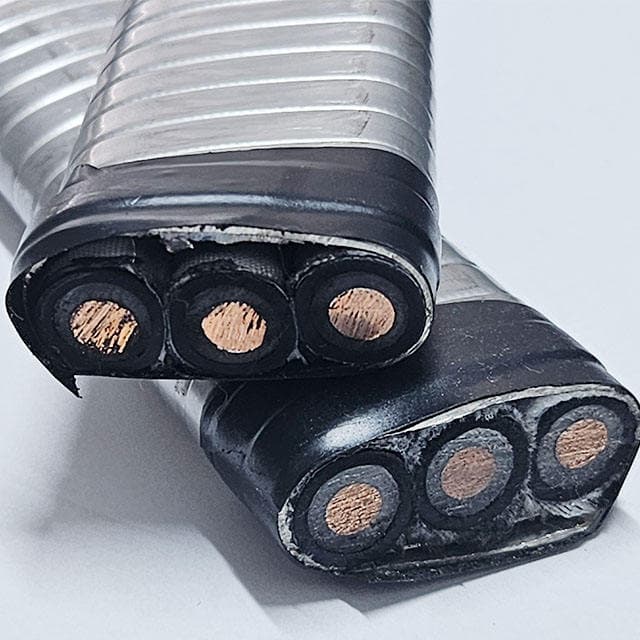
Poder 1/0 Reemplazar AWG 1 AWG?
Sí.
Generalmente es seguro utilizar un conductor más grande.
Las ventajas incluyen:
- Menor resistencia
- Calor reducido
- Mejor eficiencia
- Capacidad de expansión futura
Sin embargo, Los cables de gran tamaño aumentan:
- Dificultad de instalación
- Costo
- Requisitos de tamaño del conector
Comprensión del término "Uno de algo"
Los electricistas comúnmente se refieren a 1/0 AWG como:
“Uno y nada”
Similarmente:
- 2/0 AWG = dos nada
- 3/0 AWG = tres y nada
- 4/0 AWG = cuatro y nada
Esta terminología es estándar en Norteamérica..
Consideraciones del Código Eléctrico y NEC
El Código Eléctrico Nacional (Comité ejecutivo nacional) proporciona reglas para:
- Ampacidad
- Corrección de temperatura
- Dimensionamiento de conductores
- Métodos de instalación
La selección adecuada de cables nunca debe depender únicamente de las tablas en línea.
Se recomienda una evaluación de ingeniería profesional para:
- Sistemas industriales
- Proyectos de servicios públicos
- Instalaciones de alta corriente
- Sistemas de energía renovable
Clasificación de temperatura y aislamiento
El aislamiento del cable afecta en gran medida la ampacidad permitida..
Los tipos de aislamiento comunes incluyen:
- THHN
- XLPE
- XHHW
- CLORURO DE POLIVINILO
- EPDM
Las clasificaciones de temperatura más altas permiten que los cables transporten más corriente de forma segura.
Las clasificaciones de temperatura típicas incluyen:
- 60° C
- 75° C
- 90° C
Conductores trenzados versus conductores sólidos
Ambos 1 AWG y 1/0 AWG se puede fabricar como:
- Conductores sólidos
- Conductores trenzados
Conductores trenzados
Ventajas:
- Mejor flexibilidad
- Instalación más fácil
- Mejor resistencia a las vibraciones
Común en:
- Cables de batería
- cableado marino
- Cables de soldadura
Conductores sólidos
Ventajas:
- Menor costo
- Construcción más sencilla
Normalmente se utiliza en instalaciones fijas..
Cómo elegir entre 1 AWG y 1/0 AWG
El tamaño correcto del cable depende de varios factores.
Requisitos actuales
Una corriente más alta generalmente requiere 1/0 AWG.
Distancia del cable
Los tramos de cable más largos se benefician de conductores más grandes.
Presupuesto
1 AWG es más económico.
Espacio de instalación
Los espacios más pequeños favorecen 1 AWG.
Expansión futura
1/0 AWG puede impedir futuras actualizaciones de cables.
Considere siempre el rendimiento del sistema a largo plazo en lugar de solo el costo inicial..
Tabla de comparación rápida
| Característica | 1 AWG | 1/0 AWG |
| Diámetro | Menor | Más grande |
| Ampacidad | Más bajo | Más alto |
| Resistencia | Más alto | Más bajo |
| Caída de voltaje | Más alto | Más bajo |
| Flexibilidad | Mejor | Reducido |
| Peso | Encendedor | mas pesado |
| Costo | Más bajo | Más alto |
| Uso principal | Corriente media | Alta corriente |
Pensamientos finales
Comprender la diferencia entre 1 AWG y 1/0 AWG es esencial para el diseño de sistemas eléctricos seguros y eficientes.
Aunque el sistema de nombres puede parecer confuso al principio, recuerda esta importante regla:
1/0 AWG es mayor que 1 AWG.
Debido a su mayor tamaño de conductor, 1/0 AWG proporciona:
- Mayor ampacidad
- Menor resistencia
- Mejor eficiencia
- Caída de tensión reducida
Mientras tanto, 1 ofertas AWG:
- Menor costo
- Instalación más fácil
- Mejor flexibilidad
La mejor elección depende de su aplicación específica, carga electrica, entorno de instalación, y futuros planes de expansión de fabricante de cables.
Para sistemas de energía críticos, Siempre se recomienda consultar a un electricista o ingeniero eléctrico autorizado..