
Apa Itu Terminal GIS Kabel 33kV 36kV?
A 33Terminal GIS Kabel kV adalah terminasi kabel tegangan menengah yang dirancang untuk menyambung 33kabel listrik kV XLPE ke Switchgear Berisolasi Gas (GIS). Ini menyediakan isolasi listrik, pengendalian medan listrik, dukungan mekanis, dan sambungan yang tertutup rapat antara kabel dan peralatan GIS.
Demikian pula, A 36Terminal GIS Kabel kV dirancang untuk sistem dengan tegangan operasi maksimum 36persegi panjang, memenuhi persyaratan tegangan menengah IEC sekaligus memastikan transmisi daya yang aman dan andal.
Dibandingkan dengan terminasi berinsulasi udara konvensional, Terminal GIS menawarkan kinerja isolasi yang unggul, dimensi kompak, ketahanan lingkungan yang sangat baik, dan persyaratan perawatan minimal. Mereka banyak digunakan di gardu induk perkotaan, proyek energi terbarukan, fasilitas industri, operasi penambangan, dan sistem distribusi tenaga utilitas.
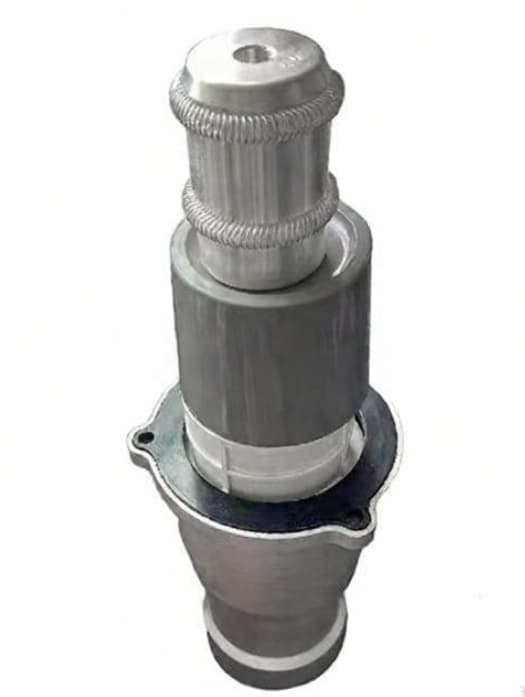
Mengapa Memilih Terminal GIS?
Ketika gardu induk menjadi lebih kompak, utilitas semakin banyak yang mengadopsi teknologi GIS karena keandalannya yang tinggi dan berkurangnya ruang instalasi.
A 33Terminal GIS Kabel kV menawarkan beberapa keuntungan:
- Instalasi kompak
- Isolasi listrik yang sangat baik
- Resistensi tinggi terhadap polusi
- Penyegelan tahan lembab
- Umur panjang
- Biaya perawatan rendah
- Keandalan operasional yang tinggi
- Aplikasi dalam dan luar ruangan yang aman
Manfaat ini juga berlaku untuk 36Terminal GIS Kabel kV sistem.
Pembangunan Terminal GIS Kabel 33kV
Terminasi kabel GIS terdiri dari beberapa komponen rekayasa presisi yang bekerja sama untuk mengontrol medan listrik dan memastikan pengoperasian yang aman.
Konstruksi tipikal meliputi:
- Kerucut stres
- Badan isolasi karet silikon
- Lapisan konduktif
- Konektor konduktor tembaga atau aluminium
- Lubang kompresi
- Antarmuka plugin GIS
- Perumahan logam
- Cincin penyegel
- Koneksi pembumian
- Flensa pemasangan
Setiap komponen diproduksi dengan toleransi dimensi yang ketat untuk menjamin kinerja kelistrikan sepanjang masa pakai produk.
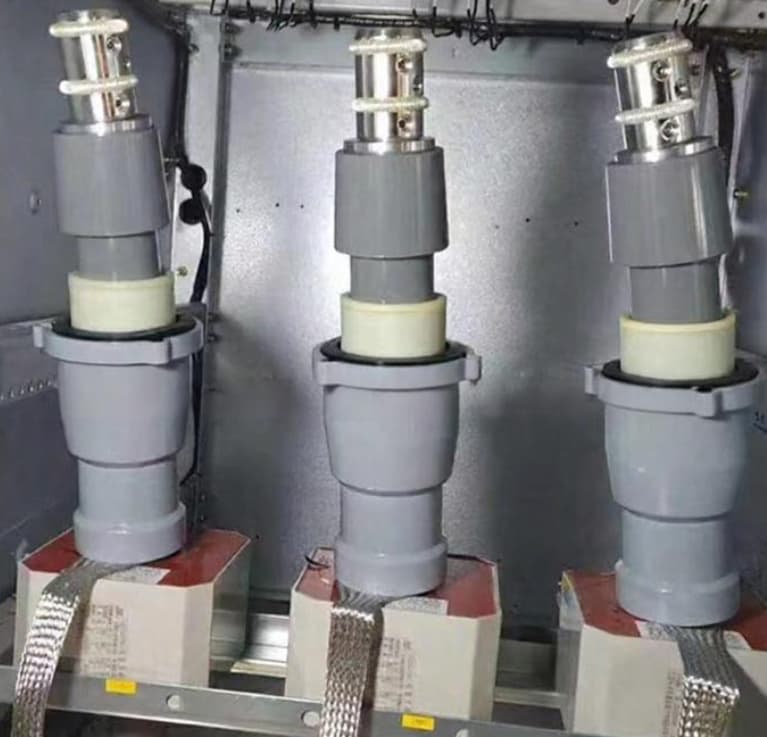
Komponen Utama
Kerucut Stres Silikon
Kerucut stres adalah inti dari penghentian GIS. Ini mendistribusikan kembali medan listrik dari isolasi kabel ke bushing GIS, mencegah tekanan listrik lokal dan pelepasan sebagian.
Badan Isolasi
Karet silikon bermutu tinggi memberikan kekuatan dielektrik yang luar biasa, sifat hidrofobik yang sangat baik, dan ketahanan terhadap radiasi UV, ozon, dan penuaan.
Konektor
Konektor konduktor membuat sambungan listrik resistansi rendah antara konduktor kabel dan peralatan GIS.
Perumahan Metalik
Rumahan melindungi isolasi internal dari kerusakan mekanis sambil mempertahankan landasan yang tepat.
Sistem Penyegelan
Beberapa cincin penyegel mencegah kelembapan, debu, dan kontaminan memasuki lingkungan GIS.
Prinsip Kerja
Konduktor kabel mentransfer energi listrik ke GIS melalui konektor konduktor.
Sementara itu:
- kerucut tegangan menghaluskan medan listrik,
- isolasi silikon mengisolasi tegangan tinggi,
- lapisan konduktif mengontrol distribusi tegangan,
- selungkup logam menyediakan pelindung,
- sistem penyegelan mencegah masuknya uap air.
Hasilnya adalah koneksi yang sangat andal dan mampu beroperasi terus menerus selama beberapa dekade.
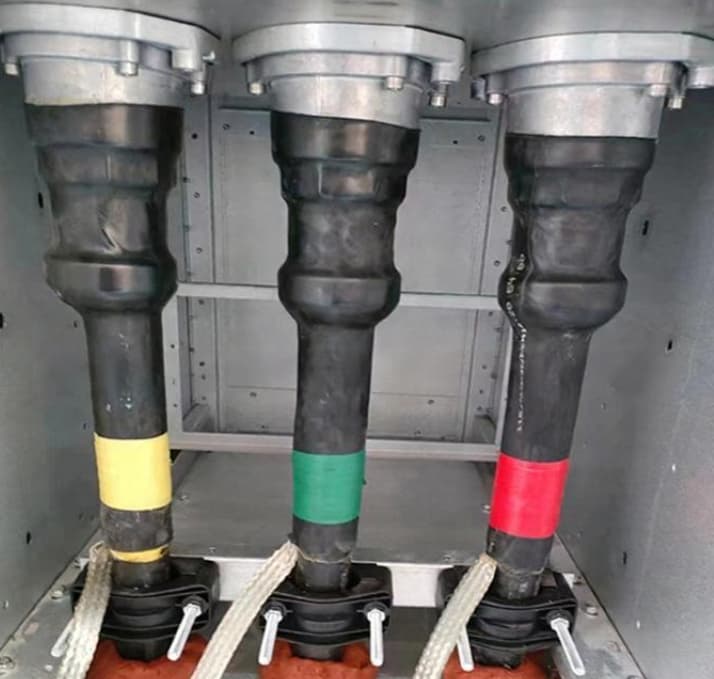
Spesifikasi Teknis Khas
Nilai-nilai khasnya meliputi:
| Barang | Spesifikasi |
|---|---|
| Nilai Tegangan | 33persegi panjang / 36persegi panjang |
| Tegangan Sistem Maksimum | 36persegi panjang / 40.5persegi panjang |
| Frekuensi | 50Hz / 60Hz |
| Isolasi | Karet Silikon |
| Jenis Kabel | XLPE |
| Bahan Konduktor | Tembaga / Aluminium |
| Ukuran Konduktor | 50–1000 mm² |
| Instalasi | GIS dalam ruangan |
| Suhu Sekitar | -40°C hingga +55 °C |
| Perlindungan | IP67 (tergantung pada desain) |
| Kehidupan Pelayanan | Lebih dari 30 bertahun-tahun |
Aplikasi
A 33Terminal GIS Kabel kV banyak digunakan di:
- Gardu utilitas
- Ladang angin
- Pembangkit listrik tenaga surya
- Pembangkit listrik tenaga air
- Pabrik industri
- Fasilitas petrokimia
- Pusat data
- Sistem tenaga kereta api
- Distribusi listrik metro
- Operasi penambangan
- Bandara
- Proyek jaringan pintar
Itu 36Terminal GIS Kabel kV melayani industri yang sama yang memerlukan voltase sistem sedikit lebih tinggi.
Keuntungan Dibandingkan Pemutusan Kabel AIS
Dibandingkan dengan Switchgear Berisolasi Udara (AIS), Terminasi kabel GIS menawarkan banyak keuntungan.
| Terminal GIS | Penghentian AIS |
|---|---|
| Desain kompak | Ruang instalasi lebih besar |
| Isolasi yang lebih baik | Insulasi udara dipengaruhi oleh polusi |
| Penyegelan yang sangat baik | Terkena lingkungan |
| Perawatan minimal | Pemeliharaan yang lebih tinggi |
| Keandalan tinggi | Lebih sensitif terhadap cuaca |
| Cocok untuk GIS dalam ruangan | Terutama penggunaan di luar ruangan |
Kinerja Listrik
Terminasi kabel GIS modern dirancang untuk mencapai karakteristik kelistrikan yang sangat baik, termasuk:
- Tingkat pelepasan sebagian rendah
- Distribusi medan listrik seragam
- Kekuatan dielektrik yang tinggi
- Kemampuan menahan impuls yang sangat baik
- Kinerja termal yang stabil
- Resistensi hubung singkat yang unggul
- Umur isolasi yang panjang
Karakteristik ini memastikan pengoperasian yang stabil dalam kondisi yang menuntut.
Kinerja Mekanis
Selain kinerja listrik, keandalan mekanis sama pentingnya.
Fitur mekanis yang khas meliputi:
- Kekuatan tarik tinggi
- Ketahanan getaran yang sangat baik
- Instalasi fleksibel
- Kinerja penyegelan yang kuat
- Ketahanan korosi
- Ketahanan terhadap gempa
- Stabilitas dimensi jangka panjang
Prosedur Instalasi
Pemasangan yang tepat sangat penting untuk layanan yang andal.
Langkah-langkah instalasi yang umum meliputi:
- Siapkan ujung kabel.
- Lepaskan selubung luarnya.
- Lepaskan isolasi sesuai dengan dimensi pabrikan.
- Pasang konektor konduktor.
- Pasang kerucut stres.
- Pasang badan insulasi.
- Hubungkan terminasi ke bushing GIS.
- Kencangkan semua baut sesuai torsi yang ditentukan.
- Hubungkan sistem grounding.
- Lakukan pengujian kelistrikan sebelum pemberian energi.
Pemasangan harus selalu dilakukan oleh teknisi terlatih dengan menggunakan alat khusus.
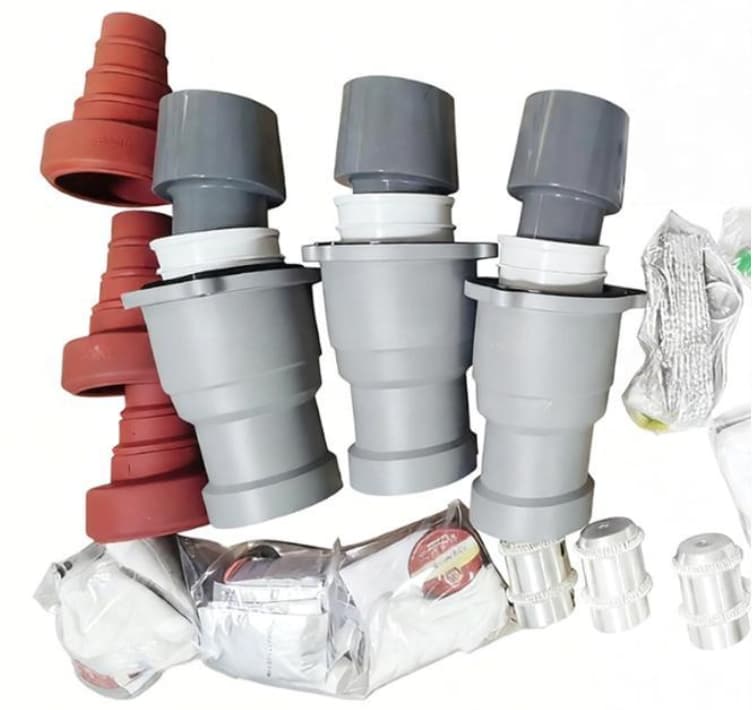
Persyaratan Pengujian
Sebelum ditugaskan, setiap 33Terminal GIS Kabel kV harus menjalani pengujian komprehensif.
Tes yang umum meliputi:
- Inspeksi visual
- Inspeksi dimensi
- Uji tegangan tahan AC
- Tes pelepasan sebagian
- Tes impuls petir
- Tes siklus pemanasan
- Verifikasi mekanis
- Tes sesak
- Uji ketahanan isolasi
- Pengukuran resistansi konduktor
Pengujian rutin di pabrik memastikan setiap penghentian memenuhi standar kualitas yang disyaratkan.
Standar yang Berlaku
Terminasi kabel GIS berkualitas tinggi umumnya diproduksi sesuai standar internasional seperti:
- IEC 60840
- IEC 62271
- IEC 60060
- IEC 60270
- IEC 60529
- IEC 60228
- standar IEEE (jika memungkinkan)
Kepatuhan terhadap standar ini menjamin keamanan produk dan interoperabilitas.
Memilih Terminal Kabel GIS yang Tepat
Saat memilih a 33Terminal GIS Kabel kV atau 36Terminal GIS Kabel kV, pertimbangkan faktor-faktor berikut:
- Tegangan sistem
- Jenis isolasi kabel
- Bahan konduktor
- Penampang konduktor
- Produsen peralatan GIS
- Dimensi antarmuka
- Lingkungan instalasi
- Tingkat polusi
- Ketinggian
- Peringkat hubung singkat
- Suhu pengoperasian
Memilih model yang tepat memastikan kinerja optimal dan masa pakai yang lama.
Rekomendasi Perawatan
Meskipun penghentian GIS memerlukan sedikit pemeliharaan, inspeksi berkala membantu memaksimalkan keandalan.
Perawatan yang disarankan meliputi:
- Inspeksi visual
- Verifikasi koneksi ground
- Inspeksi segel
- Pembersihan permukaan
- Pemantauan suhu inframerah
- Pemantauan pelepasan sebagian
- Inspeksi torsi
Pemeliharaan preventif dapat secara signifikan mengurangi pemadaman listrik yang tidak terduga.
Penyebab Umum Kegagalan
Kegagalan jarang terjadi, namun bisa jadi diakibatkan oleh:
- Instalasi salah
- Persiapan kabel yang buruk
- Masuknya uap air
- Pembengkokan yang berlebihan
- Sambungan konduktor longgar
- Kerusakan mekanis
- Kontaminasi
- Cacat produksi
- Pengendalian stres yang tidak tepat
Mengikuti instruksi pabrik sangat mengurangi risiko ini.
Mengapa Karet Silikon Lebih Diutamakan
Terminasi kabel GIS modern terutama menggunakan karet silikon karena menawarkan:
- Kekuatan dielektrik yang tinggi
- Elastisitas yang sangat baik
- Hidrofobisitas unggul
- ketahanan terhadap sinar UV
- Resistensi ozon
- Resistensi penuaan
- Kisaran suhu pengoperasian yang luas
- Kinerja jangka panjang yang stabil
Properti ini berkontribusi terhadap masa pakai yang melebihi 30 tahun dalam kondisi operasi normal.
Mengapa Memilih DOSENSE 33kV & 36Terminal GIS Kabel kV?
DOSENSE menyediakan terminasi kabel GIS berkinerja tinggi yang dirancang untuk sistem tenaga tegangan menengah di seluruh dunia.
Keunggulan kami antara lain:
- Isolasi silikon berkualitas tinggi
- Kontrol medan listrik presisi
- Manufaktur yang sesuai dengan IEC
- Kompatibel dengan merek GIS utama
- Pengujian rutin dan tipe pabrik
- Kinerja penyegelan yang sangat baik
- Pengiriman cepat
- Dukungan rekayasa teknis
- Solusi OEM dan khusus
- Pengalaman proyek global yang andal
Baik untuk gardu utilitas, proyek energi terbarukan, atau fasilitas industri, Penghentian kabel DOSENSE GIS memberikan hasil yang aman, stabil, dan performa yang tahan lama.
Pertanyaan yang Sering Diajukan
Apa perbedaan antara Terminal GIS Kabel 33kV dan 36kV?
Terminal 33kV dirancang untuk sistem distribusi 33kV, sedangkan terminal 36kV diperuntukkan bagi sistem dengan tegangan operasi maksimum 36kV. Konstruksi mereka serupa, tetapi peringkat kelistrikan dan persyaratan antarmuka mungkin berbeda.
Bisakah terminal GIS dipasang di luar ruangan?
Mereka biasanya terhubung ke peralatan GIS dalam ruangan. Penggunaan di luar ruangan tergantung pada desain selungkup dan perlindungan lingkungan yang disediakan oleh instalasi.
Jenis kabel apa yang kompatibel?
Kebanyakan terminal GIS cocok untuk kabel listrik konduktor tembaga atau aluminium berinsulasi XLPE.
Berapa lama terminasi kabel GIS bertahan?
Dengan pemasangan dan pemeliharaan yang tepat, terminasi GIS berkualitas tinggi dapat beroperasi dengan andal selama lebih dari 30 bertahun-tahun.
Mengapa pengujian pelepasan sebagian penting??
Pengujian pelepasan sebagian memverifikasi integritas insulasi dan membantu mendeteksi cacat sebelum peralatan digunakan, meningkatkan keandalan jangka panjang.
Kesimpulan
Itu 33Terminal GIS Kabel kV Dan 36Terminal GIS Kabel kV adalah komponen penting untuk menyambungkan kabel daya tegangan menengah ke Gas Insulated Switchgear dengan aman dan efisien. Desainnya yang kompak, isolasi silikon canggih, kontrol medan listrik yang sangat baik, dan masa pakai yang lama menjadikannya solusi pilihan untuk gardu induk modern, instalasi energi terbarukan, fasilitas industri, dan infrastruktur jaringan pintar. Dengan memilih terminasi GIS berkualitas tinggi yang diproduksi sesuai standar internasional dan memastikan pemasangan dan pengujian yang benar, utilitas dan kontraktor dapat mencapai keandalan, pemeliharaan rendah, dan sistem transmisi tenaga yang tahan lama.