
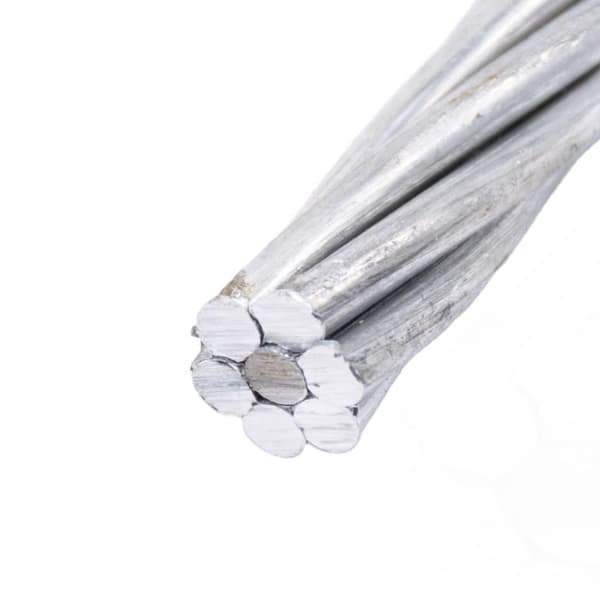
Se lavori nell'ingegneria elettrica, costruzione, energia rinnovabile, o sistemi automobilistici, probabilmente hai incontrato il termine 1/0 Cavo AWG. È uno dei conduttori di grosso spessore più comunemente utilizzati per applicazioni ad alta corrente, eppure a molte persone non è ancora chiaro cosa significhi realmente, come funziona, e dove dovrebbe essere utilizzato.
Analizzeremo tutto ciò che devi sapere 1/0 Cavo AWG, compresa la sua definizione, specifiche, ampiezza, applicazioni, vantaggi, e come scegliere la tipologia giusta per il tuo progetto. Che tu sia un principiante o un acquirente professionista, questo articolo ti aiuterà a prendere decisioni informate.
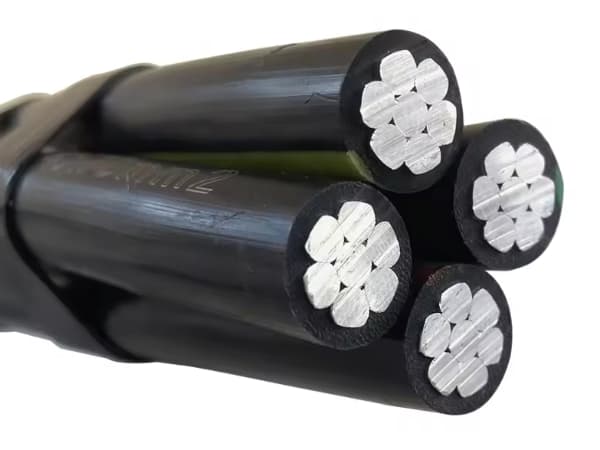
1. Cosa fa 1/0 Media AWG?
AWG sta per Calibro di filo americano, un sistema standardizzato utilizzato principalmente in Nord America per misurare il diametro dei conduttori elettrici.
La notazione 1/0 AWG è anche scritto come:
- 1/0 AWG
- 0 AWG (dimensioni comunemente confuse ma diverse)
- Filo "Uno aught".
Il termine “qualcosa” (0) viene utilizzato nel dimensionamento dei cavi per rappresentare cavi più grandi oltre l'AWG 1.
Comprendere la relazione tra le dimensioni
Il sistema AWG funziona in modo inverso:
- IL più piccolo è il numero, IL più spesso il filo
- Dopo l'AWG 1, il sistema va: 1, 0 (1/0), 00 (2/0), 000 (3/0), 0000 (4/0)
COSÌ 1/0 AWG è maggiore di AWG 1, ma più piccolo di 2/0 AWG.
Diametro di 1/0 Cavo AWG
- Diametro: circa 8.25 mm
- Area trasversale: 53.5 mm²
- Mil circolari: 105,600 cmil
Questa ampia area della sezione trasversale gli consente di trasportare in modo sicuro una quantità significativa di corrente elettrica.
2. Costruzione di 1/0 Cavo AWG
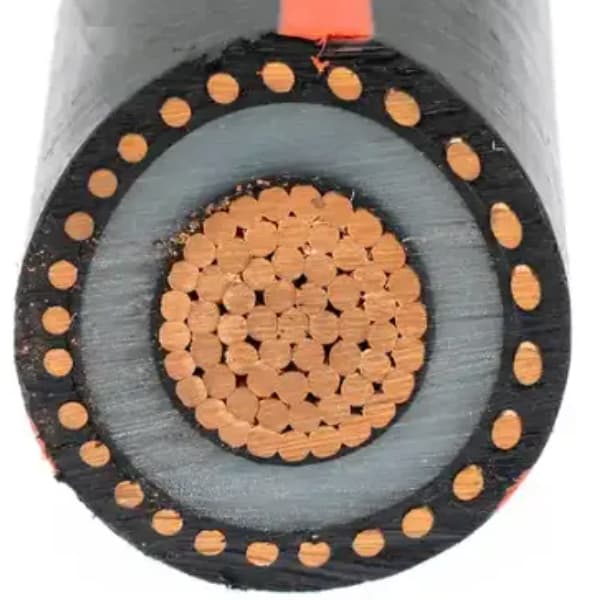
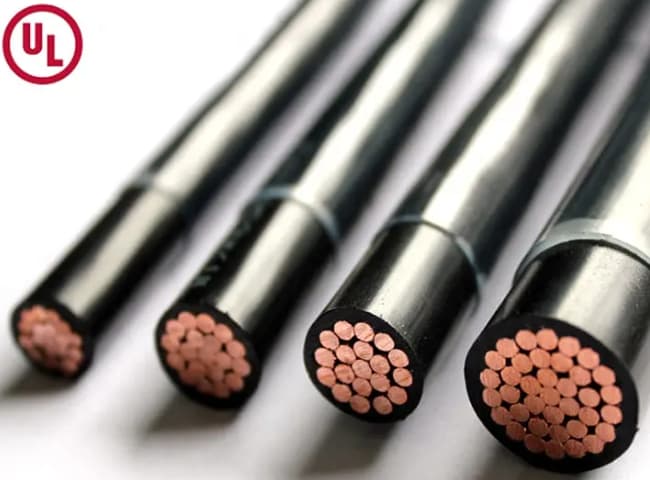
UN 1/0 Il cavo AWG non dipende solo dalle dimensioni, ma dipende anche dalla struttura interna e dai materiali.
2.1 Materiale conduttore
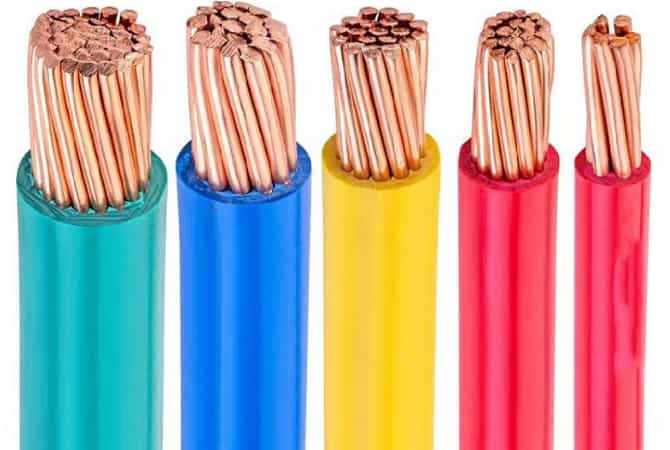
Maggior parte 1/0 Sono realizzati i cavi AWG:
- Rame (più comune)
- Eccellente conduttività
- Elevata flessibilità (quando incagliato)
- Costo più elevato
- Alluminio
- Peso più leggero
- Costo inferiore
- Conduttività leggermente inferiore (~61% del rame)
2.2 Tipo di cordatura
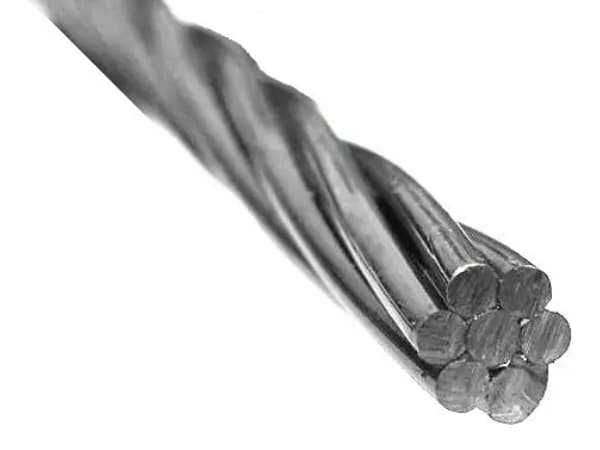
A causa del suo spessore, 1/0 Il cavo AWG è solitamente intrecciato anziché solido.
Tipi di incaglio comuni:
- Filo sottile (più flessibile)
- Filo medio (uso generale)
- Filo grosso (distribuzione elettrica industriale)
La costruzione incagliata migliora:
- Flessibilità
- Resistenza alle vibrazioni
- Facilità di installazione
2.3 Materiali isolanti
A seconda dell'applicazione, l'isolamento può includere:
- PVC (Polivinil cloruro)
- XLPE (Polietilene reticolato)
- Gomma (EPDM, Epr)
- TPE (Elastomero termoplastico)
Ciascun tipo di isolamento offre vantaggi diversi:
- Resistenza al calore
- Resistenza ai raggi UV
- Resistenza chimica
- Durabilità meccanica
3. Caratteristiche Elettriche di 1/0 Cavo AWG
Comprendere le prestazioni elettriche è fondamentale quando si selezionano le dimensioni dei cavi.
3.1 Ampiezza (Capacità di carico corrente)
L'ampiezza di 1/0 L'AWG dipende dall'isolamento e dalle condizioni di installazione.
Valori tipici:
| Materiale | Ampiezza (ca.) |
|---|---|
| Rame (Isolamento THHN) | 150–170 amp |
| Rame (uso industriale) | fino a 195 amplificatori |
| Alluminio | 120–150 amp |
Nota: La portata diminuisce quando i cavi vengono raggruppati o installati in ambienti ad alta temperatura.
3.2 Resistenza
Una resistenza inferiore significa una migliore efficienza.
- Rame 1/0 Resistenza AWG: ~0,1 ohm al 1000 piedi
- Alluminio 1/0 Resistenza AWG: superiore a quello del rame
La resistenza inferiore si riduce:
- Caduta di tensione
- Generazione di calore
- Perdita di energia
3.3 Considerazioni sulla caduta di tensione
Per cavi lunghi, la caduta di tensione diventa importante.
1/0 AWG è comunemente usato perché mantiene livelli di tensione accettabili:
- Sistemi solari
- Banchi di batterie
- Attrezzature industriali
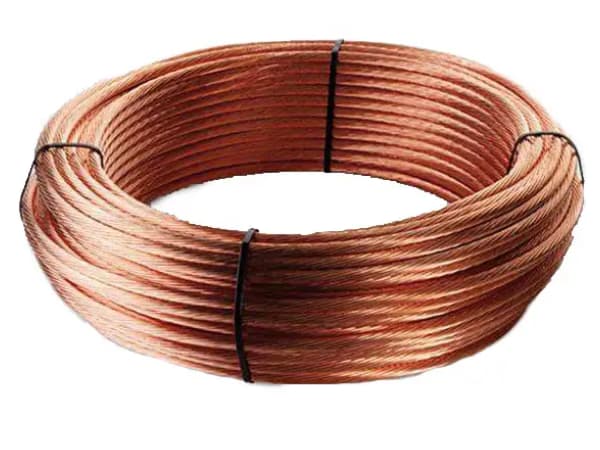
4. Cosa è 1/0 Cavo AWG utilizzato per?
1/0 Il cavo AWG viene utilizzato in applicazioni ad alta potenza in cui i cavi più piccoli potrebbero guastarsi o surriscaldarsi.
4.1 Applicazioni automobilistiche e marine
- Sistemi audio per auto (amplificatori ad alta potenza)
- Veicoli elettrici
- Collegamenti della batteria della barca
- Cavi di avviamento
Perché viene utilizzato:
- Elevata richiesta di corrente
- È richiesta resistenza alle vibrazioni
- Trasferimento di energia compatto ma potente
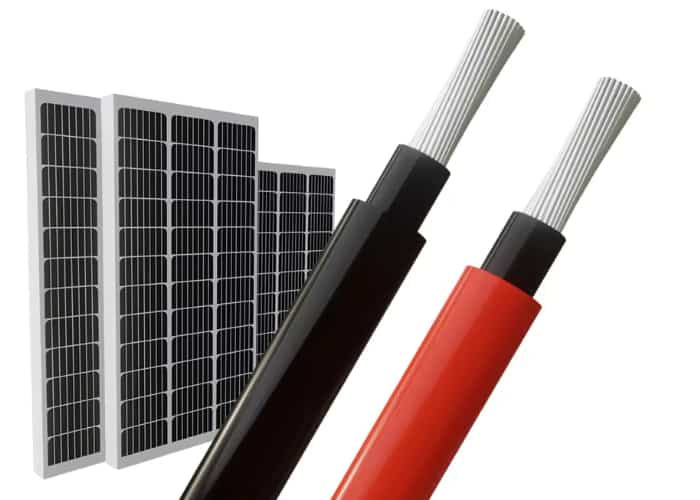
4.2 Sistemi di energia solare
Negli impianti solari, 1/0 Il cavo AWG è ampiamente utilizzato per:
- Interconnessioni della batteria
- Collegamenti dell'inverter
- Cablaggio del regolatore di carica
Vantaggi:
- Gestisce correnti CC elevate
- Riduce la perdita di potenza
- Migliora l'efficienza del sistema
4.3 Distribuzione dell'energia industriale
Utilizzato in fabbriche ed edifici commerciali per:
- Alimentatori motore
- Pannelli di controllo
- Generatori di riserva
Vantaggi:
- Elevata capacità di carico
- Lunga durata
- Affidabile in funzionamento continuo
4.4 Attrezzature per saldatura
Le saldatrici richiedono una corrente estremamente elevata. 1/0 Il cavo AWG è comunemente usato per:
- Cavi di saldatura
- Cavi di terra
Lo assicura:
- Prestazioni dell'arco stabili
- Ridotto accumulo di calore
- Sicurezza migliorata
4.5 Sistemi di accumulo di energia rinnovabile
Nei sistemi di accumulo dell'energia a batteria (BESS), 1/0 AWG viene utilizzato per la connessione:
- Pacchi batterie al litio
- Invertitori
- Sistemi bus CC
5. Vantaggi di 1/0 Cavo AWG
5.1 Capacità di corrente elevata
La sua caratteristica più importante è la gestione sicura di carichi elettrici di grandi dimensioni.
5.2 Perdita di energia ridotta
Conduttore più spesso = resistenza inferiore = efficienza maggiore.
5.3 Durabilità
La struttura a trefoli e il forte isolamento garantiscono una lunga durata.
5.4 Flessibilità
Nonostante le sue dimensioni, il rame intrecciato consente una piegatura e un instradamento più facili.
5.5 Versatilità
Adatto per:
- Sistemi CC
- Sistemi AC
- Installazioni interne ed esterne
6. Rame contro alluminio 1/0 Cavo AWG
La scelta tra rame e alluminio è una decisione fondamentale.
| Caratteristica | Rame | Alluminio |
|---|---|---|
| Conduttività | Alto | Medio |
| Peso | Pesante | Leggero |
| Costo | Costoso | Più economico |
| Flessibilità | Eccellente | Moderare |
| Resistenza alla corrosione | Meglio | Richiede protezione |
Quale dovresti scegliere?
- Scegliere rame se hai bisogno di efficienza, durabilità, e alte prestazioni
- Scegliere alluminio se il costo e il peso sono le principali preoccupazioni
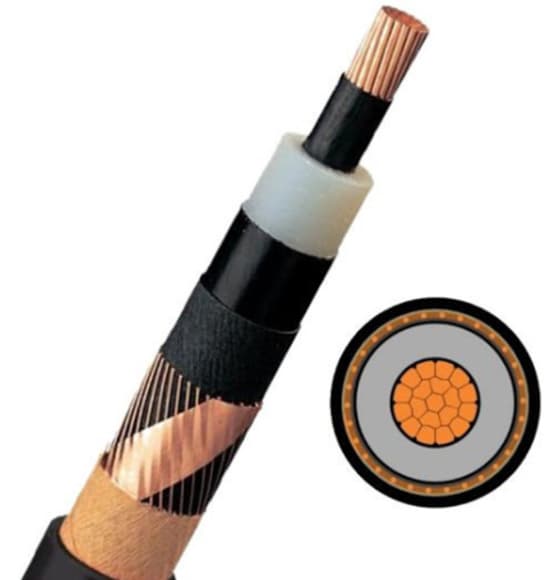
7. Tipi di isolamento e loro importanza
Il tipo di isolamento determina dove può essere utilizzato il cavo.
7.1 THHN / THWN
- Utilizzato negli edifici
- Resistente al calore
- Comune nel cablaggio con canalina
7.2 XLPE
- Elevata resistenza termica
- Utilizzato in ambienti industriali
- Eccellenti proprietà elettriche
7.3 PVC
- Conveniente
- Adatto per applicazioni generali
- Resistenza al calore moderata
7.4 Isolamento in gomma
- Flessibile
- Utilizzato nella saldatura e nei sistemi portatili
8. Come scegliere il giusto 1/0 Cavo AWG
Quando si seleziona un cavo, considerare quanto segue:
8.1 Carico corrente
Calcola sempre:
- Carico continuo
- Carico di punta
- Margine di sicurezza (Generalmente +25%)
8.2 Distanza
Distanza maggiore = caduta di tensione maggiore → richiede un dimensionamento migliore.
8.3 Ambiente
Chiedere:
- Interno o esterno?
- Alta temperatura?
- Esposizione a petrolio o sostanze chimiche?
8.4 Tipo di applicazione
- Automotive → cavo flessibile in gomma
- Industriale → XLPE o PVC
- Solare → Cavo resistente ai raggi UV
9. Errori comuni durante l'utilizzo 1/0 Cavo AWG
9.1 Sottovalutare la caduta di tensione
Anche i cavi spessi possono perdere efficienza su lunghe distanze.
9.2 Miscelazione impropria di alluminio e rame
Ciò può causare:
- Corrosione
- Errore di connessione
9.3 Crimpatura errata
I connettori scadenti portano a:
- Accumulo di calore
- Guasto elettrico
9.4 Sovraccarico del cavo oltre il limite consentito
Ciò riduce la durata della vita e aumenta il rischio di incendio.
10. Suggerimenti per l'installazione
Per garantire un'installazione sicura:
- Utilizzare strumenti di crimpatura adeguati
- Applicare la coppia corretta sui terminali
- Evitare curve strette
- Utilizzare la protezione del cavo nelle aree ad alto attrito
- Tenere i cavi lontani da fonti di calore
11. 1/0 Cavo AWG nei moderni sistemi energetici
Mentre i sistemi energetici si evolvono, 1/0 Il cavo AWG svolge un ruolo fondamentale:
- Sistemi di ricarica per veicoli elettrici
- Impianti solari off-grid
- Sistemi di accumulo di batterie
- Infrastruttura della rete intelligente
La sua capacità di gestire in modo efficiente la corrente elevata lo rende un componente fondamentale nella moderna progettazione elettrica.
12. Domande frequenti (Domande frequenti)
Q1: È 1/0 AWG uguale a 0 AWG?
NO. 1/0 AWG (uno niente) è più grande di 0 AWG.
Q2: Quanti amplificatori possono 1/0 Maniglia AWG?
Tipicamente:
- 150–195 A per il rame a seconda dell'isolamento e delle condizioni.
Q3: Potere 1/0 AWG può essere utilizzato per i sistemi solari?
SÌ, è ampiamente utilizzato nelle connessioni di batterie solari e inverter.
Q4: Il rame è sempre migliore dell'alluminio??
Il rame ha prestazioni elettriche migliori, ma l'alluminio è più leggero ed economico.
Q5: Qual è lo svantaggio principale di 1/0 Cavo AWG?
Le sue dimensioni e il suo costo. È più costoso e più difficile da gestire rispetto ai cavi più piccoli.
Conclusione
1/0 Cavo AWG è un conduttore elettrico per carichi pesanti progettato per applicazioni ad alta corrente nel settore automobilistico, industriale, solare, e sistemi di accumulo dell'energia. La sua ampia sezione trasversale consente un'efficiente trasmissione della potenza con perdite minime, rendendolo una scelta affidabile per ambienti esigenti.
Sia che tu scelga il rame o l'alluminio, comprendere l’ampiezza, tipo di isolamento, e le condizioni di installazione sono essenziali per prestazioni sicure ed efficienti.
Poiché i moderni sistemi energetici continuano a crescere in dimensioni e complessità, 1/0 Il cavo AWG rimarrà un componente fondamentale per fornire energia elettrica stabile ed efficiente.