
Quando si scelgono i cavi elettrici per uso residenziale, industriale, automobilistico, marino, o sistemi di energia solare, la dimensione del filo gioca un ruolo importante nella sicurezza e nelle prestazioni. Una delle domande più comuni che si pongono gli elettricisti e gli ingegneri è:: “Qual è la differenza tra 1 AWG e 1/0 AWG?"
A prima vista, il sistema di denominazione sembra confuso perché molte persone lo presumono 1 AWG e 1/0 Gli AWG sono quasi identici. Tuttavia, la differenza è effettivamente significativa. Nel sistema American Wire Gauge, 1/0 AWG è maggiore di 1 AWG.
La differenza completa tra 1 AWG e 1/0 AWG, compreso il diametro del filo, ampiezza, resistenza, caduta di tensione, applicazioni, flessibilità, e costo. Alla fine, capirai chiaramente quale dimensione del cavo è migliore per il tuo progetto.
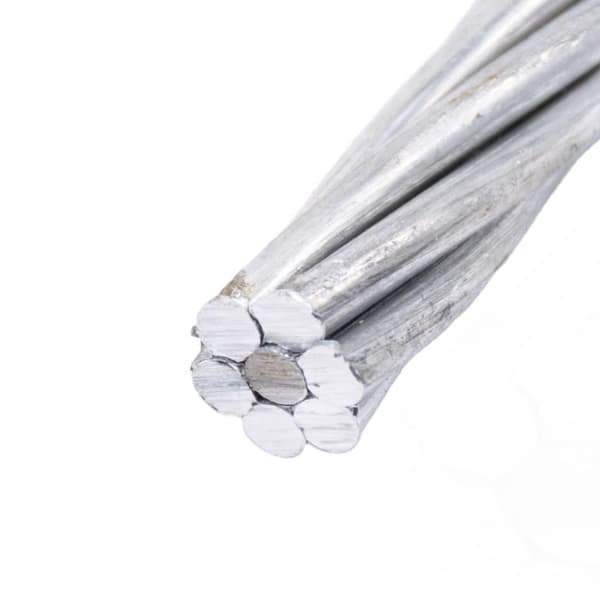
Comprendere il sistema di cavi AWG
AWG sta per American Wire Gauge, un sistema standard di dimensionamento dei cavi utilizzato principalmente in Nord America. Il sistema AWG funziona in modo diverso dal dimensionamento metrico dei cavi perché numeri di calibro più piccoli indicano conduttori più grandi.
Per esempio:
- 10 AWG è maggiore di 12 AWG
- 4 AWG è maggiore di 6 AWG
- 1 AWG è inferiore a 1/0 AWG
Dopo 1 AWG, il dimensionamento continua in "qualsiasi" taglia:
- 1/0 AWG (uno niente)
- 2/0 AWG
- 3/0 AWG
- 4/0 AWG
Perciò, 1/0 AWG è la dimensione successiva più grande 1 AWG.
Molti principianti fraintendono questo punto quando scelgono i cavi della batteria, cavi solari, o conduttori di potenza industriali.
Cosa è 1 Filo AWG?
1 Il filo AWG è un conduttore per carichi pesanti comunemente utilizzato nei sistemi elettrici a corrente medio-alta. Fornisce un'elevata capacità di trasporto di corrente pur rimanendo più facile da installare rispetto ai cavi più grandi.
Le applicazioni tipiche includono:
- Sistemi di batterie solari
- Cavi per batterie automobilistiche
- Cablaggio marino
- Messa a terra industriale
- Collegamenti dell'inverter
- Impianti elettrici camper
Per il suo equilibrio tra prestazioni e flessibilità, 1 AWG è uno dei conduttori di grandi dimensioni più popolari.
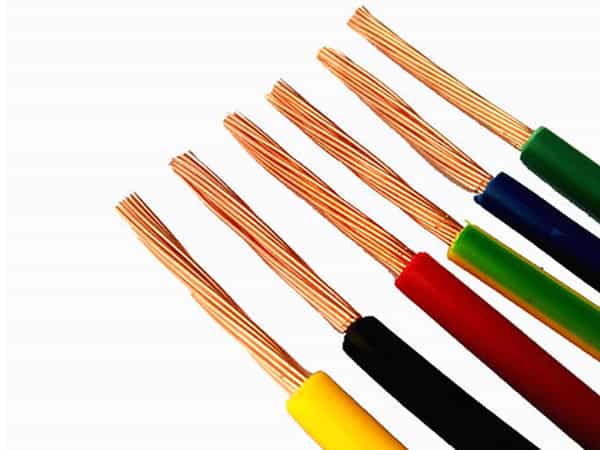
Specifiche tipiche di 1 AWG
| Parametro | Valore |
|---|---|
| Diametro | 7.35 mm |
| Area della sezione trasversale | 42.4 mm² |
| Resistenza | 0.4066 Ω/1000 piedi |
| Ampiezza tipica | 130–150A |
| Flessibilità | Bene |
La portata effettiva dipende dalle condizioni di installazione e dal tipo di isolamento.
Cosa è 1/0 Filo AWG?
1/0 Filo AWG, chiamato anche "uno aught".," è un conduttore più grande progettato per applicazioni di potenza più elevata. Contiene più rame o alluminio, permettendogli di trasportare una maggiore corrente elettrica con una resistenza inferiore.
È comunemente usato in:
- Alimentatori principali
- Motori industriali
- Grandi banchi di batterie
- Sistemi di ricarica per veicoli elettrici
- Attrezzature per saldatura
- Invertitori ad alta potenza
Rispetto a 1 AWG, 1/0 AWG offre una migliore efficienza elettrica, soprattutto su lunghe distanze.
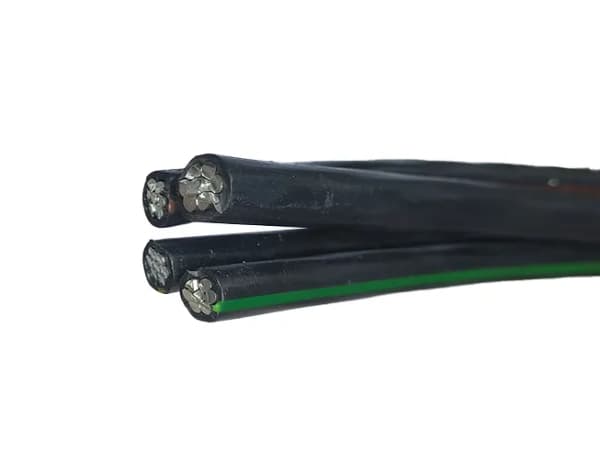
Specifiche tipiche di 1/0 AWG
| Parametro | Valore |
| Diametro | 8.25 mm |
| Area della sezione trasversale | 53.5 mm² |
| Resistenza | 0.321 Ω/1000 piedi |
| Ampiezza tipica | 150–170A |
| Flessibilità | Moderare |
La differenza principale tra 1 AWG e 1/0 AWG
La differenza più grande è la dimensione del conduttore.
Sebbene la differenza nelle dimensioni fisiche sembri piccola, elettricamente è molto importante.
Rispetto a 1 AWG, 1/0 Offerte AWG:
- Maggiore capacità di carico di corrente
- Resistenza inferiore
- Caduta di tensione inferiore
- Migliore efficienza
- Prestazioni termiche migliorate
Tuttavia, 1/0 Anche AWG:
- Costa di più
- Pesa di più
- Richiede connettori più grandi
- È più difficile da piegare
La scelta tra questi dipende dal carico elettrico e dall'ambiente di installazione.
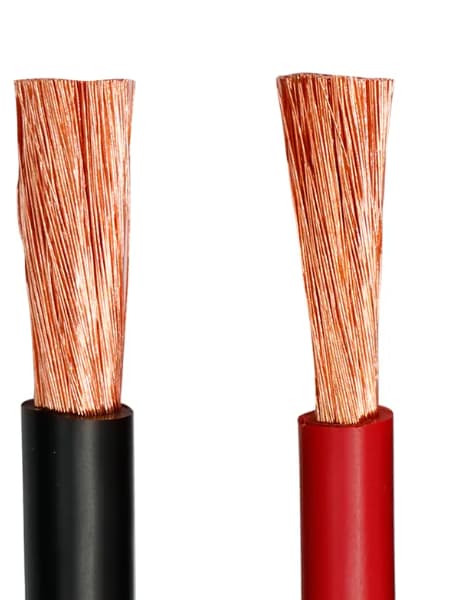
Confronto delle dimensioni tra 1 AWG e 1/0 AWG
Molte persone sottovalutano quanto più grande 1/0 AWG in realtà lo è.
| Dimensione del filo | Diametro |
| 1 AWG | 7.35 mm |
| 1/0 AWG | 8.25 mm |
Sebbene il diametro aumenti di meno 1 mm, l'area della sezione trasversale del conduttore aumenta notevolmente.
Confronto delle aree trasversali
| Dimensione del filo | Zona |
| 1 AWG | 42.4 mm² |
| 1/0 AWG | 53.5 mm² |
Questo significa 1/0 AWG ha circa 26% più materiale conduttore di 1 AWG.
Questa area extra del conduttore migliora notevolmente le prestazioni elettriche.
Differenze di portata
La portata si riferisce alla corrente elettrica massima che un conduttore può trasportare in sicurezza senza surriscaldarsi.
1 Ampacità AWG
Ampacità tipica del rame:
- 130A fino a 150A
Portata tipica dell'alluminio:
- 100A fino a 120A
1/0 Ampacità AWG
Ampacità tipica del rame:
- 150A a 170A
Portata tipica dell'alluminio:
- 120A fino a 150A
La portata esatta dipende da diversi fattori:
- Temperatura ambiente
- Isolamento del cavo
- Metodo di installazione
- Numero di conduttori in fascio
- Codice elettrico locale
Confronto della caduta di tensione
La caduta di tensione diventa estremamente importante nei cavi lunghi.
Perché 1/0 AWG ha una resistenza inferiore, subisce una minore perdita di tensione a distanza.
Perché la caduta di tensione è importante
Può causare una caduta di tensione eccessiva:
- Efficienza ridotta delle apparecchiature
- Surriscaldamento del motore
- Spegnimento dell'inverter
- Problemi di ricarica della batteria
- Perdita di energia
Perciò, molti ingegneri selezionano 1/0 AWG per sistemi ad alta corrente con cavi di lunga lunghezza.
Esempio di caduta di tensione
Supponiamo che un sistema elettrico funzioni a:
- 150 amplificatori
- 100 lunghezza del cavo in piedi
Utilizzando 1 AWG può comportare una caduta di tensione notevolmente maggiore.
Utilizzando 1/0 L'AWG può ridurre la caduta di tensione di circa il 20–25%.
Questo miglioramento è importante in:
- Sistemi solari
- Sistemi energetici marini
- Macchinari industriali
- Banchi di batterie
Confronto della resistenza
Una resistenza inferiore migliora l'efficienza elettrica.
| Dimensione del filo | Resistenza per 1000 piedi |
| 1 AWG | 0.4066 OH |
| 1/0 AWG | 0.321 OH |
Significa una resistenza inferiore:
- Meno generazione di calore
- Perdita di potenza ridotta
- Migliore stabilità della tensione
- Maggiore durata del cavo
Per applicazioni ad alta corrente, una resistenza inferiore è estremamente vantaggiosa.
Differenze di peso
Da 1/0 AWG contiene più materiale conduttore, è notevolmente più pesante.
Ciò influisce:
- Costo di spedizione
- Caricamento della passerella portacavi
- Manodopera di installazione
- Difficoltà di gestione
Nei grandi progetti industriali, il peso del cavo diventa una considerazione ingegneristica importante.
Flessibilità e installazione
1 AWG è generalmente più facile da installare.
Si piega più facilmente e richiede meno spazio di installazione.
1/0 AWG lo è:
- Più rigido
- Più pesante
- Più difficile da instradare
- Più difficile in spazi ristretti
Perciò, gli installatori spesso preferiscono 1 AWG quando lo spazio è limitato.
Tuttavia, i design dei cavi flessibili a trefolo sottile possono migliorare considerevolmente la flessibilità.
Differenza di costo tra 1 AWG e 1/0 AWG
I cavi più grandi richiedono più materiale conduttore, COSÌ 1/0 L'AWG è più costoso.
La differenza di prezzo dipende da:
- Prezzi del mercato del rame
- Prezzi dell'alluminio
- Marchio del cavo
- Tipo di isolamento
- Progettazione della cordatura
Generalmente:
1/0 AWG costa circa il 15–30% in più rispetto a 1 AWG.
Le versioni con conduttore in rame sono significativamente più costose delle versioni in alluminio.
Versioni in rame e alluminio
Entrambi 1 AWG e 1/0 Gli AWG sono disponibili in rame e alluminio.
Vantaggi del rame
- Conduttività superiore
- Migliore flessibilità
- Migliore resistenza alla corrosione
- Diametro più piccolo
Vantaggi dell'alluminio
- Costo inferiore
- Peso più leggero
- Trasporto più semplice
Tuttavia, richiedono i conduttori in alluminio:
- Dimensioni del conduttore maggiori
- Metodi di terminazione corretti
- Composti antiossidanti
Il rame rimane la scelta preferita per i sistemi critici ad alte prestazioni.
Applicazioni comuni per 1 AWG
1 L'AWG è ampiamente utilizzato nelle applicazioni a media corrente.
Usi tipici
- Sistemi di alimentazione per camper
- Collegamenti della batteria solare
- Cavi per batterie marine
- Aggiornamenti automobilistici
- Messa a terra industriale
- Piccoli sistemi inverter
Offre un eccellente equilibrio tra prestazioni, flessibilità, e costo.
Applicazioni comuni per 1/0 AWG
1/0 AWG è preferibile per installazioni impegnative ad alta corrente.
Usi tipici
- Alimentatori di servizi principali
- Attrezzature industriali
- Inverter solari ad alta potenza
- Sistemi di ricarica per veicoli elettrici
- Grandi banchi di batterie
- Macchine saldatrici
Il conduttore più grande migliora l'affidabilità sotto carichi elettrici pesanti.
Quale cavo è migliore per i sistemi solari?
Entrambe le dimensioni dei cavi possono funzionare bene nelle applicazioni solari.
Scegliere 1 AWG Quando
- La corrente è inferiore a 150 A
- I percorsi dei cavi sono brevi
- Lo spazio di installazione è limitato
- Il budget è importante
Scegliere 1/0 AWG Quando
- La corrente supera i 150 A
- La distanza del cavo è lunga
- La caduta di tensione deve essere ridotta al minimo
- È prevista un'espansione del sistema
Molti sistemi solari off-grid utilizzano 1/0 AWG per le interconnessioni delle batterie a causa dell'elevata corrente coinvolta.
Quale cavo è migliore per l'audio dell'auto?
I sistemi audio per auto spesso richiedono conduttori di grandi dimensioni perché gli amplificatori assorbono una corrente notevole.
1 AWG funziona bene per
- Sistemi di amplificazione media
- Impianti a bassa potenza
- Cavi corti
1/0 AWG funziona meglio per
- Amplificatori ad alta potenza
- Configurazioni multiple dell'amplificatore
- Sistemi superiori a 2000 W
Molti installatori audio per auto professionali lo consigliano 1/0 AWG per flessibilità di aggiornamento futuro.
Applicazioni marine e camper
I sistemi marini e camper spesso presentano correnti di avvio elevate e cavi lunghi.
In questi ambienti:
- La stabilità della tensione è fondamentale
- La resistenza alla corrosione è importante
- L'affidabilità è essenziale
1/0 AWG è comunemente selezionato per sistemi più grandi a causa della sua caduta di tensione inferiore.
Tuttavia, 1 L'AWG rimane popolare nei camper più piccoli e nelle installazioni marine.
Potere 1 AWG Sostituisci 1/0 AWG?
A volte può, ma non sempre in sicurezza.
L'utilizzo di un conduttore più piccolo può causare:
- Surriscaldamento
- Caduta di tensione eccessiva
- Efficienza ridotta
- Pericoli di incendio
Verifica sempre:
- Requisiti del codice elettrico
- Calcoli di portata
- Condizioni ambientali
- Carico del sistema
Non sottodimensionare mai i cavi nelle applicazioni ad alta corrente.
Potere 1/0 AWG Sostituisci 1 AWG?
SÌ.
L'uso di un conduttore più grande è generalmente sicuro.
I vantaggi includono:
- Resistenza inferiore
- Calore ridotto
- Migliore efficienza
- Capacità di espansione futura
Tuttavia, aumentano i cavi sovradimensionati:
- Difficoltà di installazione
- Costo
- Requisiti relativi alle dimensioni del connettore
Comprendere il termine "One Aight"
Gli elettricisti fanno comunemente riferimento 1/0 AWG come:
“Uno qualcosa”
Allo stesso modo:
- 2/0 AWG = due ugh
- 3/0 AWG = tre aught
- 4/0 AWG = quattro aught
Questa terminologia è standard in Nord America.
Considerazioni sul NEC e sul codice elettrico
Il Codice Elettrico Nazionale (NEC) fornisce regole per:
- Ampiezza
- Correzione della temperatura
- Dimensionamento del conduttore
- Metodi di installazione
La corretta selezione dei cavi non dovrebbe mai basarsi esclusivamente sulle classifiche online.
Si consiglia la valutazione ingegneristica professionale:
- Sistemi industriali
- Progetti di utilità
- Impianti ad alta corrente
- Sistemi energetici rinnovabili
Valutazione della temperatura e isolamento
L'isolamento del cavo influisce notevolmente sulla portata consentita.
I tipi di isolamento comuni includono:
- THHN
- XLPE
- XHHW
- PVC
- EPDM
Temperature nominali più elevate consentono ai cavi di trasportare più corrente in modo sicuro.
I valori di temperatura tipici includono:
- 60°C
- 75°C
- 90°C
Conduttori intrecciati e solidi
Entrambi 1 AWG e 1/0 AWG può essere prodotto come:
- Conduttori solidi
- Conduttori a trefoli
Conduttori a trefoli
Vantaggi:
- Migliore flessibilità
- Installazione più semplice
- Migliore resistenza alle vibrazioni
Comune dentro:
- Cavi della batteria
- Cablaggio marino
- Cavi di saldatura
Conduttori solidi
Vantaggi:
- Costo inferiore
- Costruzione più semplice
Tipicamente utilizzato in installazioni fisse.
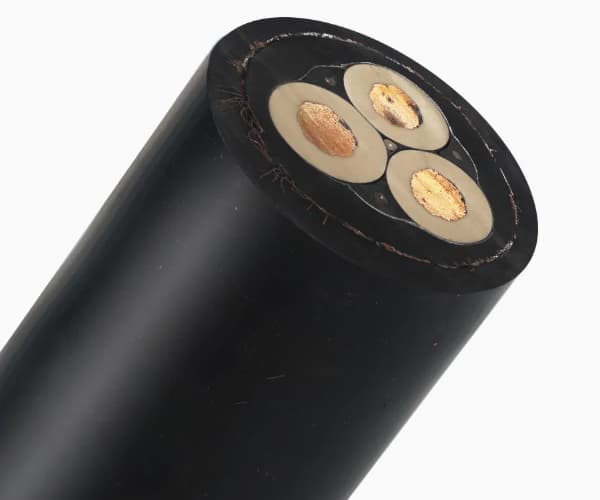
Come scegliere tra 1 AWG e 1/0 AWG
La dimensione corretta del cavo dipende da diversi fattori.
Requisiti attuali
Di solito è necessaria una corrente più elevata 1/0 AWG.
Distanza del cavo
I cavi più lunghi traggono vantaggio da conduttori più grandi.
Bilancio
1 AWG è più economico.
Spazio di installazione
Favoriscono gli spazi più piccoli 1 AWG.
Espansione futura
1/0 AWG potrebbe impedire futuri aggiornamenti dei cavi.
Considera sempre le prestazioni del sistema a lungo termine piuttosto che solo il costo iniziale.
Tabella di confronto rapido
| Caratteristica | 1 AWG | 1/0 AWG |
| Diametro | Più piccolo | Più grande |
| Ampiezza | Inferiore | Più alto |
| Resistenza | Più alto | Inferiore |
| Caduta di tensione | Più alto | Inferiore |
| Flessibilità | Meglio | Ridotto |
| Peso | Più leggero | Più pesante |
| Costo | Inferiore | Più alto |
| Utilizzo principale | Corrente media | Corrente elevata |
Considerazioni finali
Comprendere la differenza tra 1 AWG e 1/0 L'AWG è essenziale per una progettazione sicura ed efficiente dell'impianto elettrico.
Anche se all'inizio il sistema di denominazione può sembrare confuso, ricorda questa importante regola:
1/0 AWG è maggiore di 1 AWG.
A causa della dimensione del conduttore più grande, 1/0 AWG fornisce:
- Maggiore portata
- Resistenza inferiore
- Migliore efficienza
- Caduta di tensione ridotta
Nel frattempo, 1 Offerte AWG:
- Costo inferiore
- Installazione più semplice
- Migliore flessibilità
La scelta migliore dipende dalla vostra applicazione specifica, carico elettrico, ambiente di installazione, e futuri piani di espansione da produttore di cavi.
Per sistemi di alimentazione critici, si consiglia sempre di consultare un elettricista o un ingegnere elettrico autorizzato.