
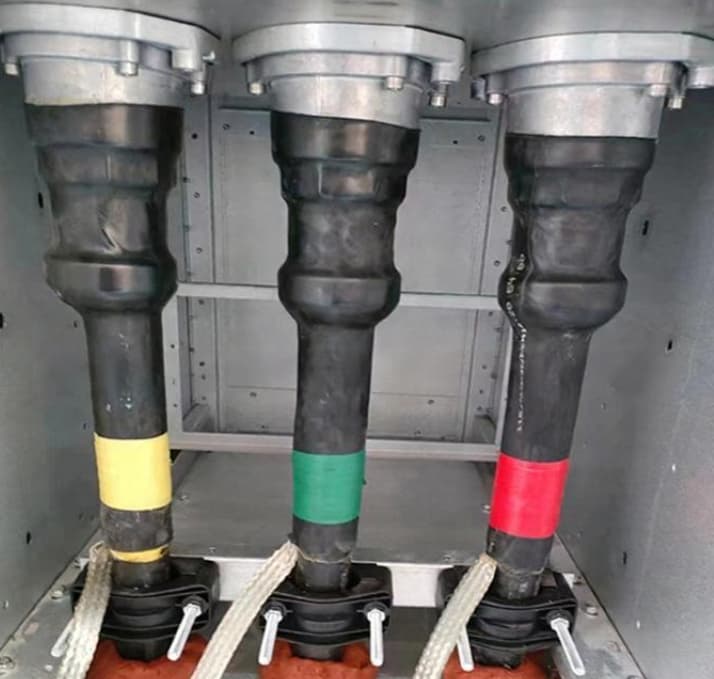
アン インナーコーンプラグイン終端メーカー 高圧電力ケーブルを GIS に接続するための特殊なケーブル アクセサリを提供します, 変圧器, 開閉装置, およびその他の電気機器. この技術は、コンパクトなプラグイン インターフェイスとプレモールド ストレス コーンを使用して、ケーブル絶縁体の周囲の電界を制御します。.
従来のケーブル終端との比較, インナーコーン設計によりコンパクトな接続構造を実現. したがって, 設置スペースが限られている変電所で特にうまく機能します。. 加えて, 現代のデザインの多くは乾式断熱技術を使用しています, これにより設置が簡素化され、液体絶縁媒体の必要性が減ります。.
インナーコーンプラグイン技術により中電圧に対応可能, 高電圧, および特別高圧アプリケーション. メーカーや商品のデザインにより異なります, 利用可能な電圧クラスは以下の範囲に及びます 10 kVから 500 kV.
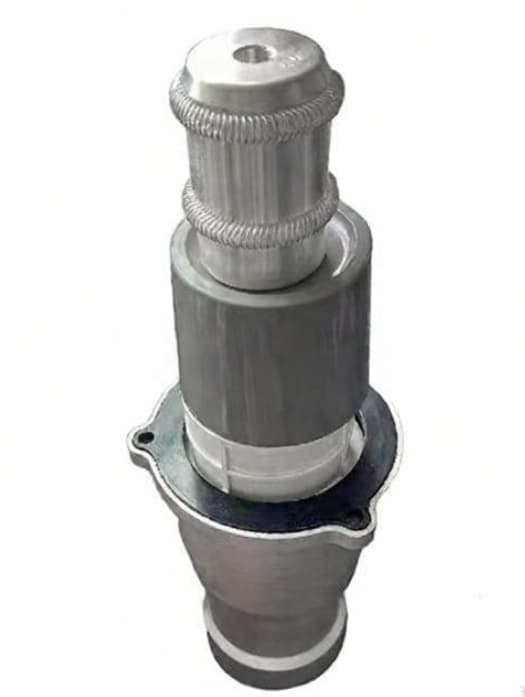
インナーコーンプラグイン終端とは何ですか?
アン インナーコーンプラグイン終端 インナーコーンブッシュを介して電源ケーブルを電気機器に接続します. システムには通常、ストレス コーンが含まれています, 導電性接触子, 絶縁界面, シール部品, および機械的圧力コンポーネント.
ストレスコーンは電界制御において重要な役割を果たします. ケーブル絶縁体の周囲の電気的ストレスを分散し、半導体スクリーンの端での電界の集中を軽減します。.
インストール中, ケーブル終端が対応するブッシングに入ります. 次に、インターフェースはケーブルと機器の間に制御された電気接続を作成します。.
結果として, インナーコーン技術は、次のようなコンパクトなソリューションを提供します。:
- GIS開閉装置
- C-GIS開閉装置
- 電源トランス
- ガス絶縁変電所
- 高圧開閉装置
- 再生可能エネルギー変電所
- 洋上風力発電システム
- 地中送電システム
- 鉄道電力システム
ブッシングのインターフェースは終端と正確に一致する必要があります. その結果, エンジニアはインターフェースの寸法を確認してから選択する必要があります。 インナーコーンプラグイン終端メーカー.
インナーコーンプラグイン終端電圧レベル
電圧定格は最も重要な選択基準の 1 つです. しかし, お客様はケーブルの公称電圧と機器の最大電圧を区別する必要があります.
次のリストは、一般的な電圧レベルまたは適用される可能性のある電圧レベルをカバーしています。 10 kVから 500 kV.
| 公称 / 機器の電圧 | 代表的な用途 |
|---|---|
| 10 kV | 高圧配電 |
| 11 kV | 流通ネットワーク |
| 12 kV | 中圧システム |
| 15 kV | 北米の MV システム |
| 17.5 kV | MV機器クラス |
| 20 kV | 流通ネットワーク |
| 22 kV | 高圧配電 |
| 24 kV | MV開閉装置 |
| 26 kV | 特殊なケーブルシステム |
| 27.5 kV | 鉄道牽引 |
| 30 kV | 中圧システム |
| 33 kV | 流通と再生可能エネルギー |
| 35 kV | 中圧ネットワーク |
| 36 kV | MV機器クラス |
| 38 kV | 厳選されたユーティリティ システム |
| 40.5 kV | MV開閉装置クラス |
| 42 kV | 特別なMVアプリケーション |
| 45 kV | 特殊な高電圧用途 |
| 52 kV | ハイエンドMVアプリケーション |
| 66 kV | 高圧配電 |
| 69 kV | 北米の伝播 |
| 72.5 kV | IEC高電圧機器クラス |
| 90 kV | 高電圧システム |
| 110 kV | 伝送システム |
| 115 kV | 北米の伝播 |
| 126 kV | IEC機器クラス |
| 132 kV | 伝送システム |
| 138 kV | 北米の伝播 |
| 145 kV | IEC機器クラス |
| 150 kV | 選択された伝送ネットワーク |
| 170 kV | IEC機器クラス |
| 220 kV | 伝送システム |
| 230 kV | 北米の伝播 |
| 245 kV | IEC機器クラス |
| 275 kV | 高圧送電 |
| 300 kV | 特殊な伝送アプリケーション |
| 330 kV | 高圧送電 |
| 345 kV | 北米の伝播 |
| 362 kV | IEC機器クラス |
| 400 kV | 特別高圧送電 |
| 420 kV | IEC機器クラス |
| 500 kV | 特別高圧送電 |
この表には、一般的に使用される公称電圧と機器クラスが含まれています. それにもかかわらず, すべての電圧レベルが標準のインナーコーン製品を表すわけではありません.
例えば, 一部のメーカーは、以下のインナーコーン システムを提供しています。 52 kV, 一方、他の製品ファミリーは、次のようなより高い電圧クラスをカバーしています。 72.5 kV, 145 kV, 245 kV, あるいはそれ以上. したがって, エンジニアは実際のケーブルとブッシングのインターフェイスに従って各プロジェクトを評価する必要があります.
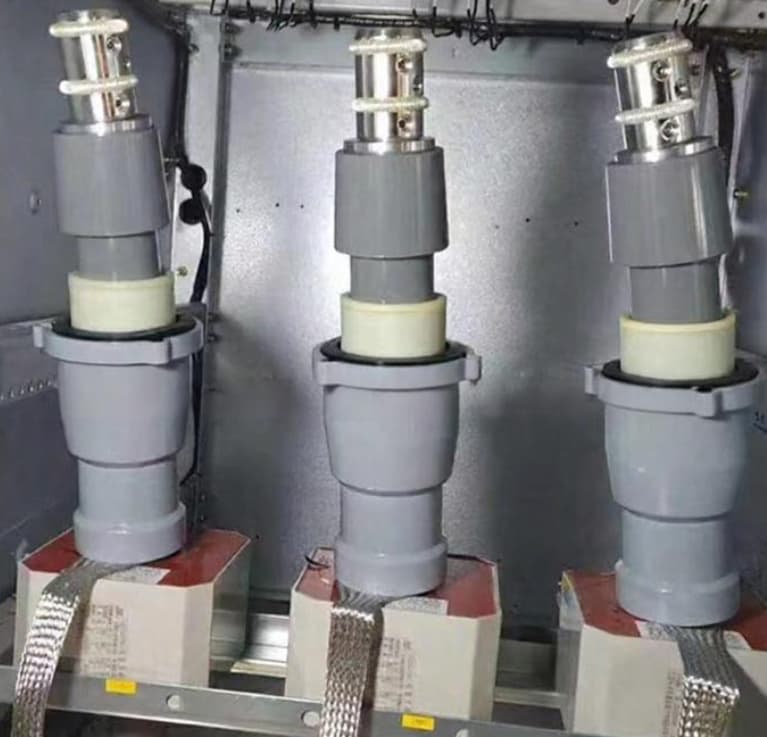
10kV ~ 52kV インナーコーンプラグイン終端
の 10 kVから 52 kV 範囲はプラグイン ケーブル アクセサリの重要な応用分野を表します.
一般的なケーブル電圧定格には次のものがあります。:
- 6/10 kV
- 8.7/15 kV
- 12/20 kV
- 18/30 kV
- 19/33 kV
- 26/35 kV
これらの電圧レベルでは, メーカーは通常、プレモールドされたシリコーンゴムストレスコーンを使用します. シリコーンは優れた電気絶縁性を提供し、広い動作温度範囲にわたって適切な界面圧力を維持します。.
さらに, コンパクトなプラグイン構造により、エンジニアは限られたスペースの開閉装置または変圧器コンパートメント内にケーブル接続を設置できます。.
のために 10 kV, 20 kV, 24 kV, 30 kV, 33 kV, そして 35 kVシステム, 通常、メーカーはケーブルの絶縁直径と導体の断面積に応じて終端を選択します。.
したがって, 顧客は電圧定格だけではなく、完全なケーブル寸法を提供する必要があります。.
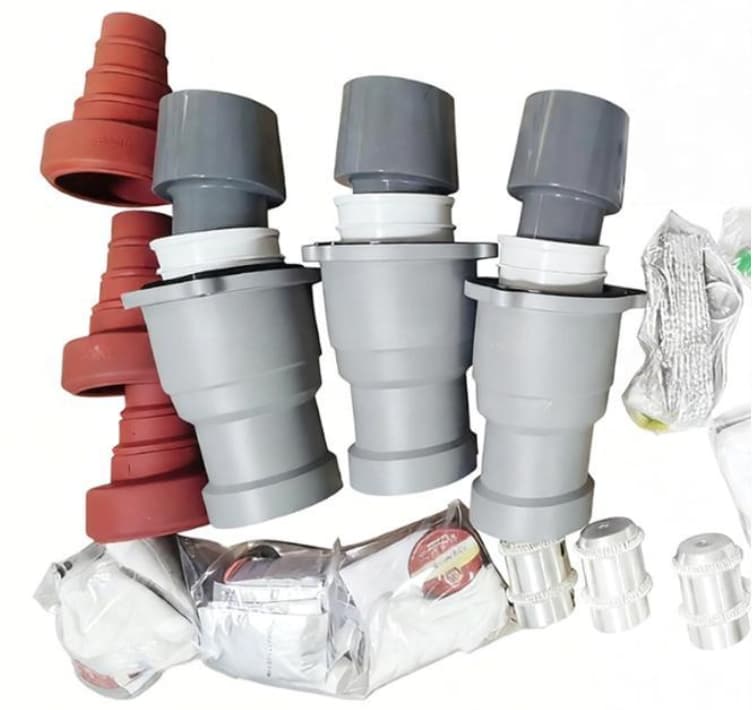
66kV ~ 145kV インナーコーンプラグイン終端
の 66 kVから 145 kVレンジが高電圧ケーブルアクセサリ市場に参入.
一般的な電圧レベルには次のものがあります。 66 kV, 69 kV, 72.5 kV, 90 kV, 110 kV, 115 kV, 126 kV, 132 kV, 138 kV, そして 145 kV.
これらの電圧レベルでは, 電界制御がますます重要になる. メーカーは、ストレス コーンの形状と XLPE 断熱材を慎重に調整する必要があります。, 半導体スクリーン, およびブッシングインターフェース.
例えば, ある 110 kVまたは 132 kV ケーブル終端では、単純にケーブル終端と同じ構造を使用することはできません。 20 kV終端. 動作電圧が高いほど、より優れた絶縁能力とより正確なフィールドグレーディングが必要になります.
加えて, 終端は GIS または変圧器のブッシュと機械的および電気的に一致する必要があります.
IEC 62271-209 高電圧開閉装置とケーブル間のケーブル接続に関する重要な要件を提供します。. その結果, 顧客は注文する前に該当するインターフェース規格を確認する必要があります.
170kV ~ 245kV インナーコーンプラグイン終端
の 170 kVから 245 kV 範囲は主要な伝送アプリケーションをカバーします.
一般的な電圧クラスには次のものがあります。:
- 170 kV
- 220 kV
- 230 kV
- 245 kV
これらの価値観の中で, 245 kV は重要な IEC 機器の電圧クラスを表します.
高電圧のインナーコーン終端には、インターフェース圧力の慎重な制御が必要です. ストレス コーンは、ケーブル システムの耐用年数全体にわたって安定した電気的性能を維持する必要もあります。.
さらに, メーカーは部分放電性能を評価する必要があります, AC耐電圧, 雷インパルス耐電圧, および熱特性.
のために 220 kVまたは 230 kVプロジェクト, したがって、お客様はケーブル構造を提供する必要があります, 導体サイズ, 断熱材の厚さ, 絶縁体直径, およびGISブッシュ情報.
この情報により、 インナーコーンプラグイン終端メーカー 正しいインターフェースと終端寸法を選択するには.
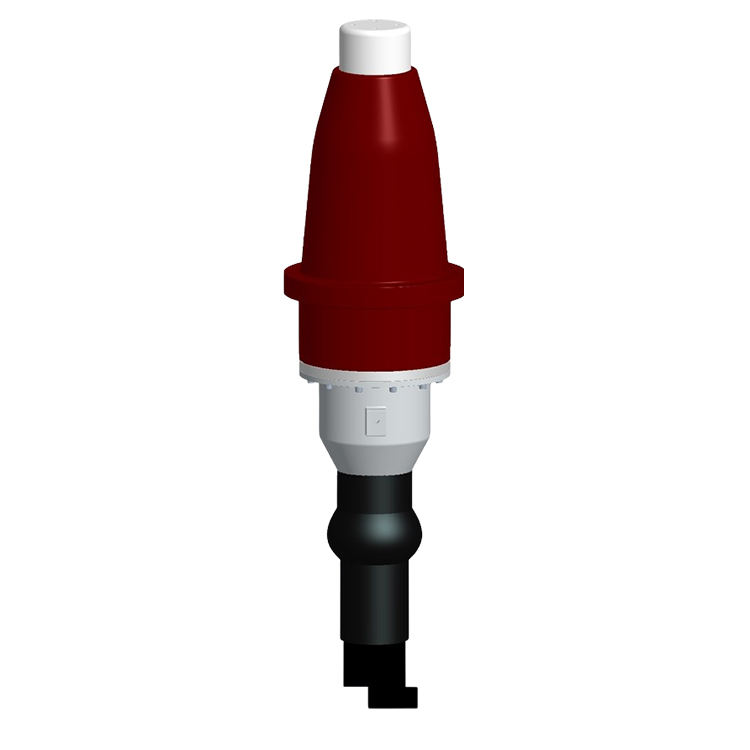
275kV ~ 500kV インナーコーンプラグイン終端
上記のアプリケーション 245 kVは特別高圧送電分野に属します.
潜在的なプロジェクトの電圧レベルには次のものがあります。 275 kV, 300 kV, 330 kV, 345 kV, 362 kV, 400 kV, 420 kV, そして 500 kV.
これらの電圧レベルでは, 終端設計の要求がかなり厳しくなる. エンジニアは終端だけではなく、電気および機械システム全体を考慮する必要があります.
重要な設計パラメータには次のものがあります。:
- ケーブル導体径
- 導体断面積
- XLPE断熱材の厚さ
- ケーブル絶縁直径
- 半導体スクリーン
- ストレスコーンの形状
- 電界分布
- 界面圧力
- 部分放電性能
- AC耐電圧
- 雷インパルス耐電圧
- スイッチングインパルス耐電圧
- 短絡性能
- 熱性能
- 機械的インターフェースの寸法
あ 500 kV ケーブル システムには特に慎重なエンジニアリングが必要です. 終端はケーブルと連携して機能する必要があります, GIS または変圧器のブッシング, 接地システム, および設置環境.
したがって, ある 500 kV インナーコーンのプラグイン終端には、通常、プロジェクト固有のエンジニアリングとテストが必要です. 公称電圧の一致だけで製品を選択しないでください。.
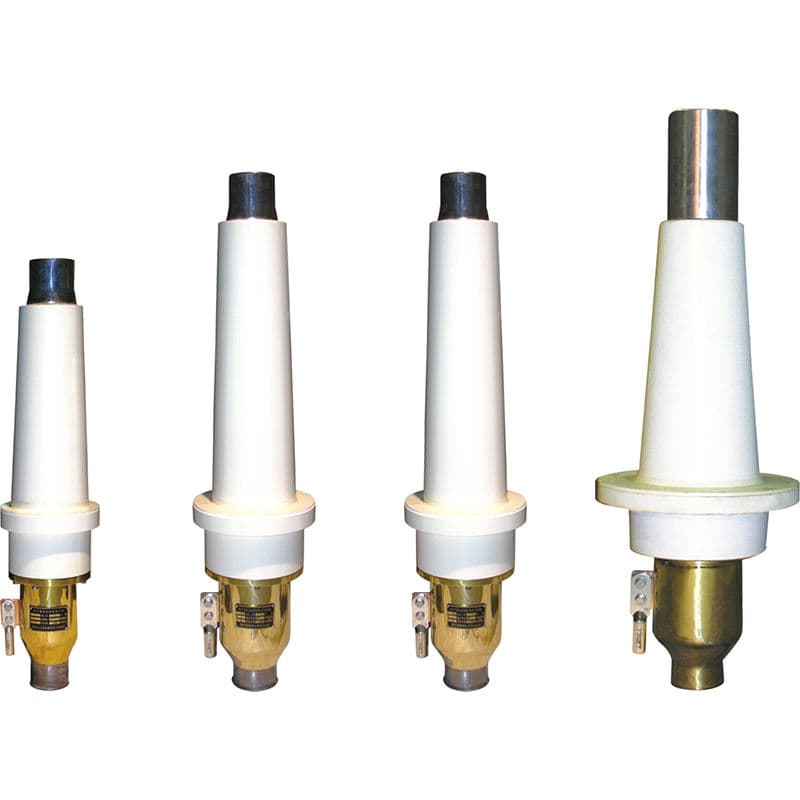
インナーコーンプラグイン終端を選択する理由?
コンパクトな設計は、インナーコーン技術の主な利点の 1 つを提供します。.
初め, プラグイン接続により設置スペースを節約できます. この機能は、GIS 変電所やコンパクトな変圧器の設置において価値を発揮します。.
2番, 多くの設計では乾式断熱材が使用されています. したがって, 設置プロセスには油を充填したケーブル接続システムは必要ありません.
三番目, プレモールドされたストレス コーンにより、制御された電界分布が提供されます。. この設計は、ケーブル終端領域の周囲で信頼性の高い絶縁性能を維持するのに役立ちます。.
加えて, 機器の設計でケーブル終端の取り外しが可能な場合、プラグイン接続により機器の接続と将来のメンテナンスが簡素化されます。.
しかし, 設置チームは製造元の指示に注意深く従わなければなりません. ケーブルの準備, 半導体除去, ストレスコーンの位置決め, 接点の取り付け, インターフェースのクリーニングはすべて最終パフォーマンスに影響します.
インナーコーンプラグイン終端メーカーの選択方法
お客様は、製品を選択する際に、いくつかの技術的要素を考慮する必要があります。 インナーコーンプラグイン終端メーカー.
1. 定格電圧
ケーブルの公称電圧と機器の最大電圧を確認してください. これら 2 つの値は常に同じ数値になるとは限りません.
2. ケーブル導体のサイズ
導体の断面積は、終端接点と機械設計に直接影響します。.
一般的な導体サイズは、小型の中電圧導体から大型の伝送ケーブル導体まで多岐にわたります。.
3. ケーブル絶縁体直径
絶縁体の直径は、最も重要な寸法パラメータの 1 つを表します。. あるケーブル直径に合わせて設計された終端は、同じ公称電圧の別のケーブルに適合しない場合があります.
4. ブッシングインターフェース
内側のコーンの終端は、対応する GIS または変圧器のブッシングと一致する必要があります.
したがって, お客様はブッシュのタイプを提供する必要があります, インターフェース寸法, 可能な限り関連する技術図面.
5. テスト要件
資格のあるメーカーは、関連するテスト文書を提供する必要があります。. 電圧クラスによる, プロジェクトでは部分放電試験が必要になる場合があります, AC耐圧試験, インパルス試験, 熱試験, その他の検証.
6. 導入サポート
信頼できるメーカーは、取り付け手順と技術サポートも提供する必要があります。.
大規模な送電プロジェクト向け, 設置トレーニングにより、不適切なケーブルの準備が行われるリスクをさらに軽減できます。.
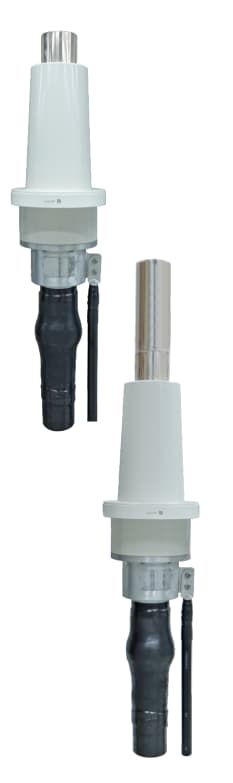
世界市場向けインナーコーンプラグイン終端メーカー
国が異なれば、異なる送電および配電電圧システムが使用されます. したがって, 国際的なメーカーは複数の電圧規格を理解する必要がある.
中電圧アプリケーション用, 顧客が要求する場合があります 10 kV, 11 kV, 12 kV, 15 kV, 20 kV, 22 kV, 24 kV, 30 kV, 33 kV, 35 kV, または 36 kVシステム.
北米のプロジェクトでは、 15 kV, 25 kV, 35 kV, 69 kV, 115 kV, 138 kV, 230 kV, または 345 kVシステム.
その間, IEC ベースの伝送ネットワークでは、通常、次のような機器クラスが使用されます。 72.5 kV, 145 kV, 170 kV, 245 kV, 362 kV, そして 420 kV.
特別高圧プロジェクトでは必要になる場合があります 400 kV, 500 kV, またはその他のプロジェクト固有の電圧レベル.
結果として, 経験豊富な インナーコーンプラグイン終端メーカー 製品を推奨する前に、完全なプロジェクト仕様を評価する必要があります.
インナーコーンプラグイン終端メーカーとしての Dosense ケーブル
Dosense Cable は、中電圧用の電源ケーブル システムとケーブル アクセサリに焦点を当てています。, 高電圧, および特別高圧アプリケーション.
として インナーコーンプラグイン終端メーカー, Dosense Cable は電圧レベルに応じてケーブル終端ソリューションを開発できます, 導体サイズ, 絶縁体直径, ケーブル構造, GISインターフェース, 変圧器インターフェース, およびプロジェクトの要件.
新しいプロジェクトに向けて, 顧客は次の情報を提供できます:
- ケーブル電圧
- 導体材質
- 導体断面積
- ケーブル絶縁タイプ
- 絶縁体直径
- 断熱材の厚さ
- ケーブルスクリーンの構造
- GISまたは変圧器ブッシングタイプ
- 定格電流
- 設置環境
- 必要な試験規格
これらのパラメータを使用すると、, メーカーは適切なインナーコーンの設計を決定し、技術的な提案を提供できます。.
アン インナーコーンプラグイン終端 高電圧ケーブルと電気機器間のコンパクトで信頼性の高い接続を提供します. から 10 kV高圧システムから 500 kV特別高圧送電事業, 電圧クラスが異なれば、異なる絶縁システムが必要になります, インターフェース, 応力制御構造, およびテスト手順.
このため, 右を選択する インナーコーンプラグイン終端メーカー 電圧定格を確認するだけでは不十分です. ケーブル寸法, ブッシングインターフェース, 電気要件, 機械的条件, および適用される基準はすべて慎重に検討される必要があります.
Dosense Cable は顧客と協力して、特定の電圧レベルおよび機器インターフェースに適したケーブル終端ソリューションを開発できます。.