
주거용 전기 케이블을 선택할 때, 산업의, 자동차, 선박, 또는 태양광 발전 시스템, 와이어 크기는 안전과 성능에 중요한 역할을 합니다.. 전기 기술자와 엔지니어가 묻는 가장 일반적인 질문 중 하나는 다음과 같습니다.: “그게 무슨 차이야? 1 AWG 및 1/0 AWG?”
언뜻보기에, 많은 사람들이 그렇게 생각하기 때문에 명명 시스템이 혼란스러워 보입니다. 1 AWG 및 1/0 AWG는 거의 동일합니다.. 하지만, 그 차이는 실제로 상당하다. 미국 와이어 게이지 시스템, 1/0 AWG는 다음보다 큽니다. 1 AWG.
완전한 차이점 1 AWG 및 1/0 AWG, 와이어 직경 포함, 전류용량, 저항, 전압 강하, 애플리케이션, 유연성, 그리고 비용. 결국, 프로젝트에 어떤 케이블 크기가 더 적합한지 명확하게 이해할 수 있습니다..
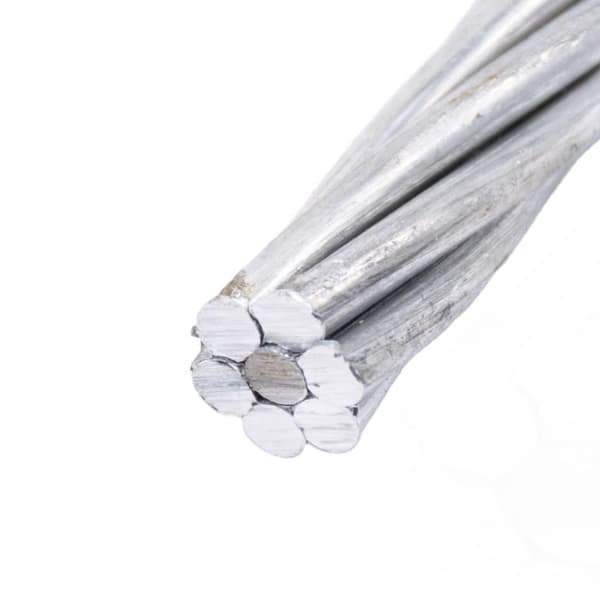
AWG 와이어 시스템 이해
AWG는 American Wire Gauge의 약자입니다., 북미에서 주로 사용되는 표준 와이어 크기 조정 시스템. AWG 시스템은 게이지 숫자가 작을수록 도체가 더 크다는 것을 나타내기 때문에 미터법 케이블 크기와 다르게 작동합니다..
예를 들어:
- 10 AWG는 다음보다 큽니다. 12 AWG
- 4 AWG는 다음보다 큽니다. 6 AWG
- 1 AWG는 다음보다 작습니다. 1/0 AWG
후에 1 AWG, 크기 조정은 "어쩌다" 크기로 계속됩니다.:
- 1/0 AWG (하나라도)
- 2/0 AWG
- 3/0 AWG
- 4/0 AWG
그러므로, 1/0 AWG는 다음으로 큰 크기입니다. 1 AWG.
많은 초보자들이 배터리 케이블을 선택할 때 이 점을 오해하고 있습니다., 태양광 케이블, 또는 산업용 전력 전도체.
무엇인가요 1 AWG 와이어?
1 AWG 와이어는 중대 전류 전기 시스템에 일반적으로 사용되는 견고한 도체입니다.. 더 큰 케이블보다 설치가 더 쉬우면서도 강력한 전류 전달 기능을 제공합니다..
일반적인 응용 분야는 다음과 같습니다.:
- 태양전지 시스템
- 자동차 배터리 케이블
- 해양 배선
- 산업용 접지
- 인버터 연결
- RV 전기 시스템
성능과 유연성 사이의 균형 때문에, 1 AWG는 가장 널리 사용되는 대형 도체 크기 중 하나입니다..
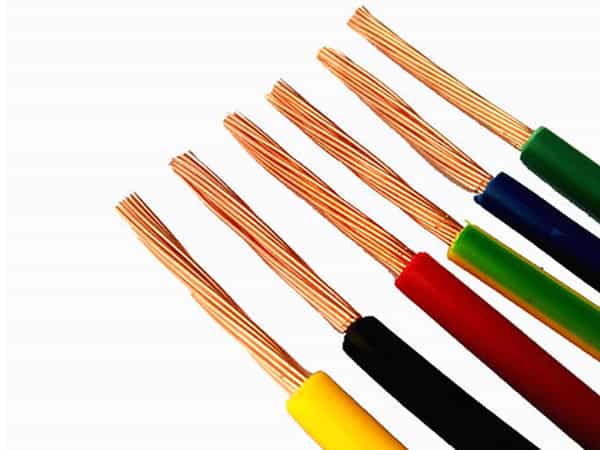
일반적인 사양 1 AWG
| 매개변수 | 값 |
|---|---|
| 지름 | 7.35 mm |
| 단면적 | 42.4 mm² |
| 저항 | 0.4066 Ω/1000피트 |
| 일반적인 전류용량 | 130-150A |
| 유연성 | 좋은 |
실제 전류용량은 설치 조건 및 단열재 유형에 따라 다릅니다..
무엇인가요 1/0 AWG 와이어?
1/0 AWG 와이어, “하나의 문제”라고도 불림,"는 더 높은 전력 애플리케이션을 위해 설계된 더 큰 도체입니다.. 구리나 알루미늄이 더 많이 함유되어 있습니다., 더 낮은 저항으로 더 큰 전류를 전달할 수 있습니다..
그것은에서 일반적으로 사용됩니다:
- 주 전원 공급 장치
- 산업용 모터
- 대형 배터리 뱅크
- EV 충전 시스템
- 용접 장비
- 고전력 인버터
비교 1 AWG, 1/0 AWG는 더 나은 전기 효율성을 제공합니다., 특히 장거리에서는.
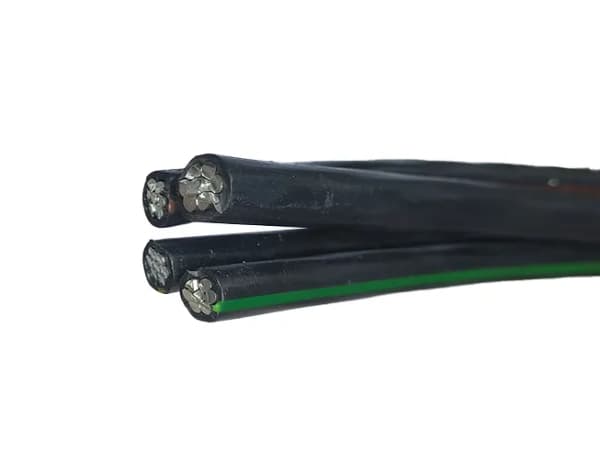
일반적인 사양 1/0 AWG
| 매개변수 | 값 |
| 지름 | 8.25 mm |
| 단면적 | 53.5 mm² |
| 저항 | 0.321 Ω/1000피트 |
| 일반적인 전류용량 | 150-170A |
| 유연성 | 보통의 |
주요 차이점 1 AWG 및 1/0 AWG
가장 큰 차이점은 도체 크기입니다..
물리적인 크기 차이는 작아 보이지만, 전기적으로 매우 중요합니다.
비교 1 AWG, 1/0 AWG 제안:
- 더 높은 전류 전달 용량
- 낮은 저항
- 낮은 전압 강하
- 효율성 향상
- 향상된 열 성능
하지만, 1/0 AWG도:
- 비용이 더 많이 든다
- 무게가 더 나가다
- 더 큰 커넥터가 필요함
- 구부리기가 더 어렵습니다
전기부하 및 설치환경에 따라 선택 가능.
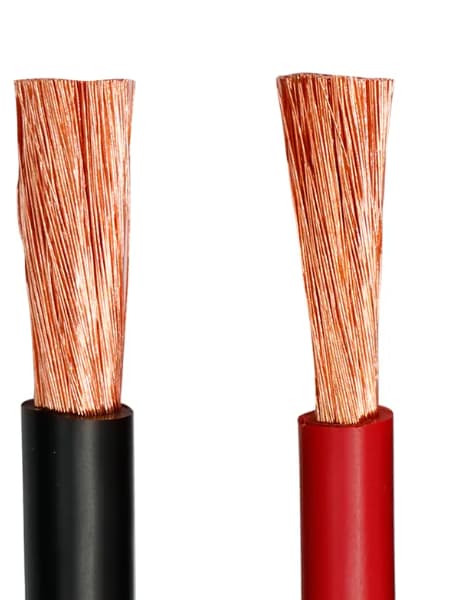
크기 비교 1 AWG 및 1/0 AWG
많은 사람들이 얼마나 큰지 과소평가합니다. 1/0 AWG는 실제로.
| 와이어 크기 | 지름 |
| 1 AWG | 7.35 mm |
| 1/0 AWG | 8.25 mm |
직경이 더 적게 증가하더라도 1 mm, 도체 단면적이 급격히 증가합니다..
단면적 비교
| 와이어 크기 | 영역 |
| 1 AWG | 42.4 mm² |
| 1/0 AWG | 53.5 mm² |
이는 다음을 의미합니다. 1/0 AWG는 대략적으로 26% 보다 더 많은 도체 재료 1 AWG.
추가 도체 영역은 전기적 성능을 크게 향상시킵니다..
전류용량 차이
전류용량은 과열 없이 도체가 안전하게 전달할 수 있는 최대 전류를 나타냅니다..
1 AWG 전류용량
일반적인 구리 전류용량:
- 130A ~ 150A
일반적인 알루미늄 전류용량:
- 100A ~ 120A
1/0 AWG 전류용량
일반적인 구리 전류용량:
- 150A ~ 170A
일반적인 알루미늄 전류용량:
- 120A ~ 150A
정확한 전류용량은 여러 요인에 따라 달라집니다.:
- 주변 온도
- 케이블 절연
- 설치방법
- 번들 도체 수
- 지역 전기 코드
전압 강하 비교
긴 케이블 연결에서는 전압 강하가 매우 중요해집니다..
왜냐하면 1/0 AWG는 저항이 낮습니다., 거리에 따른 전압 손실이 적습니다..
전압 강하가 중요한 이유
과도한 전압 강하로 인해:
- 장비 효율성 감소
- 모터 과열
- 인버터 정지
- 배터리 충전 문제
- 에너지 손실
그러므로, 많은 엔지니어가 선택 1/0 케이블 길이가 긴 고전류 시스템용 AWG.
전압 강하의 예
전기 시스템이 다음에서 작동한다고 가정합니다.:
- 150 앰프
- 100 피트 케이블 길이
사용 1 AWG로 인해 전압 강하가 눈에 띄게 높아질 수 있음.
사용 1/0 AWG는 전압 강하를 약 20~25% 줄일 수 있습니다..
이러한 개선은 다음에서 중요합니다.:
- 태양광 시스템
- 해양 전력 시스템
- 산업기계
- 배터리 뱅크
저항 비교
저항이 낮을수록 전기 효율이 향상됩니다..
| 와이어 크기 | 당 저항 1000 피트 |
| 1 AWG | 0.4066 오 |
| 1/0 AWG | 0.321 오 |
저항이 낮다는 것은:
- 발열이 적음
- 전력 손실 감소
- 더 나은 전압 안정성
- 더 길어진 케이블 수명
고전류 애플리케이션용, 낮은 저항은 매우 유익합니다.
무게 차이
부터 1/0 AWG에는 더 많은 도체 재료가 포함되어 있습니다., 훨씬 더 무겁습니다.
이는 영향을 미칩니다:
- 배송비
- 케이블 트레이 로딩
- 설치 노동
- 다루기 어려움
대규모 산업 프로젝트에서, 케이블 무게가 주요 엔지니어링 고려 사항이 됨.
유연성과 설치
1 AWG는 일반적으로 설치가 더 쉽습니다..
더 쉽게 구부러지고 설치 공간이 덜 필요합니다..
1/0 AWG는:
- 더 단단함
- 무거움
- 라우팅하기가 더 어렵습니다.
- 좁은 공간에서는 더 어렵습니다.
그러므로, 설치자는 종종 선호합니다 1 공간이 제한된 경우 AWG.
하지만, 미세 연선의 유연한 케이블 디자인은 유연성을 상당히 향상시킬 수 있습니다..
비용 차이 1 AWG 및 1/0 AWG
케이블이 클수록 더 많은 도체 재료가 필요합니다., 그래서 1/0 AWG가 더 비싸요.
가격 차이는 다음에 따라 다릅니다.:
- 구리 시장 가격
- 알루미늄 가격
- 케이블 브랜드
- 절연 종류
- 좌초 디자인
일반적으로:
1/0 AWG는 AWG보다 약 15~30% 더 비쌉니다. 1 AWG.
구리 도체 버전은 알루미늄 버전보다 훨씬 비쌉니다..
구리와 알루미늄 버전
둘 다 1 AWG 및 1/0 AWG는 구리와 알루미늄으로 제공됩니다..
구리의 장점
- 더 높은 전도성
- 더 나은 유연성
- 더 나은 내식성
- 더 작은 직경
알루미늄의 장점
- 비용 절감
- 더 가벼운 무게
- 더 쉬운 운송
하지만, 알루미늄 지휘자는 필요합니다:
- 더 큰 도체 크기
- 적절한 종료 방법
- 항산화 화합물
구리는 여전히 중요한 고성능 시스템에 선호되는 선택입니다..
일반적인 응용 분야 1 AWG
1 AWG는 중전류 애플리케이션에 널리 사용됩니다..
일반적인 용도
- RV 전력 시스템
- 태양전지 연결
- 해양 배터리 케이블
- 자동차 업그레이드
- 산업용 접지
- 소형 인버터 시스템
성능 간의 탁월한 균형을 제공합니다., 유연성, 그리고 비용.
일반적인 응용 분야 1/0 AWG
1/0 AWG는 까다로운 고전류 설치에 선호됩니다..
일반적인 용도
- 주요 서비스 피더
- 산업용 장비
- 고출력 태양광 인버터
- EV 충전 시스템
- 대형 배터리 뱅크
- 용접기
더 큰 도체가 무거운 전기 부하에서 신뢰성을 향상시킵니다..
태양광 시스템에 어떤 케이블이 더 좋은가요??
두 와이어 크기 모두 태양광 응용 분야에서 잘 작동할 수 있습니다..
선택하다 1 AWG 시기
- 전류가 150A 미만입니다.
- 케이블 길이가 짧습니다.
- 설치 공간이 제한되어 있습니다.
- 예산이 중요하다
선택하다 1/0 AWG 시기
- 전류가 150A를 초과합니다.
- 케이블 거리가 길다
- 전압 강하를 최소화해야 합니다.
- 시스템 확장이 기대됩니다
많은 독립형 태양광 발전 시스템이 사용됩니다. 1/0 높은 전류가 필요하기 때문에 배터리 상호 연결을 위한 AWG.
자동차 오디오에 어떤 케이블이 더 좋은가요??
자동차 오디오 시스템에는 증폭기가 상당한 전류를 소비하기 때문에 큰 도체가 필요한 경우가 많습니다..
1 AWG는 다음 용도에 적합합니다.
- 중간 증폭기 시스템
- 저전력 설치
- 짧은 케이블 길이
1/0 AWG는 다음 용도에 더 적합합니다.
- 고전력 증폭기
- 다중 앰프 설정
- 2000W 이상의 시스템
많은 전문 자동차 오디오 설치자가 권장합니다. 1/0 향후 업그레이드 유연성을 위한 AWG.
해양 및 RV 애플리케이션
해양 및 RV 시스템은 높은 시동 전류와 긴 케이블 길이를 경험하는 경우가 많습니다..
이러한 환경에서는:
- 전압 안정성이 중요합니다
- 부식 방지 문제
- 신뢰성은 필수적입니다
1/0 AWG는 전압 강하가 낮기 때문에 일반적으로 대규모 시스템에 선택됩니다..
하지만, 1 AWG는 소형 RV 및 해양 설치에서 여전히 인기가 있습니다..
할 수 있다 1 AWG 교체 1/0 AWG?
때로는 그럴 수 있다, 하지만 항상 안전한 것은 아닙니다.
더 작은 도체를 사용하면 다음과 같은 문제가 발생할 수 있습니다.:
- 과열
- 과도한 전압 강하
- 효율성 감소
- 화재 위험
항상 확인:
- 전기 코드 요구 사항
- 전류용량 계산
- 환경 조건
- 시스템 부하
고전류 애플리케이션에서 케이블 크기를 축소하지 마십시오..
할 수 있다 1/0 AWG 교체 1 AWG?
예.
더 큰 도체를 사용하는 것이 일반적으로 안전합니다..
장점은 다음과 같습니다:
- 낮은 저항
- 열 감소
- 효율성 향상
- 미래 확장 능력
하지만, 대형 케이블 증가:
- 설치 난이도
- 비용
- 커넥터 크기 요구 사항
"One Aught"라는 용어 이해하기
전기기사가 흔히 말하는 1/0 AWG:
“하나는 뭐야”
비슷하게:
- 2/0 AWG = 2개
- 3/0 AWG = 3개
- 4/0 AWG = 4개
이 용어는 북미 지역의 표준입니다..
NEC 및 전기 코드 고려 사항
국가 전기 코드 (NEC) 에 대한 규칙을 제공합니다:
- 전류용량
- 온도보정
- 도체 크기
- 설치 방법
적절한 케이블 선택은 온라인 차트에만 의존해서는 안 됩니다..
전문적인 엔지니어링 평가가 권장됩니다.:
- 산업 시스템
- 유틸리티 프로젝트
- 고전류 설치
- 재생 에너지 시스템
온도 등급 및 절연
케이블 절연은 허용 전류량에 큰 영향을 미칩니다.
일반적인 단열재 유형은 다음과 같습니다.:
- THHN
- XLPE
- XHHW
- PVC
- EPDM
더 높은 온도 등급으로 케이블이 더 많은 전류를 안전하게 전달할 수 있습니다..
일반적인 온도 등급은 다음과 같습니다.:
- 60℃
- 75℃
- 90℃
연선과 단선
둘 다 1 AWG 및 1/0 AWG는 다음과 같이 제조될 수 있습니다.:
- 단선
- 연선
연선
장점:
- 더 나은 유연성
- 더욱 쉬워진 설치
- 더 나은 진동 저항
공통:
- 배터리 케이블
- 해양 배선
- 용접 케이블
단선 도체
장점:
- 비용 절감
- 더 간단한 구조
일반적으로 고정 설치에 사용됩니다..
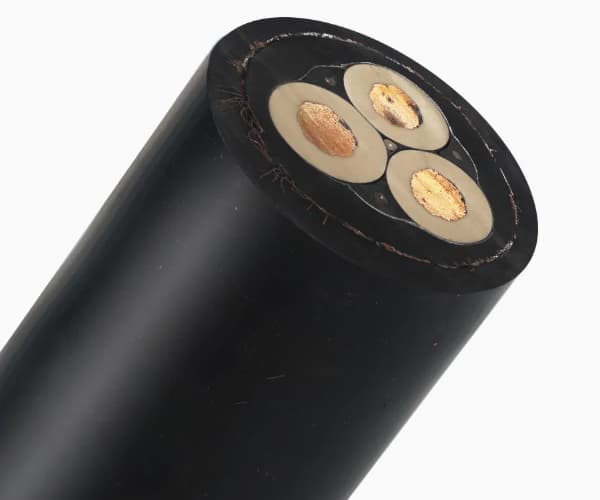
중에서 선택하는 방법 1 AWG 및 1/0 AWG
올바른 케이블 크기는 여러 요인에 따라 달라집니다..
현재 요구사항
일반적으로 더 높은 전류가 필요합니다. 1/0 AWG.
케이블 거리
더 긴 케이블 길이는 더 큰 도체로 인해 이점을 얻습니다..
예산
1 AWG가 더 경제적입니다..
설치공간
작은 공간이 유리하다 1 AWG.
향후 확장
1/0 AWG로 인해 향후 케이블 업그레이드가 방해될 수 있음.
초기 비용보다는 항상 장기적인 시스템 성능을 고려하십시오..
빠른 비교표
| 특징 | 1 AWG | 1/0 AWG |
| 지름 | 더 작게 | 더 크게 |
| 전류용량 | 낮추다 | 더 높은 |
| 저항 | 더 높은 | 낮추다 |
| 전압 강하 | 더 높은 | 낮추다 |
| 유연성 | 더 나은 | 줄인 |
| 무게 | 거룻배 | 무거움 |
| 비용 | 낮추다 | 더 높은 |
| 주요 용도 | 중간 전류 | 고전류 |
최종 생각
차이점 이해 1 AWG 및 1/0 AWG는 안전하고 효율적인 전기 시스템 설계에 필수적입니다..
처음에는 명명 시스템이 혼란스러워 보일 수 있지만, 이 중요한 규칙을 기억하세요:
1/0 AWG는 다음보다 큽니다. 1 AWG.
더 큰 도체 크기로 인해, 1/0 AWG가 제공하는:
- 더 높은 전류용량
- 낮은 저항
- 효율성 향상
- 전압 강하 감소
그 동안에, 1 AWG 제안:
- 비용 절감
- 더욱 쉬워진 설치
- 더 나은 유연성
최선의 선택은 특정 애플리케이션에 따라 다릅니다., 부하, 설치 환경, 그리고 향후 확장 계획은 케이블 제조업체.
중요한 전력 시스템용, 자격을 갖춘 전기 기술자 또는 전기 기술자와 상담하는 것이 항상 권장됩니다..