
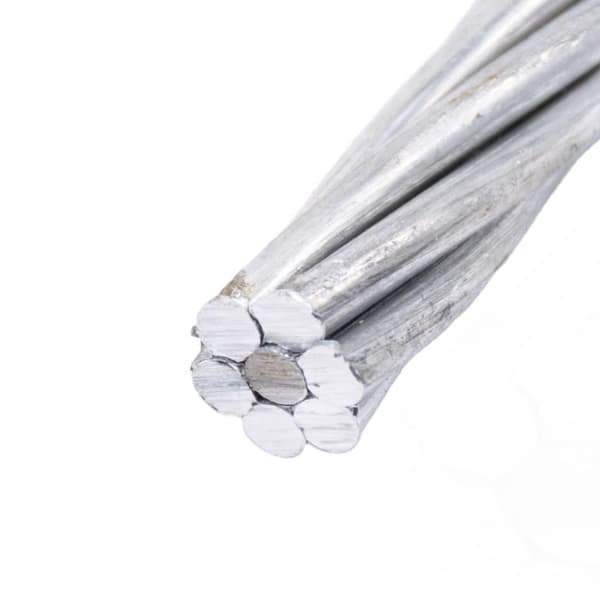
전기공학과에서 일한다면, 건설, 재생 가능 에너지, 또는 자동차 시스템, 당신은 아마도 이 용어를 접했을 것입니다 1/0 AWG 케이블. 고전류 애플리케이션에 가장 일반적으로 사용되는 굵은 도체 중 하나입니다., 그러나 많은 사람들은 그것이 실제로 무엇을 의미하는지 여전히 불분명합니다., 그것이 어떻게 수행되는지, 그리고 어디에 사용해야 하는지.
우리는 당신이 알아야 할 모든 것을 분석할 것입니다 1/0 AWG 케이블, 정의를 포함하여, 명세서, 전류용량, 애플리케이션, 장점, 프로젝트에 적합한 유형을 선택하는 방법. 당신이 초보자이건, 전문 구매자이건 간에, 이 기사는 정보에 입각한 결정을 내리는 데 도움이 될 것입니다.
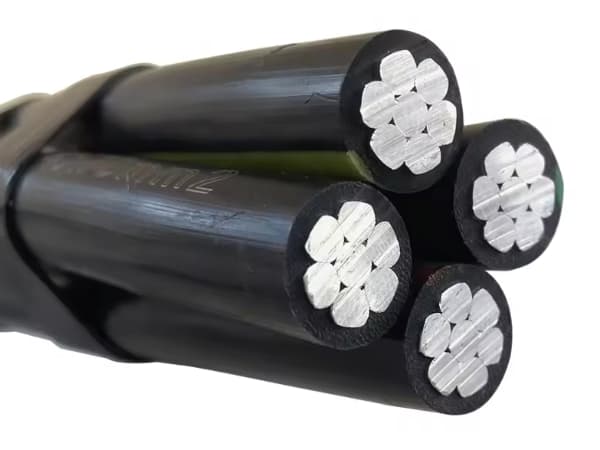
1. 무엇을 하는가? 1/0 AWG 평균?
AWG는 약자 미국 와이어 게이지, 전기 도체의 직경을 측정하기 위해 북미에서 주로 사용되는 표준화된 시스템.
표기법 1/0 AWG 로도 쓰여진다:
- 1/0 AWG
- 0 AWG (일반적으로 혼동되지만 크기가 다릅니다.)
- "한 가지" 와이어
"어쨌든"이라는 용어 (0) AWG보다 큰 전선을 나타내기 위해 전선 크기 조정에 사용됩니다. 1.
크기 관계 이해
AWG 시스템은 반대로 작동합니다.:
- 그만큼 숫자가 작다, 그만큼 철사가 더 두꺼워요
- AWG 이후 1, 시스템이 간다: 1, 0 (1/0), 00 (2/0), 000 (3/0), 0000 (4/0)
그래서 1/0 AWG는 AWG보다 크다 1, 그러나 보다 작다 2/0 AWG.
직경 1/0 AWG 케이블
- 지름: 약 8.25 mm
- 단면적: 53.5 mm²
- 원형 밀: 105,600 cmil
이 큰 단면적을 통해 상당한 전류를 안전하게 전달할 수 있습니다..
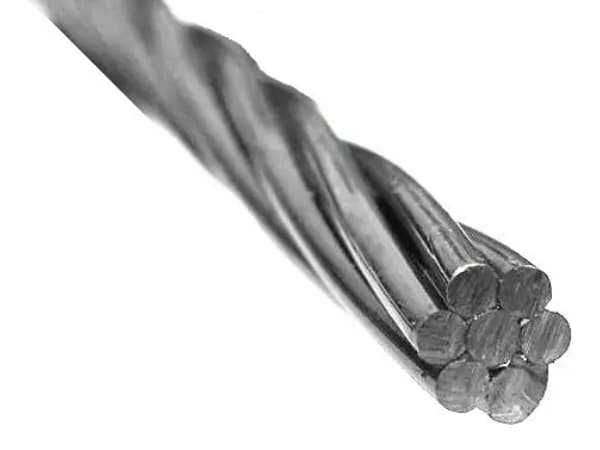
2. 건설 1/0 AWG 케이블
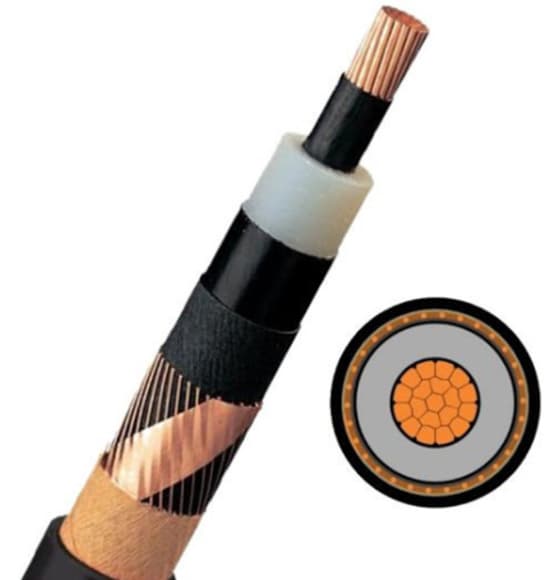
ㅏ 1/0 AWG 케이블은 크기뿐만 아니라 내부 구조와 재질에도 따라 달라집니다..
2.1 도체 재료
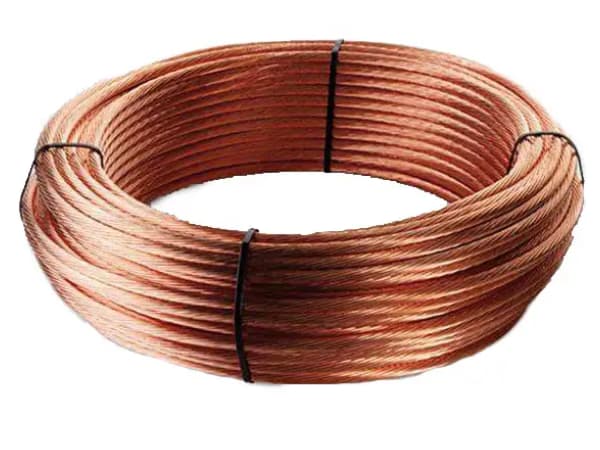
최대 1/0 AWG 케이블은 다음과 같이 만들어집니다.:
- 구리 (가장 일반적인)
- 우수한 전도성
- 높은 유연성 (좌초되었을 때)
- 더 높은 비용
- 알류미늄
- 더 가벼운 무게
- 비용 절감
- 전도성이 약간 낮음 (구리 ~61%)
2.2 좌초 유형
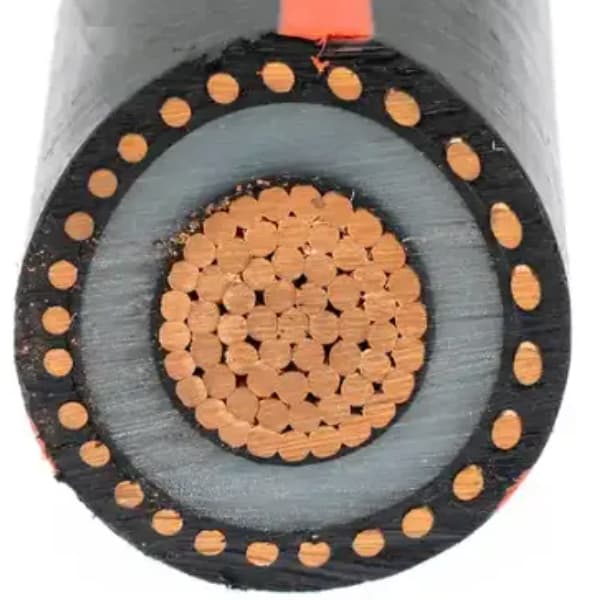
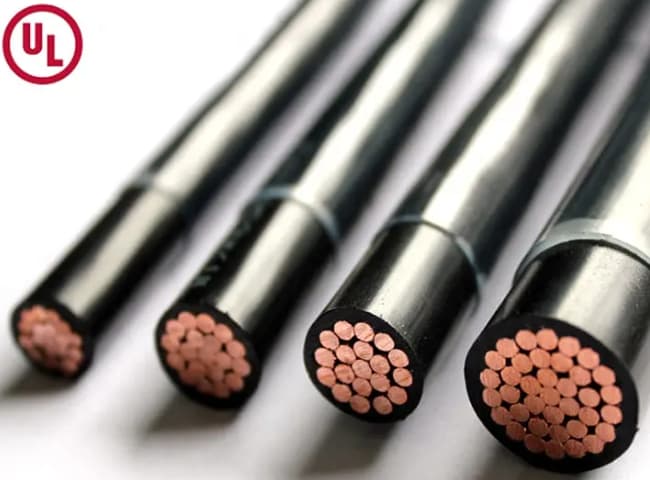
그 두께 때문에, 1/0 AWG 케이블은 일반적으로 단선이 아닌 연선으로 되어 있습니다..
일반적인 좌초 유형:
- 미세한 가닥 (더 유연하다)
- 중간 가닥 (일반적인 사용)
- 굵은 가닥 (산업용 전력 분배)
좌초된 구조가 개선됩니다.:
- 유연성
- 진동 저항
- 설치 용이성
2.3 단열재
용도에 따라, 단열재에는 다음이 포함될 수 있습니다.:
- PVC (폴리염화비닐)
- XLPE (가교 폴리에틸렌)
- 고무 (EPDM, EPR)
- TPE (열가소성 엘라스토머)
각 단열재 유형은 서로 다른 이점을 제공합니다.:
- 내열성
- 자외선 저항
- 내화학성
- 기계적 내구성
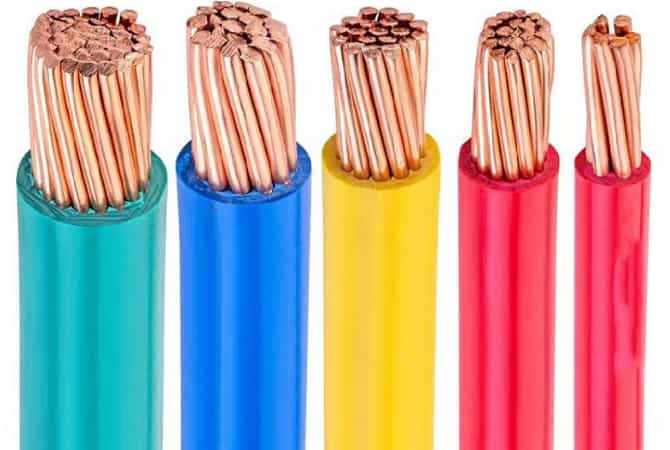
3. 전기적 특성 1/0 AWG 케이블
케이블 크기를 선택할 때 전기적 성능을 이해하는 것이 중요합니다..
3.1 전류용량 (전류 운반 용량)
전류량 1/0 AWG는 절연 및 설치 조건에 따라 다릅니다..
일반적인 값:
| 재료 | 전류용량 (대략.) |
|---|---|
| 구리 (THHN 단열재) | 150–170암페어 |
| 구리 (산업용) | 최대 195 앰프 |
| 알류미늄 | 120–150암페어 |
메모: 고온 환경에서 케이블을 묶거나 설치하면 전류용량이 감소합니다..
3.2 저항
저항이 낮을수록 효율성이 향상됩니다..
- 구리 1/0 AWG 저항: ~0.1옴당 1000 피트
- 알류미늄 1/0 AWG 저항: 구리보다 높음
저항이 낮을수록:
- 전압 강하
- 발열
- 에너지 손실
3.3 전압 강하 고려 사항
긴 케이블 연결용, 전압 강하가 중요해진다.
1/0 AWG는 허용 가능한 전압 레벨을 유지하기 때문에 일반적으로 사용됩니다.:
- 태양광 시스템
- 배터리 뱅크
- 산업용 장비
4. 무엇인가요 1/0 AWG 케이블 사용 용도?
1/0 AWG 케이블은 더 작은 전선이 고장나거나 과열될 수 있는 고전력 애플리케이션에 사용됩니다..
4.1 자동차 및 해양 애플리케이션
- 자동차 오디오 시스템 (고전력 증폭기)
- 전기자동차
- 보트 배터리 연결
- 스타터 케이블
사용되는 이유:
- 높은 전류 수요
- 진동 저항 필요
- 작지만 강력한 에너지 전달
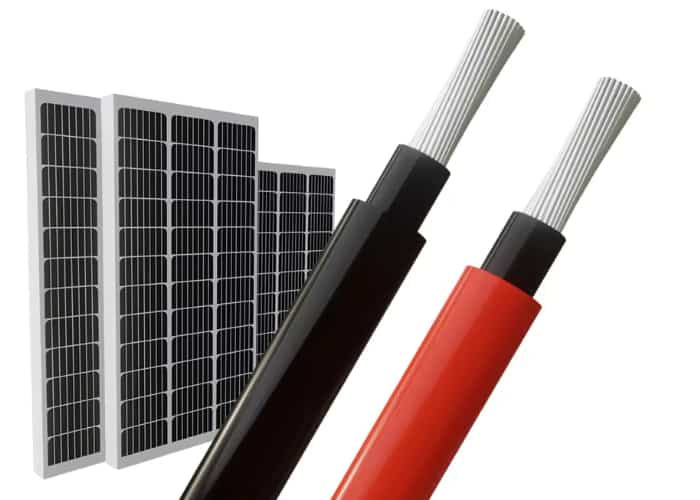
4.2 태양광 발전 시스템
태양광 설비에서, 1/0 AWG 케이블은 다음 용도로 널리 사용됩니다.:
- 배터리 상호 연결
- 인버터 연결
- 충전 컨트롤러 배선
이익:
- 높은 DC 전류 처리
- 전력 손실 감소
- 시스템 효율성 향상
4.3 산업용 배전
공장 및 상업용 건물에 사용됩니다.:
- 모터 피더
- 제어판
- 백업 생성기
장점:
- 높은 부하 용량
- 긴 서비스 수명
- 연속 작동 시 신뢰성
4.4 용접 장비
용접 기계에는 매우 높은 전류가 필요합니다.. 1/0 AWG 케이블은 일반적으로 다음 용도로 사용됩니다.:
- 용접 리드
- 접지 케이블
그것은 보장한다:
- 안정적인 아크 성능
- 열 축적 감소
- 안전성 향상
4.5 재생 에너지 저장 시스템
배터리 에너지 저장 시스템 (베스), 1/0 AWG는 연결에 사용됩니다.:
- 리튬 배터리 팩
- 인버터
- DC 버스 시스템
5. 장점 1/0 AWG 케이블
5.1 고전류 용량
가장 중요한 특징은 큰 전기 부하를 안전하게 처리하는 것입니다..
5.2 에너지 손실 감소
두꺼운 도체 = 더 낮은 저항 = 더 높은 효율.
5.3 내구성
연선 구조와 강력한 절연으로 긴 사용 수명 제공.
5.4 유연성
그 크기에도 불구하고, 연선 구리로 인해 굽힘 및 라우팅이 더 쉬워졌습니다..
5.5 다재
적합:
- DC 시스템
- AC 시스템
- 실내 및 실외 설치
6. 구리 대 알루미늄 1/0 AWG 케이블
구리와 알루미늄 중 하나를 선택하는 것이 중요한 결정입니다..
| 특징 | 구리 | 알류미늄 |
|---|---|---|
| 전도도 | 높은 | 중간 |
| 무게 | 무거운 | 빛 |
| 비용 | 값비싼 | 더 저렴 |
| 유연성 | 훌륭한 | 보통의 |
| 내식성 | 더 나은 | 보호가 필요합니다 |
어느 것을 선택해야합니까??
- 선택하다 구리 효율성이 필요하다면, 내구성, 그리고 고성능
- 선택하다 알류미늄 비용과 무게가 주요 관심사인 경우
7. 단열재 유형 및 중요성
절연 유형에 따라 케이블을 사용할 수 있는 위치가 결정됩니다..
7.1 THHN / THWN
- 건물에 사용됨
- 내열성
- 도관 배선에 공통
7.2 XLPE
- 높은 내열성
- 산업 환경에서 사용됨
- 우수한 전기적 특성
7.3 PVC
- 비용 효율적
- 일반 응용 분야에 적합
- 적당한 내열성
7.4 고무 절연
- 유연한
- 용접 및 휴대용 시스템에 사용됩니다.
8. 권리를 선택하는 방법 1/0 AWG 케이블
케이블을 선택할 때, 다음을 고려하십시오:
8.1 현재 부하
항상 계산하다:
- 지속적인 부하
- 최대 부하
- 안전마진 (대개 +25%)
8.2 거리
거리가 멀수록 전압 강하가 높아짐 → 더 나은 크기 조정 필요.
8.3 환경
묻다:
- 실내 또는 실외?
- 고온?
- 기름이나 화학물질에 노출?
8.4 애플리케이션 유형
- 자동차 → 유연한 고무 케이블
- 산업용 → XLPE 또는 PVC
- 태양광 → 자외선 방지 케이블
9. 사용할 때 흔히 저지르는 실수 1/0 AWG 케이블
9.1 전압 강하를 과소평가
두꺼운 케이블이라도 장거리에서는 효율성이 떨어질 수 있습니다..
9.2 알루미늄과 구리를 부적절하게 혼합
이로 인해 발생할 수 있는:
- 부식
- 연결 실패
9.3 잘못된 압착
불량한 커넥터로 인해:
- 열 축적
- 전기적 고장
9.4 정격을 초과하는 케이블 과부하
이로 인해 수명이 단축되고 화재 위험이 증가합니다..
10. 설치 팁
안전한 설치를 위해:
- 적절한 압착 도구를 사용하십시오
- 단자에 올바른 토크를 가하십시오.
- 날카로운 굴곡을 피하십시오
- 마찰이 심한 지역에서는 케이블 보호 장치를 사용하십시오.
- 케이블을 열원에서 멀리 두십시오.
11. 1/0 현대 에너지 시스템의 AWG 케이블
에너지 시스템이 발전함에 따라, 1/0 AWG 케이블은 다음과 같은 중요한 역할을 합니다.:
- 전기 자동차 충전 시스템
- 독립형 태양광 설치
- 배터리 저장 시스템
- 스마트 그리드 인프라
고전류를 효율적으로 처리하는 능력으로 인해 현대 전기 설계의 중추 구성 요소가 됩니다..
12. 자주 묻는 질문 (FAQ)
1분기: ~이다 1/0 AWG와 동일 0 AWG?
아니요. 1/0 AWG (하나라도) 보다 크다 0 AWG.
2분기: 앰프는 몇 개까지 가능합니까? 1/0 AWG 핸들?
일반적으로:
- 150절연 및 조건에 따라 구리의 경우 –195A.
3분기: 할 수 있다 1/0 AWG는 태양광 시스템에 사용됩니다.?
예, 그것은 태양 전지 및 인버터 연결에 널리 사용됩니다..
4분기: 구리는 항상 알루미늄보다 낫습니까??
구리는 전기적으로 더 나은 성능을 발휘합니다., 하지만 알루미늄은 더 가볍고 저렴합니다..
Q5: 의 주요 단점은 무엇입니까 1/0 AWG 케이블?
크기와 비용. 작은 전선보다 가격이 더 비싸고 다루기가 더 어렵습니다..
결론
1/0 AWG 케이블 자동차 전반의 고전류 애플리케이션용으로 설계된 견고한 전기 전도체입니다., 산업의, 태양의, 에너지 저장 시스템. 단면적이 넓어 손실을 최소화하면서 효율적으로 전력을 전달할 수 있습니다., 까다로운 환경에서도 신뢰할 수 있는 선택입니다..
구리를 선택하든 알루미늄을 선택하든, 전류용량 이해, 절연 유형, 안전하고 효율적인 성능을 위해서는 설치 조건이 필수적입니다..
현대 에너지 시스템의 규모와 복잡성이 지속적으로 증가함에 따라, 1/0 AWG 케이블은 안정적이고 효율적인 전력 공급을 위한 기본 구성 요소로 남을 것입니다..